



Yes. You choose the layout, equipment, and workflow to suit your menu.
Freezers, dipping cabinets, soft serve machines, sinks, prep tables, storage.
Yes. There are compact solutions for limited space and low traffic.
Please send us the menu and your requirements. We will prepare a plan and provide an exact price.
Yes. We choose a layout based on the speed of operation and the type of product.
Yes. It all depends on the state and the local health department.
The trailer is stationary. The truck has an engine and moves under its own power.
Yes. There is a warranty on the structure and the installed systems.
Yes. Financing is available for eligible customers.
We offer shipping within the U.S. or pickup.
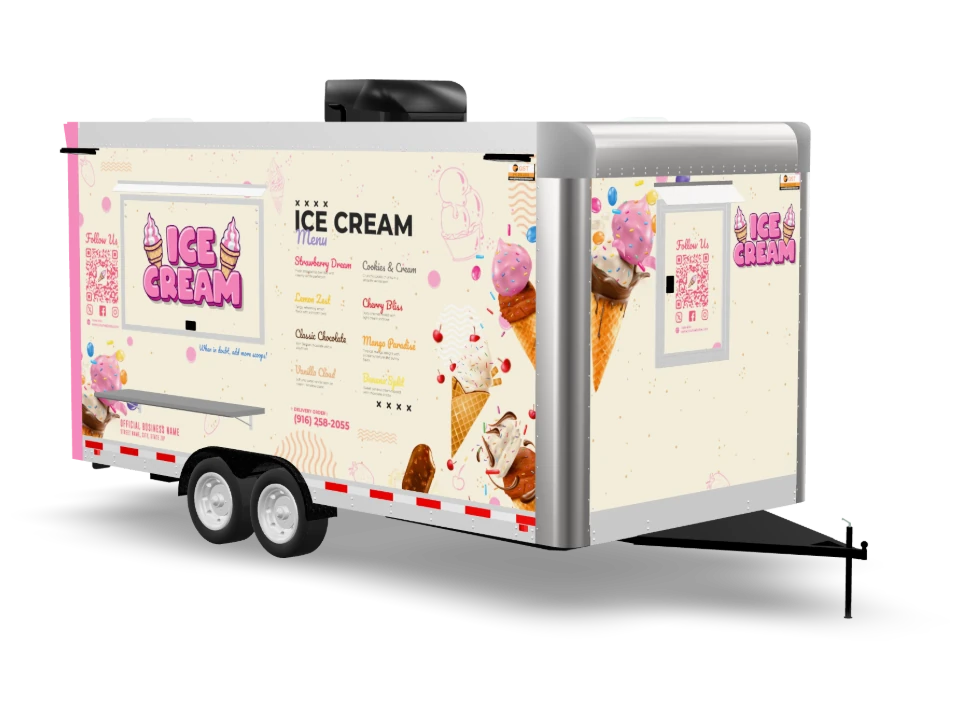
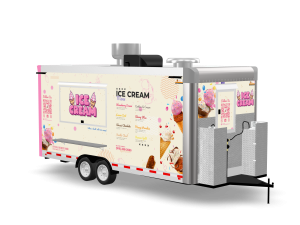
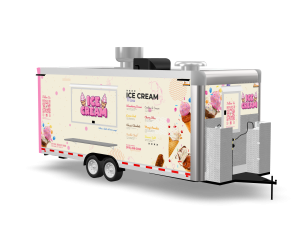
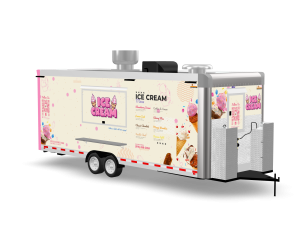
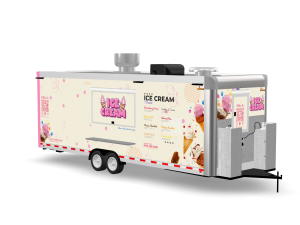
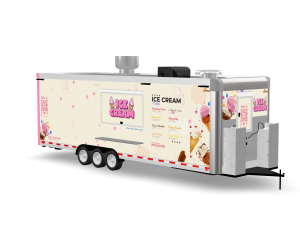
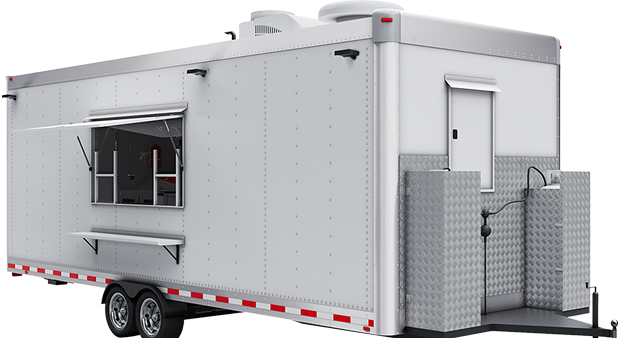
Every ice cream trailer starts with careful planning. First, decide on the menu: soft serve, scoops, or sundaes. This determines the layout and equipment selection. It’s important to plan for cold storage, a smooth serving flow, and space for topping stations right from the start. The trailer’s size affects staff movement and equipment placement. A compact format requires precise solutions, while a larger one offers more flexibility.
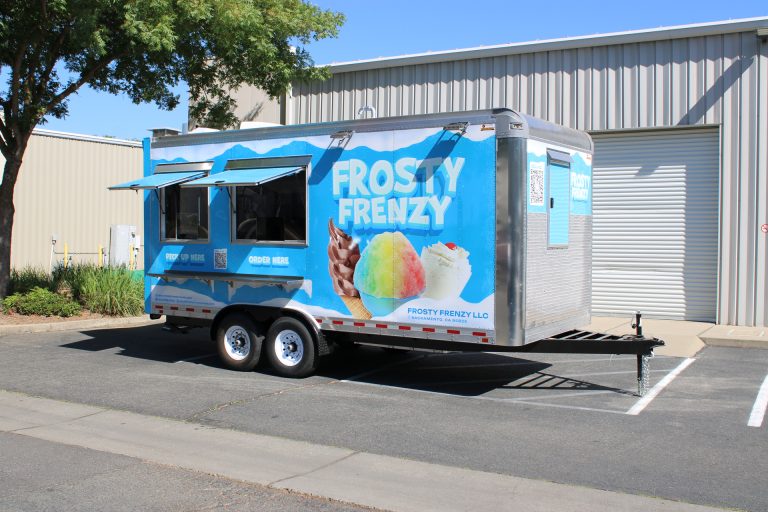
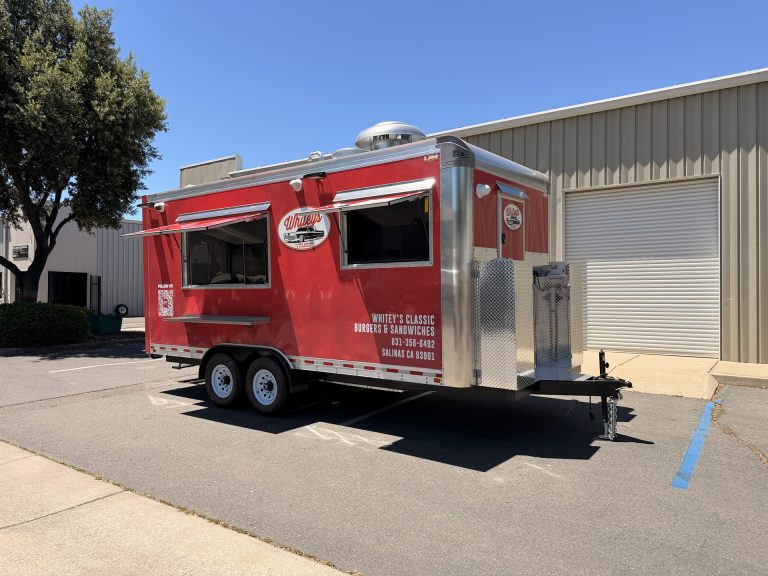
A mobile ice cream trailer is ideal for events and street service, where speed is critical. A custom ice cream trailer allows you to tailor everything to your workflow and avoid unnecessary modifications.
The price of ice cream trailers for sale is not fixed. The base price does not include the full scope of equipment. The final cost depends on the trailer’s size, type of refrigeration, sink package, number of serving windows, and branding level.
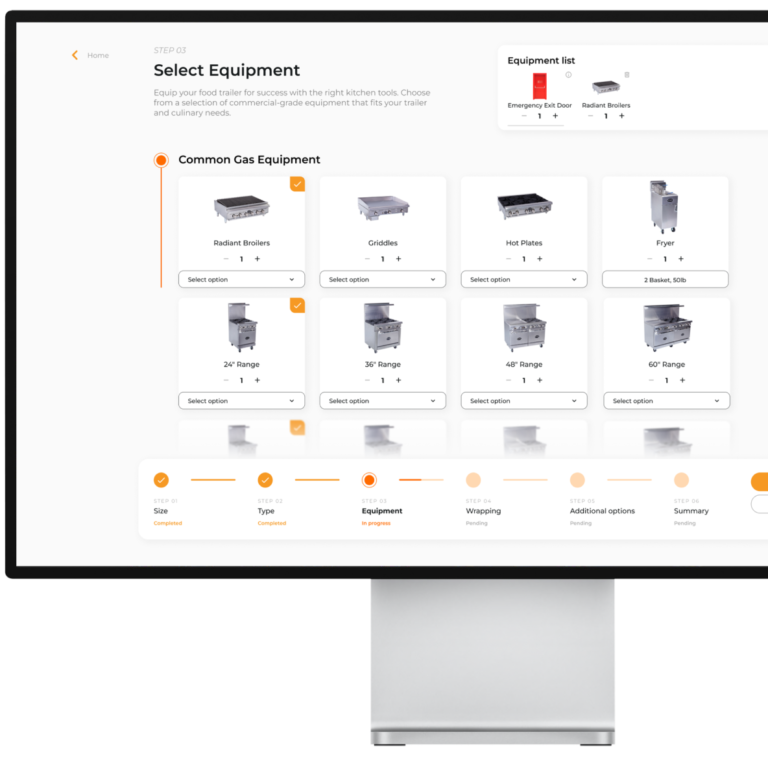
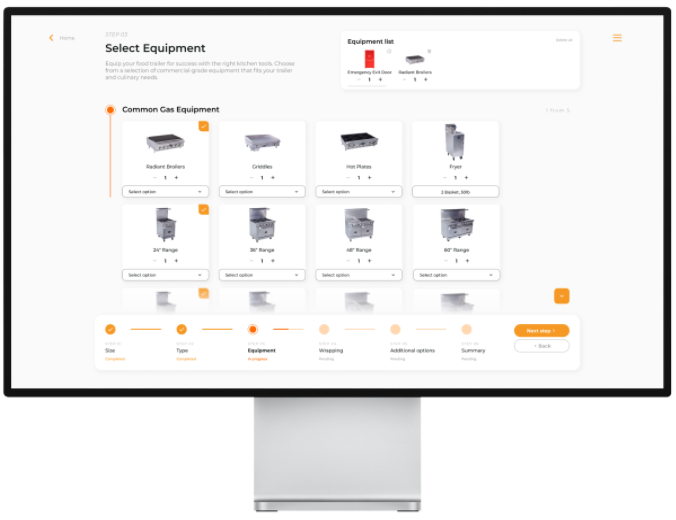
A custom ice cream trailer affects the budget based on the scope of equipment and storage capacity. The operating format is also important: quick service or an expanded menu require different solutions. Therefore, each ice cream trailer for sale is priced individually based on its configuration and equipment selection. For an accurate quote, use the food trailer configurator.
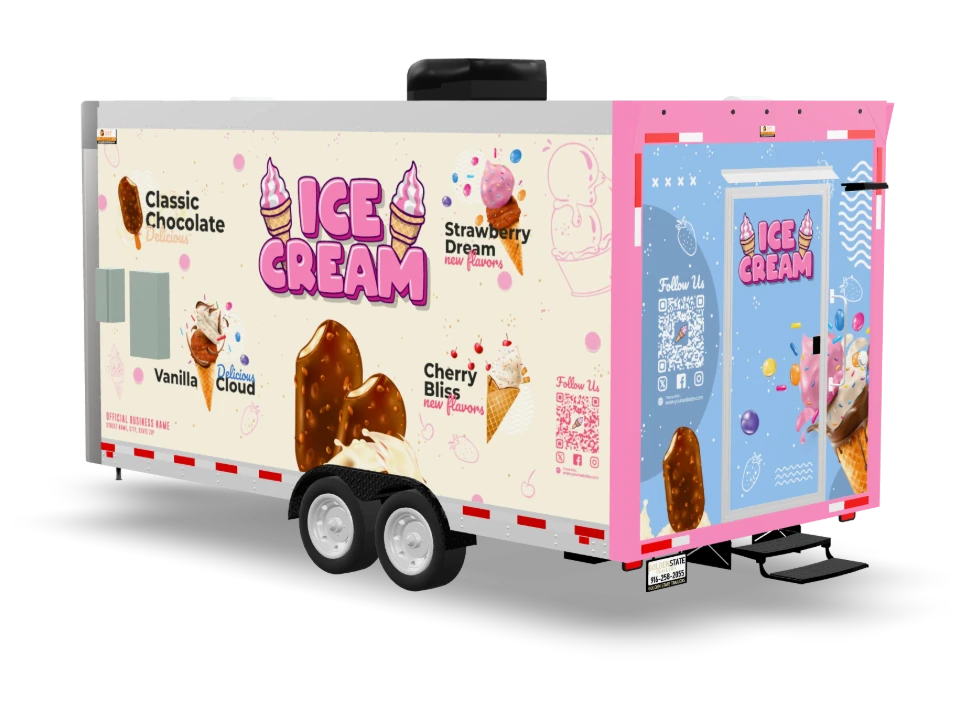
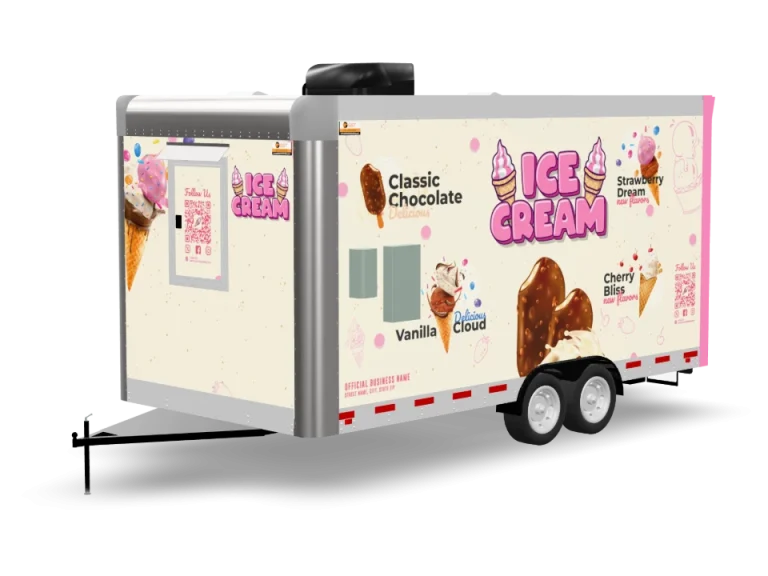
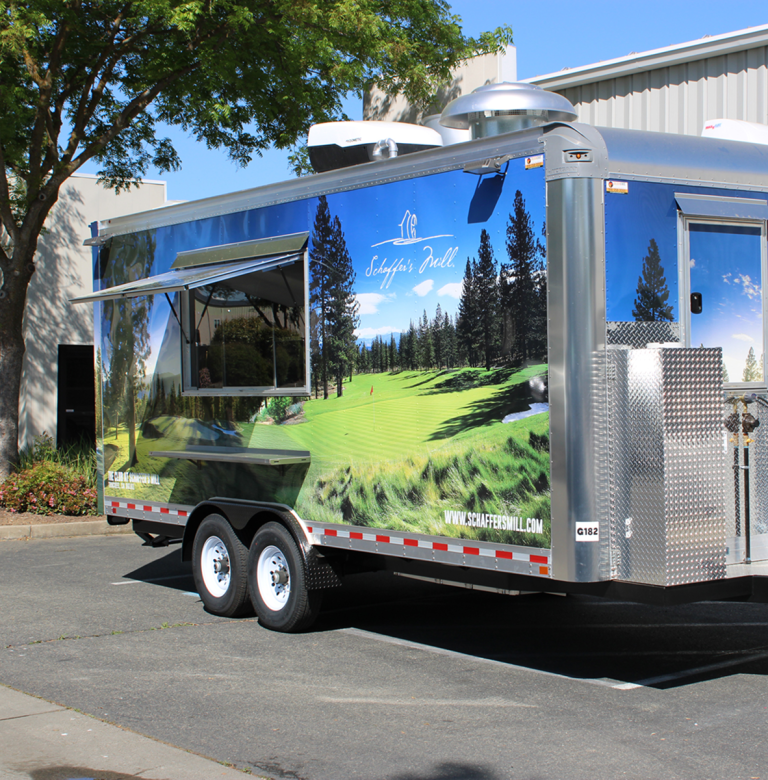
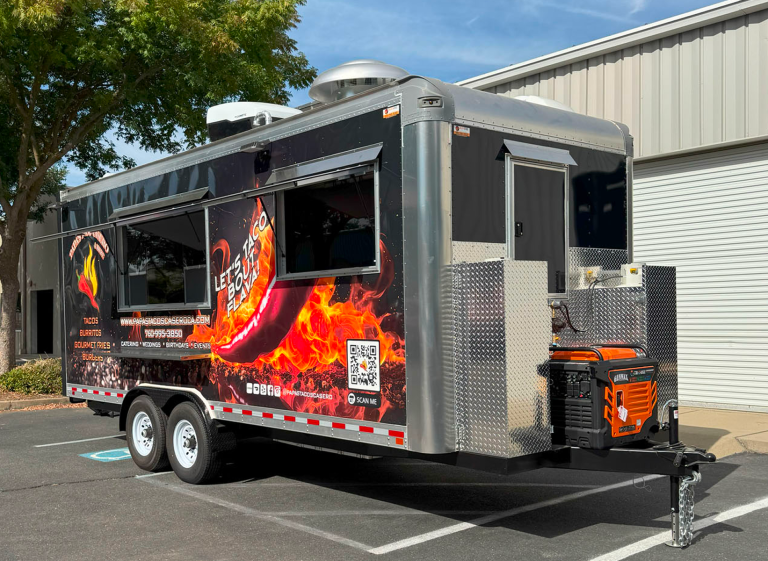
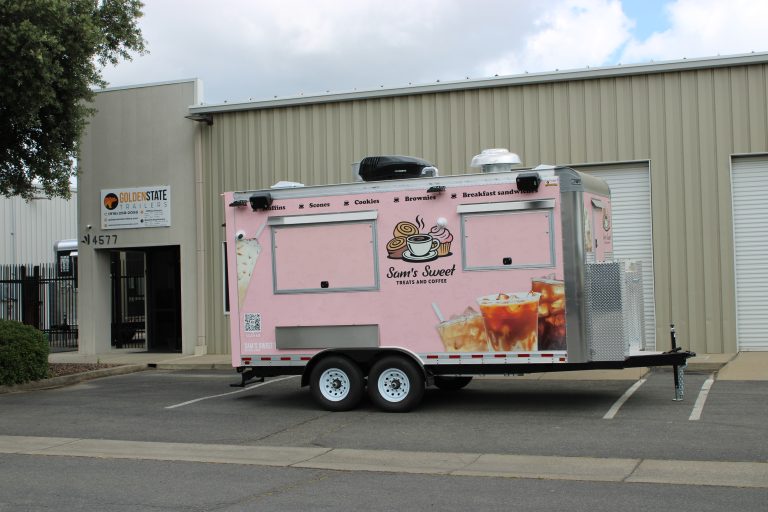
A well-designed custom ice cream trailer starts with the menu, not a template. Different dessert formats require different spatial layouts. One-size-fits-all solutions don’t work for the ice cream business. You need to account for equipment, cold storage, and prep areas. Build quality and thoughtful interior organization impact daily operations more than standard layouts. The placement of the serving window and branding shape the customer experience.
A small ice cream trailer demands precision in every detail. Larger formats offer more options but require clear zoning. A well-designed ice cream concession trailer operates faster and with fewer unnecessary movements.
The difference between an ice cream trailer and an ice cream truck lies in their operating format and interior capabilities.
A custom ice cream truck can be an option if mobility without a trailer is important. However, it’s less flexible when it comes to changing the layout and equipment placement. An ice cream cart trailer is only suitable for a compact format. It has minimal equipment and limited sales capacity. If you need control over the space and workflow, choose an ice cream trailer. If moving between locations is the priority, consider an ice cream truck for sale.
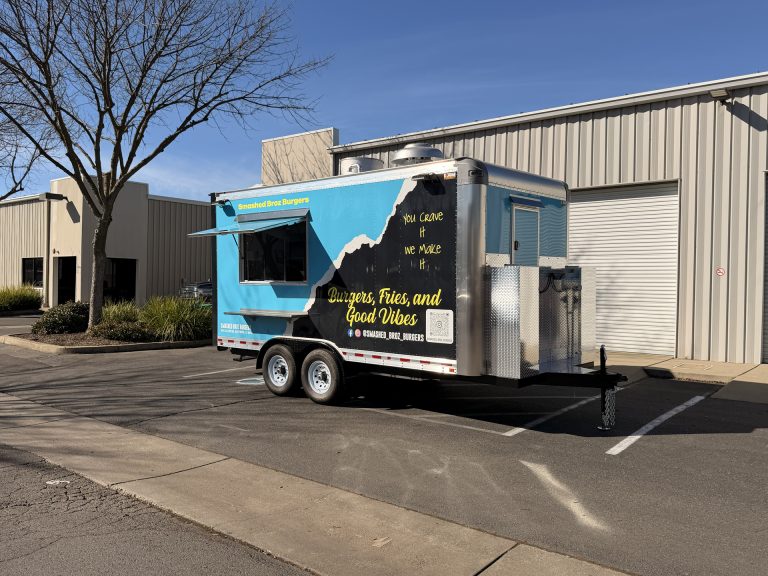
Mobile ice cream trailers are ideal for festivals, catering, street vending, and private events. You can operate in various locations without changing your kitchen setup. This ensures a steady flow of customers during peak periods. This format helps you scale your service. You can test new locations and expand your reach without opening brick-and-mortar locations.
Ice cream trailers offer more storage space and a flexible layout. This is important for busy locations where quick service and product inventory are essential. The mobile format works well for frozen dessert concepts. You can adapt the menu to events, seasons, and demand without having to restructure your business.
The size of an ice cream trailer depends on your menu and operating format. A small ice cream trailer is suitable for simple desserts, a limited menu, and low foot traffic. It’s a good option for local locations and when you’re just starting out.
Size directly affects storage capacity, zone organization, and service speed. Choose a format based on your actual sales volume and operating scenarios.
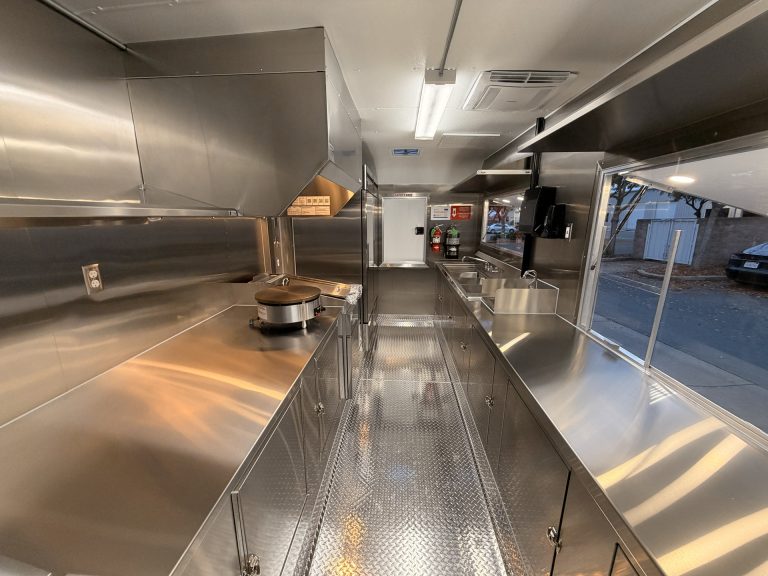
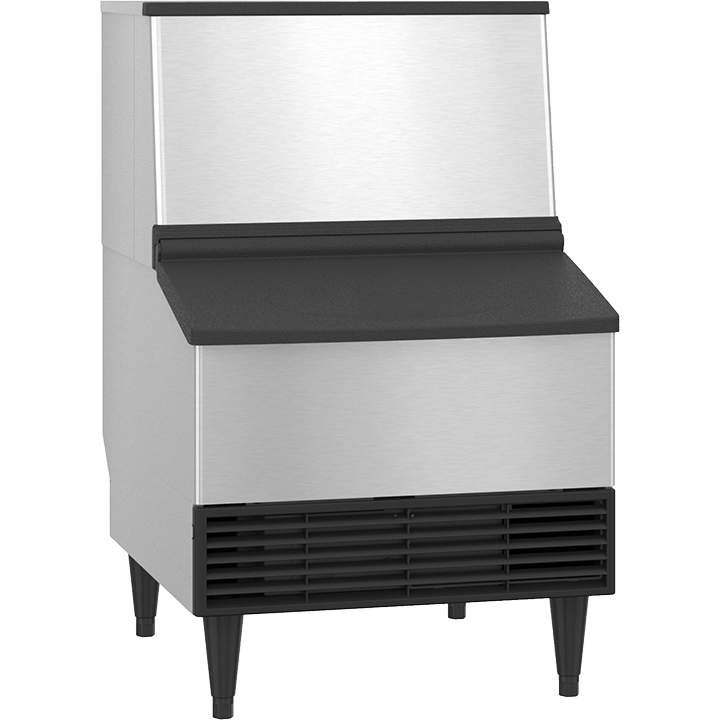
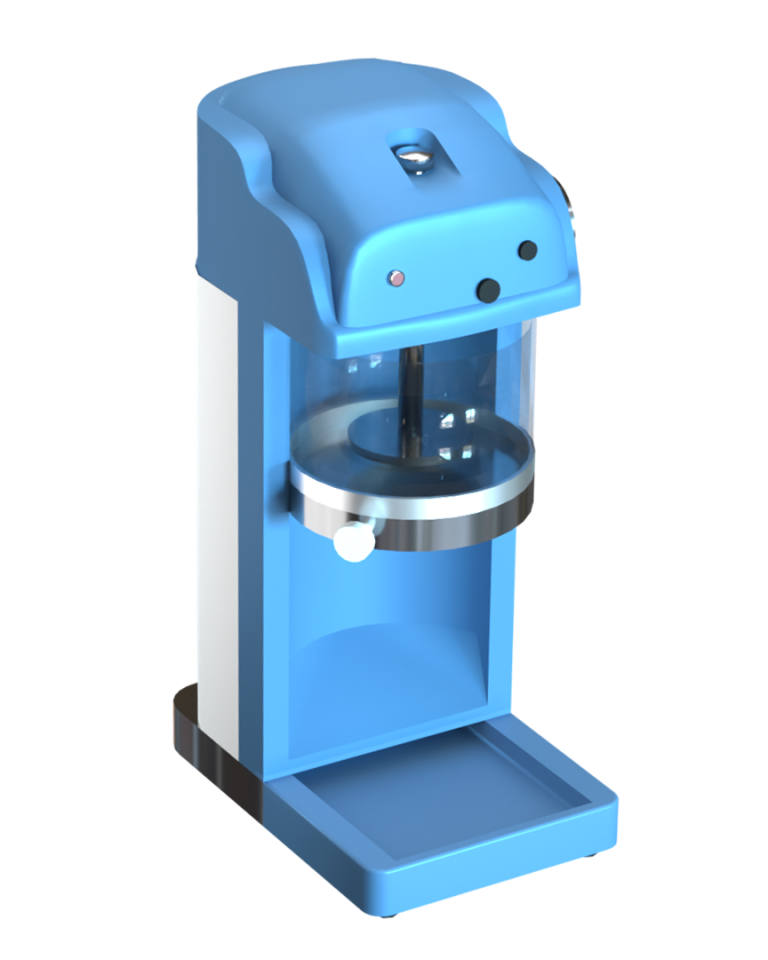
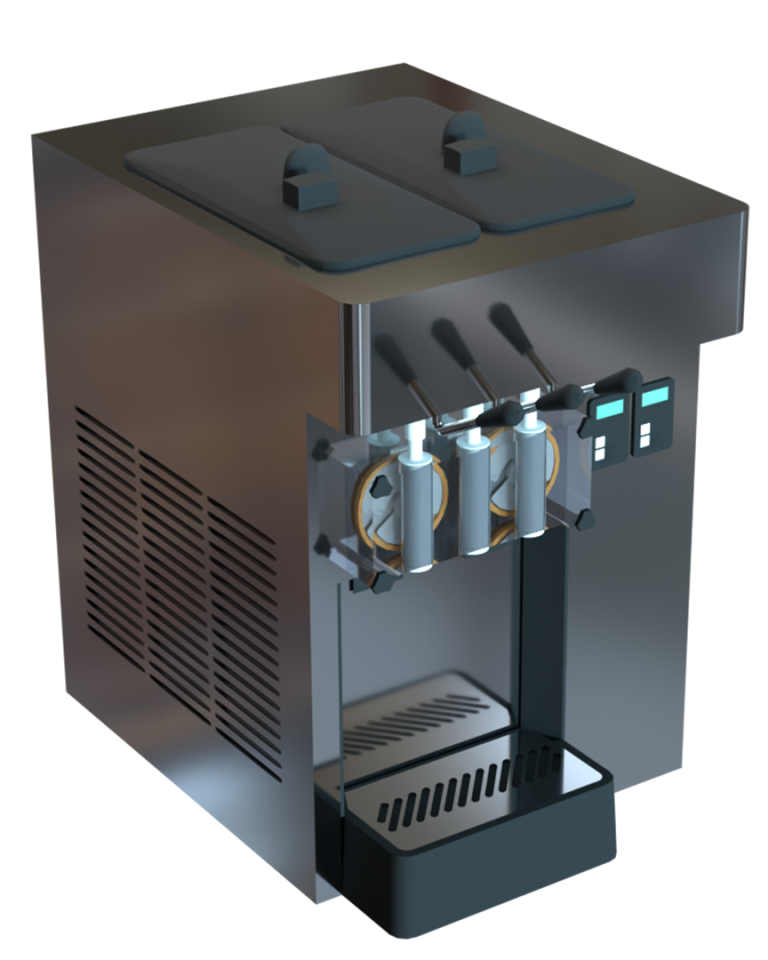
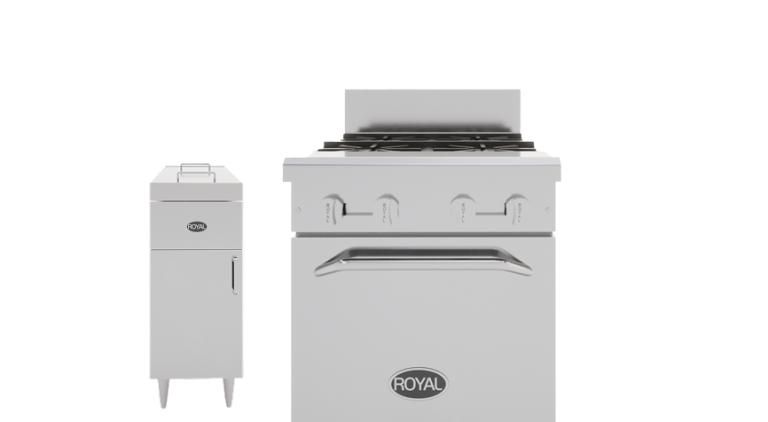
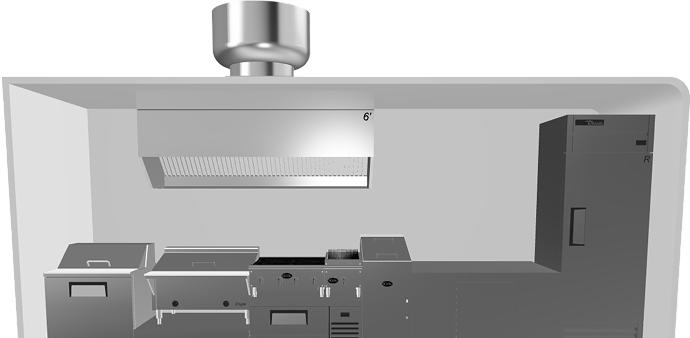
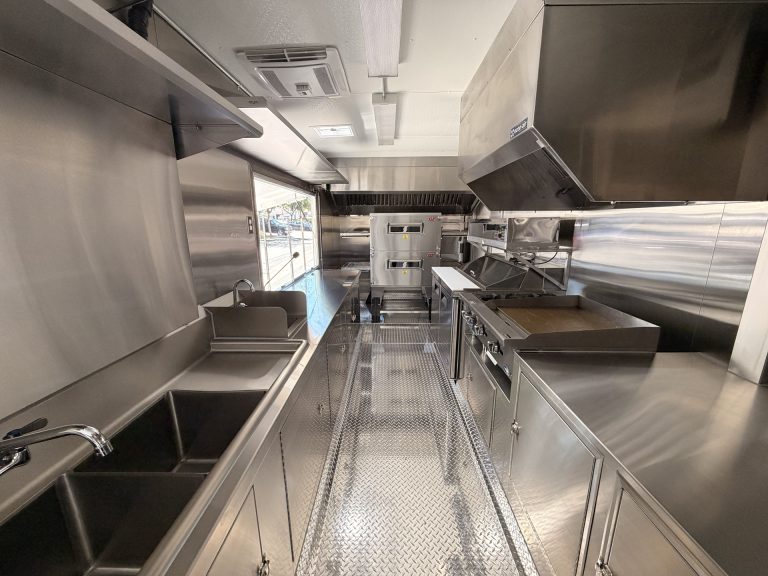
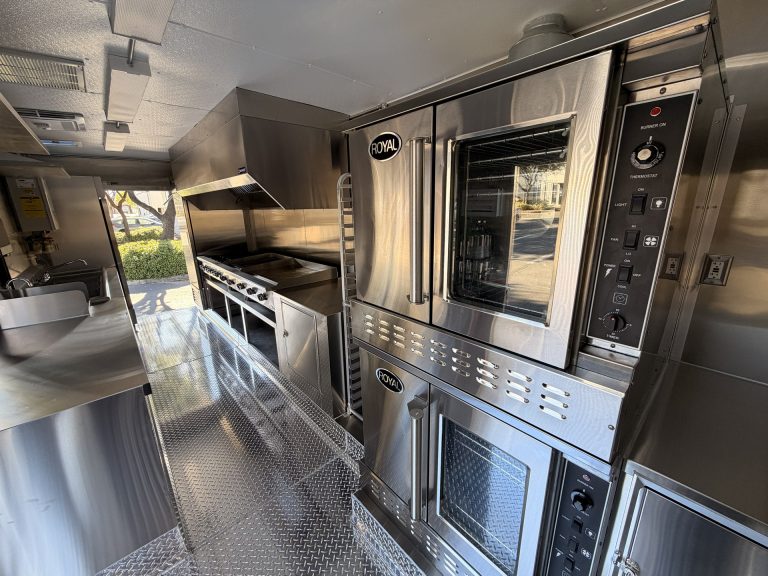
The right ice cream concession trailer is designed for a specific menu. The basic setup includes dipping cabinets, a space for a soft-serve machine, topping stations, and undercounter refrigeration. You’ll also need a sink package and stainless steel work surfaces.
The equipment should be suited to the type of desserts and the volume of sales. Too much equipment clutters the space and slows down operations. In an ice cream trailer, it’s important to plan the layout and meet sanitation requirements. Clear zoning simplifies preparation and cleanup. To avoid overcrowding, keep only the necessary elements. Each zone should be designed for fast and consistent service.
Every ice cream trailer needs to function effectively not only at launch but also as the business grows. It’s important to build in extra capacity for equipment and space from the start. This allows you to expand your menu without having to rebuild the trailer. A custom ice cream trailer lets you account for branding, workflow, and the required capacity. You’re building a system that can handle higher traffic and new sales formats.
A well-designed trailer is easier to scale. You can add new locations or take your business to the next level without sacrificing operational speed. Choose a configuration suited for daily service and events. This will help you operate consistently in various conditions and avoid lost sales.



1/1