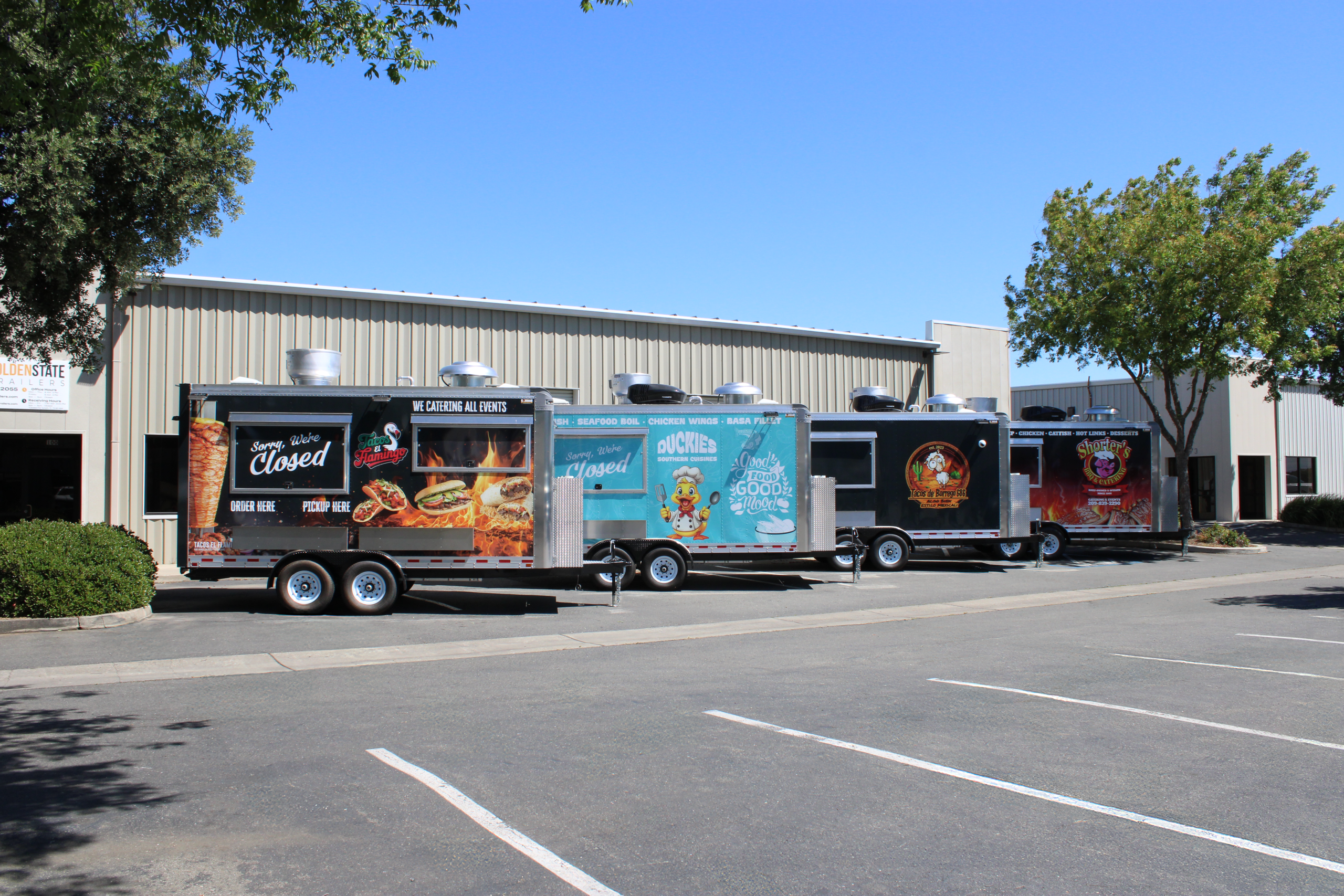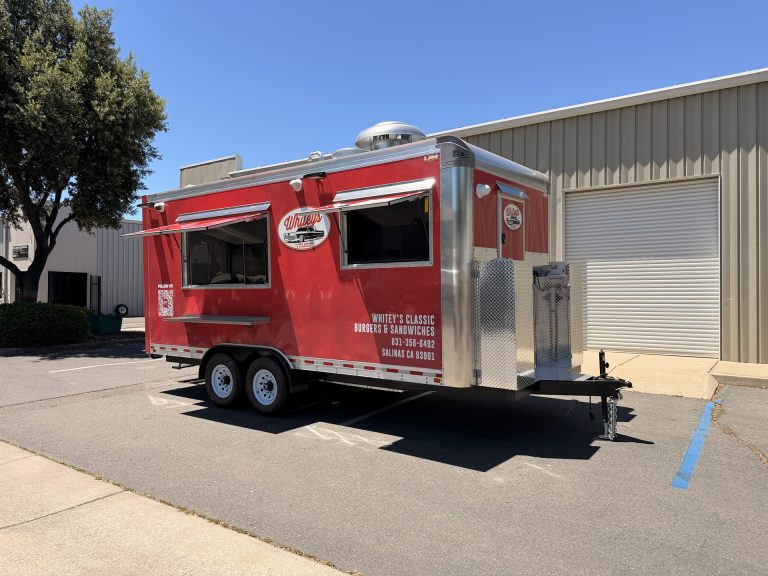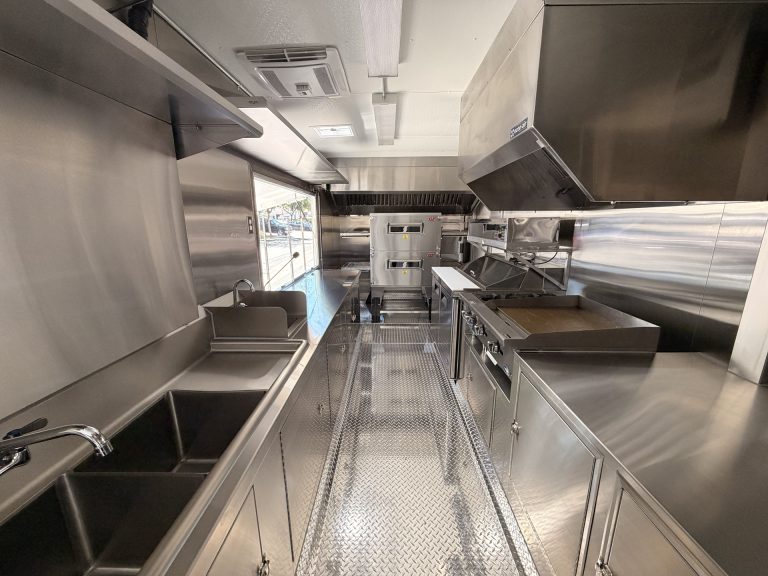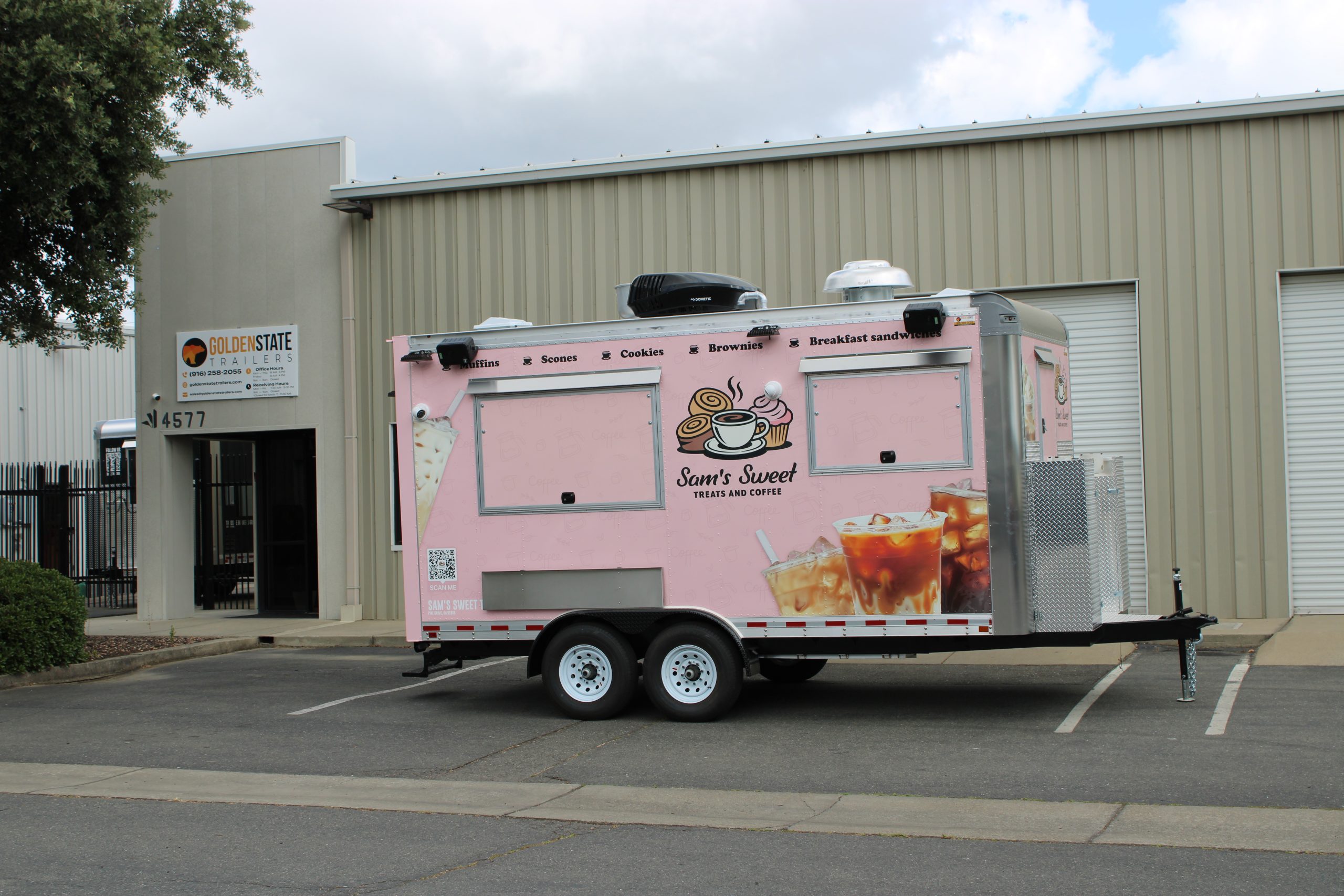
A food trailer business plan should explain how your concept will operate before major equipment or construction decisions begin. The plan connects your menu, target market, budget, operating model, and commercial food trailer requirements within one document. Building these decisions early makes it easier to evaluate how the food trailer business should support daily operations.
A useful plan does not need complicated financial language or a presentation designed only for potential investors. Instead, your food trailer business plan should document assumptions clearly enough to guide pricing, staffing, equipment, marketing, and production. When those assumptions change, the plan provides a structured place to reconsider decisions before the mobile kitchen is finalized.
Begin by describing what the food trailer business will sell, who it will serve, and how customers will purchase. A focused concept helps define your food trailer menu, service model, expected demand, and the locations worth evaluating. Keep this section practical because every later decision should connect directly to the operating concept defined here.
The concept should also explain whether service focuses on regular locations, events, catering, schools, or private operations. Your food trailer business plan becomes stronger when the service model reflects how the commercial kitchen will actually operate. Different operating models can change staffing, storage, production volume, equipment choices, and customer service requirements.
Your menu should be specific enough to estimate ingredients, preparation steps, cooking methods, storage, and required commercial equipment. A food trailer business plan should identify core menu items before projecting costs or selecting major appliances. Menu decisions influence refrigeration, preparation space, ventilation, plumbing, electrical demand, storage, and the eventual kitchen layout.
Avoid treating the menu as a branding decision that can be finalized after the commercial food trailer is built. Changing cooking methods later can affect equipment, utilities, ventilation, workflow, and food trailer startup costs simultaneously. A focused menu also makes capacity planning clearer because production steps and equipment requirements become easier to define.
Identify the customers most likely to purchase from your food trailer and where those customers already spend time. Your food trailer business plan should describe target customers by behavior, location, occasion, and practical purchasing needs. Research restaurants, food trailers, food trucks, caterers, and other businesses competing for the same customer occasions.
Competition research should examine useful details such as menu structure, pricing, positioning, service model, and operating locations. A strong food trailer business plan uses those observations to define a clearer offer instead of copying another concept. Look for opportunities your operation can realistically serve within its kitchen capacity, staffing level, and available budget.
Location affects customer demand, operating hours, travel, setup procedures, utilities, and the requirements applying to your business. Your food trailer business plan should consider several realistic operating scenarios instead of depending entirely on one location. Possible models include regular sites, rotating locations, public events, catering jobs, private properties, or institutional food service.
Each operating model creates different needs for transportation, storage, water, power, supplies, staffing, and daily setup. The commercial food trailer should support those conditions without requiring workarounds that complicate normal service or cleaning. Requirements vary by state and local jurisdiction, so operators should always verify the rules applying where they operate.
Your startup budget should separate the trailer project from other expenses required before the business can operate. A food trailer business plan should consider equipment, permits, insurance, inventory, branding, marketing, staffing, and working capital. Depending on your operating model, additional costs may include towing, storage, commissary access, events, or professional services.
Do not build the food trailer startup budget around the purchase price of the trailer alone. Other expenses occur before revenue becomes consistent, so the business plan should account for early operating needs. Maintain a contingency because equipment selections, local requirements, and operating plans can change before production is finalized.
Operating expenses should reflect what the food trailer business will spend repeatedly after opening rather than during construction. Your food trailer business plan should estimate food, labor, utilities, maintenance, insurance, marketing, storage, software, and recurring fees. Some expenses remain relatively fixed, while others increase with sales volume, operating days, or service frequency.
Separate fixed and variable food trailer operating costs to understand how different sales levels affect cash requirements. This structure helps evaluate whether pricing can support ingredients, labor, overhead, maintenance, and other recurring business expenses. Whenever possible, replace broad industry averages with actual local quotes and researched costs for your planned operation.
Pricing should consider ingredient costs, portion sizes, labor requirements, overhead, customer expectations, and the competitive environment. A food trailer business plan should document how menu prices were developed rather than relying only on competitors. Sales assumptions should also consider expected transactions, average orders, operating days, seasonality, and realistic service capacity.
Keep early projections conservative until the food trailer business has actual sales information showing how customers behave. Test several scenarios because changes in traffic, ingredient costs, staffing, or service speed can affect expected performance. Food trailer forecasting should reveal which assumptions matter most rather than pretending to predict exact future results.
Estimate how many employees are required for preparation, cooking, service, cleaning, stocking, opening, and closing procedures. Your food trailer business plan should connect staffing assumptions with expected volume and physical workflow inside the commercial kitchen. Too many employees may create congestion, while insufficient staffing can limit service capacity during demanding periods.
Map how ingredients, orders, employees, used wares, and finished food move through the food trailer during service. That workflow should influence workstations, refrigeration access, equipment placement, storage, service areas, and cleaning zones before fabrication. Planning around real tasks helps the commercial food trailer support daily work instead of creating unnecessary movement.
Create an equipment plan based on your menu, production volume, preparation methods, storage needs, and service conditions. The food trailer business plan should separate essential commercial equipment from optional features that do not support core operations. Every appliance needs a clear purpose because equipment affects space, power, propane, ventilation, refrigeration, and maintenance access.
Trailer dimensions should follow the equipment package and workflow rather than becoming the first major design decision. A custom food trailer can then accommodate work areas, storage, sinks, utilities, and appropriate employee movement. Before approving equipment, confirm that electrical, plumbing, propane, ventilation, water, and other systems support the complete kitchen package.
Research business, health, fire, and other applicable requirements before committing to a final food trailer configuration. Your food trailer business plan should record which agencies apply, what approvals are needed, and when verification should occur. Requirements may influence sinks, water systems, surfaces, ventilation, equipment installation, electrical planning, and overall kitchen configuration.
Do not assume requirements are identical between different cities, counties, states, or food trailer operating models. Local authorities should confirm current rules applying to your menu, equipment, location, and intended method of operation. Recording those findings keeps compliance decisions connected with the business budget, equipment plan, and commercial kitchen design.
Explain how customers will discover your food trailer before opening and how the business will develop repeat demand. A food trailer business plan can cover branding, social media, partnerships, events, catering outreach, websites, and location-based promotion. Choose marketing channels based on actual target customers rather than trying every available platform simultaneously.
Marketing assumptions should also reflect operating capacity because customer demand must remain manageable for the planned kitchen workflow. The food trailer business needs a reliable method for communicating locations, schedules, menus, events, and availability. After opening, track which channels generate meaningful visits, inquiries, catering opportunities, and repeat business.
Work backward from your intended launch period and identify decisions required before production, approvals, and daily operations begin. Your food trailer business plan should include milestones for planning, requirements research, financing, design, equipment selection, fabrication, and preparation. Allow time for revisions because approvals, equipment availability, inspections, or business decisions can affect the planned sequence.
A realistic food trailer startup timeline is more useful than choosing an opening date before major dependencies are understood. Coordinate staffing, inventory, insurance, branding, marketing, and training with the expected trailer completion and approval process. The objective is having the food trailer business operationally prepared when the commercial kitchen becomes ready for service.
The business plan should become a working reference once discussions with a food trailer manufacturer become more detailed. A complete food trailer business plan gives the builder clearer information about menu, equipment, workflow, capacity, and operating conditions. Those details help the commercial kitchen reflect actual operating needs instead of relying on generic equipment placement.
Before fabrication, confirm that the proposed layout still matches assumptions documented earlier throughout the planning process. If menu, staffing, location, or equipment changes, update the food trailer business plan before approving final design decisions. Keeping business planning and trailer design aligned helps prevent avoidable conflicts between operational goals and the physical kitchen.
A food trailer business plan should cover concept, menu, customers, competition, locations, budget, operating costs, staffing, marketing, and requirements. It should also document equipment needs, workflow, pricing assumptions, launch timing, and how the commercial food trailer supports operations.
No, but your food trailer business plan should clearly separate researched costs, current quotes, estimates, and assumptions. Replace estimates with verified figures as decisions become clearer, especially for equipment, permits, insurance, labor, and operating expenses.
Yes, because food trailer design should support your menu, staffing, workflow, equipment, utilities, and expected service volume. The business plan does not require final drawings, but it should define requirements guiding the commercial kitchen design.
Update the food trailer business plan whenever major assumptions change, including menu, pricing, locations, staffing, equipment, or budget. Treat the document as a working reference during planning, fabrication, opening, and early food trailer business operations.
A strong food trailer business plan connects the commercial kitchen project with the business that must operate inside it. Define your menu, market, budget, workflow, equipment, requirements, staffing, marketing, and timeline before approving major production decisions. When those elements support one operating model, the custom food trailer can be planned around practical daily requirements.
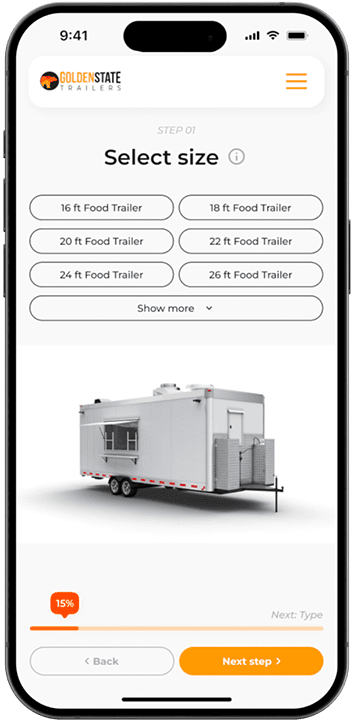
Golden State Trailers designs custom commercial food trailers around menu, equipment, workflow, and applicable requirements before manufacturing begins. Use the 3D Food Trailer Builder to explore your configuration, or Request a Quote when your project is ready.