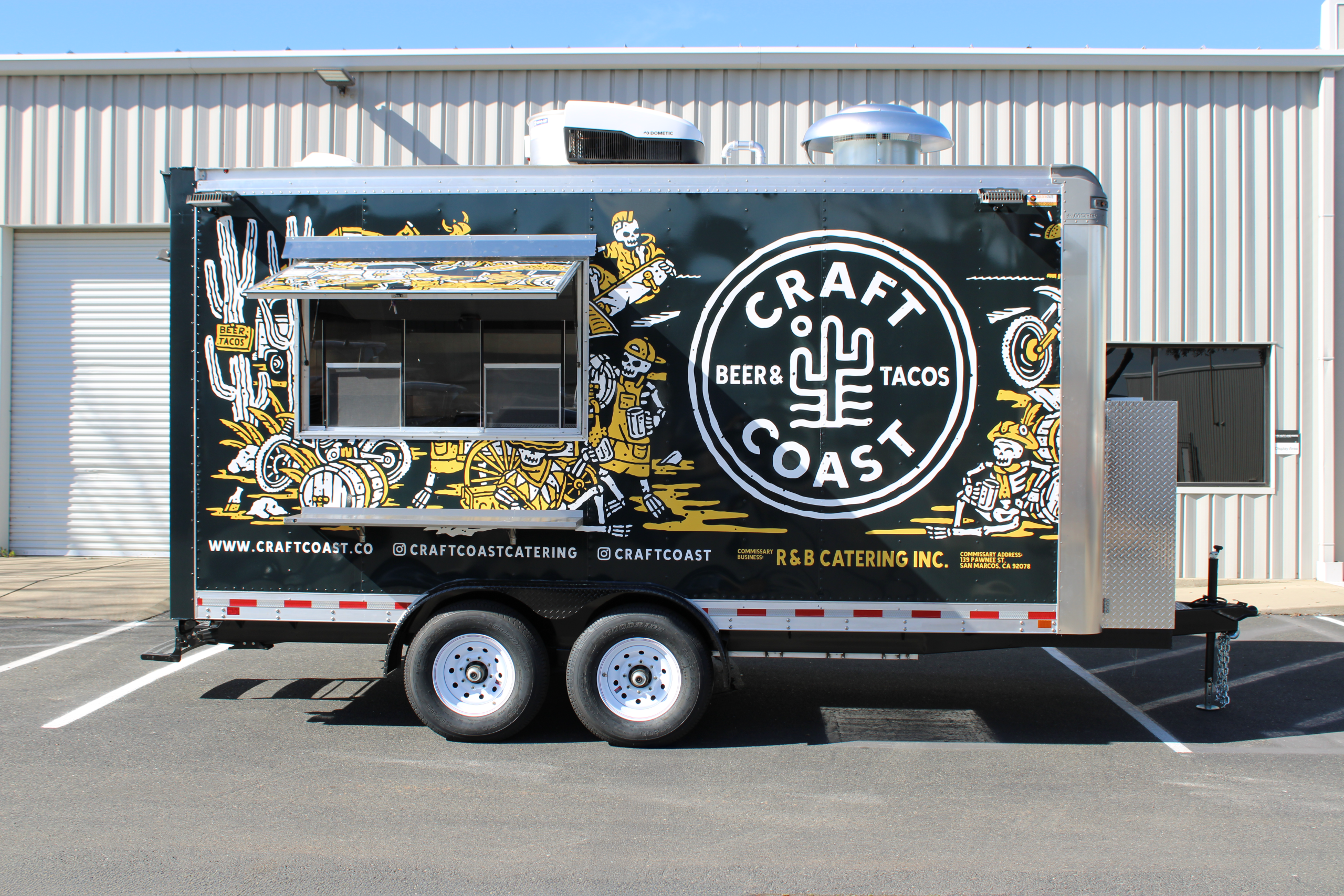
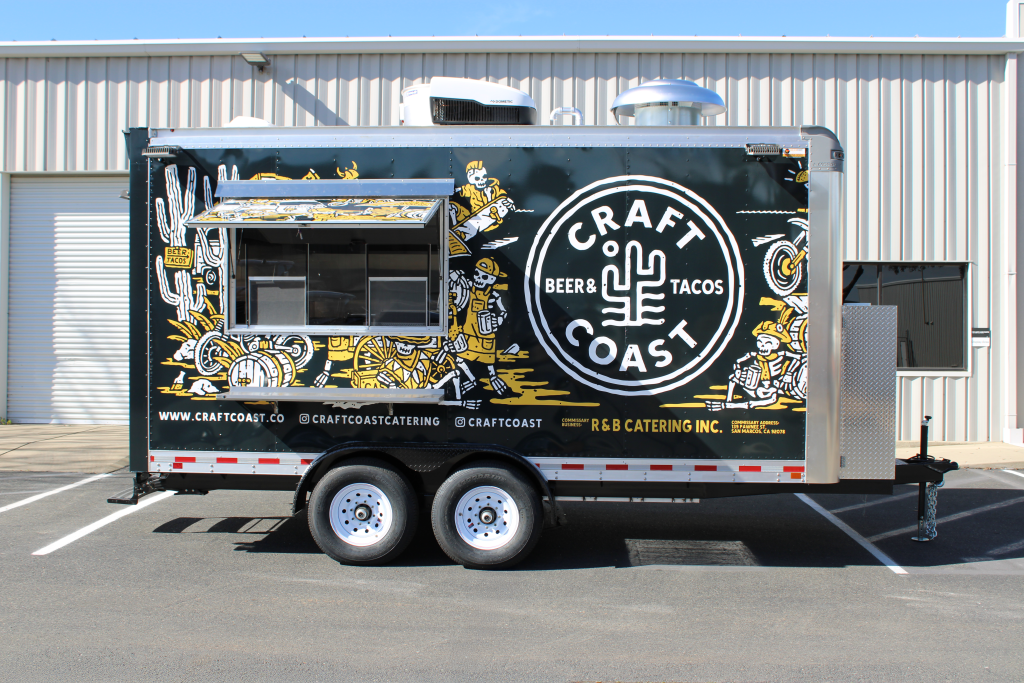
A line forms before the window even slides open. That pull is why thousands of cooks trade the restaurant dream for four wheels and a fryer every year. Learning how to start a food truck means far more than buying a rig and printing a menu, though. It means real numbers, a stack of permits, a concept people actually crave, and a cushion for the slow weeks that always come. What follows is the whole route – costs, the food permit maze, the equipment, the corners worth parking on, and what running a food truck feels like once the romance wears off.
Strip away the paint and a food truck is just a commercial kitchen squeezed into a few hundred square feet, built to chase customers instead of waiting on them. Some owners run a fixed weekday loop between the same office parks and breweries. Others chase the festival circuit, where a single Saturday can outearn a slow week.
The rhythm rarely changes. Prep starts early in a licensed commissary; the truck rolls out to its spot; the window drops and the rush hits. Two or three people keep orders moving; then you clean, restock, and count the till. New owners often ask whether the truck itself can double as its own commercial kitchen. In most cities it cannot. A mobile food business still leans on that off-site prep space to stay within code.
“A food truck lets you test a concept for a fraction of what a restaurant costs.” – National Food Truck Association
Low overhead is the engine behind the boom. A brick-and-mortar lease can swallow a year of profit before the first plate sells, while a truck skips the rent and follows the money instead. The U.S. food truck scene has grown for years and keeps climbing, with operator counts still rising through 2026.
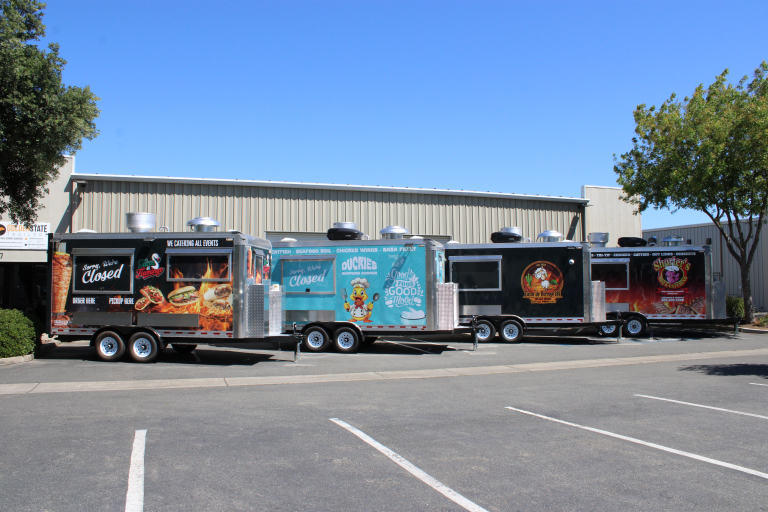
Diners want something quick, fresh, and a little unexpected, and there’s a small thrill in tracking down a truck that just posted its location. A wrapped rig doubles as a billboard wherever it parks, so the marketing rides along for free. Cities have noticed and loosened their rules, which makes opening a food truck smoother than it was five years ago. A food trailer business now fills a gap that sit-down spots simply leave open.
Cost is the first question every owner asks, and the honest answer is that it depends on the build. A bare-bones cart and a custom truck with a full hot line sit at opposite ends of the scale.
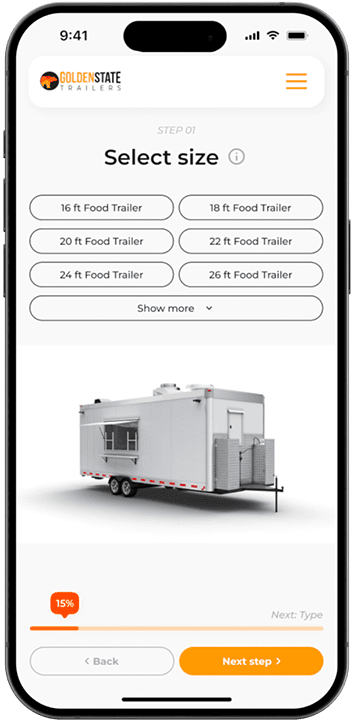
Size leads the list, since a longer trailer carries more surface, more equipment, and more hours to finish. The hot line matters next – a couple of burners and a flat top ask far less than a full lineup of fryers, grills, and refrigeration. Finish, wrap, and the detail in your layout fill in the rest, and that is why food truck costs are so hard to pin to a single figure. Because every build is different, a quote tied to your exact trailer beats any number floating around online. Golden State Trailers prices each food trailer around the specific build, so a quick consultation is the most accurate way to learn where yours will land.
Renting is the lower-risk way in for owners who want to test the water first, and most still ask how much it costs to rent a food truck before they commit. A season behind the window proves whether the concept holds before you sink money into a build of your own. When the idea earns its keep, a trailer sized to your menu pays off faster than a generic rental ever will – that’s where a how to start a food business custom trailer comes in.
Plenty of first-timers skip this part and pay for it later, usually as a bill they never saw coming. A plan is really just you forcing a hard look at the money, the menu, and the marketing before any of it turns expensive. If a loan is ever on the table, the bank will read it before they hand over a cent, so it earns its place twice over. It can run short, as long as it is honest with you about the numbers.
So what actually belongs in one? Name the concept and the customer you are chasing, then get specific about local demand and whoever already feeds that crowd. Lay the first year out in dollars, work out the price and margin on each dish, and be straight about the boring logistics too – who staffs the window, where prep happens, which commissary you lean on, and where the truck rolls each day. Marketing is the last piece, and it answers one plain question: how will anyone know you are open? Give yourself a sales target worth chasing each month, weigh it against the costs standing in the way, and the soft numbers tend to surface early, while they are still cheap to fix.
Get the concept right and a surprising number of other problems shrink; get it wrong and no amount of marketing will dig you back out. Trucks that do well tend to commit to one clear idea rather than hedging across five half-baked ones. Cook something you genuinely love and can fire fast when the line stacks up, since you will end up making it hundreds of times a week. The case for a short menu is bigger than it first looks – a quicker line, far less waste, and a lot less strain on a kitchen roughly the size of a closet.
Say you want to start a taco truck. Five to seven solid items and a rotating special will usually outperform a sprawling board that reads like a sit-down restaurant, and the same holds for burgers, loaded fries, or a good birria – quick to plate, cheap to source, the sort of thing a crowd happily lines up for. Build each dish so it covers food, labor, and a real margin, not just costs, then hand a few plates to friends who will actually tell you when something is off. That kind of honesty is cheap; a dead opening week is anything but.
It is the sort of build Golden State Trailers is set up for – a focused concept, a galley sized to a short menu board, and enough room at the window for two cooks to work without knocking elbows.
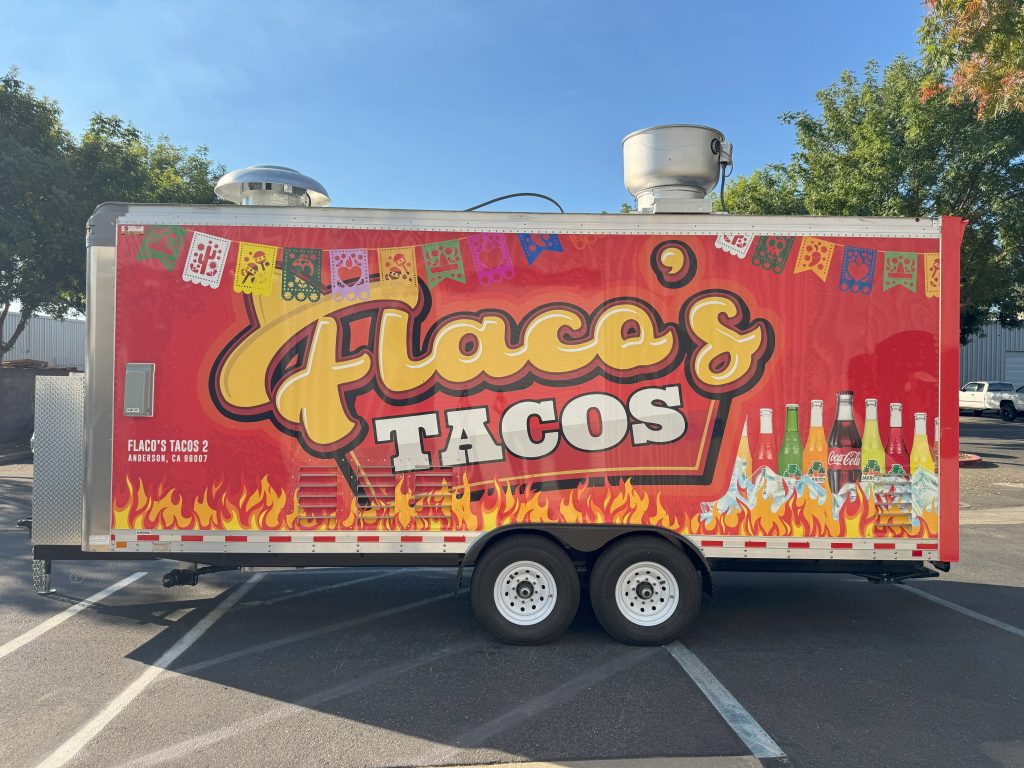
Your menu picks the truck, not the other way around. A full hot line of fryers and grills demands more square footage and more power than a coffee-and-pastry cart ever will, so measure your equipment list before you fall for any rig. Size sets the baseline, the generator has to run everything at once without tripping, and a clean flow from prep to the window saves a hundred small collisions a day. On a used truck, the engine, the brakes, and the kitchen seals all deserve a hard look.
Plenty of owners skip the self-driving truck and tow a trailer instead. Trailers cost less to repair, and you can swap the tow vehicle when it finally gives out. A build matched to your state’s code also clears one of the biggest headaches before it starts; the California-ready food truck license options are a good place to see how that works. Get the layout right and your daily food truck set up turns from a chore into muscle memory.
Both paths have potholes. A new build arrives clean, custom, and under warranty, which buys peace of mind at a higher upfront price. A used rig saves cash and hides surprises in equal measure – the bargain that breaks down on a Saturday erases its own savings in one ruined service.
If you go used, never skip the inspection. A mechanic earns their fee the moment they spot rust, sketchy wiring, or a generator on its last legs. Ask for service records and the truck’s past health inspection results, too. New makes more sense when growth is the plan and the menu is set, since a build fitted to your concept meets local code from day one and skips the retrofit that used trucks so often need.
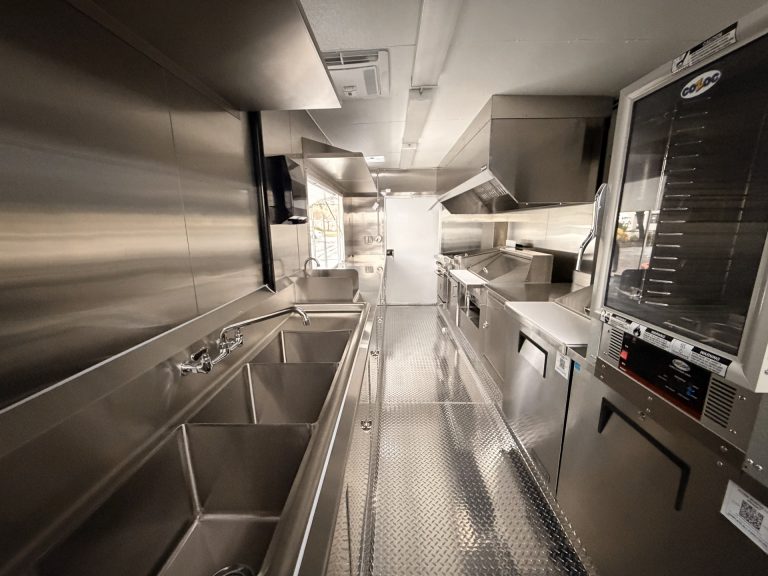
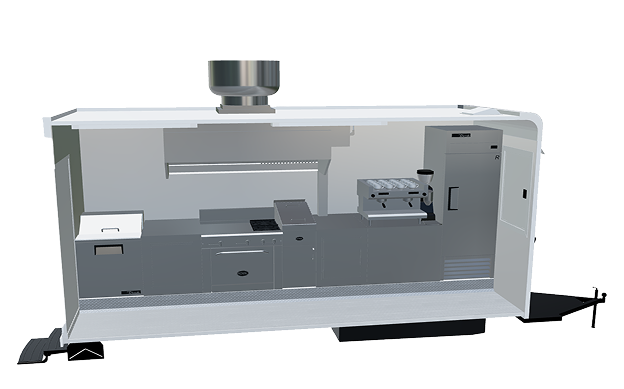
Gear follows the menu, but most kitchens share a backbone. Fryers and grills carry the heavy lifting; refrigerators and a freezer keep inventory fresh and your inspector satisfied; stainless prep tables give you room to work. A three-compartment sink is rarely optional, since most health codes require one for washing, rinsing, and sanitizing. Fire suppression over the hood and a properly cleaned exhaust round out the safety side.
Buy commercial-grade and resist the urge to cut corners here. A home fryer feels like a steal until it quits mid-rush on your busiest Saturday, taking the day’s best sales with it. Map your power draw before you buy, and budget a little more cold storage than feels necessary.
This is where dreams stall on the runway. You need the right food truck license in hand before a single taco leaves the window, and the rules shift from one city to the next, so start the paperwork weeks ahead of your launch. Do you need a food license to sell food? In nearly every case, yes.
The usual stack runs like this: a business license to register the company, a food service permit as your core license for food business operations, a food handler’s permit for you and every staff member, a health department permit for food truck inspections, and a commissary agreement proving you have a licensed prep kitchen. Your local health department writes the food license requirements, so they are your first call, not your last resort. Some states handle it differently – Kansas, for one, issues a food establishment license to vendors – and many areas assign a class 4 food truck rating to full cooking setups. Selling at events adds a wrinkle, since the city and the county often disagree on what permit you need to sell food. When the rules feel murky, call before you guess. A guess is cheap until it shuts you down.
Insurance is the dull line item that quietly saves the business. One fender bender or one slip-and-fall claim can wipe out a young operation, and most lots will not let you park without proof of coverage anyway. General liability handles customer injuries and property claims, and commercial auto covers the truck on the road. Workers’ compensation becomes a legal must the moment you hire, and property coverage replaces gear that walks off or breaks.
Compare a few insurers line by line and bundle policies where it trims the total. A modest premium always beats the bill you never saw coming.
Space is the real adversary inside a truck. A smart layout is the difference between a smooth rush and a four-person traffic jam, so plan the flow from delivery to prep to window and make every inch earn its place. Set fryers and grills near the exhaust hood, keep refrigerators by the prep tables, and stack dry goods high with cold items below.
Vertical storage rescues a cramped truck. Wall racks and overhead shelves turn dead air into usable room, and gear that tucks under the counters keeps the floor clear. Then walk a full service in your head before opening day, turn by turn, and fix the jams while they are still imaginary.
A good point-of-sale system pays for itself in saved minutes. The best ones run on a tablet over cell data and handle orders, card and tap payments, daily totals, and inventory alerts without a fuss. Square and Toast both built mobile-friendly setups that food truck owners lean on; Clover shows up often too. Pick one made for the curb, not a clunky restaurant system bolted onto a counter.
Offline mode is the feature owners forget until they need it. Signal drops at festivals and busy lots, and a system that keeps ringing up sales through the dead zone protects a whole afternoon of revenue. Reporting earns its place as well, since it shows which menu items move and which hours sit quiet. Stash a backup battery and a spare card reader on board. Dead tech means no sales, and a hungry line will not wait for a reboot.
Location can make or wreck a whole day. The corners that work pair hungry crowds with easy parking, and that foot traffic is what turns into sales, so scout before you commit to anywhere. Office parks bring weekday lunch crowds. Breweries and bars send out guests with nowhere of their own to cook, and farmers markets build a base of regulars who turn up week after week.
Local rules come first, every time. Some spots demand a vendor permit or a host agreement. Track your sales by location for a few weeks and the winners reveal themselves, which lets you build a route around your best days. Ready to push into a new region? Here is how to start a food truck business in Washington and beyond.
Fresh ingredients bring people back; tired ones quietly send them elsewhere. Smart sourcing guards your margin at the same time, so buy only what you can sell before it turns. Inventory is where a lot of trucks bleed out without ever noticing the wound.
A few habits keep the leak closed. Track what you use each day, so you learn what sells and what just sits there. Time deliveries to your busy days, rotate older stock to the front, and treat your suppliers well – a vendor who likes you steadies your costs over a season. Bulk buys save money on core items, and a small backup of fast movers keeps you from running dry at the worst moment. Count stock at the end of every shift and adjust the next order – a plain spreadsheet handles it fine.
Your crew is the customer experience, plain and simple. A fast, friendly team turns a first-timer into a regular, while one sour face at the window can undo a great taco. Hire for attitude and train for skill – you can teach the grill, but you cannot teach the smile.
Spell out who cooks, who serves, and who handles cash before the rush, not during it. Drill food handling and clean habits from day one, and run a practice service before a packed event so the choreography is muscle memory by the time it counts. Keep shifts short during marathon festivals to fight burnout, and make sure every single employee carries a food handler’s permit with the records on file. Fair pay and real respect keep good people from walking.
Branding is what people remember after the food is gone. A bold, simple look pulls eyes across a crowded lot, and the name, colors, and logo should all whisper the same thing the food shouts. Keep menu boards clean and easy to read, with a photo or two that makes a passerby hungry.
Social media is the cheapest marketing you will ever run, and on a truck it is close to mandatory. Post your location every single day, show off the specials, and let the food photos carry the message. Tag the city, ride the local hashtags, and reply like a person, not a brand account. The real trick is consistency – same palette, same voice, on the truck and the feed alike. That alignment is how a single-truck operation starts reading like an established name.
Promotion is what fills the line on a slow Tuesday. The whole game is being the first name that surfaces when someone’s stomach growls, which takes steady small moves more than one expensive splash. A first-week launch deal gets people through the window. Local festivals bring fresh faces fast, and a standing gig with a brewery or office park anchors your week.
Repeat business is where the margin lives, so collect emails and phone numbers and use them. A quick text when you park nearby pulls the lunch crowd over, and a simple loyalty card turns a one-time visit into a habit. Ask happy customers for reviews while the meal is still fresh in their minds; a handful of good ones brings in strangers every week. Growing a brand worth promoting eventually means more trucks – browse the how to open food truck business trailer options when that day comes.
Most trucks do not fail on bad food. They fail on avoidable mistakes that look obvious only in hindsight, and learning them now beats paying the tuition later.
Permits trip up the most people. A missing food truck license can shut the whole operation down overnight, so treating that step as an afterthought is a costly gamble. Close behind sits the bloated menu, which slows the line and buries a new owner in waste long before the numbers explain why. Picking a corner on a hunch instead of real foot-traffic data is another classic – a dead corner means a dead register. Then there is the cash cushion nobody keeps, which leaves nothing for the repair bill and the quiet month that always seem to show up together. And plenty of owners treat marketing as optional, right up until the silence shows in the line.
None of the fixes are glamorous. Keep the menu tight until your winners earn their spots. Hold a reserve for the slow stretch. Pull every permit before opening day. Watch the numbers closely enough that trouble surfaces while it is still small. Dull discipline, mostly – which is exactly why it works.
Run it well and a food truck can be genuinely profitable. Margin lives or dies on three levers: the menu, the location, and how tightly you hold costs. The strongest operators turn a comfortable living off a single window, and a well-built plate carries a markup a sit-down kitchen would envy.
Food cost is the number to guard. Keep it near a third of sales and the math has room to breathe; let it creep upward and profit leaks out a dish at a time. Labor is the other quiet drain, worst on the slow shifts. Busy events and private catering gigs lift the margin in a hurry, while a loyal following smooths out the lean weeks every truck hits. Profit grows when you kill waste and price with a little backbone instead of fear – running a food truck well is the real engine behind steady income, not luck.
Here is the part nobody prints on the flyer: the first season humbles almost everyone. The trucks that make it past it stop treating the rig like a hobby with a deep fryer and start running it like the business it is – a little better every week, never all at once.
So keep a buffer for the weeks that disappoint and the repairs that never warn you. Do three things better than anyone parked nearby instead of ten things adequately. Stay square with the health inspector, because one good relationship there outlasts a dozen clever specials. And listen hard to the people at your window; they will tell you what to fix long before a spreadsheet does. The cooking, it turns out, is the easy part. The rest is showing up, paying attention, and refusing to fold on a slow Tuesday. When you are ready to put a real truck under that plan, Golden State Trailers builds the kind of rig that holds up to all of it, mile after mile.
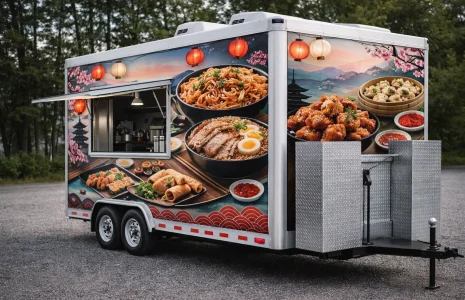 Exploring the World of Asian Cuisine Food Trailers
The culinary landscape is ever-expanding, and mobile food services like Asian cuisine food trailers are at the forefront of this transformation. Diverse in taste and flexible in operation, these trailers bring a range of Asian street foods directly to consumers. As more entrepreneurs dive into the food trailer business, understanding the essentials becomes crucial for […]
Exploring the World of Asian Cuisine Food Trailers
The culinary landscape is ever-expanding, and mobile food services like Asian cuisine food trailers are at the forefront of this transformation. Diverse in taste and flexible in operation, these trailers bring a range of Asian street foods directly to consumers. As more entrepreneurs dive into the food trailer business, understanding the essentials becomes crucial for […]
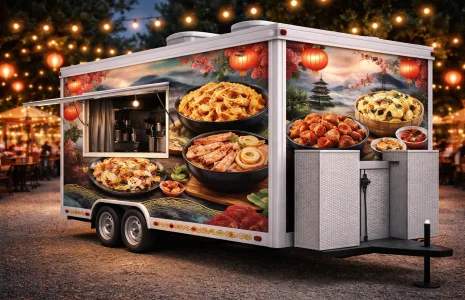 Why Choose Asian Cuisine Food Trailers for Your Business
In recent years, Asian cuisine food trailers have become a significant trend in the mobile food industry. Offering diverse and rich flavors from different parts of Asia, these trailers cater to a growing consumer demand for exotic and authentic culinary experiences. If you’re considering venturing into the food business, Asian cuisine food trailers provide a […]
Why Choose Asian Cuisine Food Trailers for Your Business
In recent years, Asian cuisine food trailers have become a significant trend in the mobile food industry. Offering diverse and rich flavors from different parts of Asia, these trailers cater to a growing consumer demand for exotic and authentic culinary experiences. If you’re considering venturing into the food business, Asian cuisine food trailers provide a […]
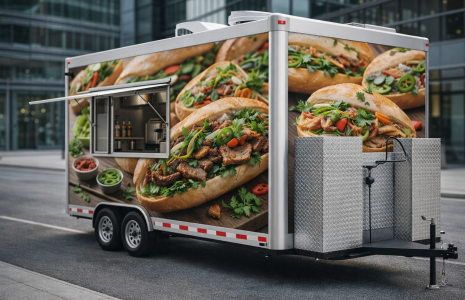 Launching Your Banh Mi Food Trailer: A Guide to Success
Understanding the Banh Mi Market Trend The Banh Mi food trend has captivated the culinary scene with its blend of crisp baguettes, flavorful meats, and vibrant vegetables. Originating from Vietnam, Banh Mi sandwiches have become a beloved street food across the globe. This unique culinary offering combines French and Vietnamese influences, perfect for those seeking […]
Exploring the World of Asian Cuisine Food Trailers
The culinary landscape is ever-expanding, and mobile food services like Asian cuisine food trailers are at the forefront of this transformation. Diverse in taste and flexible in operation, these trailers bring a range of Asian street foods directly to consumers. As more entrepreneurs dive into the food trailer business, understanding the essentials becomes crucial for […]
Why Choose Asian Cuisine Food Trailers for Your Business
In recent years, Asian cuisine food trailers have become a significant trend in the mobile food industry. Offering diverse and rich flavors from different parts of Asia, these trailers cater to a growing consumer demand for exotic and authentic culinary experiences. If you’re considering venturing into the food business, Asian cuisine food trailers provide a […]
Launching Your Banh Mi Food Trailer: A Guide to Success
Understanding the Banh Mi Market Trend The Banh Mi food trend has captivated the culinary scene with its blend of crisp baguettes, flavorful meats, and vibrant vegetables. Originating from Vietnam, Banh Mi sandwiches have become a beloved street food across the globe. This unique culinary offering combines French and Vietnamese influences, perfect for those seeking […]
Launching Your Banh Mi Food Trailer: A Guide to Success
Understanding the Banh Mi Market Trend The Banh Mi food trend has captivated the culinary scene with its blend of crisp baguettes, flavorful meats, and vibrant vegetables. Originating from Vietnam, Banh Mi sandwiches have become a beloved street food across the globe. This unique culinary offering combines French and Vietnamese influences, perfect for those seeking […]
Exploring the World of Asian Cuisine Food Trailers
The culinary landscape is ever-expanding, and mobile food services like Asian cuisine food trailers are at the forefront of this transformation. Diverse in taste and flexible in operation, these trailers bring a range of Asian street foods directly to consumers. As more entrepreneurs dive into the food trailer business, understanding the essentials becomes crucial for […]
Why Choose Asian Cuisine Food Trailers for Your Business
In recent years, Asian cuisine food trailers have become a significant trend in the mobile food industry. Offering diverse and rich flavors from different parts of Asia, these trailers cater to a growing consumer demand for exotic and authentic culinary experiences. If you’re considering venturing into the food business, Asian cuisine food trailers provide a […]
Launching Your Banh Mi Food Trailer: A Guide to Success
Understanding the Banh Mi Market Trend The Banh Mi food trend has captivated the culinary scene with its blend of crisp baguettes, flavorful meats, and vibrant vegetables. Originating from Vietnam, Banh Mi sandwiches have become a beloved street food across the globe. This unique culinary offering combines French and Vietnamese influences, perfect for those seeking […]