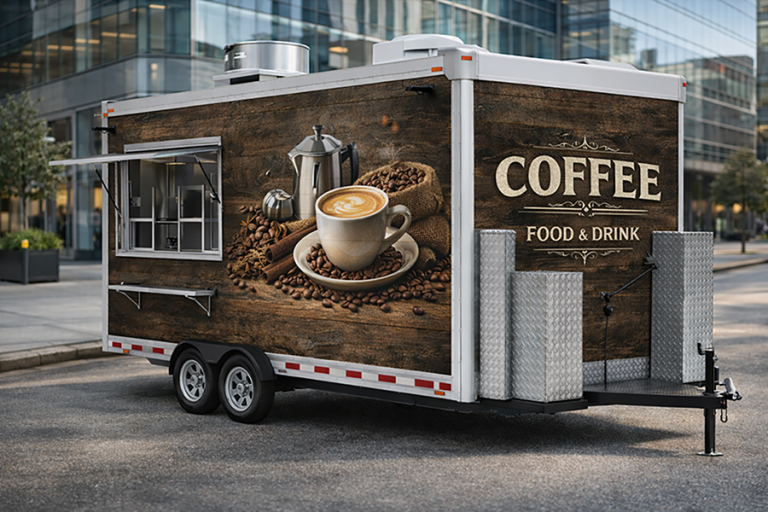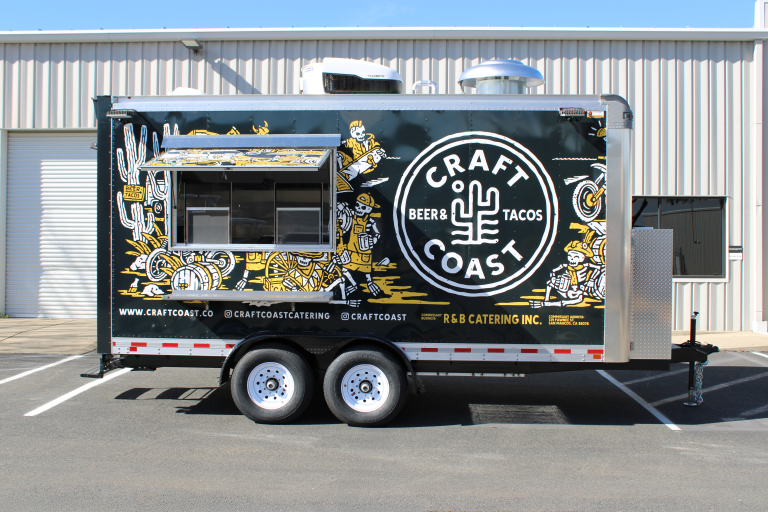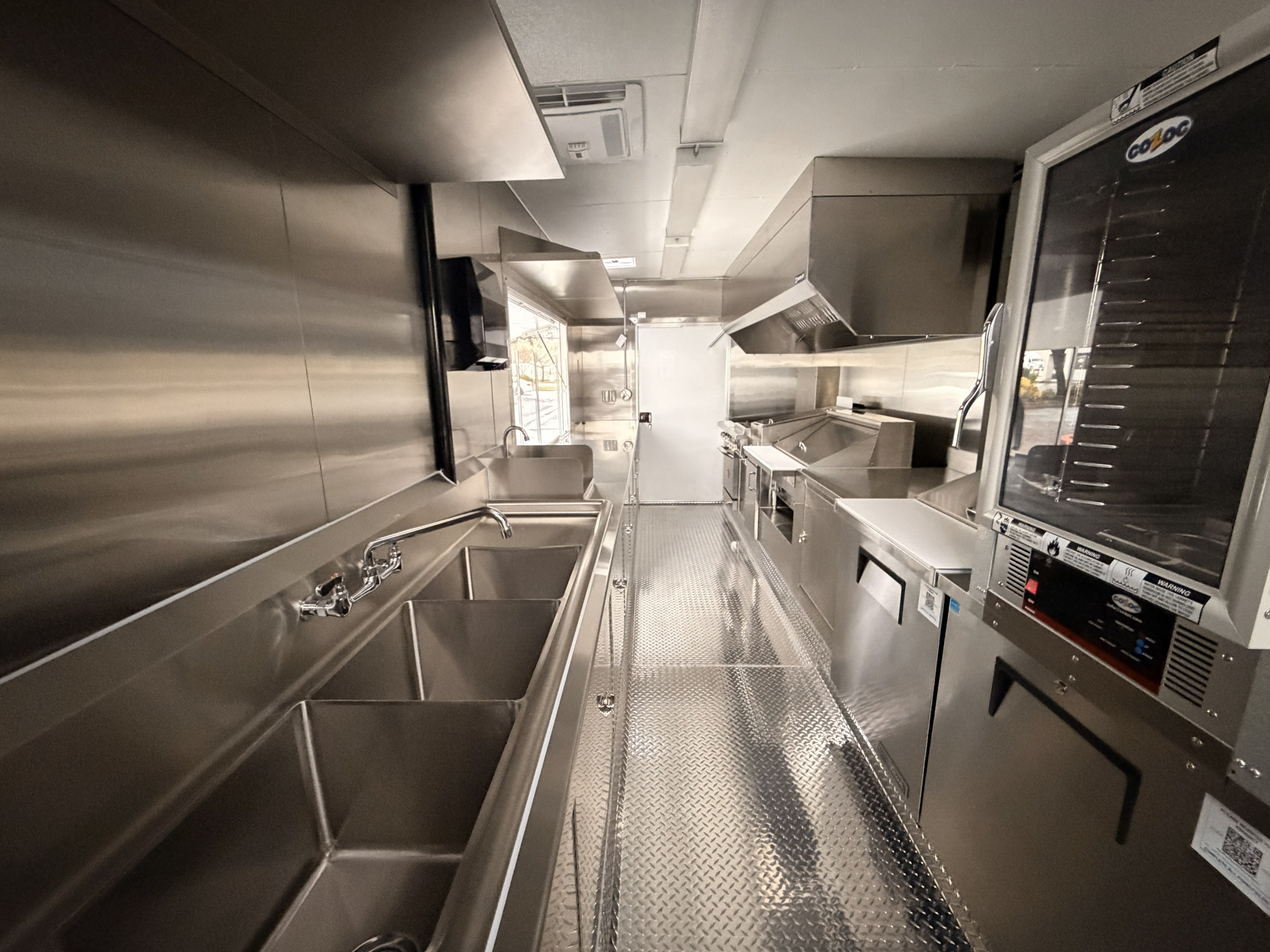
Are you planning to start a food truck? The most important thing when it comes to a mobile kitchen is choosing the right equipment. Every detail regarding the layout and quality of the equipment matters when it comes to passing inspections. One wrong choice could bring your business to a halt on your busiest day. This guide covers food truck equipment from stoves to generators.
Food truck supplies are everything needed to turn a trailer into a fully functional commercial kitchen. Stoves, refrigerators, ventilation, electrical systems, plumbing, and fire suppression systems. The equipment must function as a single integrated system within a limited space. Every piece of mobile food truck equipment must be rated for commercial use.
The right food trailer equipment affects three key factors:
Most operators who failed the inspection or had to shut down due to breakdowns had selected their food truck kitchen equipment without prior planning.
What you need for a food truck depends on what and how much you cook each day. Two food trucks with the same menu may have different food truck equipment list. It all depends on the scale of your operation, the number of staff, and the requirements of your local health department.
Before you buy the equipment, you need to answer a few questions.
These three answers determine the entire food truck equipment list. Think of it as your food truck essentials checklist before you spend a single dollar. From the required stove power to the size of the water tank.
Preparing the ingredients takes longer than the actual cooking. Slow prep work ties up the entire kitchen during peak hours. The right food prep equipment solves this problem in advance.
Stainless steel prep tables are built to withstand the rigors of daily commercial use. Stainless steel does not absorb odors and is easy to clean. The minimum size for a single worker is 30 x 60 inches. Your food truck equipment layout determines how fast your team moves during service.
You need separate cutting boards for each type of food. You need different boards for meat, vegetables, and prepared foods. This is a requirement of most health departments, not just a recommendation. Knife racks and magnetic knife strips keep your utensils within easy reach. In a compact kitchen, every inch of space counts.
Food processors can cut down on cooking time by a factor of several times. If your menu includes sauces or requires a lot of chopping, they’re a must-have.
You need French fry cutters if you sell potatoes. That’s because cutting large quantities of potatoes by hand is very difficult and time-consuming.
Not every food trailer needs a blender. It all depends on your menu. If you plan to serve smoothies or milkshakes, then you should choose a professional blender. But if you’re planning a burger food trailer, you won’t need a blender or a compact stand mixer at all. Food trailer appliances should be selected strictly based on the menu.
An important part of every inspection is checking food temperatures. Infrared thermometers let you do this in a second without touching the food. Most health departments will note in their report if there is no thermometer.
Measuring cups, mixing bowls, spatulas and tongs are essential in every kitchen. But a mobile kitchen requires commercial food prep equipment that won’t wear out after a few weeks of daily use.
Check for certifications before purchasing food preparation equipment. Use a food truck equipment checklist to make sure nothing is missing before construction starts. Your food truck supply list should include every item from knives to sanitizing chemicals. Without an NSF certification for the equipment, your custom food trailer will be shut down.
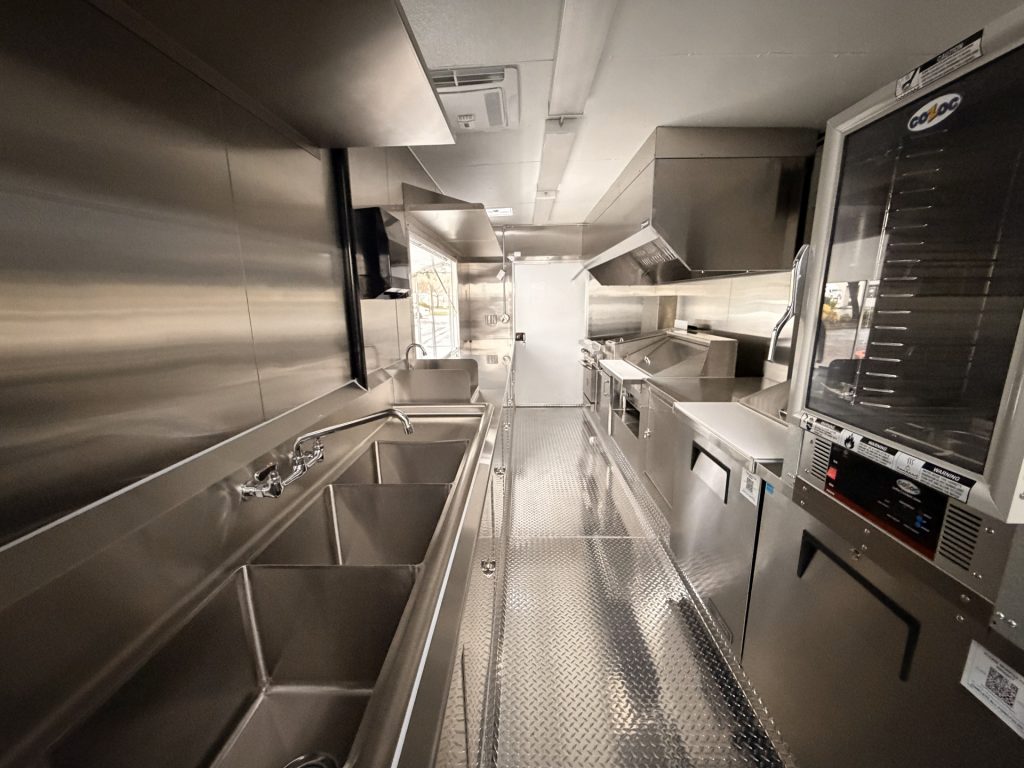
The speed of service and the quality of the food depend on choosing the right food truck cooking equipment. The wrong equipment leads to long lines and wasted food.
Countertop grills and charbroilers are a popular choice for burger joints and meat-focused restaurants. A commercial charbroiler provides even heat across the entire surface. Household grills are not designed for continuous operation for 8-10 hours.
Skillets and frying pans are essential for most menus. Choose heavy-duty commercial models with thick bottoms. They maintain a consistent temperature even under heavy use.
The less oil there is in the deep fryer, the faster it cools down after each batch. Commercial deep fryers with a 40-pound oil capacity are best suited for food truck cooking equipment. That’s why they’re a staple for any menu featuring fries or chicken.
A conventional oven dries out food from the bottom. Convection ovens have fans that distribute heat evenly. This ensures that food in a food trailer cooks quickly and evenly. Compact ovens are suitable for a 16-18ft compact food truck.
You’ll need a microwave oven to heat up food in a mobile kitchen. No one actually cooks in it, but you’ll need a commercial food truck appliance rated at 1,000 watts or more. That’s because a standard household microwave won’t last even a month.
Panini presses, rice cookers, steamers, and cheese melters should be chosen based on your specific menu. Don’t buy equipment you won’t use every day. Unnecessary equipment takes up space and increases your electricity bill.
Pizza food truck equipment requires a deck oven or a conveyor oven. A standard convection oven will not produce the desired crust.
All food truck cooking equipment must comply with NSF and ETL standards. This is a requirement of most health departments during the initial inspection. Equipment without certification will be shut down until the violations are corrected. The same standards apply to concession trailer equipment across most states.
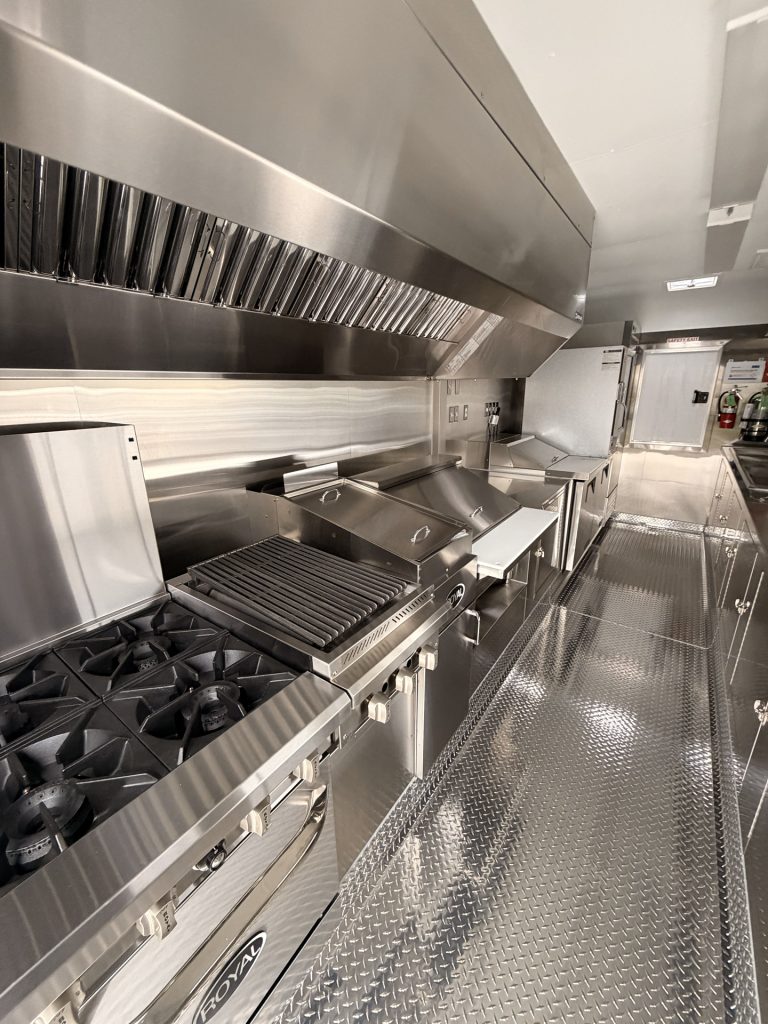
Food truck ventilation is the first thing inspectors look for. An improperly sized hood, clogged filters, and the lack of a certificate for the fire suppression system will shut down the trailer’s operations. Plan your ventilation system before construction begins, not after. A proper food trailer setup starts with ventilation, not with cooking equipment.
When cooking, smoke and grease rise above the stove. An exhaust hood is needed to draw all of this upward and vent it outside. Without it, grease will settle on the walls and ceiling. This violates health and safety regulations and can cause fires.
There are grease filters inside the hood. They act like sponges, trapping grease particles. They need to be cleaned regularly, because clogged filters don’t let air through. Grease builds up and can catch fire.
A grease capture system collects grease that drains from the filters. Without it, grease would drip onto the floor and equipment. Most states require it as a mandatory component.
The hood must cover the entire cooking area. It must extend at least 6 inches beyond the edges of the equipment on each side. If the hood is smaller, grease and smoke will escape directly into the room.
Hood capacity is measured in CFM. Most food truck hood systems require between 300 and 600 CFM. Deep fryers and charbroilers require more than a standard stove. Calculate the CFM for each piece of equipment separately.
A kitchen fire can spread in a matter of seconds. A fire suppression system must be installed directly above the cooking area so that it activates automatically. Most states require a system certified in accordance with NFPA 17A. Inspectors always check the installation certificate and the date of the last service. Without a valid certificate, the trailer will not be granted an operating permit.
When selecting food trailer equipment, design the hood, filters, and fire suppression system as a single integrated system. If you select these components separately, you increase the risk of incurring additional costs.
Commercial refrigeration is necessary for food storage and food safety control. Incorrect or unstable temperatures lead to rapid food spoilage. This is a very serious violation during inspections.
There are various types of food truck refrigerators. The choice depends on your menu and kitchen layout.
All food truck appliances units must maintain a temperature below 41°F. This is a standard FDA requirement for the proper storage of perishable foods. If the temperature is found to be above this limit during an inspection, it is considered a violation.
Choose models with a digital thermostat and an external temperature display so you can monitor the temperature without opening the door. This is because every time the door is opened, the internal temperature rises by 2-5°F.
Pay attention to energy consumption. Refrigeration equipment runs continuously. It accounts for 30% to 50% of the trailer’s total electrical load.
When shopping for food truck appliances for your trailer, you need to consider capacity, energy consumption, and the requirements of your menu. Quality food truck refrigeration equipment runs continuously without temperature drops.
The food is ready. Now it needs to be served quickly and properly. Food truck serving equipment is everything that stands between the kitchen and the customer.
Stock up on all the right food truck accessories before opening day.
Get everything ready for the opening. The first day of business will reveal what’s missing. It’s better to know this in advance than to have to stop in the middle of the workday.
A clean kitchen isn’t just about appearances. It’s about being able to operate. Health inspectors look first and foremost at the kitchen’s sanitary conditions. Most operators who receive fines have relatively clean kitchens. Any one of the following violations can result in the establishment being shut down on the same day.
A kitchen that meets health and safety standards passes inspection without any issues.
Delicious food is certainly important, but for a customer to try it, they need to notice you among dozens of others. Food truck signage creates the customer’s first impression and encourages them to come over and place an order.
A trailer with a striking design and an active social media presence sells the product even before the customer has tasted the first dish.
Without the proper equipment, the health department won’t issue a permit. The trailer simply won’t open. This isn’t about an inspection. It’s about the right to operate.
A trailer built to meet your food truck equipment for sale in the region passes inspection on the first try. Get everything ready before the inspector’s first visit, not after it.
The trailer’s electrical system powers every piece of equipment. The stove, refrigerator, ventilation, and lighting are all connected to the same circuit. This means that if the circuit is designed incorrectly, all the equipment will stop working at the same time.
Shore power allows you to connect to an external power grid at stationary locations. This saves fuel and reduces noise.
The trailer’s electrical system is not the place to cut corners. An incorrect load calculation can bring operations to a halt on the busiest day.
Space in a trailer is limited. Every inch has to count. Poor storage organization slows down kitchen operations and creates clutter while you work.
The trailer’s comfortable layout ensures smooth operations for the staff. They can focus on cooking rather than searching for the necessary ingredients and equipment.
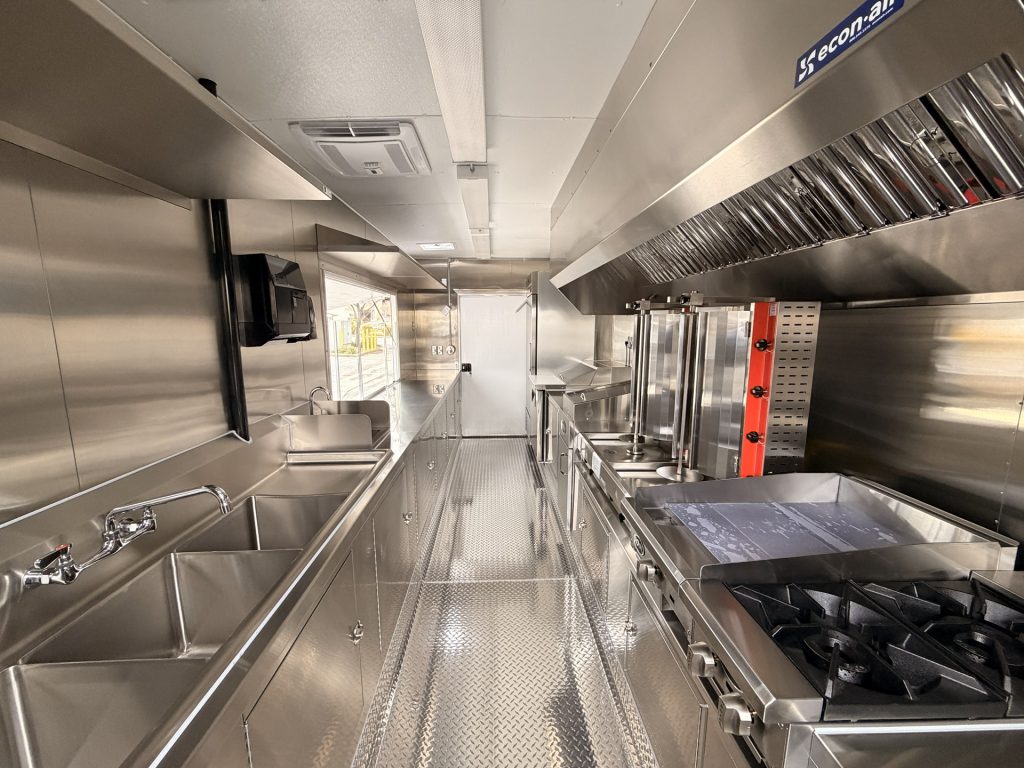
How much does food truck equipment cost depends on your menu, volume, and equipment quality.The budget for equipment depends on what you’re cooking, how many people you plan to serve each day, and the quality of equipment you choose.
Cooking equipment costs between $3,000 and $15,000. A pizzeria with a deck oven costs more than a burger joint with a grill.
The total budget for a food truck equipment list and costs starts at $50,000. Smaller concepts like food cart equipment start at a lower price point.
Food truck equipment costs at least $50,000. Not everyone can pay the full amount up front, so there are three ways to spread out the costs.
Food truck equipment financing is when a supplier or bank pays for the equipment up front, and you pay it back in installments. The term ranges from 12 to 60 months. Most suppliers offer these programs specifically for new operators. Compare food truck equipment suppliers before signing any purchase agreement.
A flexible payment plan is like renting equipment. You make monthly payments, but the equipment isn’t yours until the end of the term. The upfront costs are lower than if you were to buy it outright. However, over the entire lease term, you end up paying more than if you had bought it outright. It’s a good option if you don’t have enough capital to get started right now.
Some states provide startup funding to small businesses. Grants do not need to be repaid at all. Subsidized loans are repaid at low interest rates ranging from 0% to 3%. California, Texas, and Florida have active support programs for food trailer operators. Compare your state’s programs before signing any contracts with suppliers.
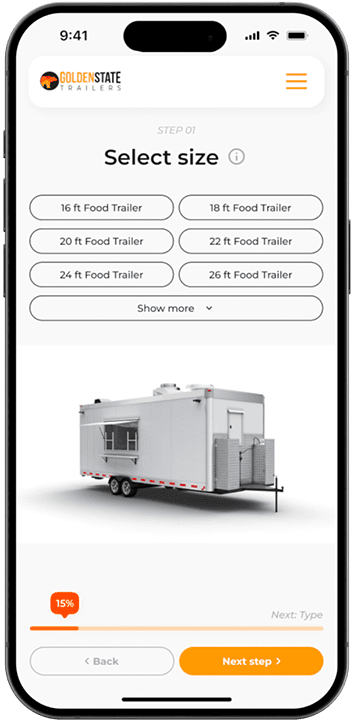
Calculate the exact food truck equipment cost for your menu using our online 3D configurator. It’s free and takes less than 10 minutes.
The right equipment isn’t necessarily the most expensive brands. An expensive brand doesn’t guarantee that the equipment will pass inspection or handle your workload. It’s important that the equipment matches your menu, service volume, and the requirements of your jurisdiction.
Operators who plan their equipment before construction begins spend less money. They don’t have to make electrical modifications after installation. They don’t have to replace a hood that turns out to be too small. They don’t have to buy new equipment to replace items that fail inspection. Their custom food trailer opens on time and without additional costs.
Three things to keep in mind. These are the food truck must haves that every operator needs before opening day.
A food truck isn’t just a kitchen on wheels. It’s a business that needs to run smoothly every day. The equipment you choose today will determine the reliability of your business for years to come.
Browse our ready-made designs and start planning your food truck equipment for sale. Or open our 3D configurator right away and design your trailer online.
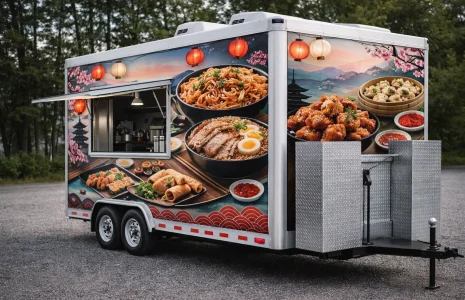 Exploring the World of Asian Cuisine Food Trailers
The culinary landscape is ever-expanding, and mobile food services like Asian cuisine food trailers are at the forefront of this transformation. Diverse in taste and flexible in operation, these trailers bring a range of Asian street foods directly to consumers. As more entrepreneurs dive into the food trailer business, understanding the essentials becomes crucial for […]
Exploring the World of Asian Cuisine Food Trailers
The culinary landscape is ever-expanding, and mobile food services like Asian cuisine food trailers are at the forefront of this transformation. Diverse in taste and flexible in operation, these trailers bring a range of Asian street foods directly to consumers. As more entrepreneurs dive into the food trailer business, understanding the essentials becomes crucial for […]
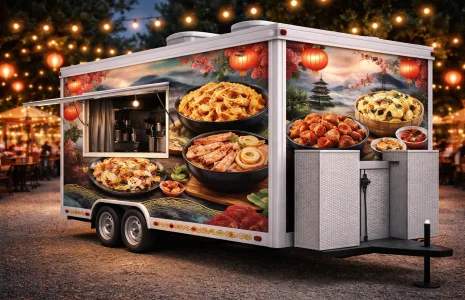 Why Choose Asian Cuisine Food Trailers for Your Business
In recent years, Asian cuisine food trailers have become a significant trend in the mobile food industry. Offering diverse and rich flavors from different parts of Asia, these trailers cater to a growing consumer demand for exotic and authentic culinary experiences. If you’re considering venturing into the food business, Asian cuisine food trailers provide a […]
Why Choose Asian Cuisine Food Trailers for Your Business
In recent years, Asian cuisine food trailers have become a significant trend in the mobile food industry. Offering diverse and rich flavors from different parts of Asia, these trailers cater to a growing consumer demand for exotic and authentic culinary experiences. If you’re considering venturing into the food business, Asian cuisine food trailers provide a […]
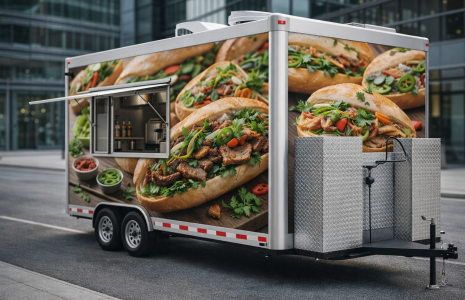 Launching Your Banh Mi Food Trailer: A Guide to Success
Understanding the Banh Mi Market Trend The Banh Mi food trend has captivated the culinary scene with its blend of crisp baguettes, flavorful meats, and vibrant vegetables. Originating from Vietnam, Banh Mi sandwiches have become a beloved street food across the globe. This unique culinary offering combines French and Vietnamese influences, perfect for those seeking […]
Exploring the World of Asian Cuisine Food Trailers
The culinary landscape is ever-expanding, and mobile food services like Asian cuisine food trailers are at the forefront of this transformation. Diverse in taste and flexible in operation, these trailers bring a range of Asian street foods directly to consumers. As more entrepreneurs dive into the food trailer business, understanding the essentials becomes crucial for […]
Why Choose Asian Cuisine Food Trailers for Your Business
In recent years, Asian cuisine food trailers have become a significant trend in the mobile food industry. Offering diverse and rich flavors from different parts of Asia, these trailers cater to a growing consumer demand for exotic and authentic culinary experiences. If you’re considering venturing into the food business, Asian cuisine food trailers provide a […]
Launching Your Banh Mi Food Trailer: A Guide to Success
Understanding the Banh Mi Market Trend The Banh Mi food trend has captivated the culinary scene with its blend of crisp baguettes, flavorful meats, and vibrant vegetables. Originating from Vietnam, Banh Mi sandwiches have become a beloved street food across the globe. This unique culinary offering combines French and Vietnamese influences, perfect for those seeking […]
Launching Your Banh Mi Food Trailer: A Guide to Success
Understanding the Banh Mi Market Trend The Banh Mi food trend has captivated the culinary scene with its blend of crisp baguettes, flavorful meats, and vibrant vegetables. Originating from Vietnam, Banh Mi sandwiches have become a beloved street food across the globe. This unique culinary offering combines French and Vietnamese influences, perfect for those seeking […]
Exploring the World of Asian Cuisine Food Trailers
The culinary landscape is ever-expanding, and mobile food services like Asian cuisine food trailers are at the forefront of this transformation. Diverse in taste and flexible in operation, these trailers bring a range of Asian street foods directly to consumers. As more entrepreneurs dive into the food trailer business, understanding the essentials becomes crucial for […]
Why Choose Asian Cuisine Food Trailers for Your Business
In recent years, Asian cuisine food trailers have become a significant trend in the mobile food industry. Offering diverse and rich flavors from different parts of Asia, these trailers cater to a growing consumer demand for exotic and authentic culinary experiences. If you’re considering venturing into the food business, Asian cuisine food trailers provide a […]
Launching Your Banh Mi Food Trailer: A Guide to Success
Understanding the Banh Mi Market Trend The Banh Mi food trend has captivated the culinary scene with its blend of crisp baguettes, flavorful meats, and vibrant vegetables. Originating from Vietnam, Banh Mi sandwiches have become a beloved street food across the globe. This unique culinary offering combines French and Vietnamese influences, perfect for those seeking […]