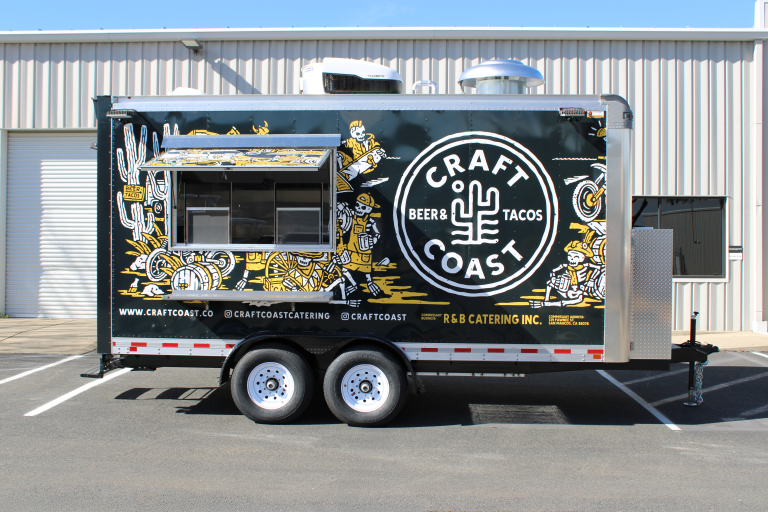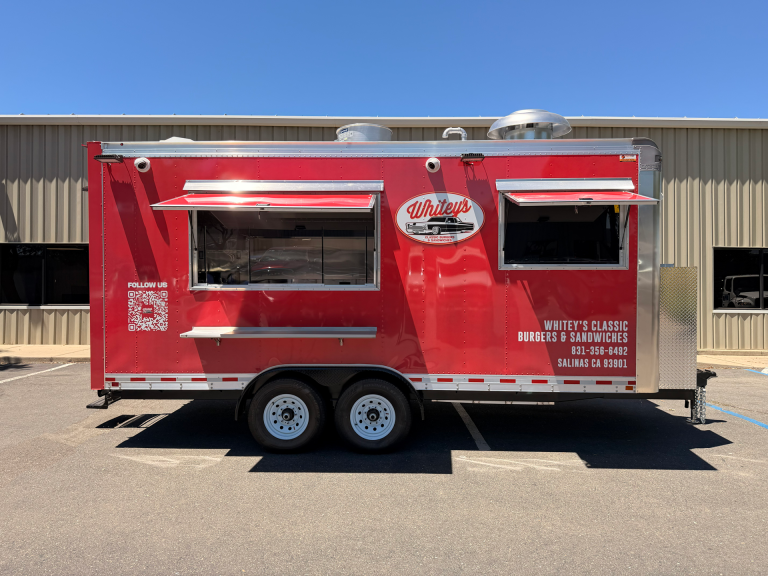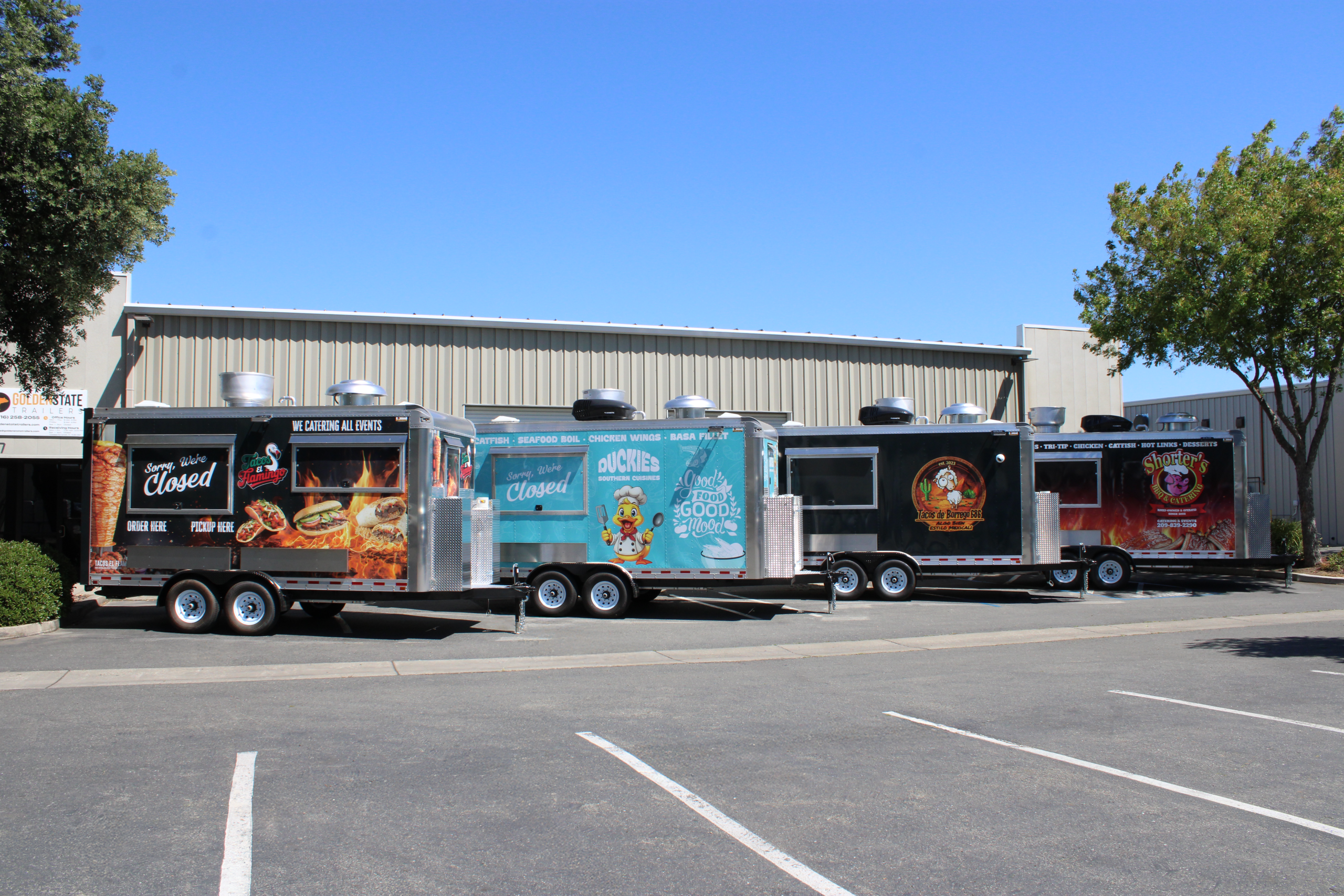
A food truck rolls into a busy lot, and the wrap registers before the menu does. That first visual hit is the whole reason food truck wraps exist: they sell a brand in the seconds before anyone reads a word. Depending on the moment, the same wrap works as a billboard, a first impression, or a quiet invitation to eat. This guide walks through what shapes the price of a wrap, how the design itself affects sales, and where owners tend to slip up. Color, vinyl grades, common missteps, and the kind of food truck wrapping that earns its keep all come up along the way.
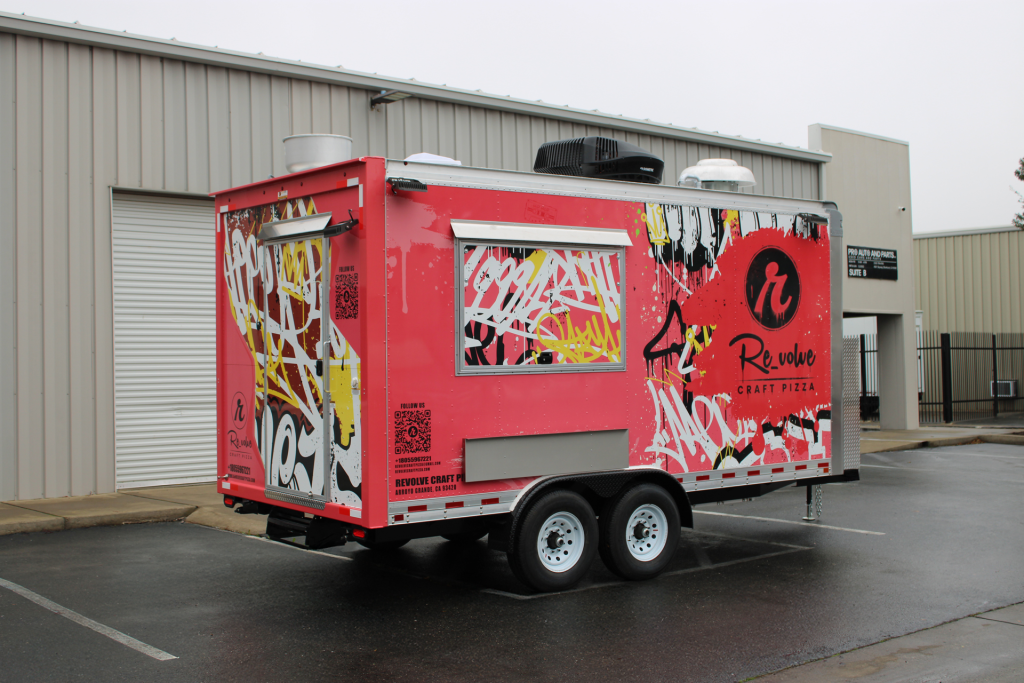
Long after the shift ends, a wrap keeps working. A wrap for food truck owners behaves like a salesperson who never leaves the clock. Parked, driving, or sitting at a festival overnight, the truck advertises on its own. Industry studies put a single wrapped vehicle at tens of thousands of daily views, a reach that printed flyers rarely touch. Numbers aside, there is a quieter effect at play. A well-kept wrap signals that the food behind it is worth a stop, while peeling paint and a taped-up menu hint at the opposite. Customers lean toward the truck that looks cared for. Color, logo, and a strong photo of the signature dish carry that message before the service window even opens.
A quick summary covers the essentials before the detail:
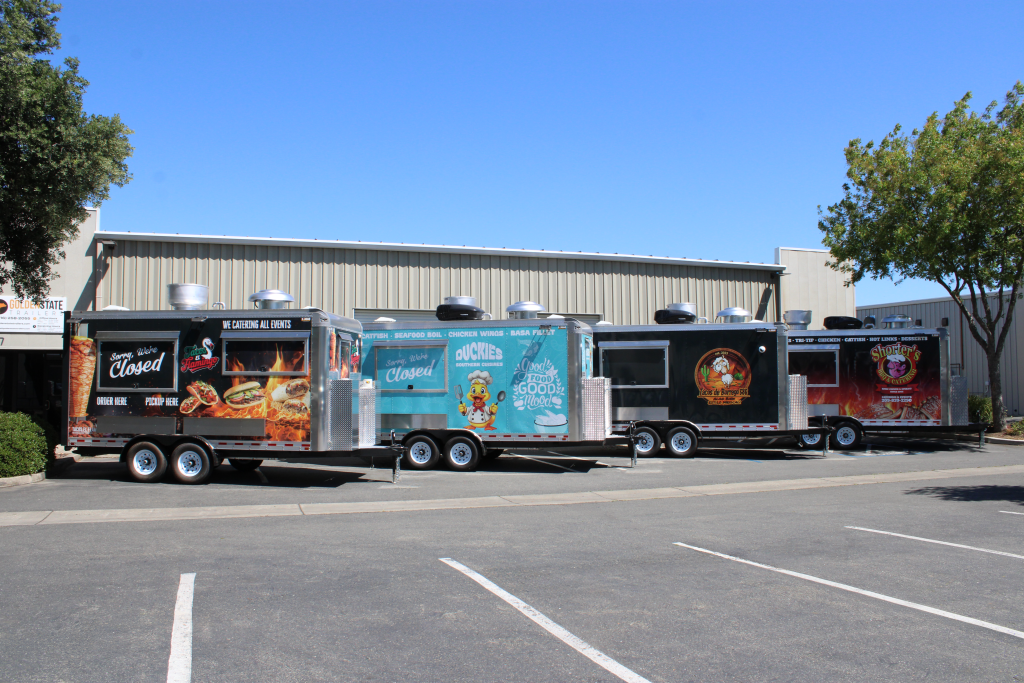
Cost is usually the first thing an owner asks about, and the honest answer is that it varies. Golden State Trailers builds to order, so a wrap is priced around the specific trailer rather than a fixed list. People phrase the question in different ways – how much to wrap a food truck, how much is it to wrap a food truck, or how much does it cost to wrap a food truck – yet the answer always comes down to a few variables. Size leads, since a 16-foot trailer carries far less surface than a 30-foot one. What food truck wraps cost also tracks vinyl grade, finish, and the detail in the artwork. Food truck wrapping cost, in other words, follows the build. Pinning down a food truck wrap cost starts with a quick food truck wrapping consultation tied to your exact build.
Two trailers of the same length can still land at different prices, and a handful of factors explain the gap. Together they shape every food trailer wrap cost.
Vinyl is measured by the square foot, so the trailer’s dimensions set the baseline. The lineup runs from 16 feet up to 30 feet, and every step adds surface to cover. Curves, rivets, and serving windows pile on labor, because the installer works around each one. Put simply, a longer trailer asks for more material and more hours.
Artwork is the next variable. A two-color layout with a logo comes together quickly. A hand-illustrated scene with gradients and a custom mascot takes far longer at the drafting table. Every extra color and fine detail stretches the design time. Reusing an existing logo trims that effort and keeps the project leaner.
Material grade shapes durability and price together. Cast vinyl is thin and flexible, hugging curves for years. Calendered vinyl is more affordable and performs best on flat panels. Over the top, a UV-laminated vinyl layer shields color through long hours of sun. Finish rounds things out, with a glossy or matte finish as the two usual options.
Installation is a category of its own. Rates shift by region, so a shop in a major metro generally charges more than one in a smaller town. Quality matters more than the quote, though, since a rushed install can bubble or peel within a season. Skilled hands protect the whole investment.
Coverage is the final lever. A full truck wrap spans every panel for a seamless look. A partial wrap concentrates on the high-visibility sides and back. Spot graphics drop a logo or vinyl lettering onto an otherwise bare surface. Less coverage means a smaller project and a smaller share of the truck working as advertising.
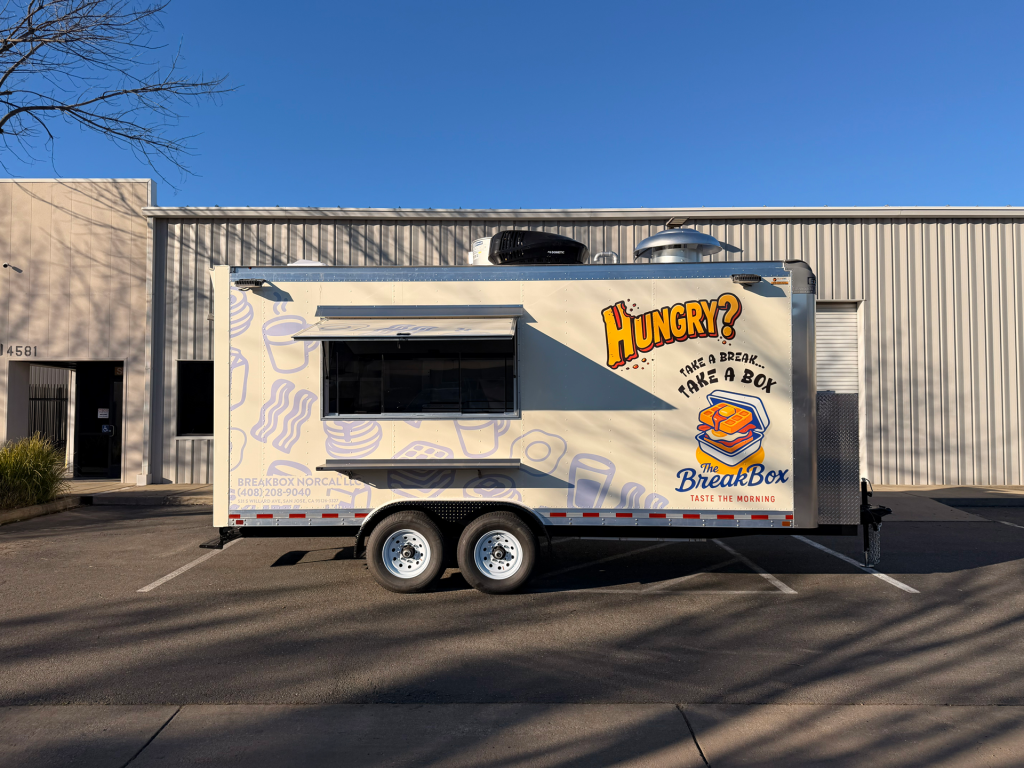
Good design affects revenue, not just looks. The points below reflect what tends to work.
Roughly three seconds is all a passerby gives a truck, so legibility comes first. One bold typeface for the name outreads any decorative script. Two or three colors hold together better than a crowded palette. For early drafts, a free food truck logo maker is handy before anything reaches the printer. White space, easy to overlook, quietly keeps the whole design readable.
One photograph of the strongest dish pulls more eyes than text alone. A full menu printed across the wrap tends to overwhelm. Two or three signature items get the concept across faster. Real food photography simply reads as more credible than stock illustration.
Drivers, pedestrians, and people across several lanes all see the truck from different spots. Putting the name and logo on all four sides covers those angles. Key information sits best above the height of a standing crowd. A glance from about twenty feet away shows whether the text still holds.
Contact details give an interested customer a way back. A website, phone number, and social handle at a readable size cover the basics. Lately, a QR code linking to the weekly schedule has become a common and useful touch. Small additions like these turn a single visit into repeat business.
A wrap reads best when it echoes the website and social feeds. A shared palette, logo, and visual style tie the channels together. That alignment between the truck and the online presence builds recognition over time. A single-truck operation can end up reading like an established brand.
A wrap is a real investment, and basic upkeep protects it. Routine care keeps both color and adhesion intact.
Hand washing treats a wrap more gently than an automated bay. Mild soap, warm water, and a soft microfiber cloth handle most of the job. Grease, insect residue, and road film come off easier before they harden. A clean towel afterward prevents water spotting. Good lamination shrugs off frequent washing, and shaded parking slows sun fade.
A few habits shorten a wrap’s life. The most common ones appear below:
Steering clear of these keeps a wrap presentable for years.
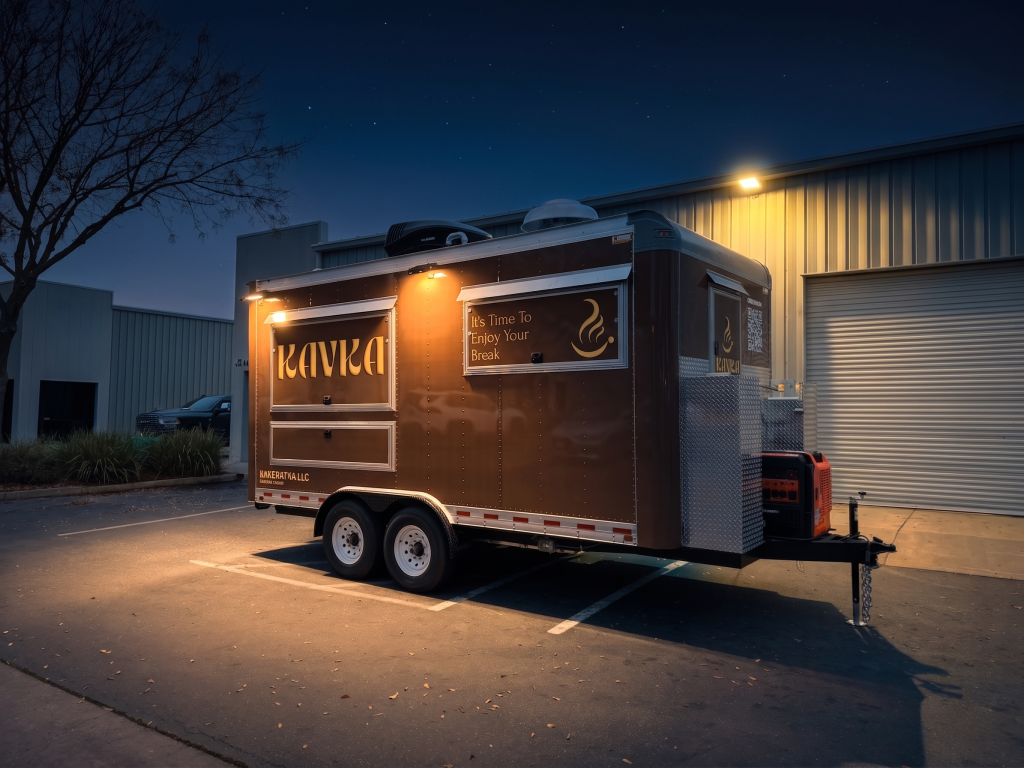
Most first-time owners pick up a few lessons the hard way. The common ones are worth knowing in advance.
Five to seven years is the usual life of a wrap before color starts to fade. Vinyl grade, local climate, and upkeep all push that number around. Premium cast films outlast budget alternatives by a wide margin. Harsh sun, desert heat, and coastal salt air all shorten the clock. A truck parked in a hot, open lot fades faster than one kept under cover. A UV-laminated layer slows that decline noticeably. With gentle washing and shaded parking, color stays steady for a long run. When a wrap finally wears out, a fresh one is among the simplest ways to refresh a brand.
Vinyl grade is what separates a wrap that ages well from one that fails early. Three brands have earned their reputations:
All three offer cast vinyl options that pair well with a UV-laminated overlay. The exact film a shop runs is worth confirming up front. A higher grade asks for a little more at the start and lowers the odds of an early reprint.
Few advertising formats match a wrap for efficiency. Vehicle wrap advertising carries some of the lowest costs in the category. In city traffic, a single wrapped truck draws 30,000 to 70,000 views a day, reaching a fresh audience at nearly every stop. The math lands near $0.48 per thousand impressions, the lowest figure among out-of-home formats. A billboard, by comparison, runs about $3.56, and transit ads about $7.45. A joint OAAA and Nielsen study even ranked wrapped vehicles the most-noticed moving format in out-of-home advertising. Once the upfront work is done, food truck wraps keep advertising at no added expense, mile after mile.
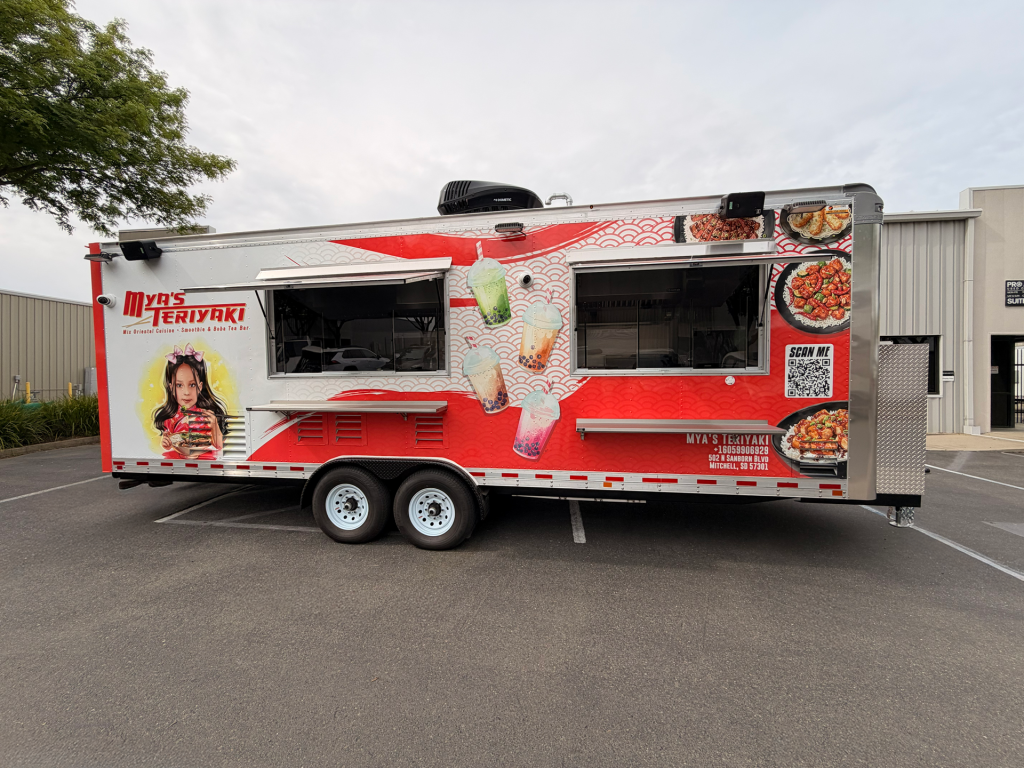
A wrap is the first thing a customer meets, which makes it worth getting right. Durable vinyl, a legible layout, and a finish suited to the road form the foundation. Carrying the colors and logo across the website and social feeds keeps the brand coherent. Over several years, a wrap earns back its cost through steady exposure and a presence people remember. Whether the project is full, partial, or spot graphics, clarity wins out over clutter. From there, the practical steps are a trusted installer, a realistic budget, and a design that represents the business well on the road.
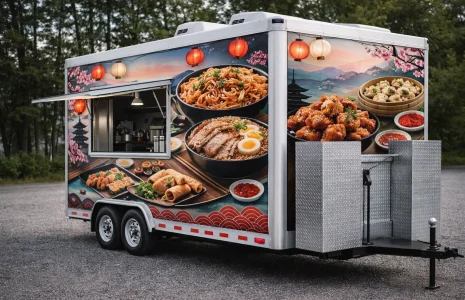 Exploring the World of Asian Cuisine Food Trailers
The culinary landscape is ever-expanding, and mobile food services like Asian cuisine food trailers are at the forefront of this transformation. Diverse in taste and flexible in operation, these trailers bring a range of Asian street foods directly to consumers. As more entrepreneurs dive into the food trailer business, understanding the essentials becomes crucial for […]
Exploring the World of Asian Cuisine Food Trailers
The culinary landscape is ever-expanding, and mobile food services like Asian cuisine food trailers are at the forefront of this transformation. Diverse in taste and flexible in operation, these trailers bring a range of Asian street foods directly to consumers. As more entrepreneurs dive into the food trailer business, understanding the essentials becomes crucial for […]
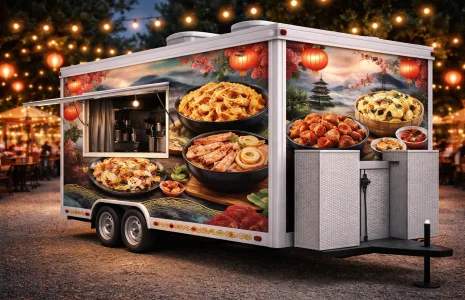 Why Choose Asian Cuisine Food Trailers for Your Business
In recent years, Asian cuisine food trailers have become a significant trend in the mobile food industry. Offering diverse and rich flavors from different parts of Asia, these trailers cater to a growing consumer demand for exotic and authentic culinary experiences. If you’re considering venturing into the food business, Asian cuisine food trailers provide a […]
Why Choose Asian Cuisine Food Trailers for Your Business
In recent years, Asian cuisine food trailers have become a significant trend in the mobile food industry. Offering diverse and rich flavors from different parts of Asia, these trailers cater to a growing consumer demand for exotic and authentic culinary experiences. If you’re considering venturing into the food business, Asian cuisine food trailers provide a […]
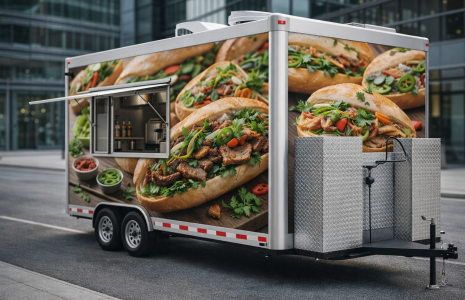 Launching Your Banh Mi Food Trailer: A Guide to Success
Understanding the Banh Mi Market Trend The Banh Mi food trend has captivated the culinary scene with its blend of crisp baguettes, flavorful meats, and vibrant vegetables. Originating from Vietnam, Banh Mi sandwiches have become a beloved street food across the globe. This unique culinary offering combines French and Vietnamese influences, perfect for those seeking […]
Exploring the World of Asian Cuisine Food Trailers
The culinary landscape is ever-expanding, and mobile food services like Asian cuisine food trailers are at the forefront of this transformation. Diverse in taste and flexible in operation, these trailers bring a range of Asian street foods directly to consumers. As more entrepreneurs dive into the food trailer business, understanding the essentials becomes crucial for […]
Why Choose Asian Cuisine Food Trailers for Your Business
In recent years, Asian cuisine food trailers have become a significant trend in the mobile food industry. Offering diverse and rich flavors from different parts of Asia, these trailers cater to a growing consumer demand for exotic and authentic culinary experiences. If you’re considering venturing into the food business, Asian cuisine food trailers provide a […]
Launching Your Banh Mi Food Trailer: A Guide to Success
Understanding the Banh Mi Market Trend The Banh Mi food trend has captivated the culinary scene with its blend of crisp baguettes, flavorful meats, and vibrant vegetables. Originating from Vietnam, Banh Mi sandwiches have become a beloved street food across the globe. This unique culinary offering combines French and Vietnamese influences, perfect for those seeking […]
Launching Your Banh Mi Food Trailer: A Guide to Success
Understanding the Banh Mi Market Trend The Banh Mi food trend has captivated the culinary scene with its blend of crisp baguettes, flavorful meats, and vibrant vegetables. Originating from Vietnam, Banh Mi sandwiches have become a beloved street food across the globe. This unique culinary offering combines French and Vietnamese influences, perfect for those seeking […]
Exploring the World of Asian Cuisine Food Trailers
The culinary landscape is ever-expanding, and mobile food services like Asian cuisine food trailers are at the forefront of this transformation. Diverse in taste and flexible in operation, these trailers bring a range of Asian street foods directly to consumers. As more entrepreneurs dive into the food trailer business, understanding the essentials becomes crucial for […]
Why Choose Asian Cuisine Food Trailers for Your Business
In recent years, Asian cuisine food trailers have become a significant trend in the mobile food industry. Offering diverse and rich flavors from different parts of Asia, these trailers cater to a growing consumer demand for exotic and authentic culinary experiences. If you’re considering venturing into the food business, Asian cuisine food trailers provide a […]
Launching Your Banh Mi Food Trailer: A Guide to Success
Understanding the Banh Mi Market Trend The Banh Mi food trend has captivated the culinary scene with its blend of crisp baguettes, flavorful meats, and vibrant vegetables. Originating from Vietnam, Banh Mi sandwiches have become a beloved street food across the globe. This unique culinary offering combines French and Vietnamese influences, perfect for those seeking […]