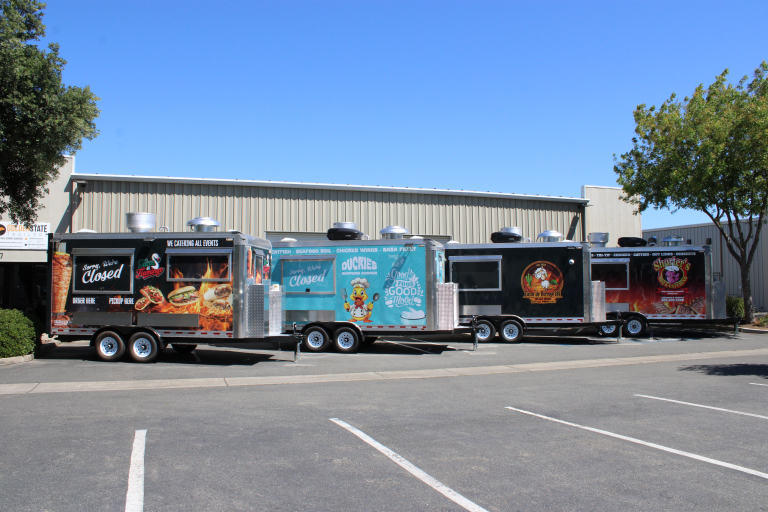
A gourmet burger truck can outsell a generic one before the first order even rings up, and the gap usually comes down to concept. The most profitable food truck concepts start with one clear idea, then let smart food truck designs carry it the rest of the way. A cramped galley or a confusing menu board can sink a great recipe just as fast as a bad one. What follows are ten custom food truck concepts that keep making money year after year, along with the layout choices, equipment, and habits that keep the margins healthy. Building your first rig or reworking an old one, these ideas cover real niches with real demand behind them, plus the design and operating decisions that separate a truck that scrapes by from one that actually turns a profit.
Some concepts just travel better than others. Burgers and loaded sandwiches lean on a fast lunch crowd and a flat-top that never stops moving. Tacos and other Mexican street food keep ingredient costs down while pushing volume through a small window. Asian fusion bowls sell customization, wood-fired pizza sells a live flame and a fast turnaround, and a gourmet grilled cheese turns a childhood favorite into a five-dollar upgrade. Mediterranean plates, desserts and ice cream, farm-to-table menus, breakfast and coffee, and vegan concepts round out the list of the best food truck concepts worth building around. Each one below gets its own breakdown, along with the setup and habits that keep it profitable.
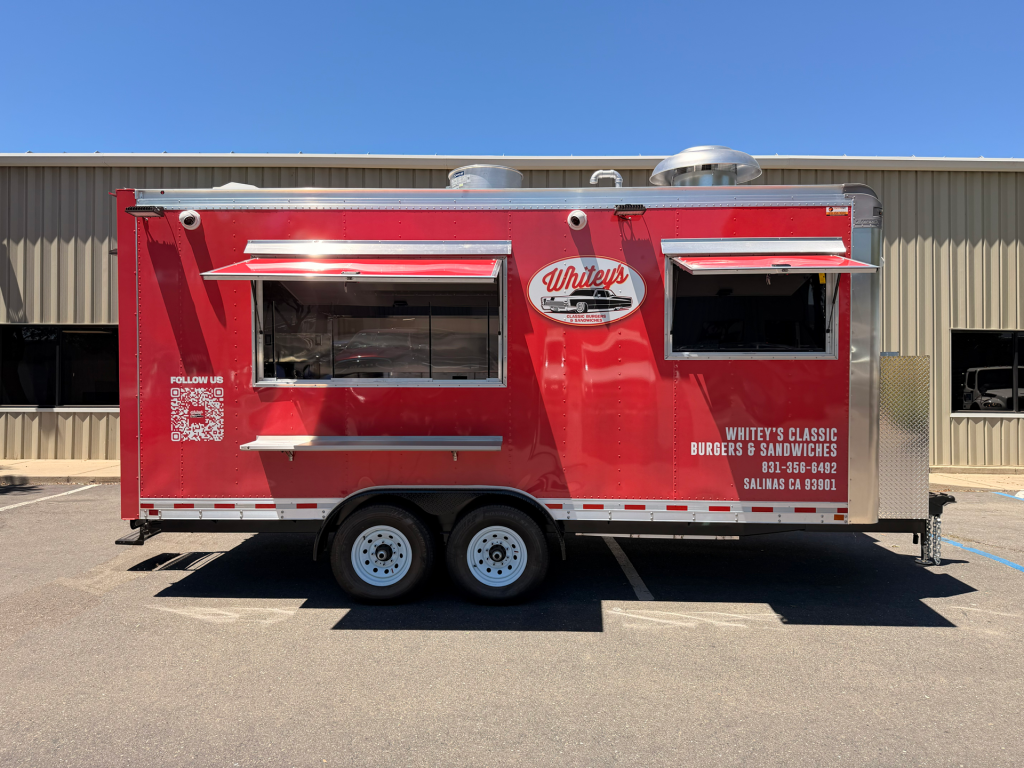
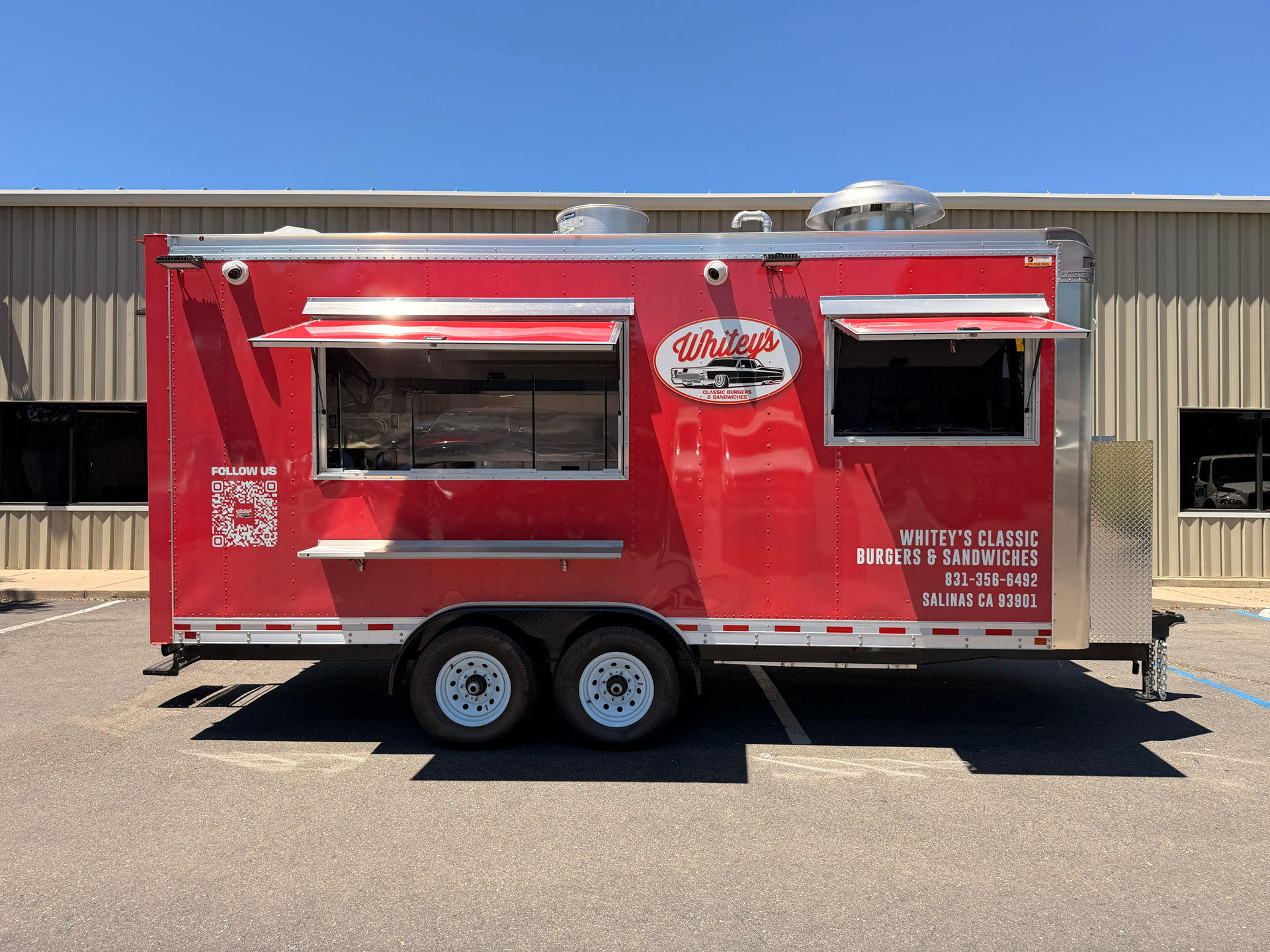
A gourmet burger built on a fresh, never-frozen patty with a signature sauce sells itself long before the marketing kicks in. Sandwich trucks work the same angle: pick two or three standout combinations, source good bread, and charge for it. Customers pay a premium for a burger or sandwich that feels handmade instead of fast food. Keep the menu short enough that two cooks can fly through a lunch rush without tripping over each other – speed is what turns a good burger truck into a profitable one. A flat-top griddle, panini press, and a compact cold well cover most of the equipment list, leaving more of the truck for prep space. Add a house-made sauce or a locally baked bun to the description on the menu board, and the same burger justifies a couple extra dollars without a single change to the recipe.
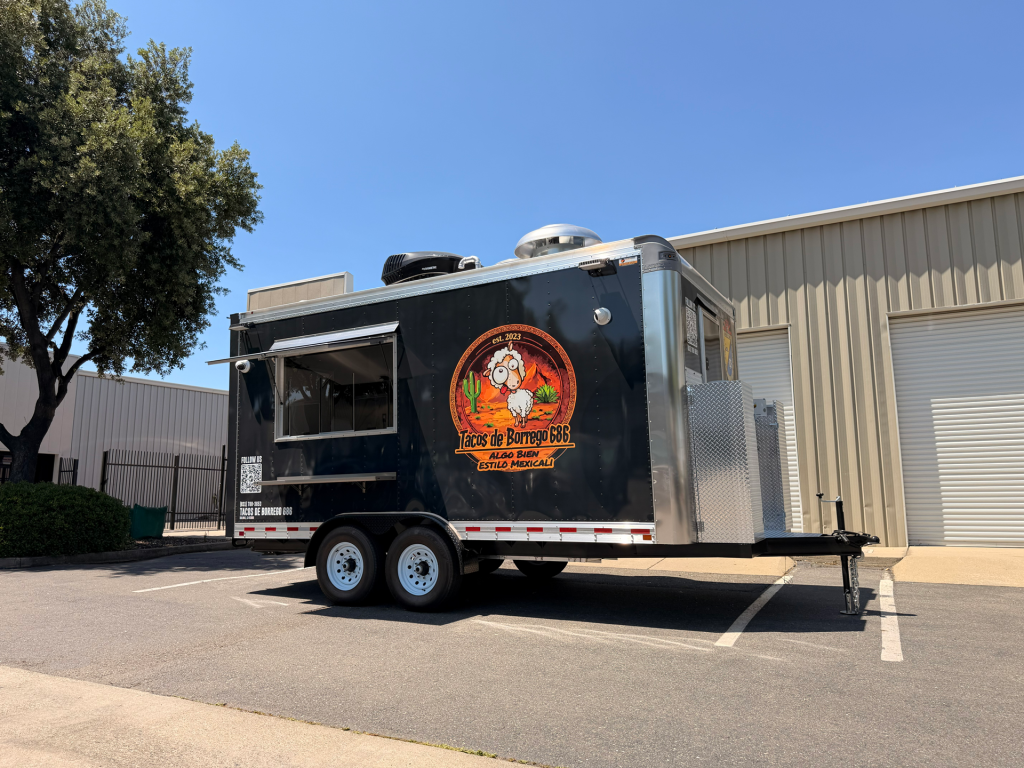
Mexican street food has stayed one of the most reliable categories out there, and it’s easy to see why. Ingredients are cheap, prep goes fast, and the food holds up fine from the window to your hand. A taco truck built around a plancha, a steam table, and a stocked salsa bar can push out dozens of orders during a single rush without a large crew. Street food built on tacos, elote, or birria keeps food cost low and margins high, which is exactly why so many first-time owners start here. A tight, well-organized layout matters more than a long menu; five or six items done well beat fifteen done poorly.
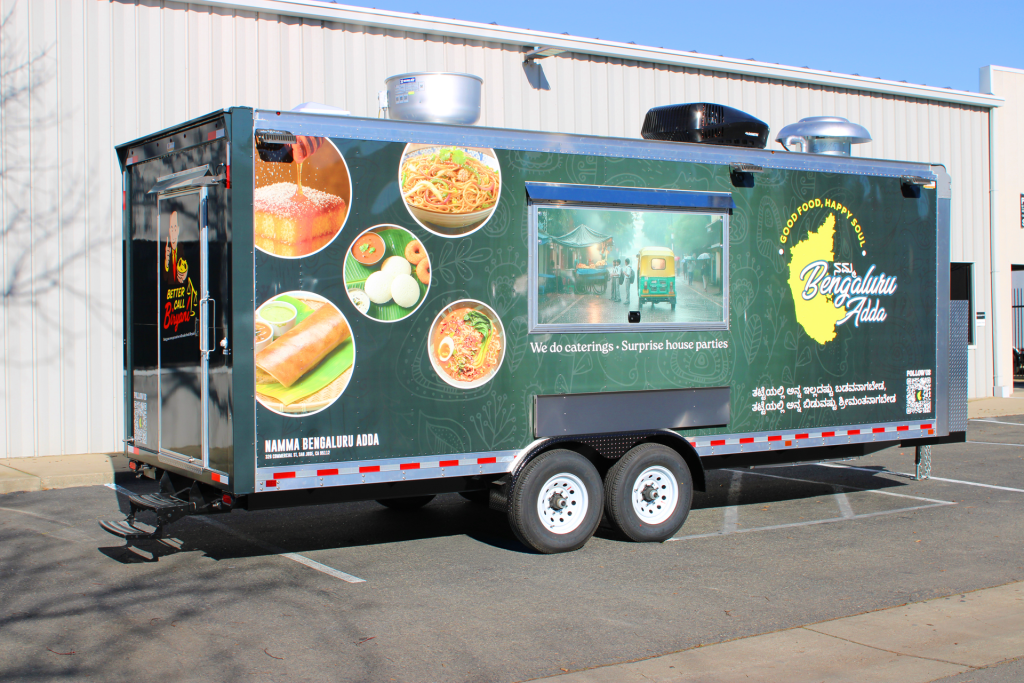
Asian fusion trucks built around specialty bowls give customers control, and that control drives repeat visits. A base of rice or noodles, a protein, and a handful of toppings let one truck serve dozens of combinations without expanding the menu board. A wok station and a couple of rice warmers handle most of the cooking, while a build-your-own line moves customers through fast. Specialty bowls also lend themselves to upsells – an extra protein or a spicy sauce adds a few dollars to every order without slowing the line down. The format photographs well on its own, since a colorful bowl arranged in neat sections tends to get shared without any prompting.
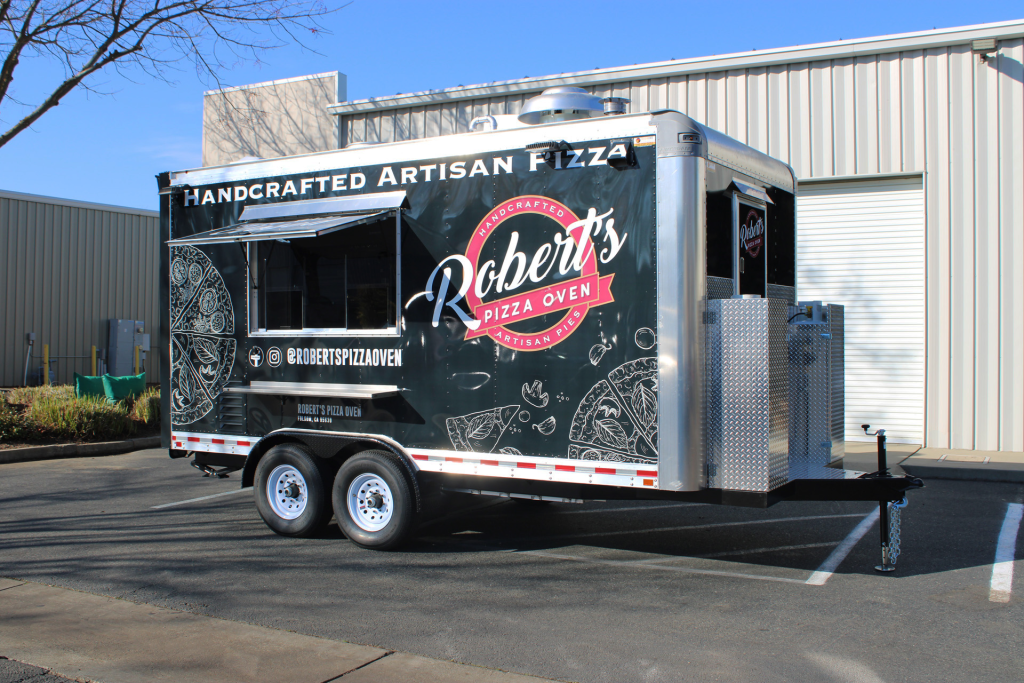
Nothing sells a pizza truck like the smell and the show of a live flame. Wood-fired ovens cook a pie in two or three minutes, which keeps a line moving even when it wraps around the truck. A compact oven, a steel prep counter, and a small footprint for dough proofing are usually all the space calls for. Pizza carries strong margins because the core ingredients – flour, cheese, sauce – cost little compared to what a fresh, wood-fired pizza commands on the menu board. Festivals and breweries are a natural fit, since a hot pizza pairs well with a cold drink, and a single slice priced right can carry a margin most other menu items can’t match.
Comfort food sells because it’s familiar, and a gourmet grilled cheese takes that familiarity and dresses it up. Fancy cheese blends, caramelized onions, or a fried egg on top turn a childhood staple into a five-dollar upgrade customers are happy to pay for. A griddle and a deep fryer cover most of the cooking needs, keeping the equipment list short and the build cost down. Comfort foods travel well too – mac and cheese, loaded fries, and grilled cheese all hold their texture from the window to the table, which keeps complaints low and repeat orders high.
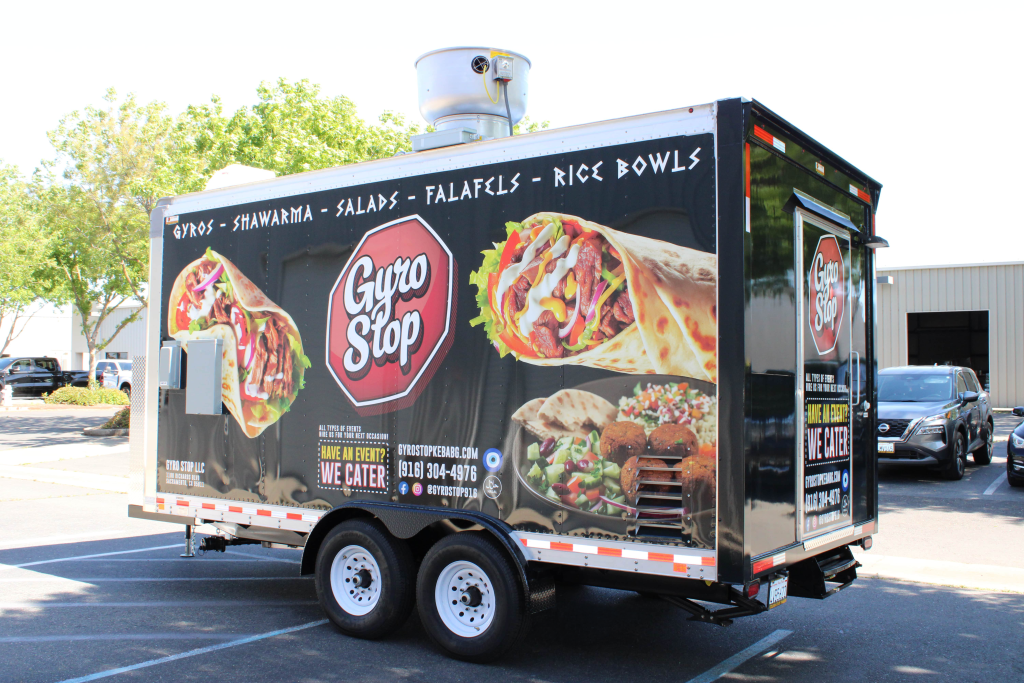
Mediterranean and Middle Eastern menus are some of the more unique food truck concepts on the road today, hitting a niche market that’s still underserved in a lot of cities. Customizable dishes – a shawarma plate, a falafel wrap, a build-your-own bowl – let one setup serve a wide range of tastes. A rotisserie spit and a solid grill cover the core cooking, while fresh ingredients like herbs, lemon, and tahini keep the flavor sharp. The format also does well at catering opportunities, since platters and family-style trays scale easily for offices and private events.
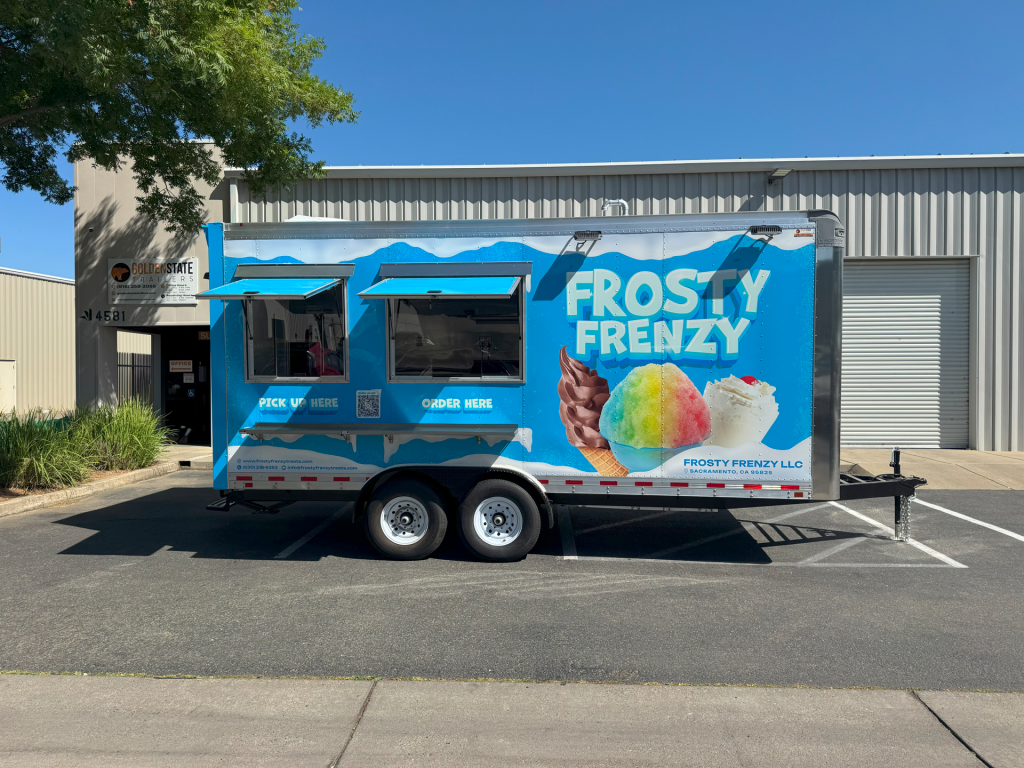
Dessert trucks and ice cream trucks live off impulse buys – a hot afternoon does most of the selling for you. A soft-serve machine, a small freezer, and a compact topping bar can cover the whole menu without much else. A loaded sundae, a dipped churro, a stacked shake – visually appealing desserts like these practically photograph themselves, and that’s social media exposure a truck never has to pay for. Food festivals and street fairs are prime territory for this concept, since a sweet treat pairs naturally with a day spent outdoors.
Farm-to-table concepts sell a story as much as a meal, and customers pay for both. Locally sourced produce, meat, and dairy let a truck charge a premium that a generic drive-thru never could. The kitchen needs solid refrigeration and enough prep space to handle produce that changes with the season, since a menu tied to local ingredients has to flex with what’s actually available. Fresh ingredients also build loyalty – regulars come back because they trust what’s inside the wrap or bowl, not just because it’s convenient.
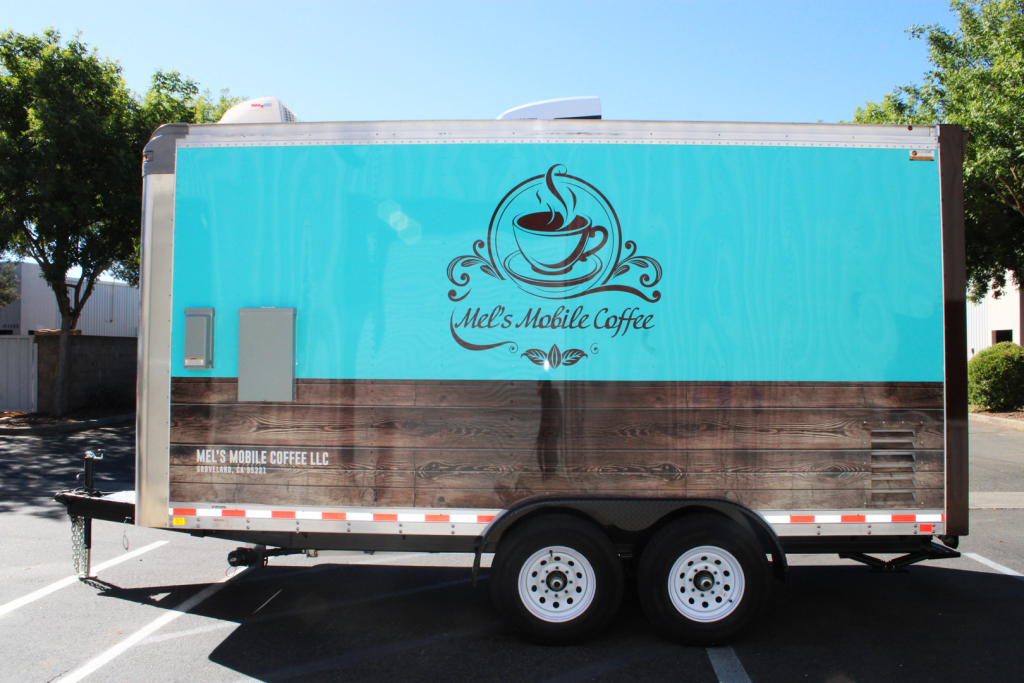
Breakfast trucks and coffee specialist trucks catch a rush that most food trucks miss entirely: the morning commute. An espresso machine, a griddle, and a warming drawer cover breakfast sandwiches, pastries, and specialty beverages without much square footage. Office parks and transit stops are the strongest spots for this concept, since customers grab something fast on the way to work rather than sitting down. A loyal coffee crowd also tends to return daily, which builds the kind of steady, predictable revenue that’s rare in the food truck business.
Vegan concepts and plant-based specialty trucks are chasing a market that keeps getting bigger, and most cities still don’t have enough of them to keep up with demand. Induction burners and solid cold storage keep the kitchen simple, and a menu built around produce and plant proteins keeps ingredient costs from swinging around too much. Customers hunting for plant-based options will often pay more for a truck that treats the category seriously instead of bolting it onto a meat-heavy menu as an afterthought. Pair that loyalty with lighter competition, and it’s one of the more profitable food truck concepts going, if you’re willing to commit to it.
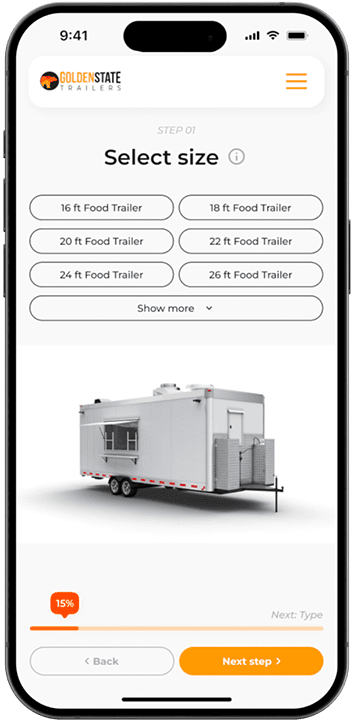
The concept picks the menu, but the layout decides whether a crew can actually deliver it under pressure. A smart design keeps prep, cooking, and the service window in a tight triangle so nobody crosses paths during a rush. Vertical shelving, fold-down counters, and equipment sized to the actual menu – not guesswork – free up floor space that a cramped truck usually wastes. Previewing the whole layout before a single weld happens saves real money. Our cool food truck designs tool lets owners walk through the whole build on screen, catch a bottleneck early, and adjust the plan before it becomes an expensive change order.
A modern POS system does more than ring up orders; it tracks which menu items actually make money. Tablet-based systems built for the curb handle card payments, offline mode, and daily reporting without needing a full internet connection. That reporting matters more than most owners expect, since it shows which dish to keep and which one is quietly losing money every week. Online ordering and a simple loyalty program add a small but steady lift to daily sales, especially from customers who already know the truck and just want to skip the line. Inventory tools tied to the same system can flag low stock mid-shift, which beats running out of a top seller during the busiest hour of the day.
A tight, focused menu beats a long one almost every time. Customizable dishes let a short list of ingredients cover a wide range of orders, which keeps food cost predictable and prep simple. Pricing has to cover ingredients, labor, and a real margin, not just the cost of the plate. Rotating a seasonal special keeps regulars interested without expanding the core menu, and testing new items in small batches before a full launch avoids wasting inventory on something that doesn’t sell. The goal is a menu that a two-person crew can execute fast, even during the busiest rush of the day.
“A truck built around a guess is a truck built to lose money. A truck built around real numbers is a truck built to last.”
Location decides more of the day’s revenue than most owners want to admit. Office parks bring a steady weekday lunch crowd, breweries send out hungry customers with nowhere to cook, and food festivals can outearn an entire slow week in a single afternoon. Catering opportunities add another revenue stream that doesn’t depend on foot traffic at all – a private event or office lunch order can fill a slow Tuesday with guaranteed income. Tracking sales by location for a few weeks usually reveals a pattern, and that pattern is what a smart route gets built around. Farmers markets build a different kind of value, since the same regulars show up week after week and turn a stop into standing income rather than a one-time sale.
Startup cost swings widely depending on the build, but a few line items show up on every budget. A basic setup with light equipment can start in the low five figures, while a full hot line with heavy-duty cooking gear pushes well past six. Commercial-grade materials cost more upfront than home-kitchen equivalents, but they hold up to daily commercial use in a way that bargain equipment simply can’t. Here’s roughly what a starting budget covers:
Cutting corners on any one of these tends to cost more later than it saves today.
A single truck that consistently sells out is the strongest sign a concept is ready to grow. Adding a second unit, rather than overloading the first one, usually protects quality better than trying to squeeze more volume out of one window. Owners expanding into new markets are finding that creative food truck designs built for one region translate well into another – a concept that works in California can perform just as well with a build suited to Washington’s local rules. Franchising or licensing the brand is the next step for concepts with strong recognition, though it only works once the core recipe and workflow are locked in.
Bad food rarely sinks a food truck. Most fail on mistakes that look obvious only in hindsight – the same handful keep showing up:
Permitting and inspections deserve attention early. Anyone building new food truck concepts in California should plan around HCD requirements from day one, since a build designed around health department rules from the start avoids the costly rework that catches so many first-time owners off guard.
A few shifts are shaping the food truck business heading into the next few years. Plant-based menus keep expanding beyond dedicated vegan trucks, showing up as options on menus that used to be meat-only. Ghost kitchens and mobile kitchen setups are blurring the line between a truck and a delivery-only operation, letting one build serve both models. Dishes built for a good photo keep driving foot traffic, since a shareable plate still outperforms most paid advertising. Sustainability is climbing the list too, with compostable packaging and locally sourced ingredients becoming a selling point instead of a niche preference. Cashless, card-only trucks are also becoming more common, which trims theft risk and speeds up the line during a packed lunch rush.
Every concept above still needs a build that can handle the real workload behind it, not just the idea on paper. Golden State Trailers designs each unit around the client’s actual menu and equipment list instead of forcing a business into a generic layout, which is why our production process starts with a full 3D plan before any metal gets cut. Every build uses commercial-grade materials suited to daily commercial use, backed by a quality control process that checks electrical, plumbing, and ventilation as one connected system instead of separate boxes. For owners building in Southern California, our food truck designs built for the Los Angeles market show what that process looks like end to end, and the same attention carries through to delivery, so a completed unit arrives ready to pass inspection and open for business. That kind of planning is what turns a promising concept on paper into one of the profitable food truck concepts that’s still running strong five years in.
The most profitable food truck concepts all share the same foundation: a clear idea, a menu built to be executed fast, and a layout that supports the crew instead of fighting them. None of that matters much if the truck itself can’t hold up to years of daily commercial use. A well-built food truck ties the concept, the equipment, and the workflow into one system that performs the same way on a slow Tuesday as it does during a packed festival weekend. Get that foundation right, and the rest of the business – the marketing, the menu, the growth – has something solid to stand on. Pick a concept that fits a real gap in your market, build it around a layout that actually works, and the profit tends to follow.
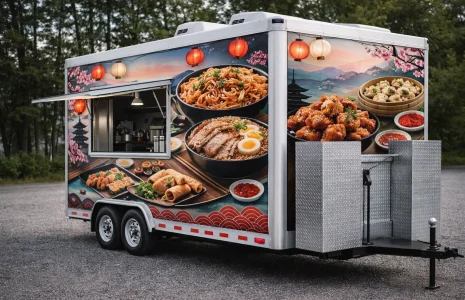 Exploring the World of Asian Cuisine Food Trailers
The culinary landscape is ever-expanding, and mobile food services like Asian cuisine food trailers are at the forefront of this transformation. Diverse in taste and flexible in operation, these trailers bring a range of Asian street foods directly to consumers. As more entrepreneurs dive into the food trailer business, understanding the essentials becomes crucial for […]
Exploring the World of Asian Cuisine Food Trailers
The culinary landscape is ever-expanding, and mobile food services like Asian cuisine food trailers are at the forefront of this transformation. Diverse in taste and flexible in operation, these trailers bring a range of Asian street foods directly to consumers. As more entrepreneurs dive into the food trailer business, understanding the essentials becomes crucial for […]
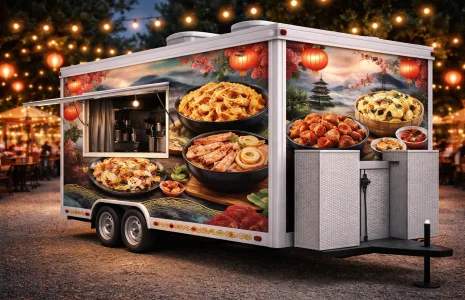 Why Choose Asian Cuisine Food Trailers for Your Business
In recent years, Asian cuisine food trailers have become a significant trend in the mobile food industry. Offering diverse and rich flavors from different parts of Asia, these trailers cater to a growing consumer demand for exotic and authentic culinary experiences. If you’re considering venturing into the food business, Asian cuisine food trailers provide a […]
Why Choose Asian Cuisine Food Trailers for Your Business
In recent years, Asian cuisine food trailers have become a significant trend in the mobile food industry. Offering diverse and rich flavors from different parts of Asia, these trailers cater to a growing consumer demand for exotic and authentic culinary experiences. If you’re considering venturing into the food business, Asian cuisine food trailers provide a […]
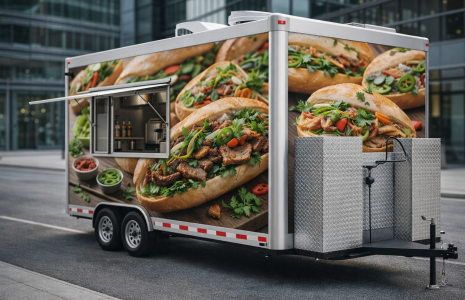 Launching Your Banh Mi Food Trailer: A Guide to Success
Understanding the Banh Mi Market Trend The Banh Mi food trend has captivated the culinary scene with its blend of crisp baguettes, flavorful meats, and vibrant vegetables. Originating from Vietnam, Banh Mi sandwiches have become a beloved street food across the globe. This unique culinary offering combines French and Vietnamese influences, perfect for those seeking […]
Exploring the World of Asian Cuisine Food Trailers
The culinary landscape is ever-expanding, and mobile food services like Asian cuisine food trailers are at the forefront of this transformation. Diverse in taste and flexible in operation, these trailers bring a range of Asian street foods directly to consumers. As more entrepreneurs dive into the food trailer business, understanding the essentials becomes crucial for […]
Why Choose Asian Cuisine Food Trailers for Your Business
In recent years, Asian cuisine food trailers have become a significant trend in the mobile food industry. Offering diverse and rich flavors from different parts of Asia, these trailers cater to a growing consumer demand for exotic and authentic culinary experiences. If you’re considering venturing into the food business, Asian cuisine food trailers provide a […]
Launching Your Banh Mi Food Trailer: A Guide to Success
Understanding the Banh Mi Market Trend The Banh Mi food trend has captivated the culinary scene with its blend of crisp baguettes, flavorful meats, and vibrant vegetables. Originating from Vietnam, Banh Mi sandwiches have become a beloved street food across the globe. This unique culinary offering combines French and Vietnamese influences, perfect for those seeking […]
Launching Your Banh Mi Food Trailer: A Guide to Success
Understanding the Banh Mi Market Trend The Banh Mi food trend has captivated the culinary scene with its blend of crisp baguettes, flavorful meats, and vibrant vegetables. Originating from Vietnam, Banh Mi sandwiches have become a beloved street food across the globe. This unique culinary offering combines French and Vietnamese influences, perfect for those seeking […]
Exploring the World of Asian Cuisine Food Trailers
The culinary landscape is ever-expanding, and mobile food services like Asian cuisine food trailers are at the forefront of this transformation. Diverse in taste and flexible in operation, these trailers bring a range of Asian street foods directly to consumers. As more entrepreneurs dive into the food trailer business, understanding the essentials becomes crucial for […]
Why Choose Asian Cuisine Food Trailers for Your Business
In recent years, Asian cuisine food trailers have become a significant trend in the mobile food industry. Offering diverse and rich flavors from different parts of Asia, these trailers cater to a growing consumer demand for exotic and authentic culinary experiences. If you’re considering venturing into the food business, Asian cuisine food trailers provide a […]
Launching Your Banh Mi Food Trailer: A Guide to Success
Understanding the Banh Mi Market Trend The Banh Mi food trend has captivated the culinary scene with its blend of crisp baguettes, flavorful meats, and vibrant vegetables. Originating from Vietnam, Banh Mi sandwiches have become a beloved street food across the globe. This unique culinary offering combines French and Vietnamese influences, perfect for those seeking […]