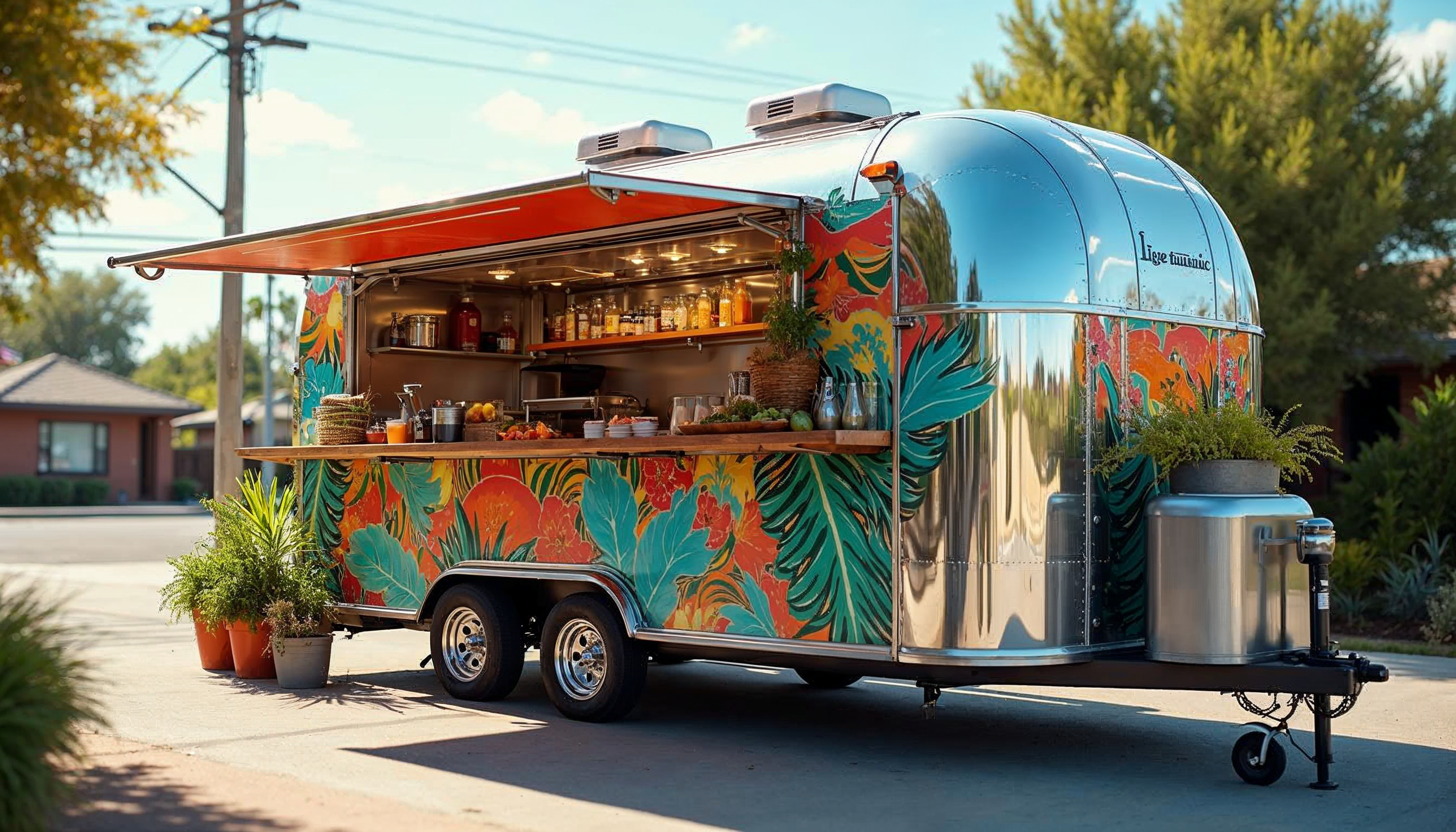
Embarking on a journey in the food industry entrepreneurship sector, particularly with dessert and sweet snack trailers, offers a unique blend of challenges and rewards. The initial steps are crucial to set a firm foundation. Firstly, researching the market is indispensable. Understanding customer preferences, prevailing trends, and potential competitors allows an entrepreneur to make informed decisions. Next, drafting a comprehensive business plan is vital. This plan should detail the operational strategy, required licenses and permits, and a preliminary financial projection.
One of the decisive factors in succeeding with a food trailer business is carving out a niche. The dessert and sweet snack market offers ample opportunities for innovation, whether it’s through unique flavors, cultural fusions, or health-focused options. Entrepreneurs can explore local tastes or distinct offerings to captivate their target audience. The key is to balance creativity with market demand. To stay ahead, continually assess consumer feedback and adapt your menu to evolving tastes.
Effective marketing and branding are paramount to the success of dessert and sweet snack trailers. Entrepreneurs must develop a brand that resonates with their audience, generates excitement, and stands out in the crowded marketplace. Utilization of social media platforms is essential, as these platforms offer cost-effective avenues to reach wide audiences. Engaging storytelling, consistent visual branding, and interactive content can amplify the brand’s reach and impact. Additionally, participating in local events and leveraging customer reviews can enhance visibility and credibility. For more insights on the sweet success of dessert and sweet snack trailers, visit this article on Golden State Trailers.
Every entrepreneur in the food trailer industry faces obstacles, whether logistical, financial, or operational. The key is to anticipate these challenges and develop strategic responses. For instance, managing supply chain disruptions requires establishing reliable vendor relationships and maintaining inventory flexibility. Financial challenges, such as fluctuating operating costs, necessitate astute financial management and contingency planning. Furthermore, operational hurdles like food safety and compliance demand diligent adherence to health regulations and continuous staff training. By approaching these challenges proactively, entrepreneurs can sustain and grow their businesses effectively.
The initial steps include market research, drafting a business plan, obtaining necessary permits, and setting financial strategies.
Identifying a niche involves exploring market gaps, understanding customer preferences, and innovating with unique flavors or themes.
Effective strategies include leveraging social media, using engaging content, participating in local events, and encouraging customer reviews.
Common challenges include supply chain management, fluctuating costs, compliance with food safety regulations, and maintaining brand visibility.
customer feedback
Understanding Customer Feedback Customer feedback serves as a valuable compass for your nachos food trailer, guiding you toward business success. Whether you’re just starting your food truck journey or looking to improve an existing business, harnessing customer insights can significantly impact your operations and profitability. Introduction to Customer Feedback Customer feedback comprises opinions and experiences […]
The Essential Guide to BBQ & Grilled Meats Food Trailers
Grilled Meats Food Trailers: Your Complete Guide Understanding BBQ and Grilled Meats Trailers The food trailer industry has seen a remarkable transformation in recent years, with BBQ and grilled meats being at the forefront of this revolution. These mobile eateries offer customers a fresh, outdoor experience, highlighting their culinary prowess in smoked, grilled, and roasted […]
Branch Circuit Index
“`html The Branch Circuit Index is a labeled directory located inside the electrical panel of a food trailer. It serves the essential purpose of identifying each breaker and the specific appliance or system it powers within the trailer. This index is critical for the effective management and maintenance of electrical systems, and it is commonly […]