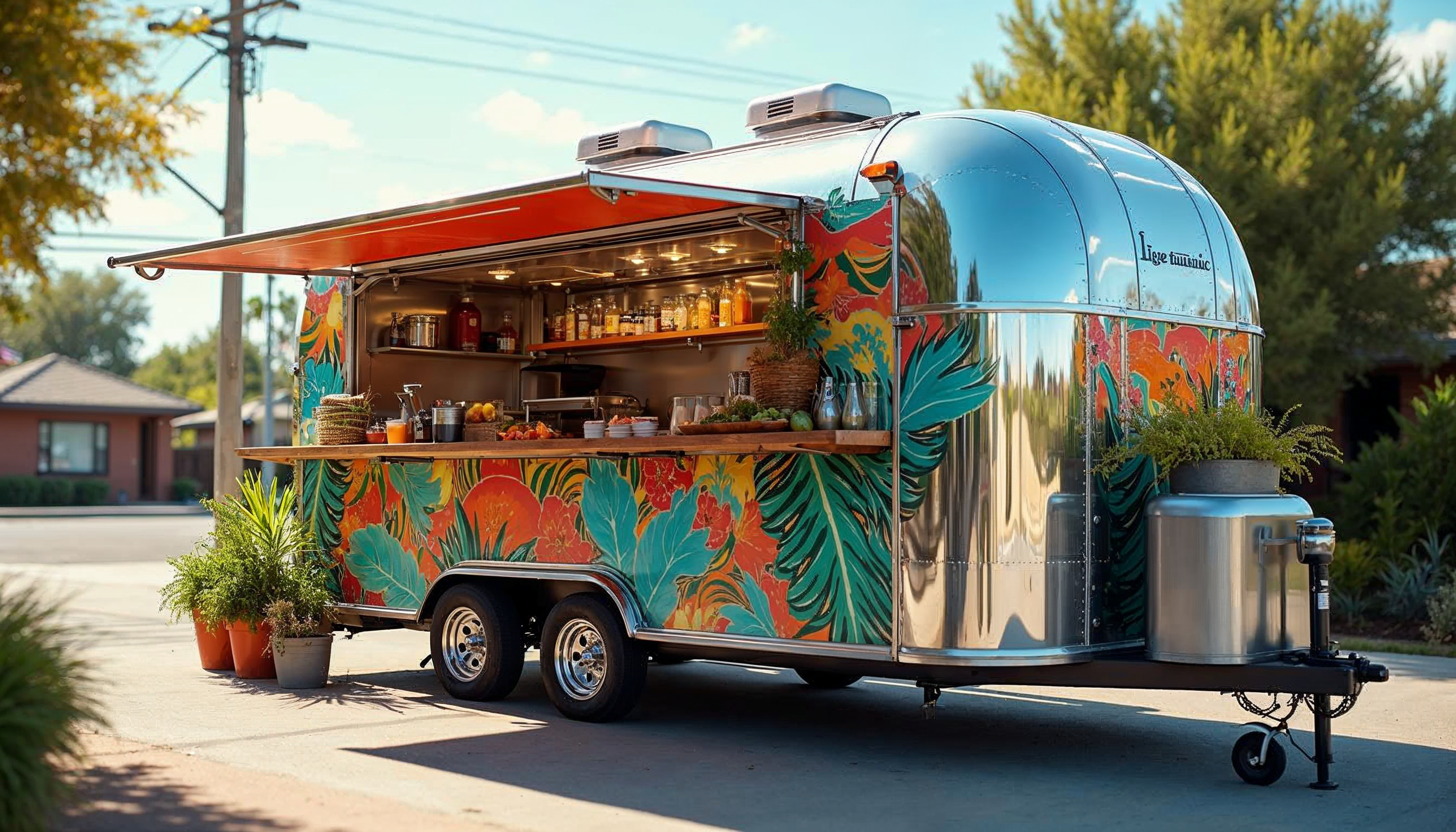
Lemonade food trailers present numerous advantages for business owners looking to expand their footprint in the mobile food industry. These trailers are relatively low-cost, versatile, and have a simple menu that can appeal to a wide customer base. Whether you’re stationed at a local fair or parked at a busy intersection, the mobility of a food trailer allows you to place your business exactly where potential customers gather.
Choosing the right location for your lemonade food trailer can make or break your business. High foot traffic areas such as parks, festivals, and beaches are ideal. Additionally, positioning your trailer near complementary businesses, like hot dog stands or popcorn vendors, can drive sales. Seasonal events provide another excellent opportunity for business. Tailor your location strategy to capitalize on events such as summer fairs and outdoor concerts. Learn more about strategic locations for your lemonade trailer here.
To operate a successful lemonade stand, certain equipment is essential. A high-quality juicer, refrigeration units, and commercial-grade blenders to mix and serve the lemonade efficiently are must-haves. Proper storage for ingredients, ample counter space, and power supply options, such as 120V Shore Power, are also critical. Furthermore, consider investing in food pan racks and a reliable pressure regulator to manage inventory and equipment needs properly.
Effective marketing can significantly boost your lemonade trailer’s profitability. Utilize social media platforms to announce your locations, promotions, and menu updates. Eye-catching signage and attractive trailer design play crucial roles in drawing attention. Offering seasonal variations of lemonade or limited-time offers can entice more customers. Collaborations with local influencers or community events can also broaden your reach.
The initial costs for starting a lemonade trailer business can vary based on trailer size, equipment type, and aesthetic choices. Typically, the expenses include purchasing or leasing the trailer, equipment costs, permit fees, and initial ingredient inventory. However, with strategic location and effective marketing, the ROI on a lemonade food trailer can be substantial, given the relatively low overhead and high markup potential of lemonade.
Permits required for a lemonade food trailer typically include a business license, food handler’s permit, and health department permit. Check with local regulations as they vary from one area to another.
Select locations with high pedestrian traffic such as busy parks, festivals, and beach fronts. Research local events and gain permission to set up where large crowds gather.
Upfront costs range from $5,000 to $20,000, which includes the purchase of a trailer, equipment, permits, and initial inventory.
Increase sales by refining your location strategy, exploring new markets during peak seasons, leveraging social media, and providing excellent customer service.
customer experience
Understanding Customer Expectations In the dynamic world of cocktail bar food trailers, understanding customer expectations is paramount. Today’s customers seek not only delicious cocktails but a memorable overall experience. By assessing the demographics and preferences of your clientele, you can tailor your offerings to meet and exceed their expectations. This might involve including unique cocktail […]
boba tapioca pearls
Boba Tapioca Pearls What are Boba Tapioca Pearls? Boba tapioca pearls are chewy spheres that form the foundation of the popular beverage known as bubble tea. Made primarily from tapioca–a starch extracted from cassava root–these pearls are prized for their texture and ability to absorb flavors. Their popularity in bubble tea has made them a […]
Battery Load Test
A Battery Load Test is a diagnostic procedure used to assess a battery’s ability to deliver power under simulated or actual load conditions. For food trailers, this test is essential to ensure the battery bank can support critical equipment such as refrigeration units, cooking appliances, lighting, and point-of-sale systems during operation. Load testing is commonly […]