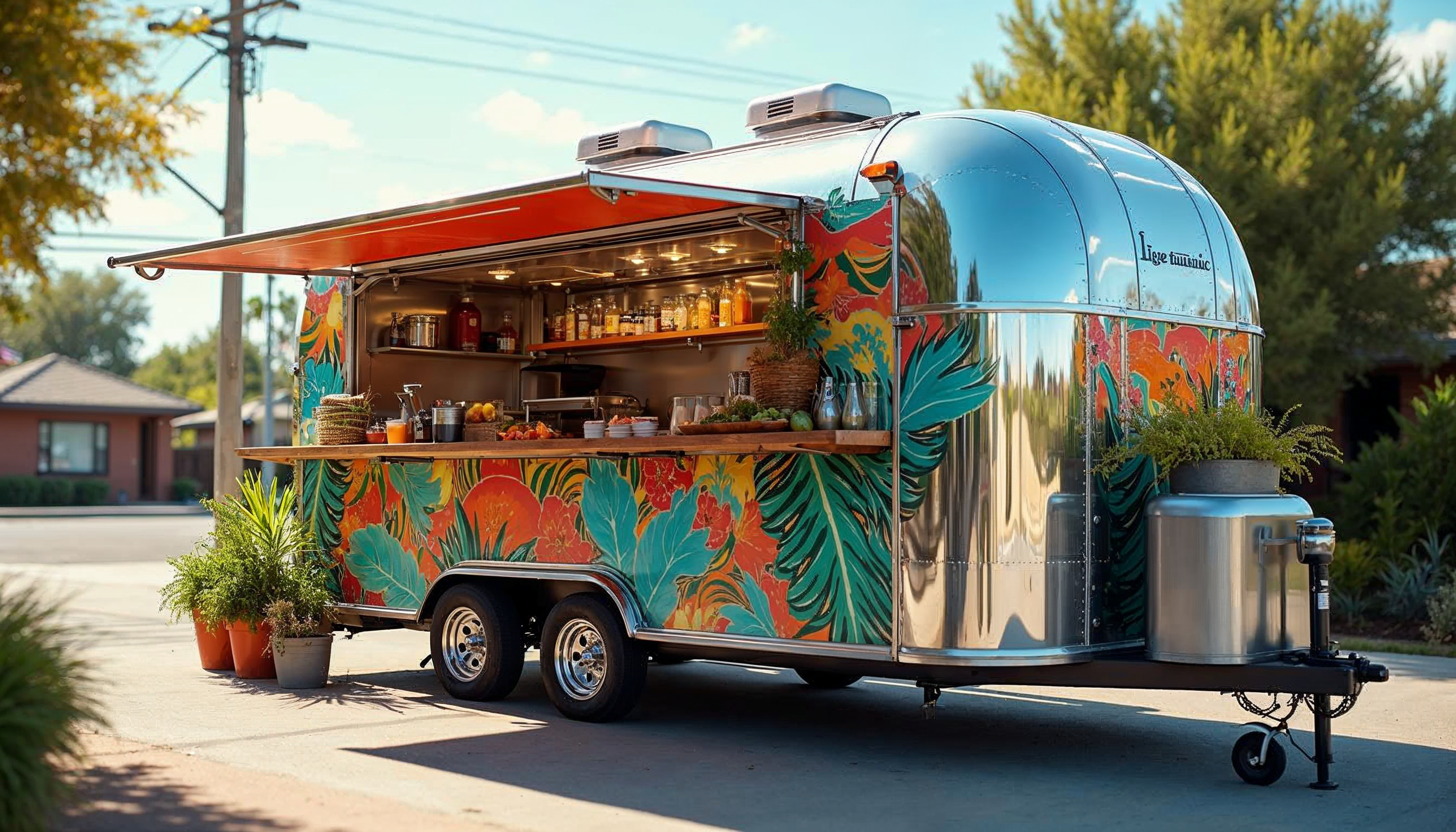
Embarking on a journey with a bakery trailer can be a fulfilling venture for those passionate about baking and business. As the food truck industry continues to grow, mobile bakery trailers have become a popular choice for food entrepreneurs looking to explore various markets. To get started, you’ll need a solid business plan outlining your objectives, target audience, and financial projections.
Consider factors such as startup costs and ongoing expenses, including ingredients, staffing, and fuel, to ensure your business’s financial health. Additionally, obtaining appropriate financing or investment is crucial for launching your operation effectively.
Location is a key determinant of success for any mobile food business. When selecting a spot for your bakery trailer, consider high foot traffic areas such as business districts, festivals, and farmers’ markets. These locations offer great opportunities to attract customers looking for fresh, artisanal baked goods.
Conducting market research can help you understand customer preferences in different locations, allowing you to tailor your offerings strategically. For insights into location selection, read about finding success with breakfast trailers here.
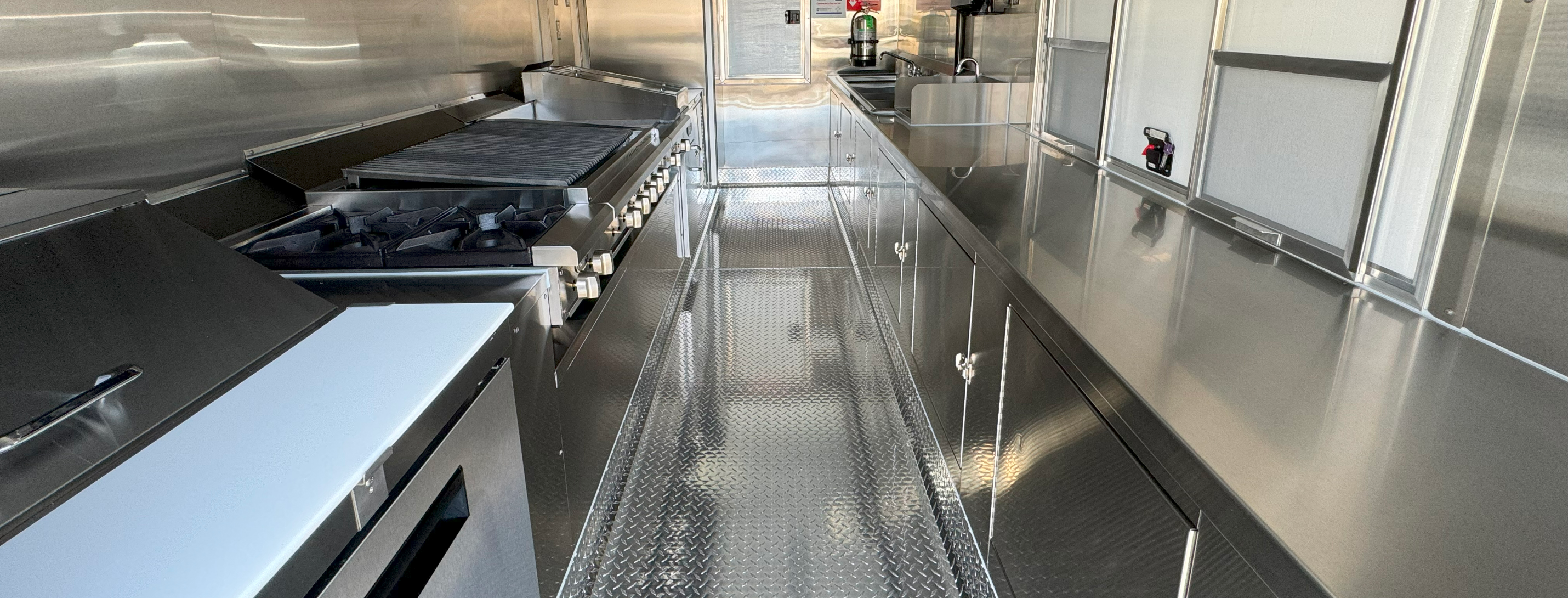
A successful bakery trailer requires the right equipment to ensure efficiency and quality. Essential items include ovens, mixers, display cases, and refrigeration units. Depending on your menu, you may also need specialized tools like dough sheeters and proofing cabinets.
Investing in high-quality equipment ensures your baked products remain consistent and meet customer expectations. Additionally, maintaining your equipment regularly will prevent unexpected breakdowns and costly repairs.
Marketing plays a crucial role in drawing in customers and building brand awareness. Utilize social media platforms to connect with your audience and share mouth-watering images of your baked goods. Participate in local events to boost your visibility and network with potential customers.
Consider partnerships with local businesses where cross-promotions can benefit both parties. Loyalty programs and special discounts for returning customers can also enhance your outreach efforts and encourage repeat business.
Understanding regulations is fundamental to operating legally and avoiding fines. Depending on your location, you will need different permits and licenses to operate your bakery trailer. Health permits, business licenses, and safety inspections are typically mandatory.
Contact local authorities to understand the specific permits needed and the timeline for securing these. Staying compliant with food safety standards protects your business and ensures customer trust.
Your menu is the heart of your bakery trailer and should reflect both your specialty and customer demand. Consider offering a core selection of popular items paired with seasonal specialties to keep your menu fresh and appealing.
Experimenting with innovative flavors and using high-quality local ingredients can differentiate your bakery from competitors. Flexibility in menu planning allows you to adapt to changing market trends and customer preferences.
Operating a bakery trailer requires various permits, including health permits, business licenses, and safety inspections. Check with local authorities for the precise requirements in your area.
Choose locations with high foot traffic, such as business districts or events, to maximize your customer reach. Conduct market research to identify areas where your products align with consumer demand.
Essential equipment includes ovens, mixers, display cases, and refrigeration units. Consider your menu to select any additional specialized tools needed for production.
Utilize social media, participate in local events, and implement loyalty programs to attract and retain customers. Partnerships with local businesses can also extend your marketing reach.
Unique Flavors
Introduction to Slushie Food Trailers Slushie food trailers have become a vibrant part of the mobile food scene, offering a refreshing twist to traditional beverages. These mobile units bring tantalizing frozen drinks to a variety of locations, captivating customers with their unique flavor combinations and vibrant colors. The popularity of slushie trailers lies in their […]
GFCI Branch Protection
“`html GFCI Branch Protection is a critical safety feature in food trailers, involving the use of Ground Fault Circuit Interrupter devices to safeguard individual 120V circuits. This arrangement is essential for preventing electrical shock hazards in environments prone to moisture, such as those commonly found in mobile food operations. Food trailers frequently encounter wet or […]
Neutral Isolation Bar
“`html The Neutral Isolation Bar is a vital component in a trailer’s electrical panel, designed to keep neutral conductors separate from the ground. This separation is crucial for ensuring proper electrical bonding when a food trailer is connected to shore power or a generator. Widely used in mobile food trailers, the neutral isolation bar is […]