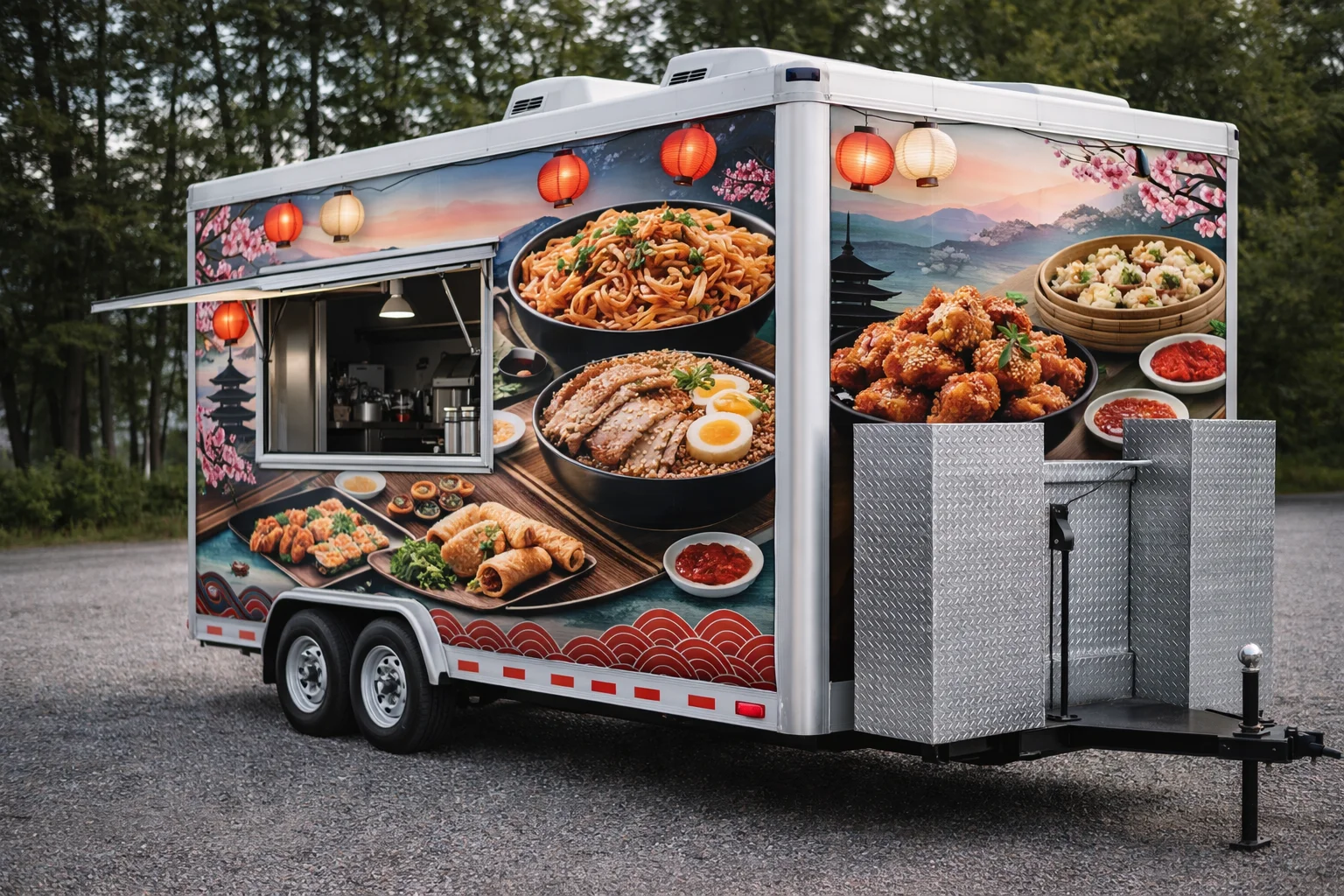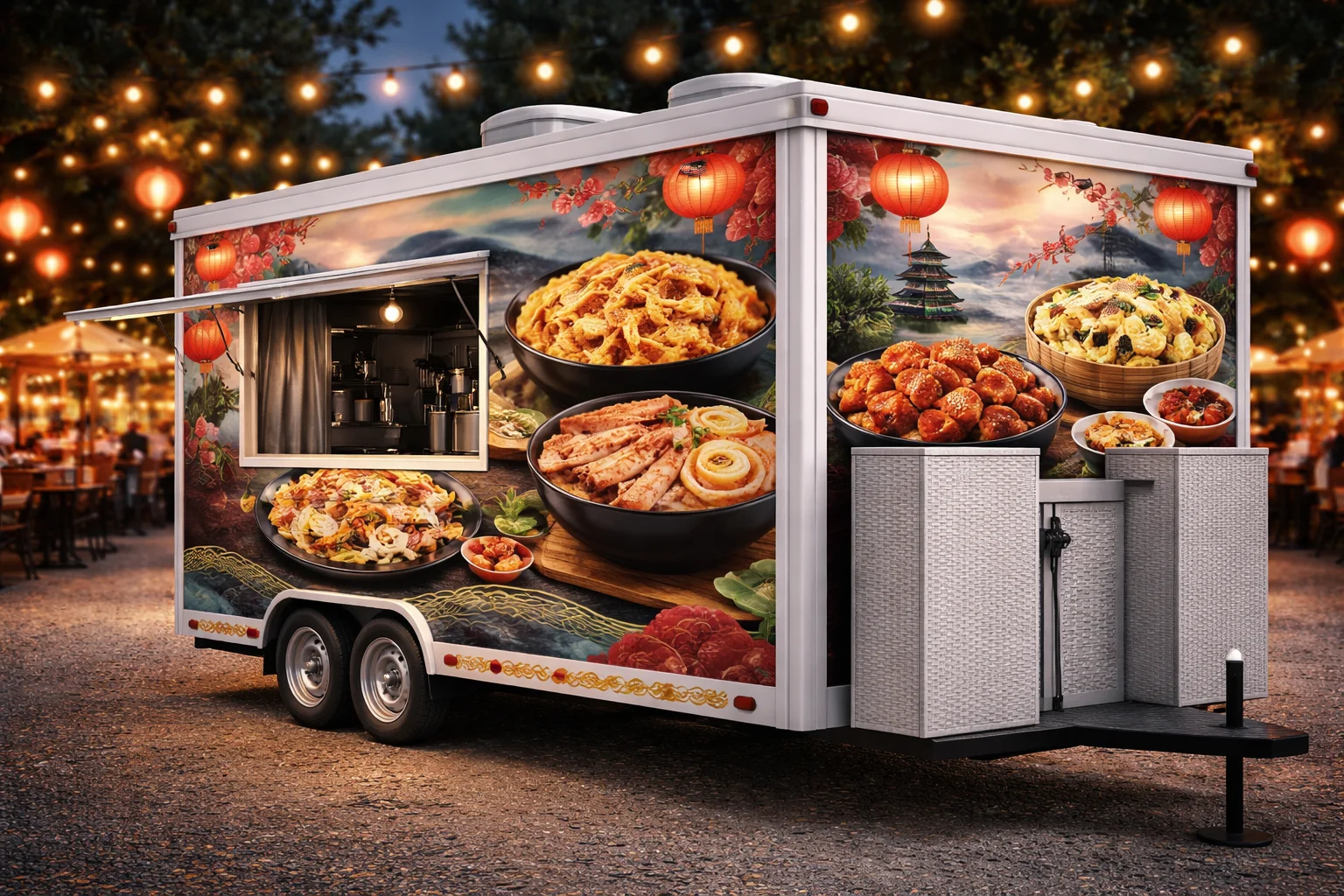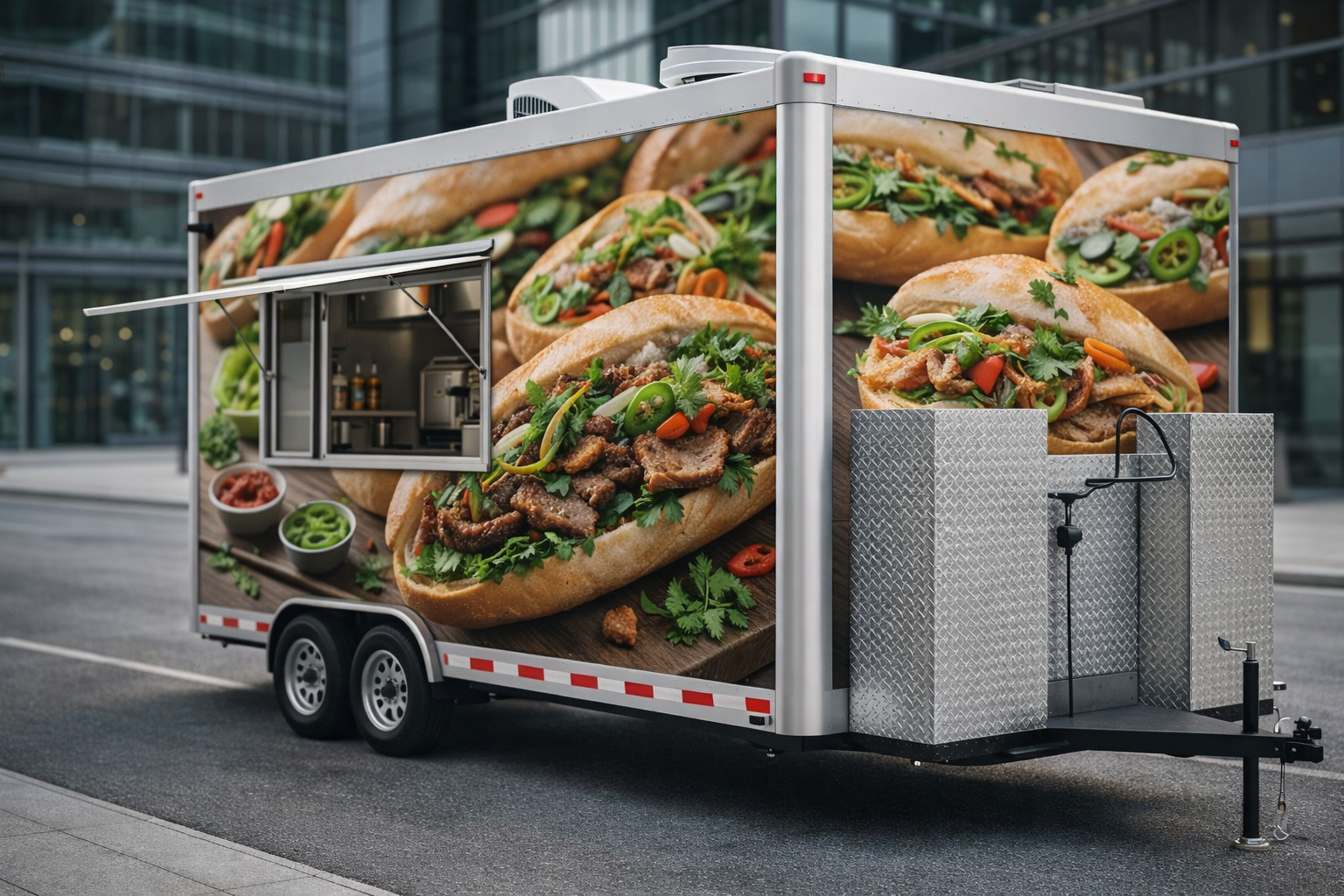
The Axle Camber Angle refers to the slight vertical tilt of a trailer’s axle, typically measured in degrees. This angle is engineered during manufacturing to ensure optimal tire contact with the road surface. For food trailers, a properly set camber angle supports even tire wear, balanced load distribution, and improved towing stability. It is especially important for vendors who operate in diverse road conditions or log frequent travel miles.
When purchasing or servicing a food trailer, review the axle camber specifications with your manufacturer or technician. Trailers with heavy equipment or uneven loads may require specific camber adjustments. If you observe abnormal tire wear, drifting, or tracking issues, schedule a professional alignment check. Regular inspections help maintain performance and reduce downtime.
Wheel Torque Stripe
“`html A Wheel Torque Stripe is a painted alignment mark applied across a lug nut and wheel stud. This indicator is used to visually identify if the torque on a wheel has shifted or if a fastener has loosened during operation. In the context of food trailers, torque stripes are essential for ensuring the safe […]
Frame Outrigger Reinforcement
“`html Frame outrigger reinforcement refers to structural supports made of steel or aluminum that are welded or bolted to a food trailer’s frame. These reinforcements are crucial for enhancing the trailer’s load-bearing capacity, especially when installing heavy kitchen equipment. They are commonly used in trailers needing robust support to safely accommodate appliances such as ovens, […]
Axle Load Spacer
An Axle Load Spacer is a precision shim or insert placed between a trailer’s axle and frame to adjust ride height and optimize weight distribution. In food trailers, axle load spacers are essential for maintaining proper balance, especially when heavy kitchen appliances alter the trailer’s center of gravity. They are commonly used during the design […]