To open a food trailer in California, you will typically need several separate permits, approvals, registrations, and food safety certifications. The exact requirements depend on the trailer, menu, equipment, operating model, county, and city.
Common requirements may include California HCD approval and a CA insignia, Environmental Health approval, a local Business License or registration, a California Seller’s Permit, Food Handler Cards, and food safety manager certification.
There is no single permit that authorizes every part of a California food trailer business. State agencies regulate certain construction and tax matters, while counties and cities may impose their own health, licensing, zoning, vending, and operating requirements.
Golden State Trailers designs commercial food trailers with California approval requirements considered from the beginning of the project, including applicable insignia preparation, commercial food-service equipment, and support through the Health Department review and inspection process.
Depending on your trailer and where you plan to operate, you may need:
Requirements vary by location and business model, so owners should confirm the rules that apply before purchasing, building, modifying, or operating a food trailer.
Certain food trailers in California may be subject to approval through the California Department of Housing and Community Development, commonly known as HCD.
When HCD requirements apply, they can affect the trailer’s design, construction, documentation, and preparation for state review. Construction considerations may include electrical systems, plumbing, structural components, heat-producing equipment, and other permanently installed features.
Addressing these requirements during the design stage is generally easier than correcting them after construction is complete.
A California insignia is associated with the HCD approval process for units that fall within the applicable requirements. Whether a specific food trailer needs HCD approval or an insignia depends on its classification, construction, intended use, and applicable regulations.
Golden State Trailers considers applicable California construction requirements during planning and manufacturing and can coordinate trailer-related documentation and preparation for the insignia process when required.
A food trailer that prepares, handles, stores, or serves food will generally need approval from the Environmental Health authority responsible for the area where it operates.
Health Department review may cover the trailer layout, menu, preparation methods, commercial equipment, refrigeration, sinks, potable water, wastewater systems, ventilation, sanitation, and other food-safety-related features.
Counties may use different application procedures, fees, documents, plan review steps, inspections, or operating conditions. A trailer approved in one jurisdiction may therefore need additional review before operating somewhere else.
Golden State Trailers plans the trailer-related portion of the project around identified Health Department requirements to help reduce avoidable changes to equipment, plumbing, ventilation, layout, or other construction details later.
Guaranteed Health Department Approval means Golden State Trailers stands behind the trailer-related design and construction covered by the applicable customer agreement. It does not mean Golden State Trailers controls or independently issues a government permit.
Layout, installed equipment, plumbing, electrical systems, ventilation, sanitation features, and water systems can all affect an agency review. If a Health Department identifies a covered trailer-related construction issue, Golden State Trailers works with the customer to address it according to the applicable agreement.
Final governmental approval remains with the responsible agency and may also depend on factors outside the manufacturer’s scope, including the menu, commissary arrangements, business licensing, employee certifications, zoning, operating location, submitted documents, and operating procedures.
Any approval guarantee should therefore be understood according to the scope, conditions, exclusions, and obligations stated in the customer agreement.
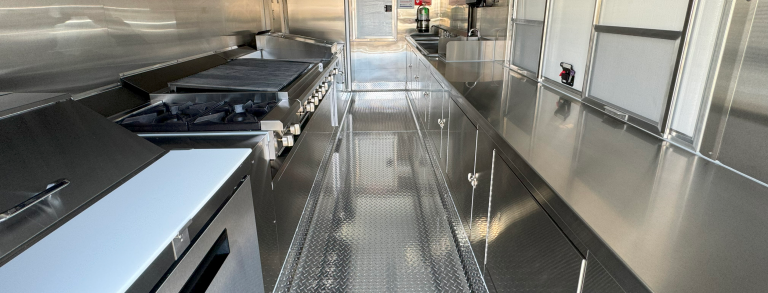
Commercial food trailers generally need equipment that is appropriate for the intended food-service operation and acceptable under applicable requirements. Golden State Trailers uses commercial food-service equipment suitable for the planned build, including NSF-approved equipment where required.
Equipment selection can directly affect Health Department review. Refrigeration, cooking appliances, preparation surfaces, sinks, storage equipment, and related components need to match the menu, preparation methods, utility capacity, and trailer layout.
Choosing equipment early also makes it easier to coordinate plumbing connections, electrical loads, ventilation, clearances, and workspace before construction is complete.
Not every food trailer requires the same equipment configuration. The correct setup depends on the menu, cooking methods, storage needs, and requirements of the responsible agency.
Many cities and local jurisdictions require a Business License or another form of business registration. Health Department approval does not automatically satisfy those requirements.
Local authorities may also regulate zoning, vending locations, parking, private-property use, operating hours, and other conditions.
Owners should confirm the requirements for the city, county, or jurisdiction where they plan to operate.
A food trailer business making taxable sales may need a Seller’s Permit from the California Department of Tax and Fee Administration, or CDTFA.
A Seller’s Permit relates to collecting and reporting applicable sales tax. It is separate from Health Department approval, HCD requirements, and local business licensing.
The exact tax obligations can depend on the type of sales, business structure, and operating circumstances, so owners should confirm their responsibilities with CDTFA or an appropriate tax professional.
Employees subject to California food handler requirements generally must obtain a valid Food Handler Card within the required timeframe. Exemptions or additional local requirements may apply.
Food handler training covers areas such as sanitation, contamination prevention, temperature control, personal hygiene, and proper food handling.
These certifications apply to the people working in the food operation rather than to the physical trailer itself.
In many cases, yes. A food operation may be required to have an appropriately certified person responsible for food safety management.
Food safety manager certification is different from a standard Food Handler Card. The certified individual generally has broader responsibility for sanitation, temperature control, employee practices, contamination prevention, and other food-safety procedures.
Specific certification requirements can depend on the applicable regulations and local enforcement process.
No. California food trailer requirements involve a combination of state and local rules.
HCD-related construction requirements and California Seller’s Permit obligations are handled at the state level when applicable. Environmental Health approval and many business, zoning, vending, and operating requirements are administered locally.
Planning the intended operating location before construction gives the builder and operator a clearer understanding of which requirements need to be considered during design.
Golden State Trailers supports customers through the trailer-related side of the approval process, from planning and design through manufacturing, documentation, inspection preparation, and final project stages.
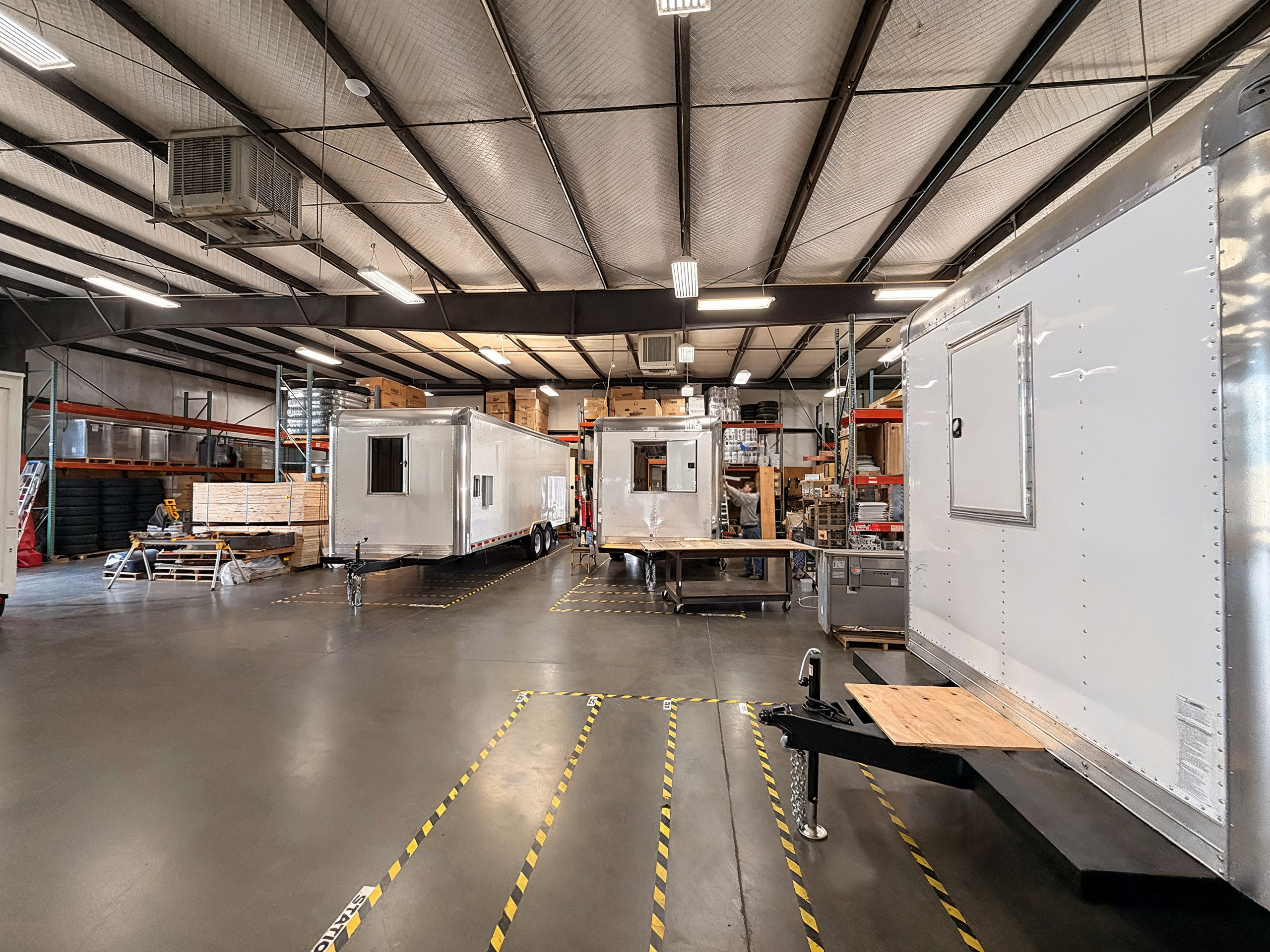
The team coordinates equipment, layout, plumbing, electrical systems, ventilation, sanitation features, water and wastewater systems, and other construction details as part of a complete custom food trailer. Applicable California HCD and insignia requirements can also be incorporated into the project.
Customers also receive support with trailer-related Health Department requirements, documentation, agency review preparation, inspections, and covered construction corrections within the scope of the applicable agreement.
Some responsibilities remain with the owner, including menu approvals, employee certifications, commissary arrangements, business registrations, taxes, zoning, operating locations, and other business-specific requirements.
Government agencies remain responsible for issuing final permits, licenses, certifications, inspections, insignias, and approvals.
You will typically need several separate approvals rather than one universal California food trailer permit.
Common requirements may include applicable HCD approval and a CA insignia, Environmental Health approval, local business registration, a California Seller’s Permit, Food Handler Cards, and food safety manager certification.
The final combination depends on your location, trailer classification, equipment, menu, preparation methods, and operating model.
No. Whether a food trailer requires HCD approval or a California insignia depends on its classification, construction, intended use, and applicable requirements.
When HCD requirements apply, they should be considered during design and manufacturing rather than after construction is complete.
Golden State Trailers designs and builds applicable food trailers with California construction requirements in mind and can coordinate trailer-related preparation associated with the insignia process.
The actual governmental approval or insignia is issued through the responsible state process.
Golden State Trailers stands behind the trailer-related work covered by the applicable approval guarantee and customer agreement.
When a covered construction correction is required during review, the team works with the customer to address that issue according to the agreement.
Final authorization remains with the responsible government agency and may also depend on menu requirements, commissary arrangements, business licensing, employee certifications, zoning, location-specific rules, documentation, and operating practices.
Possibly. Environmental Health requirements are administered locally, so operating in another county or jurisdiction may require an additional permit, inspection, plan review, or set of documents.
Approval in one jurisdiction should not automatically be treated as authorization to operate throughout California.
Possibly. Health Department approval and local business licensing are separate requirements.
A city, county, or other jurisdiction may also impose zoning, vending, parking, private-property, or operating requirements.
Employees subject to California food handler rules generally need a valid Food Handler Card within the timeframe established by applicable requirements.
The operation may also need an appropriately certified food safety manager.
No. A California Seller’s Permit relates to taxable sales and sales tax obligations rather than approval of the physical food trailer.
It does not replace HCD approval, Environmental Health approval, local business licensing, food safety certifications, or other permits that may apply.
The best time to address California food trailer requirements is before manufacturing begins. Planning around the intended menu, equipment, operating location, HCD requirements, and Health Department expectations can reduce expensive changes later.
Golden State Trailers brings these elements together within one custom food trailer project. From initial planning and equipment selection through manufacturing, California insignia preparation when applicable, Health Department review support, and inspection preparation, the team helps coordinate the trailer-related side of the process.
Tell us what you want to serve, where you intend to operate, and what type of trailer you need. Request a custom food trailer quote and our team can help develop a configuration around your project requirements.
This article is provided for general informational and educational purposes only. It does not constitute legal, regulatory, tax, licensing, compliance, or other professional advice.
Permit, licensing, certification, construction, inspection, and operating requirements can change and may vary based on the county, city, trailer classification, equipment, menu, preparation methods, operating location, and business model.
References to a Golden State Trailers approval guarantee apply only to the scope, services, conditions, exclusions, and obligations stated in the applicable customer agreement. Government permits, inspections, licenses, certifications, insignias, and final approvals remain subject to determination by the responsible agencies.
Before purchasing, building, modifying, or operating a food trailer in California, confirm current requirements with California HCD, CDTFA, the applicable Environmental Health authority, local licensing and zoning agencies, and any other government bodies responsible for your operation.