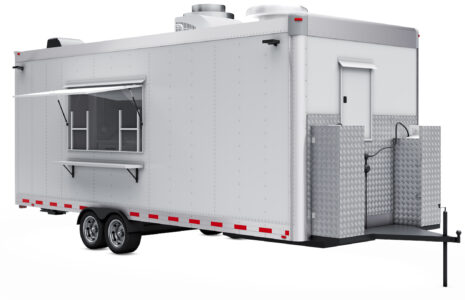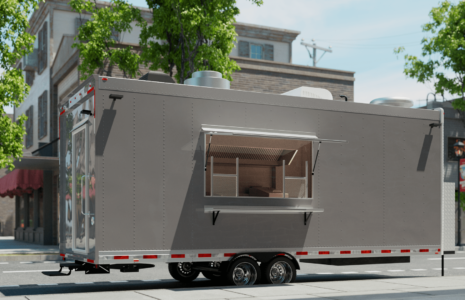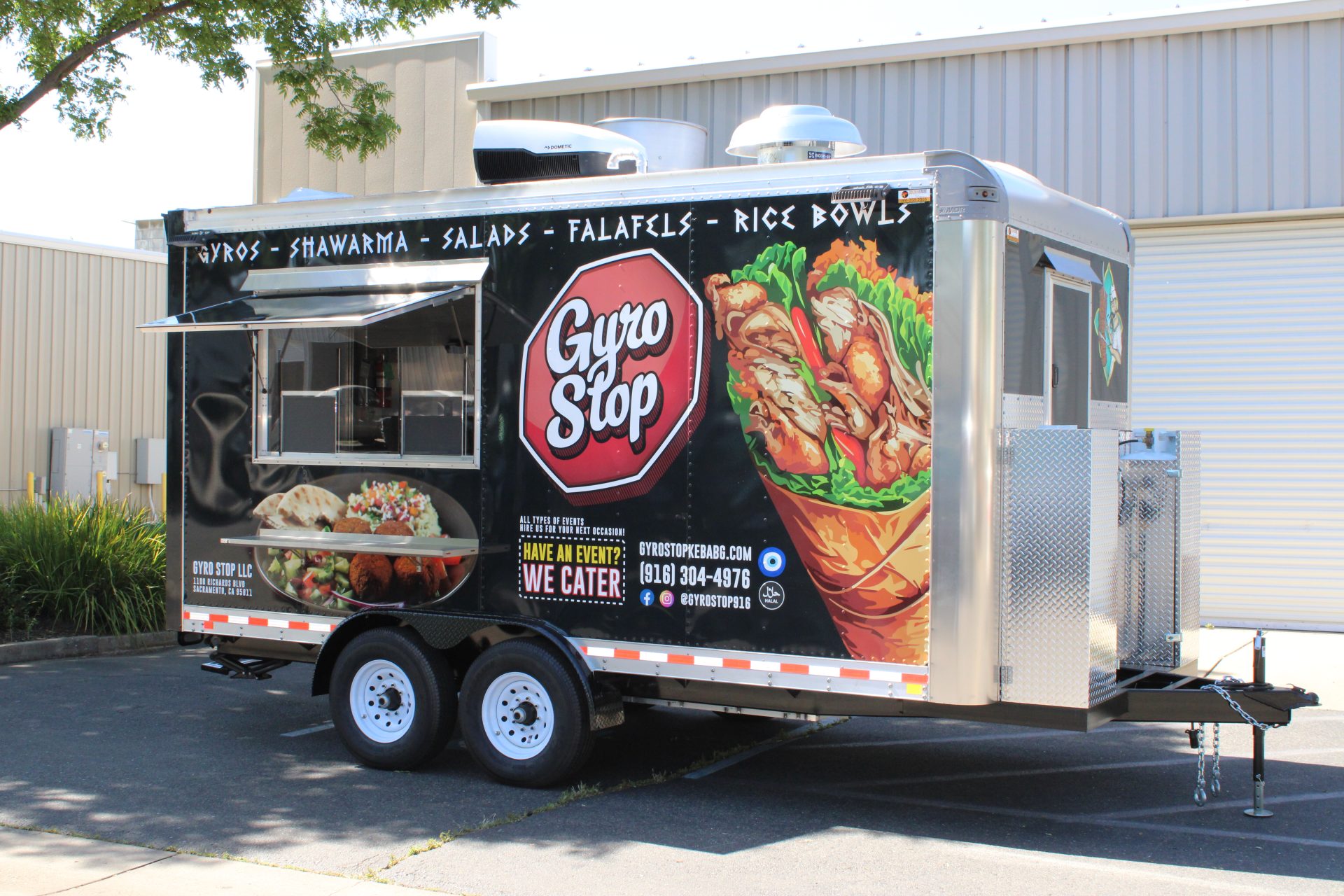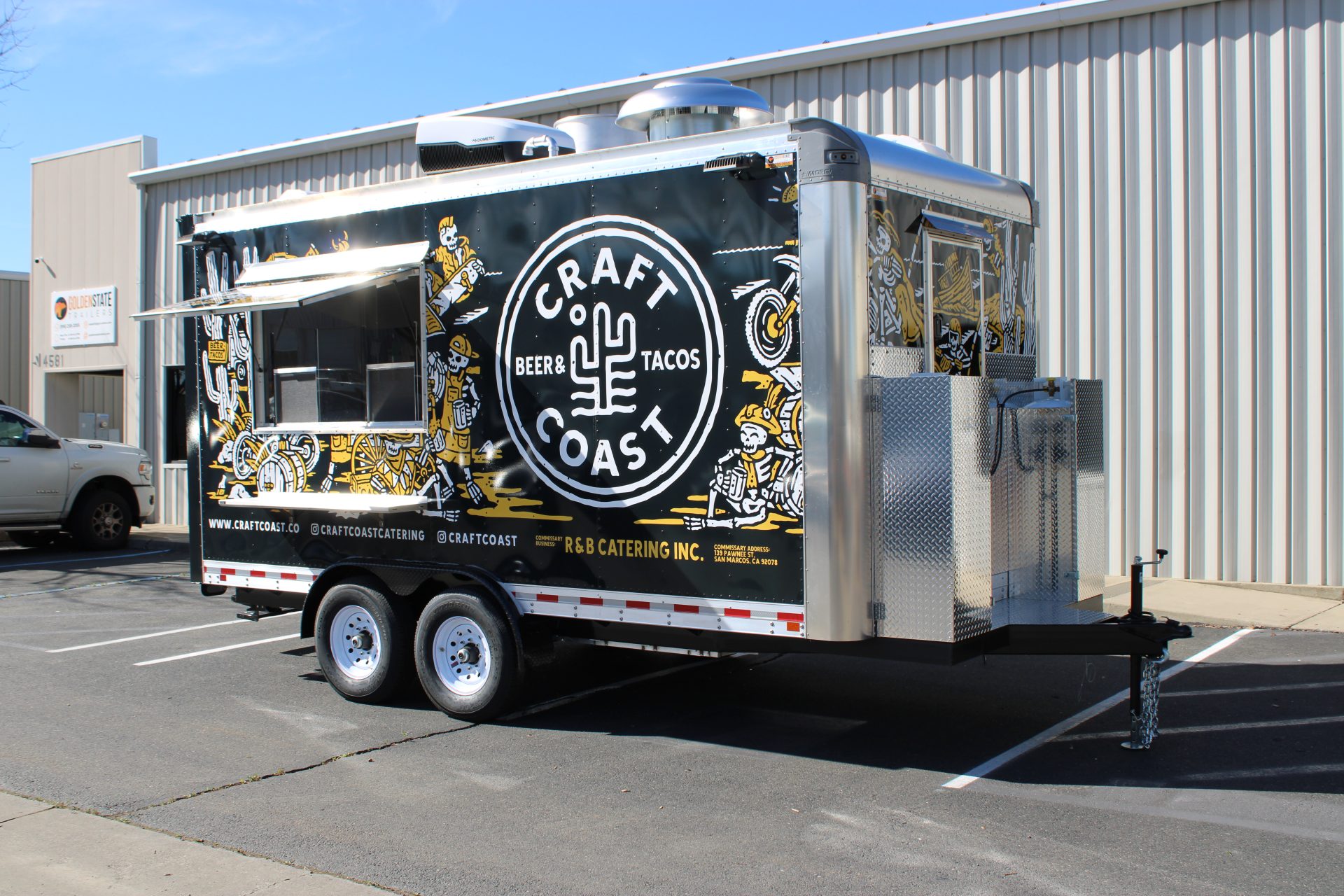


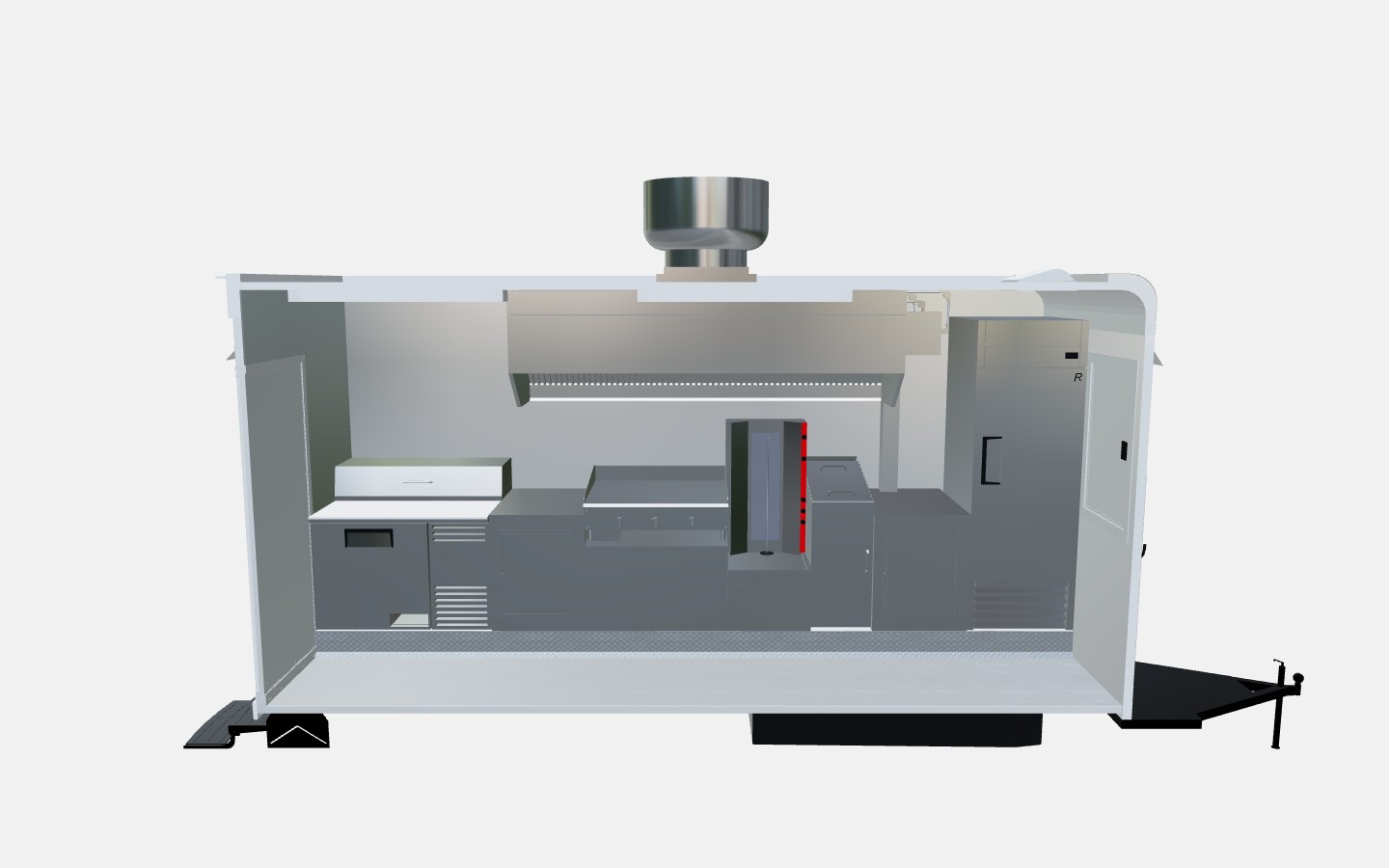
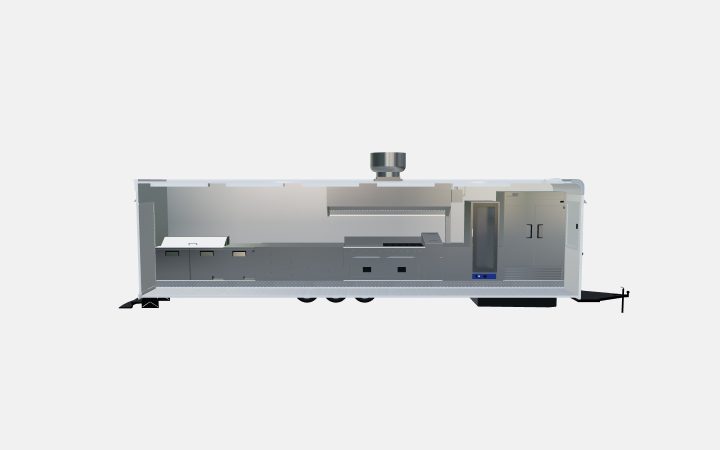
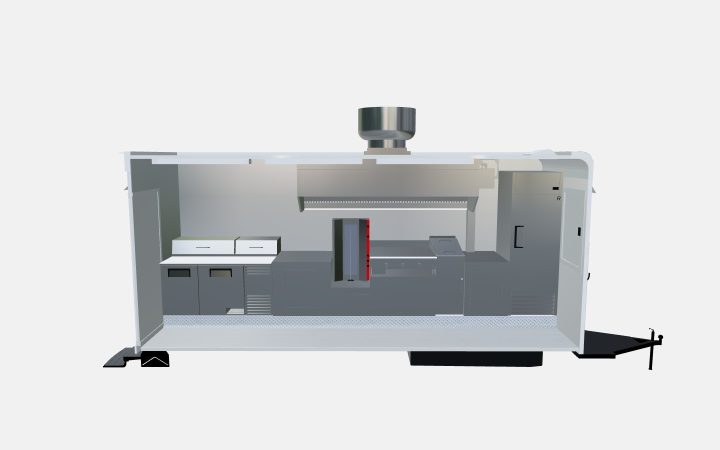
This custom 16ft shawarma and gyro food trailer is designed for vendors who want to operate a compact Mediterranean street food kitchen. The 16ft trailer provides enough space for grilling meats, preparing wraps, and organizing refrigerated ingredients.
This layout works well for shawarma vendors, gyro stands, and kebab businesses operating at street food locations, festivals, markets, and catering events.
Shawarma & Gyro Trailer Equipment List
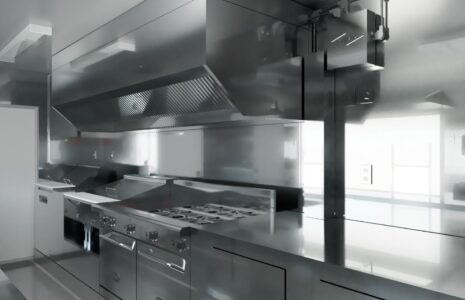
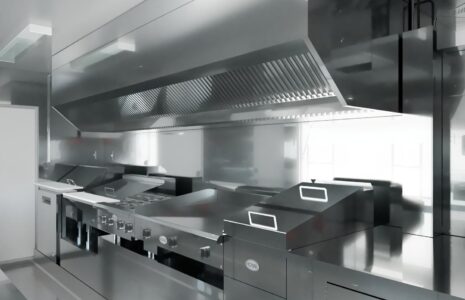
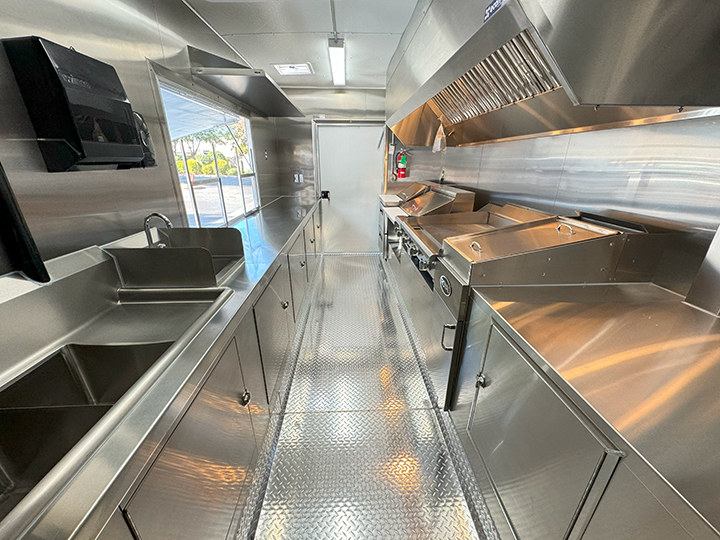
This shawarma food trailer includes commercial propane equipment used for preparing shawarma wraps, gyros, and other Mediterranean street food menu items.
- 21″ vertical shawarma broiler for roasting gyro and shawarma meat;
- 36″ manual gas griddle for warming pita bread and preparing grilled items;
- 15½” gas deep fryer for fries and fried sides;
- 12″ gas hot plate for sauces and additional cooking tasks;
- 44⅝” pizza prep table for organizing toppings, vegetables, and sauces;
- 27″ reach-in refrigerator for storing meats and refrigerated supplies.
The interior kitchen is built using commercial stainless steel preparation surfaces designed for durability and easy sanitation. The cooking equipment operates under an 8ft exhaust hood ventilation system that removes heat and smoke produced by the broiler and griddle.
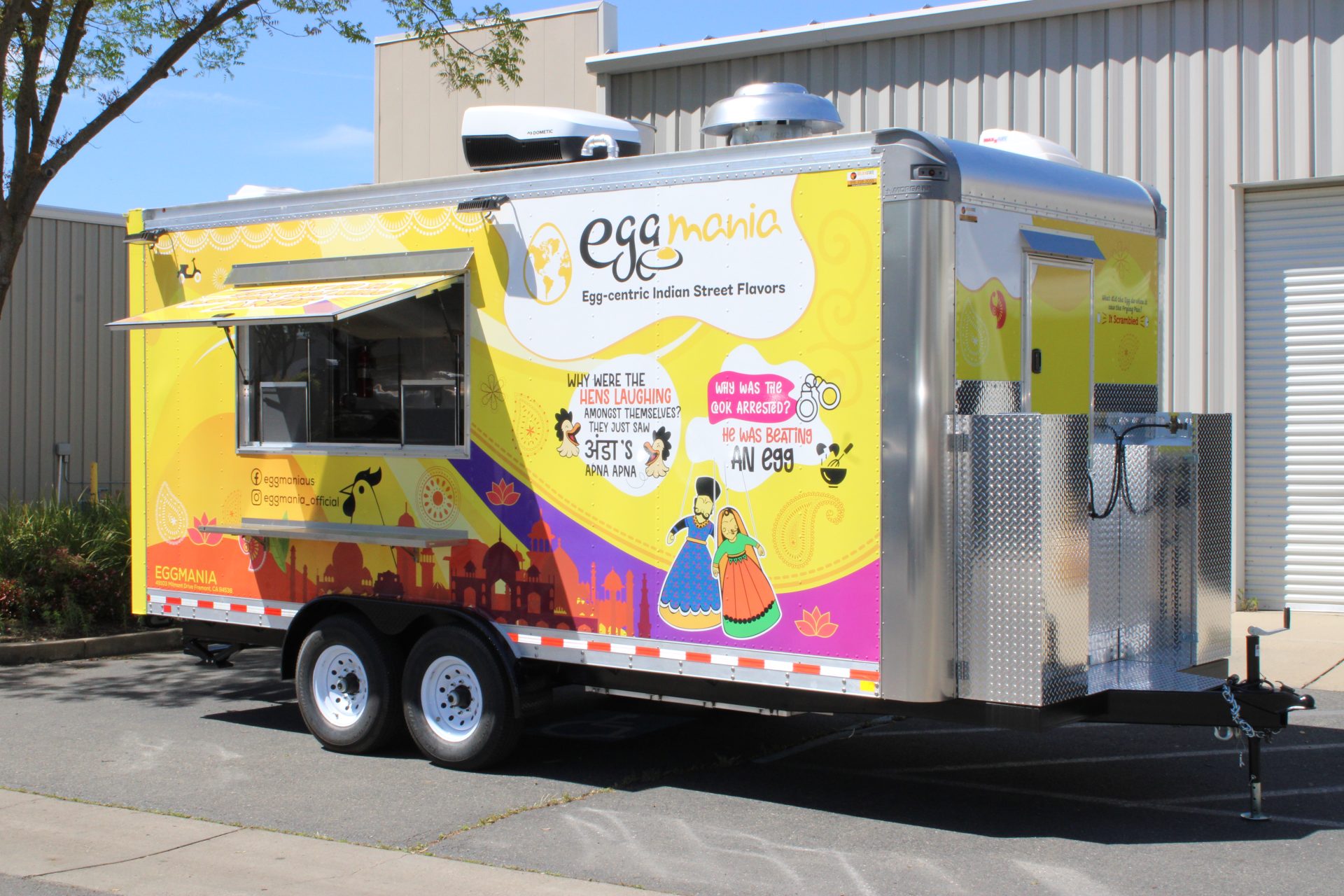
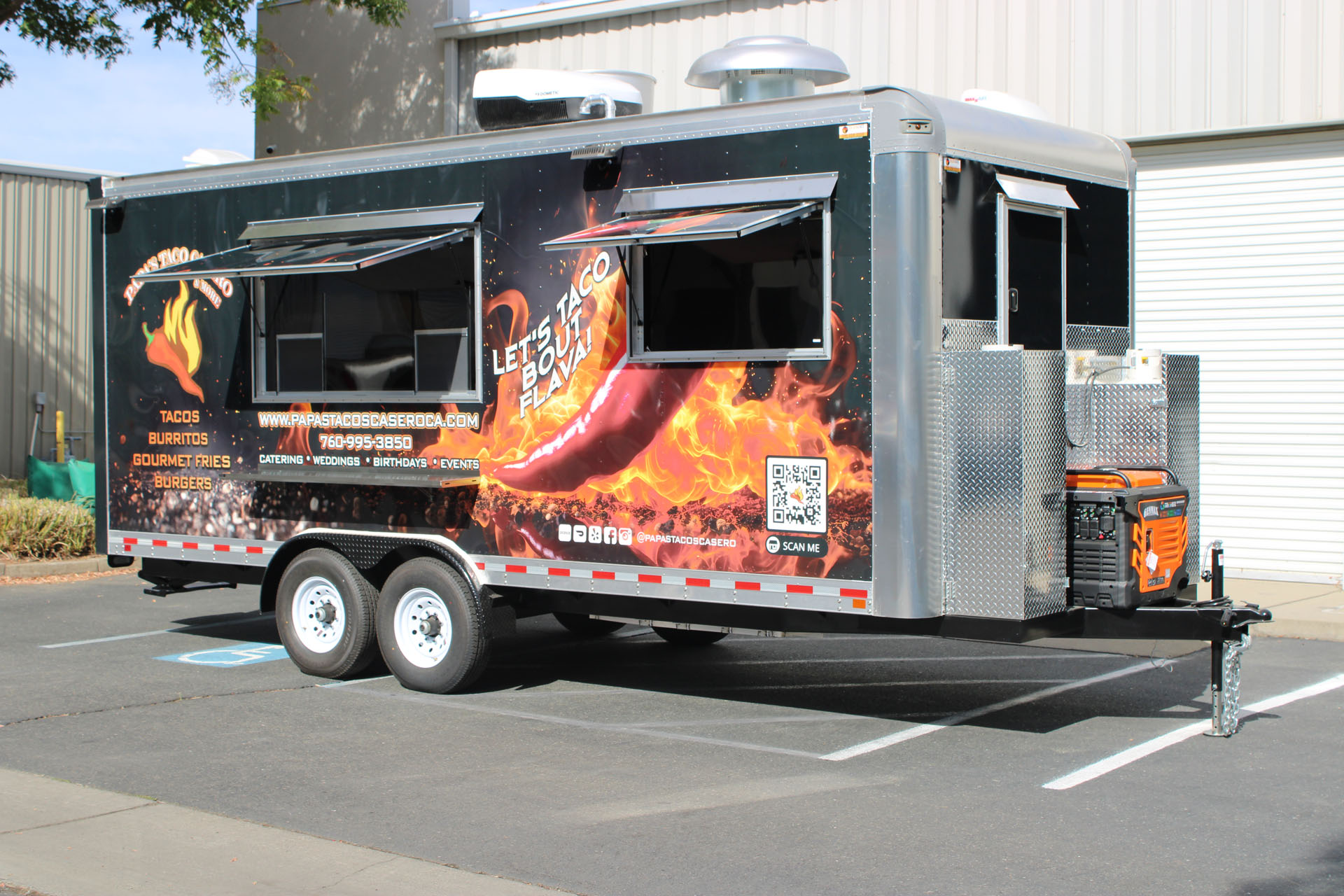
The exterior of the trailer can be finished with a full custom wrap, helping vendors display branding and attract customers at food markets, festivals, and busy street locations.
Compact Mediterranean kitchen for street food service
A 16ft shawarma food trailer provides an efficient kitchen layout for preparing gyro wraps, shawarma sandwiches, rice plates, and Mediterranean street food.
The combination of a vertical broiler, griddle, and refrigerated prep station allows operators to assemble orders quickly while maintaining consistent food quality.
Designed for food safety and inspections
All food trailers are designed with sanitation and food safety standards in mind. Stainless steel preparation areas and commercial refrigeration equipment support proper food handling practices required by local health departments.
Before construction begins, customers can review their kitchen layout using our food trailer configurator. This allows operators to confirm equipment placement and workflow before production starts.
Production and build process
After the order is confirmed, the trailer enters the planning stage where the layout and equipment configuration are finalized. The build process then continues through structural assembly, equipment installation, and system testing.
During manufacturing customers receive photo updates showing the progress of the build. Before delivery, the trailer undergoes a final inspection to ensure all systems and equipment operate correctly.