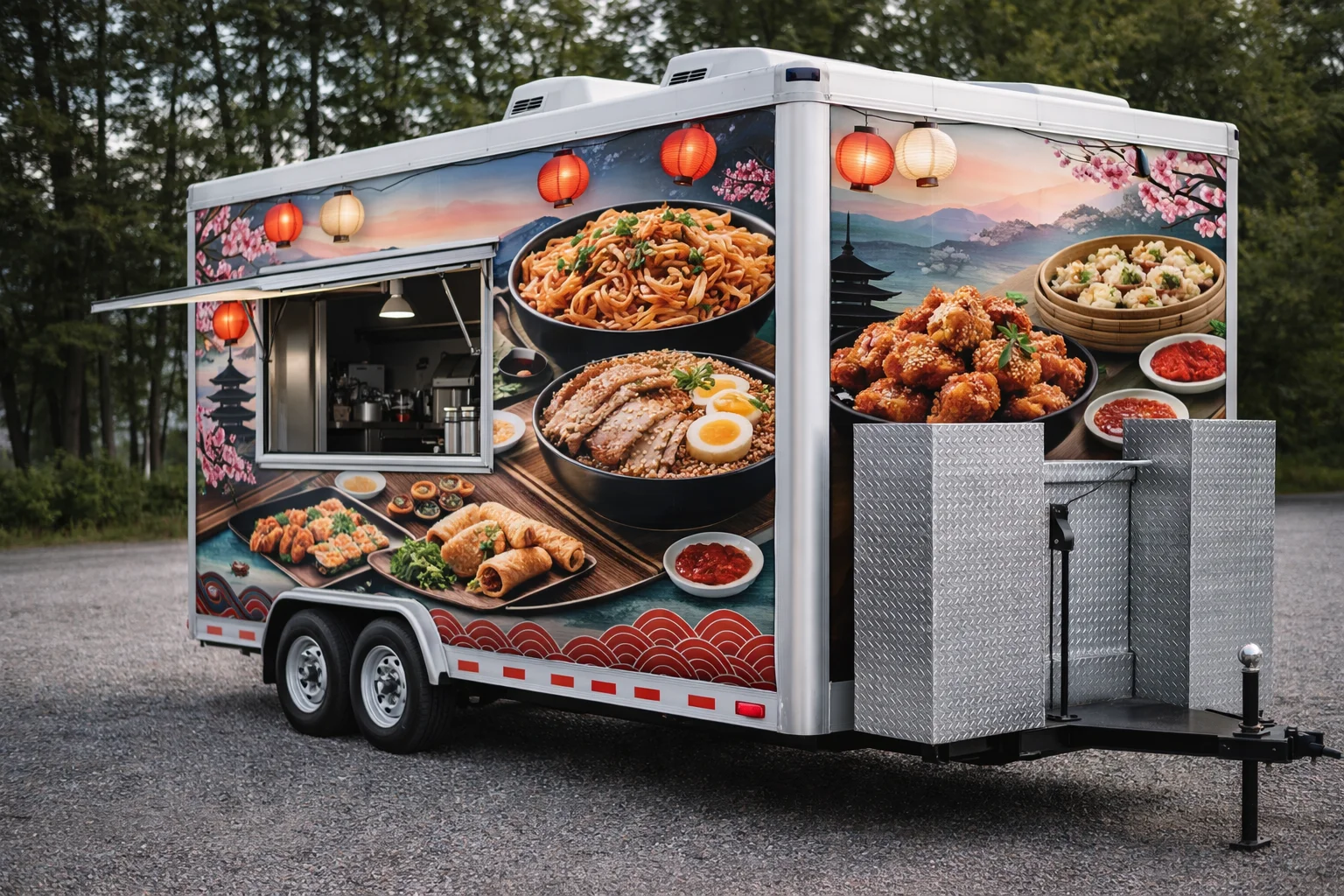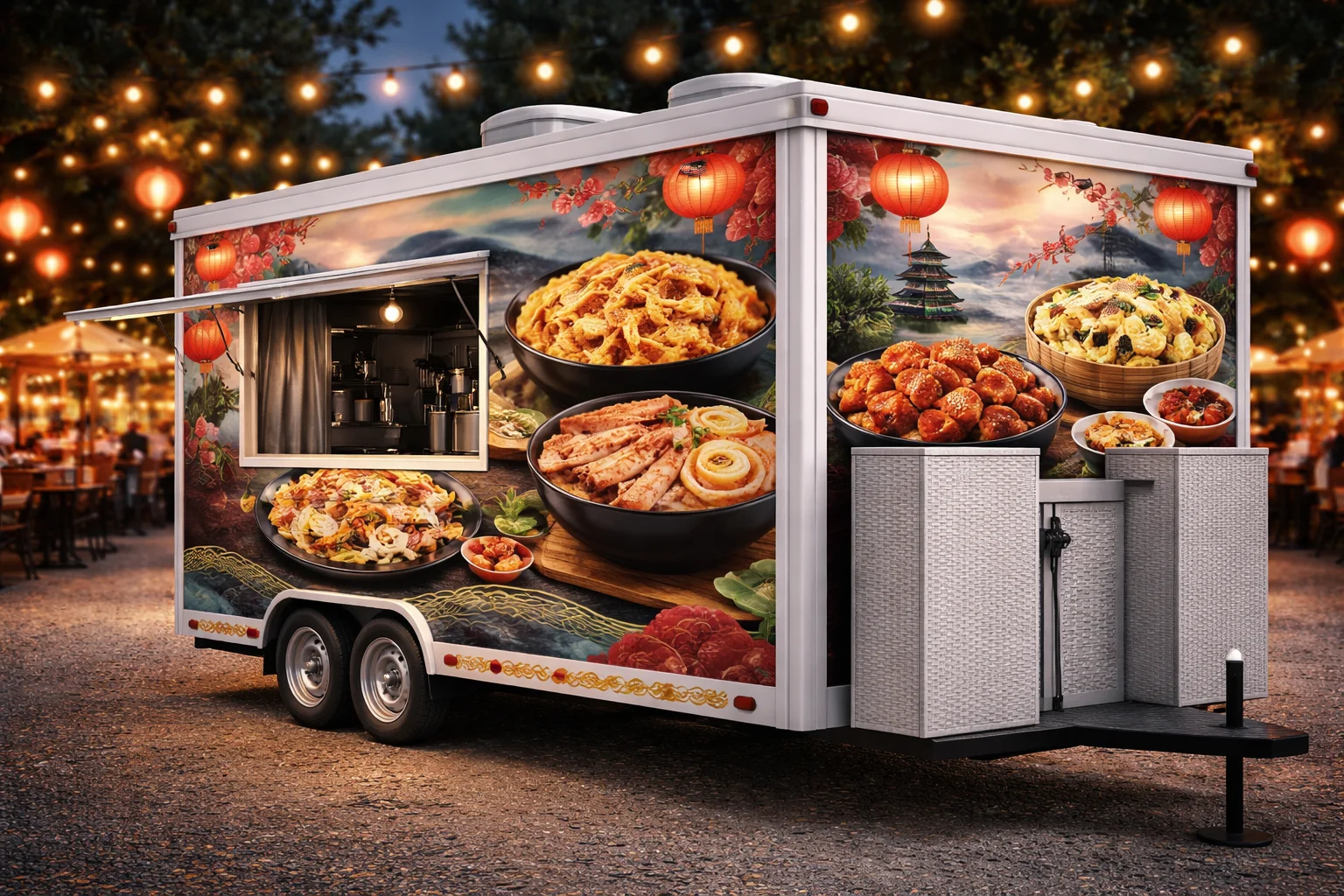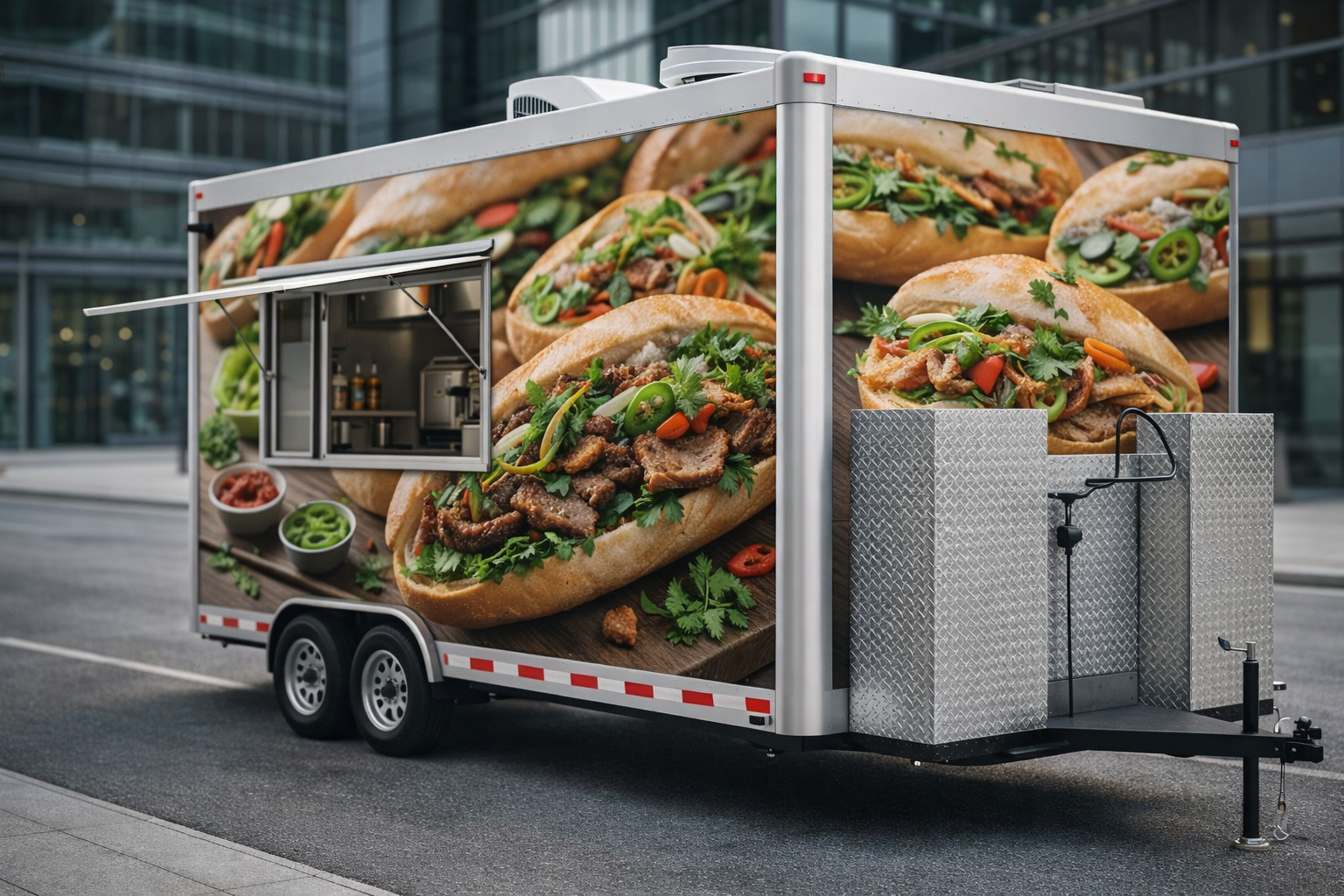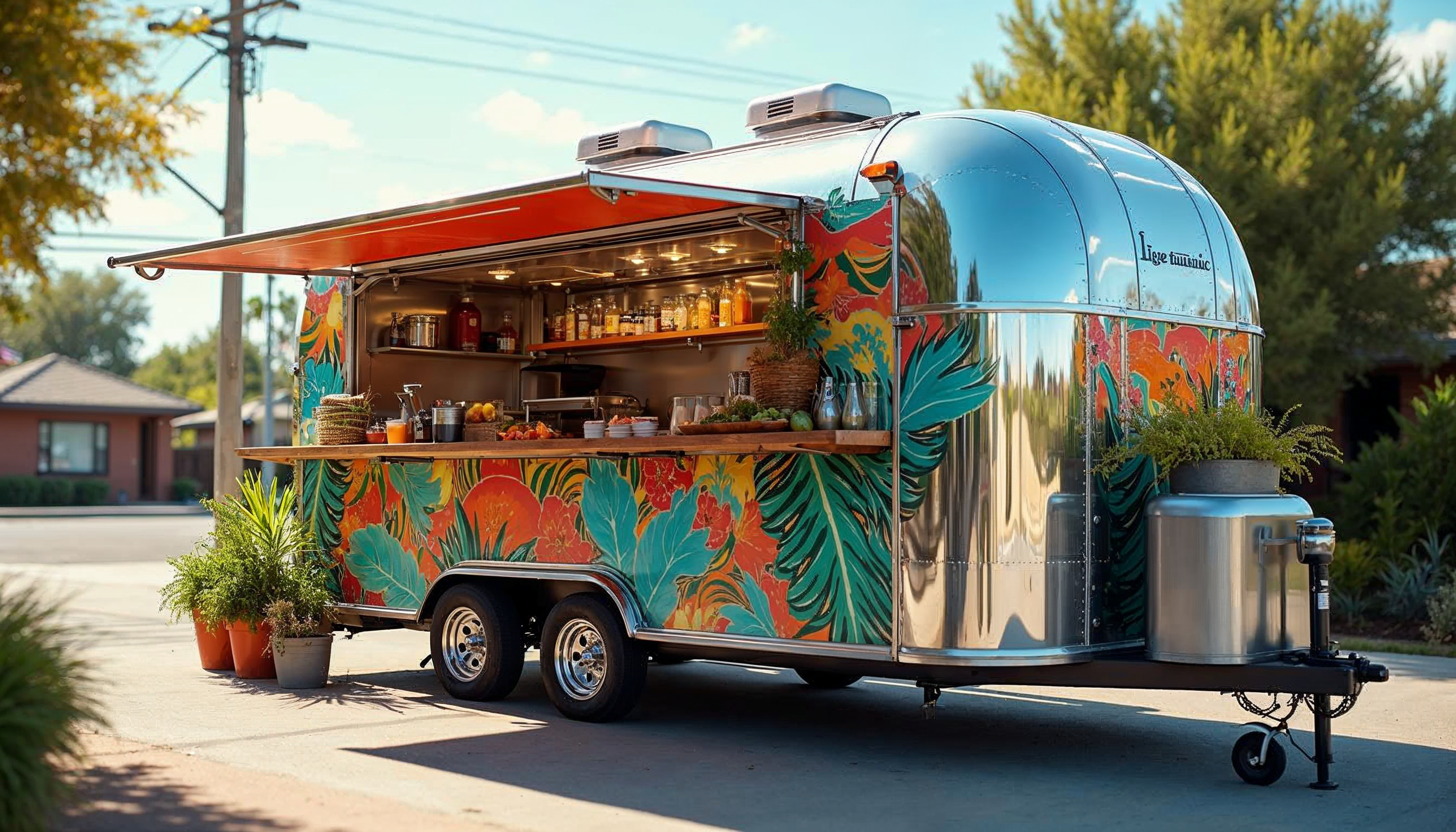
The rising awareness about gluten-related disorders and the trending healthy lifestyle choices have significantly increased the demand for gluten-free foods. For entrepreneurs looking to enter this rapidly growing market, starting a gluten-free food trailer business presents both opportunities and challenges that require careful planning and execution.
The gluten-free market has seen exponential growth in recent years. This surge is driven by individuals with celiac disease, gluten sensitivity, and those opting for gluten-free diets as part of a healthier lifestyle. With an estimated market worth billions, this sector offers ample scope for innovative food trailers to capitalize on the expanding consumer base.
Operating a gluten-free food trailer allows for a unique positioning in the food industry. It meets the growing demand for dietary-specific cuisines while offering flexibility and mobility that a traditional restaurant setting does not. Opportunities to cater at festivals, events, and regular locations can offer diverse income streams.
Running a gluten-free food trailer comes with its own set of challenges. Ensuring the availability of quality gluten-free ingredients and preventing cross-contamination are crucial. Stringent testing and labeling are essential to maintain trust with customers who rely on the accuracy of gluten-free claims. Moreover, the higher cost of gluten-free ingredients can affect pricing strategies.
Effective marketing is essential for the success of a gluten-free food trailer. Building a strong online presence through social media platforms and a dedicated website can attract a broad audience. Highlighting unique selling propositions, such as exclusive gluten-free items or locally sourced ingredients, can differentiate your business from competitors.
Developing a gluten-free menu requires creativity and knowledge. Focus on dishes that highlight naturally gluten-free ingredients, such as fresh vegetables, fruits, and meats, while including popular substitutes like quinoa, rice, and gluten-free grains. Consistently updating and innovating the menu can keep the offering appealing.
Faithful adherence to gluten-free meal production starts with the key ingredients. Common gluten-free staples include rice flour, almond flour, and tapioca starch instead of wheat-based products. Ensuring the integrity of cooking processes and sourcing raw materials that are certified gluten-free can help maintain consistency in offerings.
Many have successfully navigated the challenges of the gluten-free market. For example, businesses like Simple Eats, which started as a small trailer and expanded to multiple locations, showcase how dedication to high-quality gluten-free offerings can foster growth. Keeping a pulse on market trends and customer feedback has proven essential for longevity.
The primary challenges include ensuring the supply of safe gluten-free ingredients, preventing cross-contamination, and managing the higher cost of specialty ingredients, all of which affect pricing and profitability.
Market your food trailer by building a robust online presence including social media and appealing to dietary-specific groups, using unique selling points like unique menu items or locally sourced ingredients to gain competitive advantage.
Avoid ingredients containing wheat, barley, rye, and their derivatives to maintain a gluten-free menu. Also, pay attention to potential cross-contamination in processing facilities.
The profitability of a gluten-free food trailer depends on savvy ingredient sourcing, competitive pricing strategies, effective marketing, and addressing a loyal consumer base eager for gluten-free dining options.
LP Tank Heat Shield
“`html An LP Tank Heat Shield is a protective metal barrier installed between propane cylinders and heat-producing equipment in food trailers. Its primary purpose is to prevent radiant heat exposure, ensuring that LP tanks maintain safe and code-compliant temperatures. These shields are essential in mobile food operations where propane is frequently used to power cooking […]
Fresh Tank Baffle
“`html The Fresh Tank Baffle is an internal partition located within a mobile food unit’s freshwater tank. Its primary function is to minimize water movement during transit, thereby improving trailer stability and protecting plumbing connections from undue stress. Fresh tank baffles are essential in food trailers for ensuring smooth and safe towing, particularly on uneven […]
Road Shock Isolation Mount
“`html The Road Shock Isolation Mount is a specialized vibration-dampening system designed to secure equipment within a food trailer. Its primary purpose is to minimize the impact of road shock and vibrations during transportation, thereby protecting sensitive equipment and ensuring longevity. This system is commonly employed in mobile food operations where equipment stability and protection […]