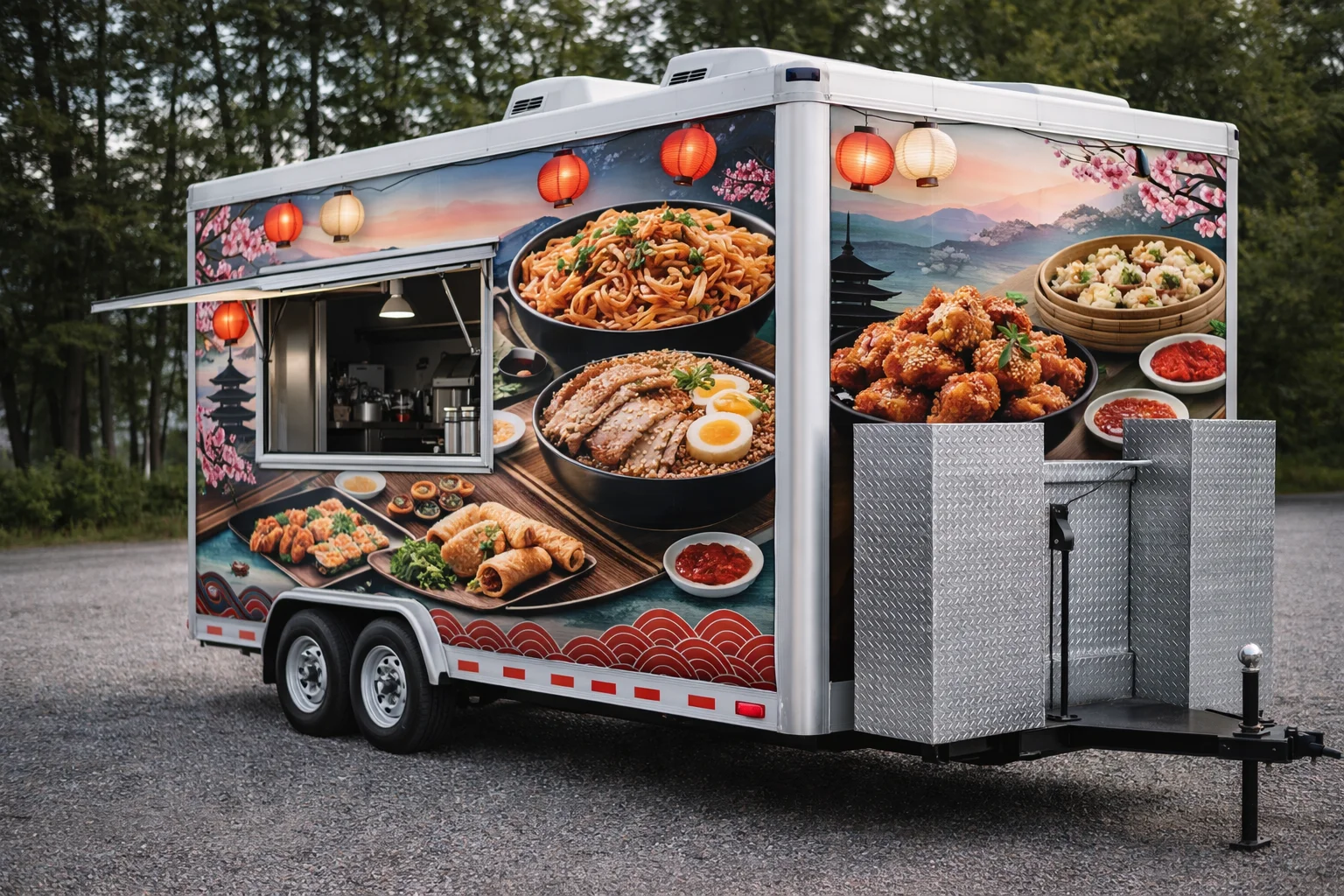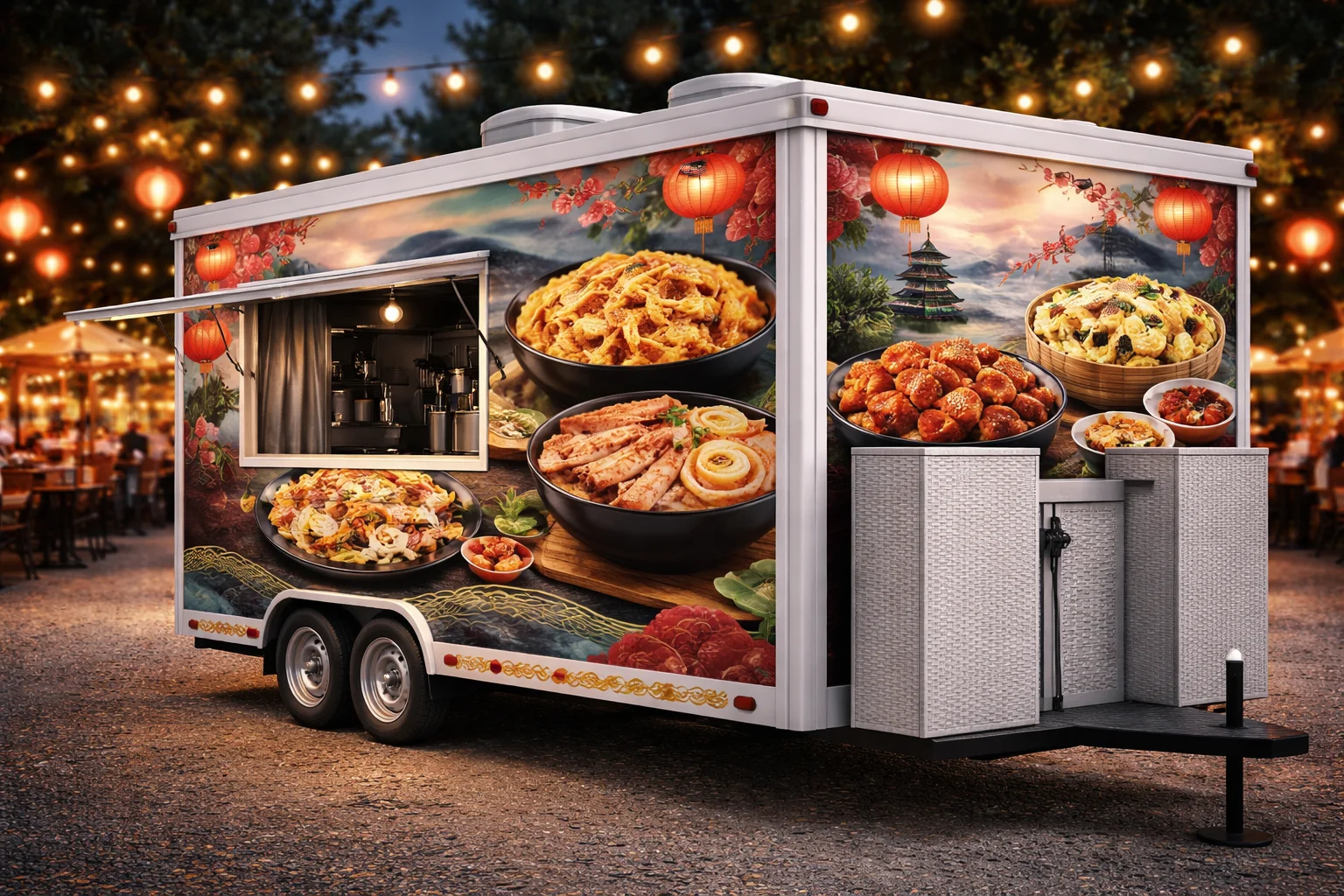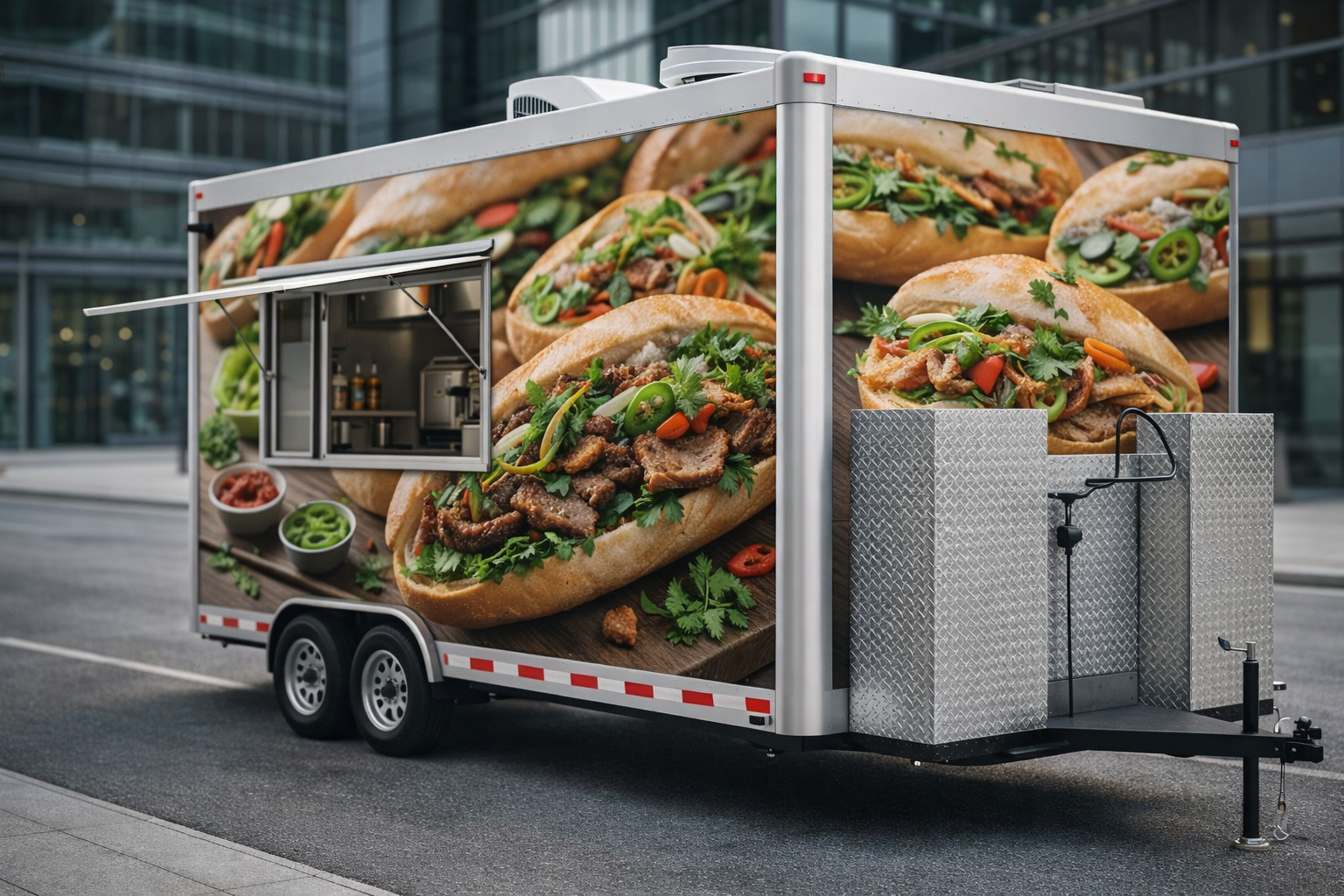
An Equipment Label Audit is a formal inspection process that confirms all equipment installed in a food trailer bears the required safety, certification, and compliance labels. These labels must align with applicable local, state, and federal codes, including standards from organizations such as NSF, UL, and ANSI. In mobile food operations, audits are critical during the trailer build-out phase, before health department inspections, and as part of ongoing compliance checks to ensure legal operation and minimize risk.
Schedule regular label audits, particularly before inspections, after equipment upgrades, or when entering new jurisdictions. Maintain a checklist of required certifications specific to your region, and store digital copies of all labels for reference. Working with a qualified manufacturer like Golden State Trailers ensures your trailer is equipped with properly labeled components from the start, reducing compliance risks and project delays.
Generator Ground Rod Kit
“`html A Generator Ground Rod Kit is a portable grounding assembly used to ensure the safe operation of trailer-mounted generators by connecting them to the earth ground. This setup is crucial in maintaining electrical safety standards and complying with inspection requirements at events or job sites. In the context of food trailers, these kits are […]
Galley Flow Mapping
Galley Flow Mapping is the structured analysis and planning of a food trailer’s interior kitchen layout to streamline staff movement, equipment placement, and task sequencing. In the confined environment of a mobile food unit, effective galley flow design minimizes congestion, enhances safety, and supports consistent food quality. This process is critical during initial trailer buildouts […]
Road Shock Isolation Mount
“`html The Road Shock Isolation Mount is a specialized vibration-dampening system designed to secure equipment within a food trailer. Its primary purpose is to minimize the impact of road shock and vibrations during transportation, thereby protecting sensitive equipment and ensuring longevity. This system is commonly employed in mobile food operations where equipment stability and protection […]