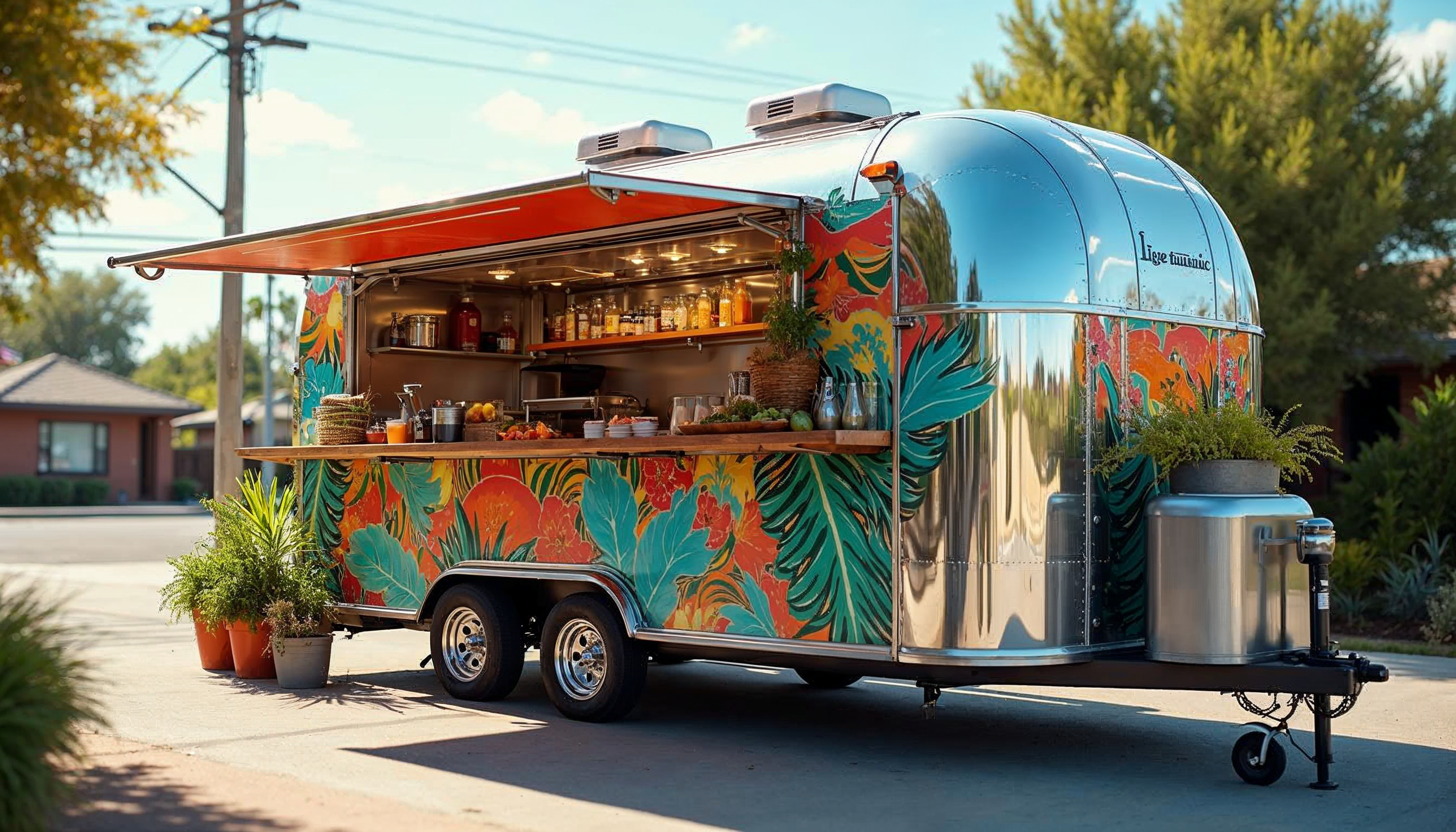
For entrepreneurs exploring dynamic and promising food business opportunities, investing in smoked meats food trailers presents an attractive option. With growing demand for savory, high-quality meals served on-the-go, smoked meats offer a distinct advantage.
Smoked meats have a unique flavor profile that garners widespread appeal. Smokers create a flavor complexity that can turn a simple meal into a gourmet experience. Food trailers dedicated to smoked meats can capitalize on this demand by offering variety and quality that stand out in the marketplace.
Furthermore, the portability of food trailers means you can reach a broader audience while participating in events, fairs, and other high-traffic locations. The lower overhead compared to brick-and-mortar restaurants allows for more competitive pricing and experimentation with menu options, thereby increasing your customer base.
Like any business venture, initial costs can be daunting. However, considering a trailer for your smoked meats business presents a faster potential return on investment (ROI). Without the need for a significant permanent space, overhead costs such as rent, utilities, and property taxes are greatly minimized.
Furthermore, the ability to test different locations and adjust your offerings in response to customer preferences can facilitate a quicker path to profitability. Successful operators often see returns within the first year of operation.
The menu is key to attracting and retaining a loyal clientele. Some of the most popular smoked meats include brisket, ribs, pulled pork, and smoked chicken. These offerings can be enhanced with unique sauces and sides, creating signature dishes that customers come back for. The versatility of smoked meats lends itself well to creating diverse menu options that can fit various tastes and dietary preferences.
A smoked meats food trailer is not only about serving good food but also creating a memorable experience. Engaging with customers through social media, offering loyalty programs, and participating in local events can build a strong customer base. Personalized service and consistent quality often lead to repeat business.
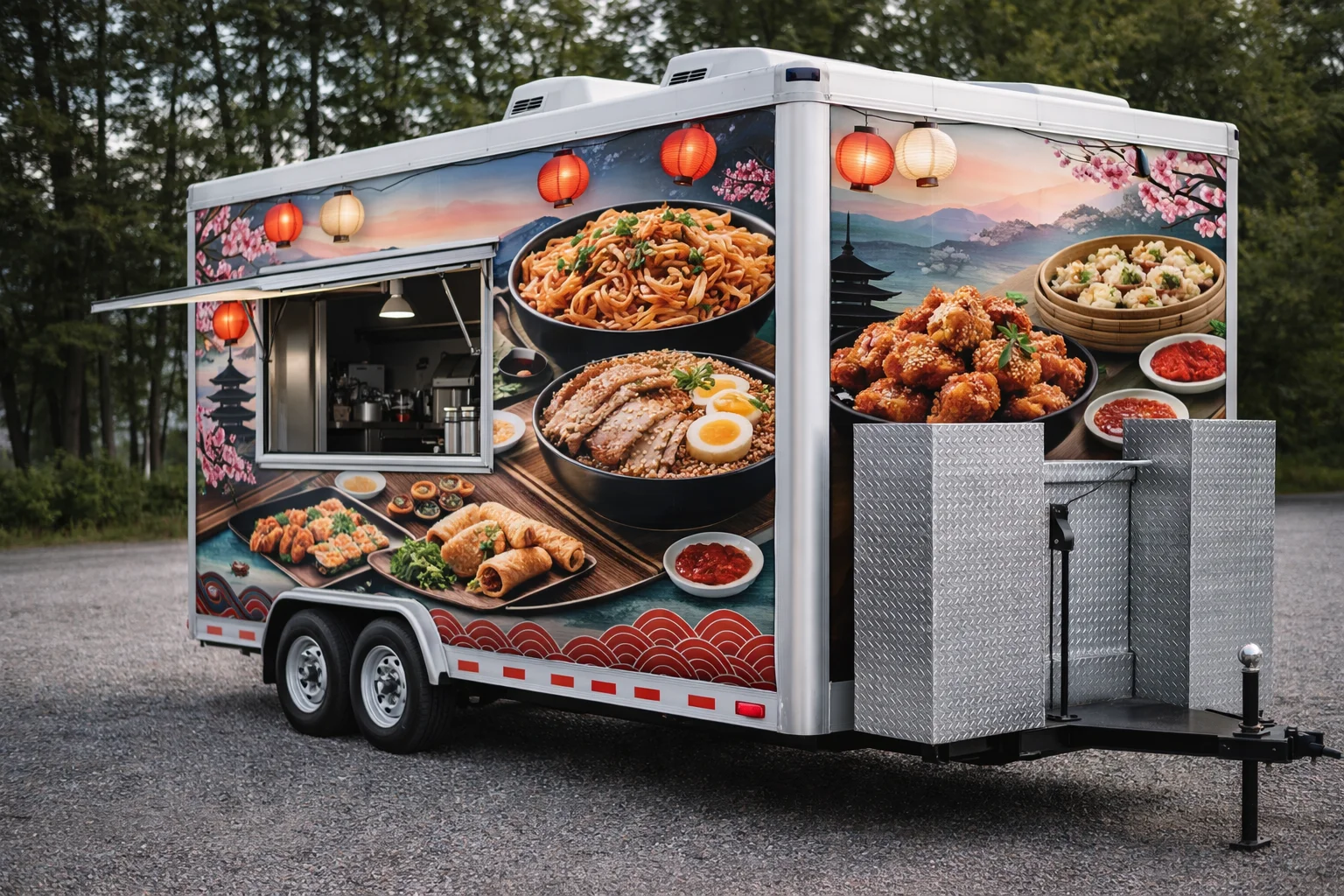
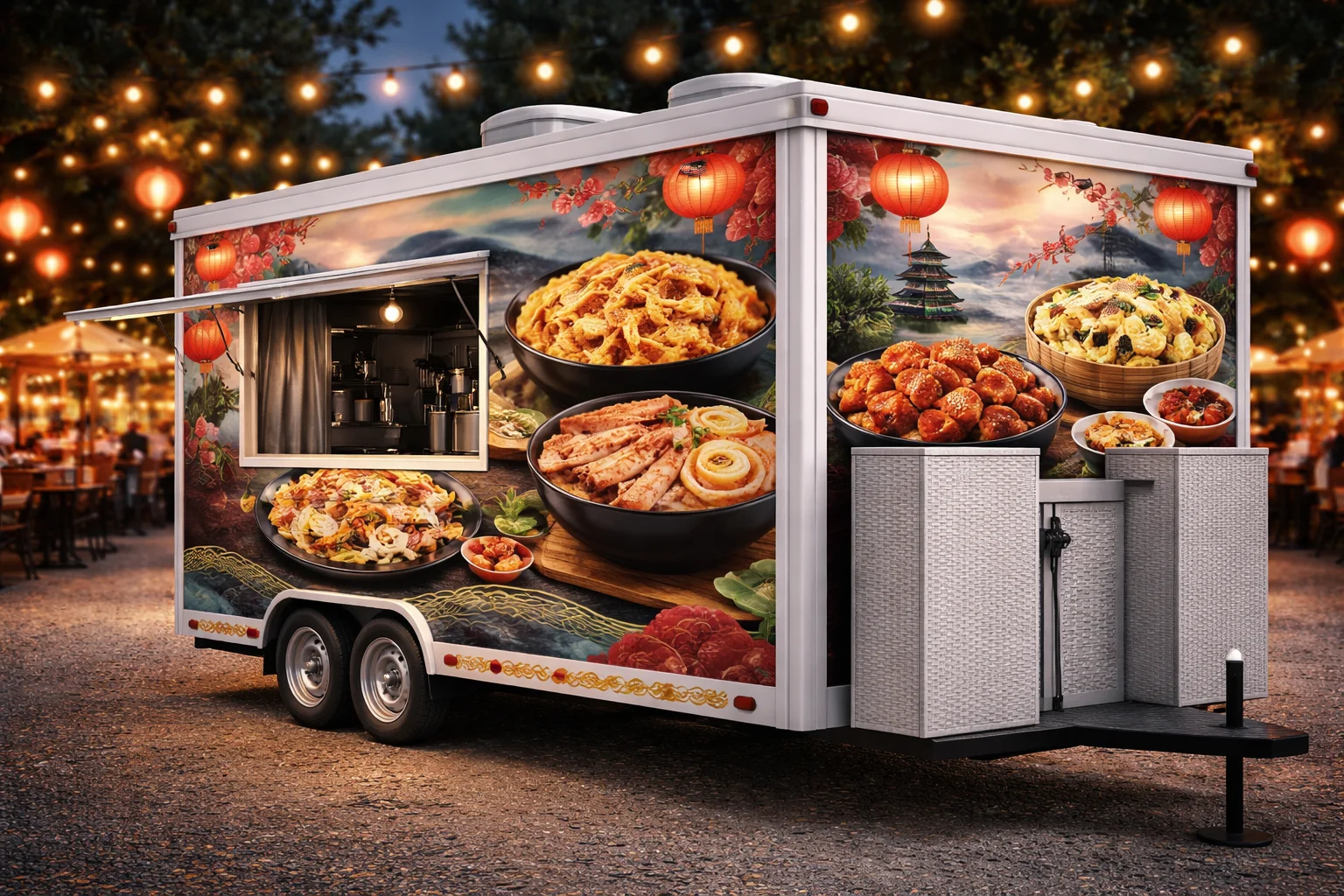
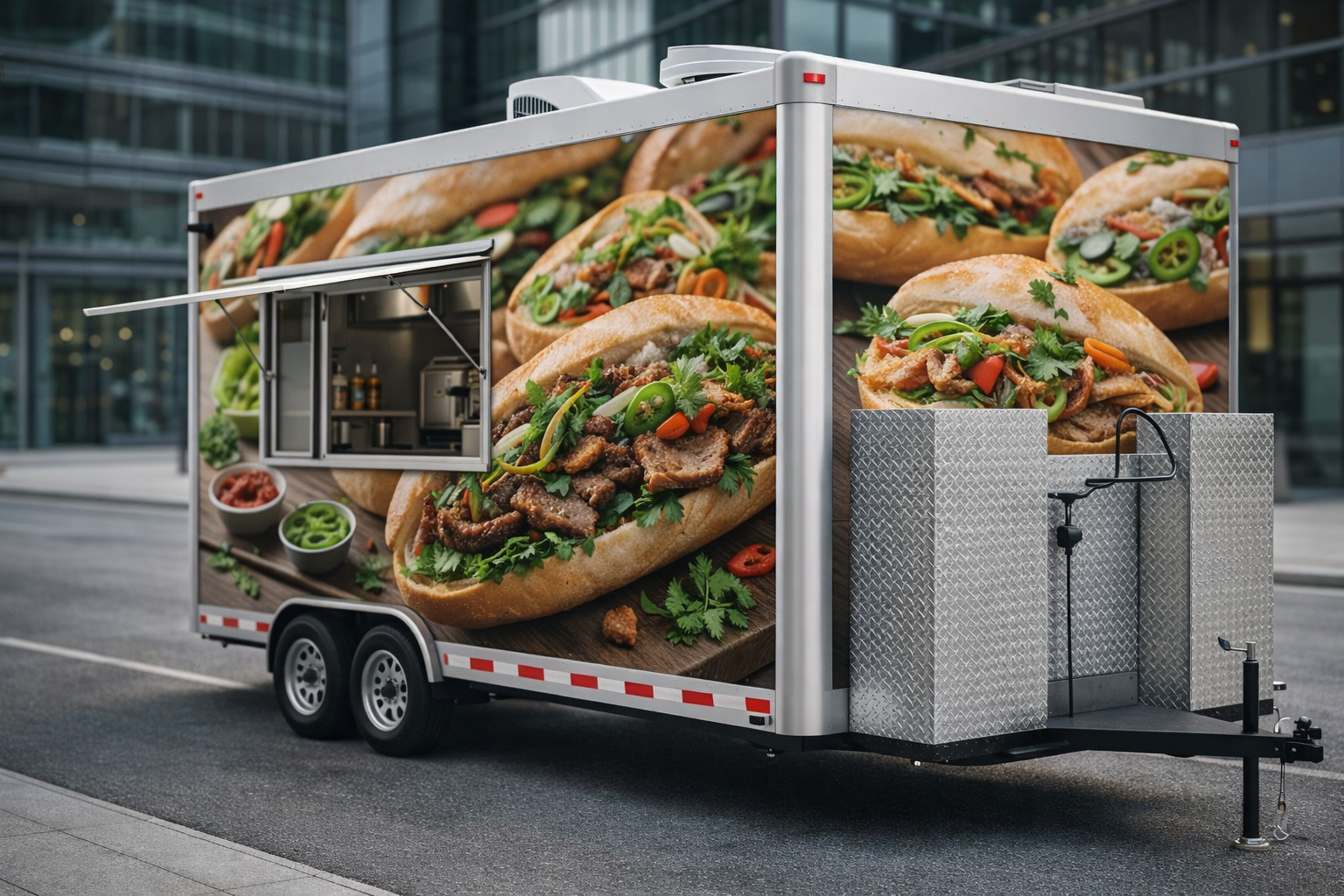
Additionally, utilizing visually appealing designs and effective branding on your trailer can attract passers-by. A visually engaging setup creates curiosity and encourages customers to try your offerings.
The combination of unique flavors, the ability to operate with lower overhead, and the increasing demand make smoked meats food trailers a promising business investment.
Through the offering of high-quality, flavorful food and engaging customer service. Visibility at high-traffic events and a strong social media presence further draw in the crowd.
Brisket, ribs, pulled pork, and smoked chicken are among the top choices, often enhanced with distinct sauces and side dishes.
Key costs include the purchase or lease of the trailer, equipment, licensing, supplies, and marketing expenses. These are offset by lower recurring costs compared to traditional restaurants.
Inverter Cooling Vent
An Inverter Cooling Vent is a dedicated ventilation component that helps dissipate heat generated by the power inverter in a food trailer. The inverter converts DC power from the battery bank into AC power for running kitchen appliances and systems. To operate safely and efficiently, the inverter must remain within its recommended temperature range. The […]
The Rise of Corn Dog Food Trailers: A Delicious Business Opportunity
Understanding the Popularity of Corn Dogs The corn dog, a classic American snack, is celebrated for its crunchy exterior and soft interior. Originating from state fairs and carnivals, corn dogs have evolved into a beloved continually enjoyed treat. Their simplicity and delightful taste contribute significantly to their wide appeal. The combination of a juicy sausage […]
local ingredients
Using Local Ingredients for Your Cocktail Bar Food Trailer In the competitive world of food trailers, distinguishing your cocktail bar can hinge on the quality and originality of your offerings. An effective strategy to gain an edge is to incorporate local ingredients into your menu. This approach not only enhances the taste and freshness of […]