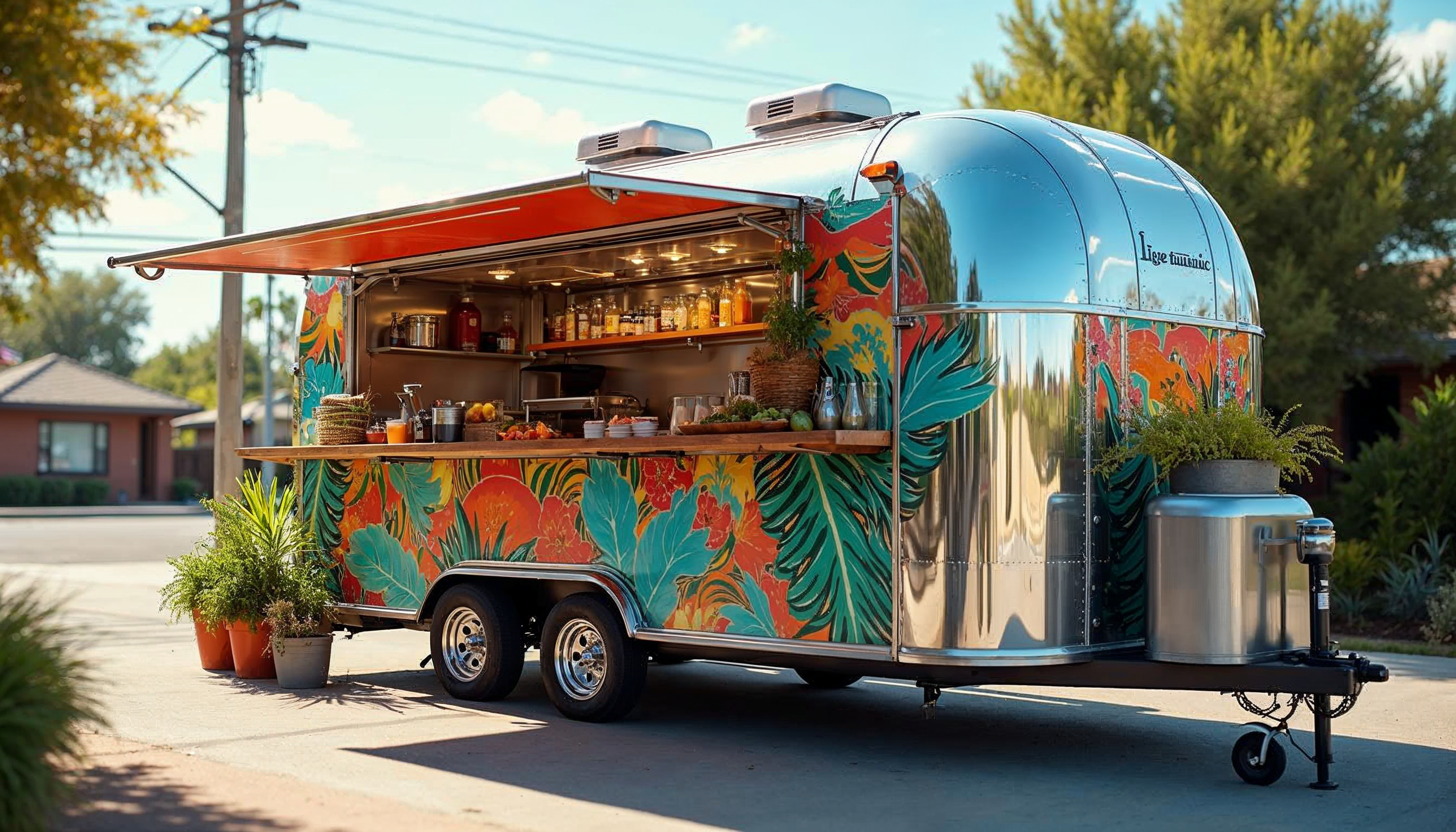
Operating a seasonal business, such as a snowball food trailer, requires strategic planning and execution to maximize profitability and sustain operations year-round. From understanding demand fluctuations to implementing effective marketing and operational strategies, seasonal businesses have unique challenges and opportunities.
Seasonal businesses thrive on particular times of the year when consumer demand peaks. These enterprises must fine-tune their operations to make the most of high-demand periods and plan for the lean times effectively. Snowball food trailers, synonymous with summer and warm weather events, epitomize such a business model.
For snowball food trailers, demand surges during late spring through summer when consumers seek refreshing, icy treats to combat the heat. Operators need to analyze past sales data meticulously to predict demand accurately. Understanding the local market and customer preferences is equally crucial for timing openings, menu designs, and stocking levels. Leveraging data from platforms like social media can also provide insights into customer expectations and weather-related demand swings.
To capitalize on peak season demand, snowball trailer operators should consider expanding hours of operation, offering special promotions, and introducing high-margin menu items. Collaborating with local events, markets, or festivals can boost visibility and customer engagement. It’s important to streamline operations to handle increased customer volumes efficiently without compromising service quality.
During the off-season, snowball food trailer businesses can focus on maintenance and upgrades for equipment, exploring potential indoor pop-up events, or even offering catering services for private events. These strategies not only generate additional income but also keep the brand relevant. Networking with other seasonal businesses can provide additional joint venture opportunities during the slower months.
An effective marketing strategy is vital for reminding consumers of your brand’s existence during off-seasons and attracting them during peak times. Digital marketing, including social media campaigns and email newsletters, can keep your audience engaged. Special promotions for early season openers or seasonal discounts help maintain a steady customer base. Utilizing customer feedback to tailor marketing campaigns can significantly improve engagement rates.
Adapting to climate and consumer trends is essential for sustained success in the snowball food trailer industry. Staying attuned to climate forecasts allows business adjustments accordingly, like opening earlier if an unseasonably warm spring arises. Keeping abreast of consumer trends, such as preference for organic or exotic flavors, facilitates menu updates that cater to evolving tastes. Innovating based on these trends can set a snowball stand apart from competitors.
Successful seasonal food trailers have learned to pivot and innovate continuously. By evaluating success stories, operators can gain insights into effective practices and strategies. For example, a snowball trailer that doubled its revenue by introducing a winter line of hot beverages provides valuable learnings. Exploring diverse product lines and customer engagement strategies that have worked for others can offer inspiration and practical solutions.
The best strategies involve thoroughly understanding market demand, optimizing operations for peak times, and maintaining brand presence during off-seasons through marketing and diversified business activities.
Strategies include extending operational hours, introducing high-margin products, collaborating with local events, and ensuring operational efficiency to handle increased customer volumes.
Challenges include maintaining cash flow, retaining brand presence, and finding creative ways to generate income. Engaging in maintenance, exploring alternative business opportunities, and marketing efforts are key.
Effective marketing for seasonal businesses involves targeted campaigns that engage customers year-round, leveraging social media, email marketing, and promotions that align with the seasons, ensuring brand visibility and customer loyalty.
Shore Power Backfeed
Shore Power Backfeed is a hazardous electrical condition in which power from a food trailer’s generator or inverter flows unintentionally into the external shore power grid. This typically happens due to improper switching between power sources or faulty wiring. In mobile food operations, shore power is commonly used when parked at locations with grid access, […]
Shore Cord Gland
The Shore Cord Gland is a weather-resistant fitting installed at the point where a shore power cord enters a food trailer. It serves two main purposes: sealing the entry point to prevent moisture, dust, and debris from entering the trailer, and relieving mechanical strain on the cord to protect internal electrical connections. In mobile food […]
gourmet food
Introduction to Wine Bar Food Trailers Wine bar food trailers are emerging as a notable trend in the gourmet food industry, offering a unique blend of mobility and culinary sophistication. These trailers allow for the fusion of high-quality wines and gourmet dishes, creating a dynamic dining experience that is both novel and exciting. The Renaissance […]