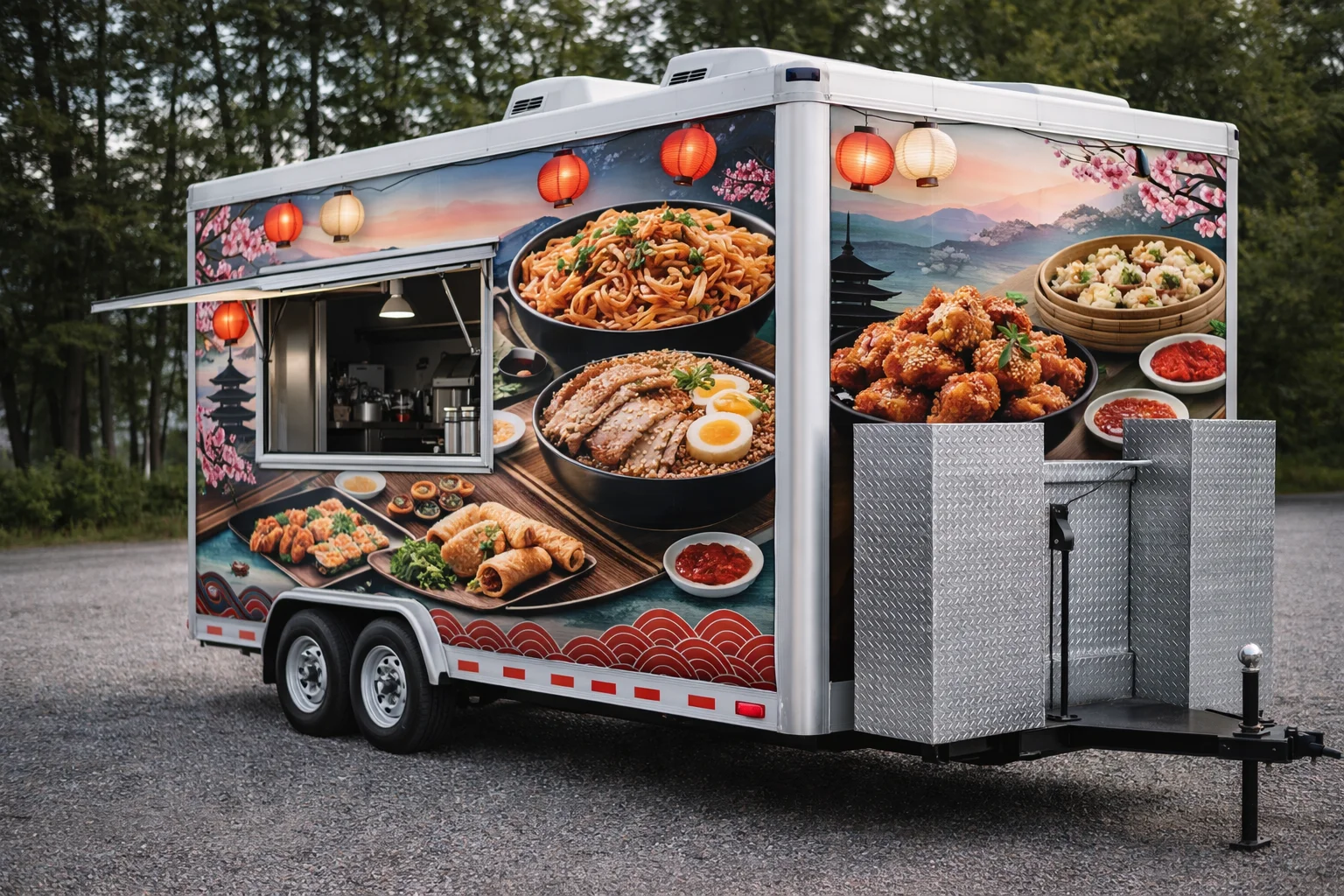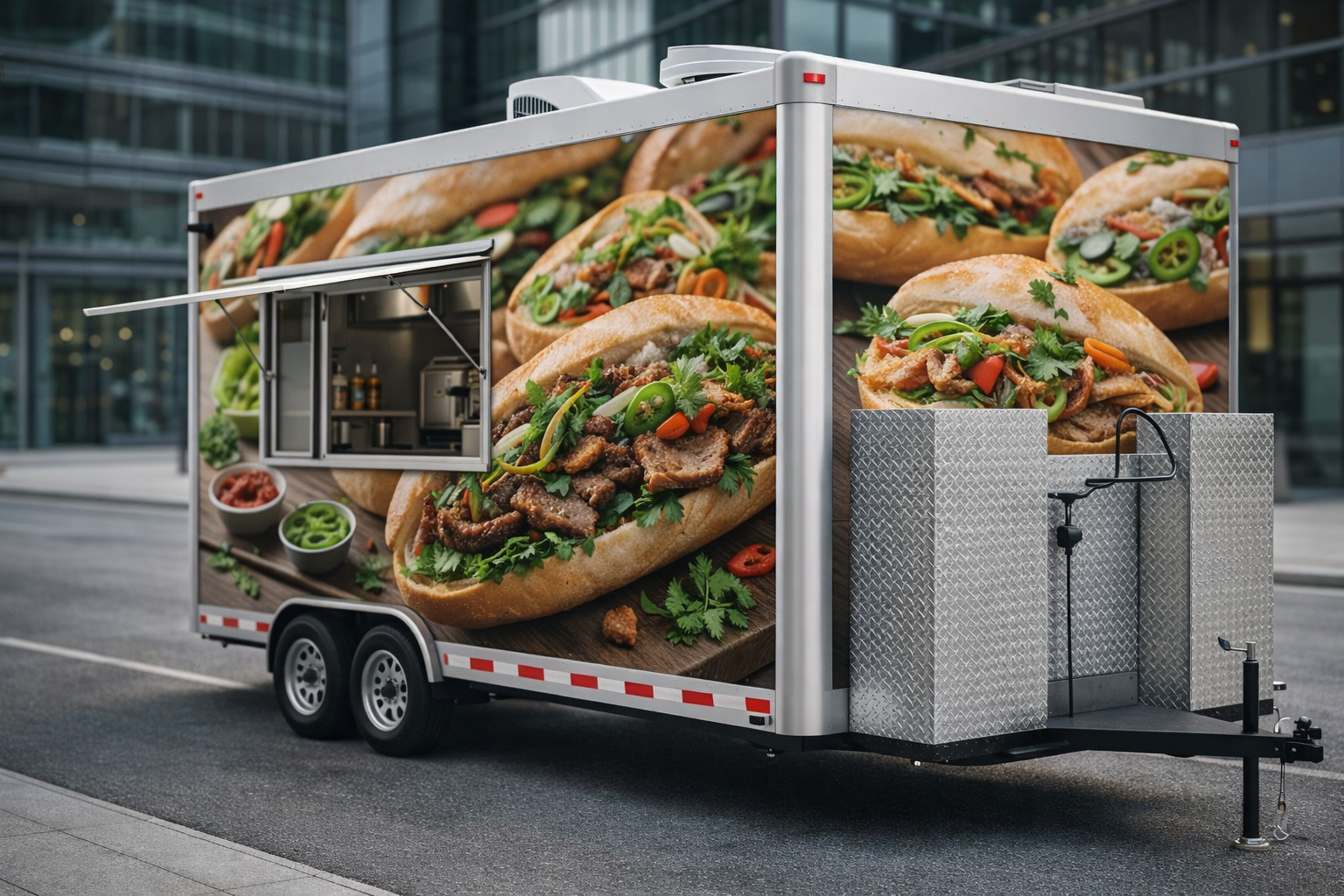
The Shore Cord Gland is a weather-resistant fitting installed at the point where a shore power cord enters a food trailer. It serves two main purposes: sealing the entry point to prevent moisture, dust, and debris from entering the trailer, and relieving mechanical strain on the cord to protect internal electrical connections. In mobile food operations, this component is typically mounted on an exterior wall and is used when connecting to a 120V external power source at events, commissaries, or during downtime.
Choose a shore cord gland that matches your power cord diameter and carries an outdoor-use rating. Look for models with gasketed seals and secure clamping to ensure protection against water intrusion. Inspect regularly for signs of wear, cracking, or seal degradation, especially in trailers that operate in wet or extreme environments.
mobile food vending regulations
Overview of Mobile Food Vending Regulations The mobile food vending industry offers entrepreneurs an exciting opportunity to explore culinary business ventures without the high costs associated with traditional brick-and-mortar restaurants. However, succeeding in this business requires a thorough understanding of mobile food vending regulations. These regulations protect consumers by ensuring food safety and facilitating fair […]
customer feedback
Understanding Customer Feedback Customer feedback serves as a valuable compass for your nachos food trailer, guiding you toward business success. Whether you’re just starting your food truck journey or looking to improve an existing business, harnessing customer insights can significantly impact your operations and profitability. Introduction to Customer Feedback Customer feedback comprises opinions and experiences […]
Health Inspections
Why Health Inspections are Crucial for Food Trailers Health inspections are a vital component of the food trailer industry, aimed at ensuring public safety and maintaining food quality standards. These inspections are enforced by local health authorities and are designed to prevent foodborne illnesses by ensuring that food preparation, storage, and serving practices meet stringent […]