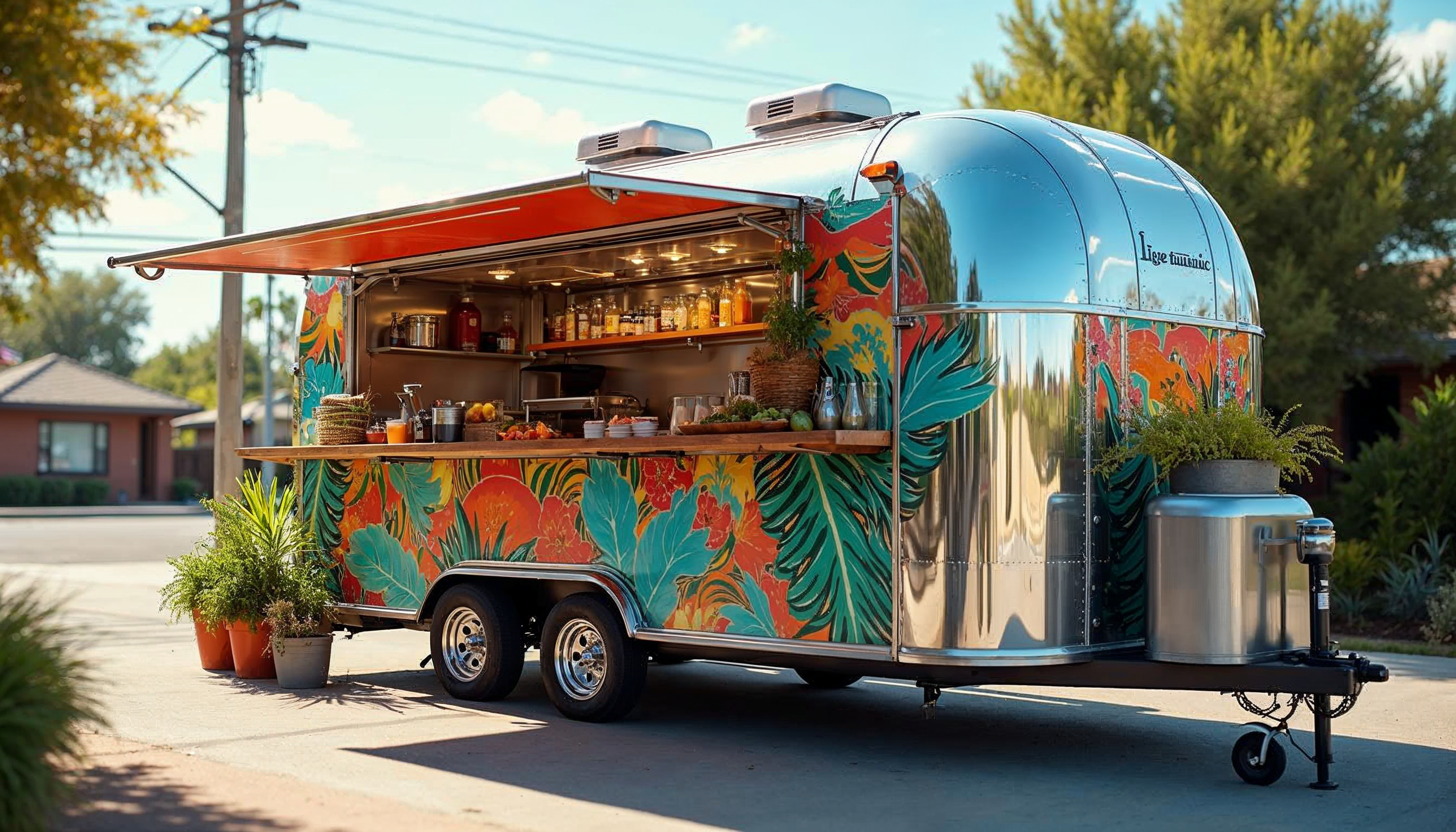
The keto diet has gained immense popularity in recent years, emphasizing high-fat, low-carb meals that help the body burn fat more effectively. As more individuals embrace this lifestyle for its health benefits, the advent of keto food trailers has become a logical extension of this dietary trend. These mobile eateries offer keto-enthusiasts the convenience of enjoying their diet-friendly meals on the go without the hassle of preparing food themselves.
Keto food trailers deliver numerous advantages to both customers and entrepreneurs. For consumers, they provide easy access to meals that align with dietary goals, offering a variety of choices without compromising their nutritional plan. For business owners, these trailers present an opportunity to tap into a niche market with significant growth potential. Operating a mobile unit reduces overhead costs associated with a brick-and-mortar restaurant, making it a potentially lucrative business model.
Menu items in keto food trailers typically include a range of high-fat, low-carb options such as avocado and bacon wraps, cauliflower-based dishes, and almond flour pastries. With an emphasis on healthy fats and moderate proteins, customers can indulge in hearty cheeseburgers, bunless sandwiches, and delectable keto desserts like chocolate avocado mousse. These options satisfy the cravings of keto diet followers while maintaining strict nutritional requirements.
For entrepreneurs looking to enter the keto food scene, establishing a food trailer offers a lower barrier to entry compared to traditional restaurants. Key steps include conducting market research to identify demand in your area, developing a keto-friendly menu, and obtaining the necessary licenses and permits to operate. Additionally, investing in high-quality equipment, such as refrigerators and pressure regulators, will ensure food safety and operational efficiency.
Once operational, employing effective marketing strategies like social media promotions and participating in local events can help attract a loyal customer base quickly. Interested individuals can explore more on starting a keto food trailer business.
Despite the promising opportunities, running a keto food trailer comes with its own set of challenges. One significant hurdle is sourcing fresh, quality ingredients, which are central to a keto diet. Building relationships with reliable suppliers is essential. Additionally, there’s the challenge of educating customers about the benefits of a keto diet to drive traffic and sales.
Operational challenges like managing temperatures and ensuring food safety are critical in a mobile setting. Utilizing the right equipment, such as pressure regulators and efficient refrigeration units, can mitigate these risks, ensuring that the food served is both safe and delicious.
A keto food trailer focuses specifically on providing meals that comply with the ketogenic diet, highlighting low-carb, high-fat dishes rather than conventional fast-food offerings.
The best way to find keto food trailers is through online searches, food truck locator apps, and social media platforms where these businesses frequently update their locations.
Popular offerings include bunless cheeseburgers, keto-friendly pancakes, and cauliflower crust pizzas, delivering innovative twists on favorite fast-food items.
Yes, due to lower operating costs and the growing demand for keto-friendly options, keto trailers present a potentially profitable business venture.
Power Load Map
A Power Load Map is a schematic diagram that details how electrical loads are distributed across a food trailer’s circuit panel. It is essential for preventing circuit overloads, maintaining balanced power usage, and ensuring the trailer operates safely and efficiently. Power Load Maps are used during initial trailer design, equipment installation, and electrical upgrades to […]
seafood food trailers
Introduction to Seafood Food Trailers Seafood food trailers have become a prominent presence in the mobile culinary landscape. These trailers offer seafood lovers the convenience and unique flavors of freshly prepared dishes right from the sea to the street. Their growing popularity can be attributed to a combination of the demand for quality seafood and […]
Fast Food Trailer
History of Fast Food Trailers The concept of fast food trailers emerged as part of the broader street food movement that gained momentum in the early 20th century. Originating in urban centers, these mobile eateries provided quick, accessible meals to workers and city dwellers. Over time, fast food trailers evolved to include diverse culinary offerings, […]