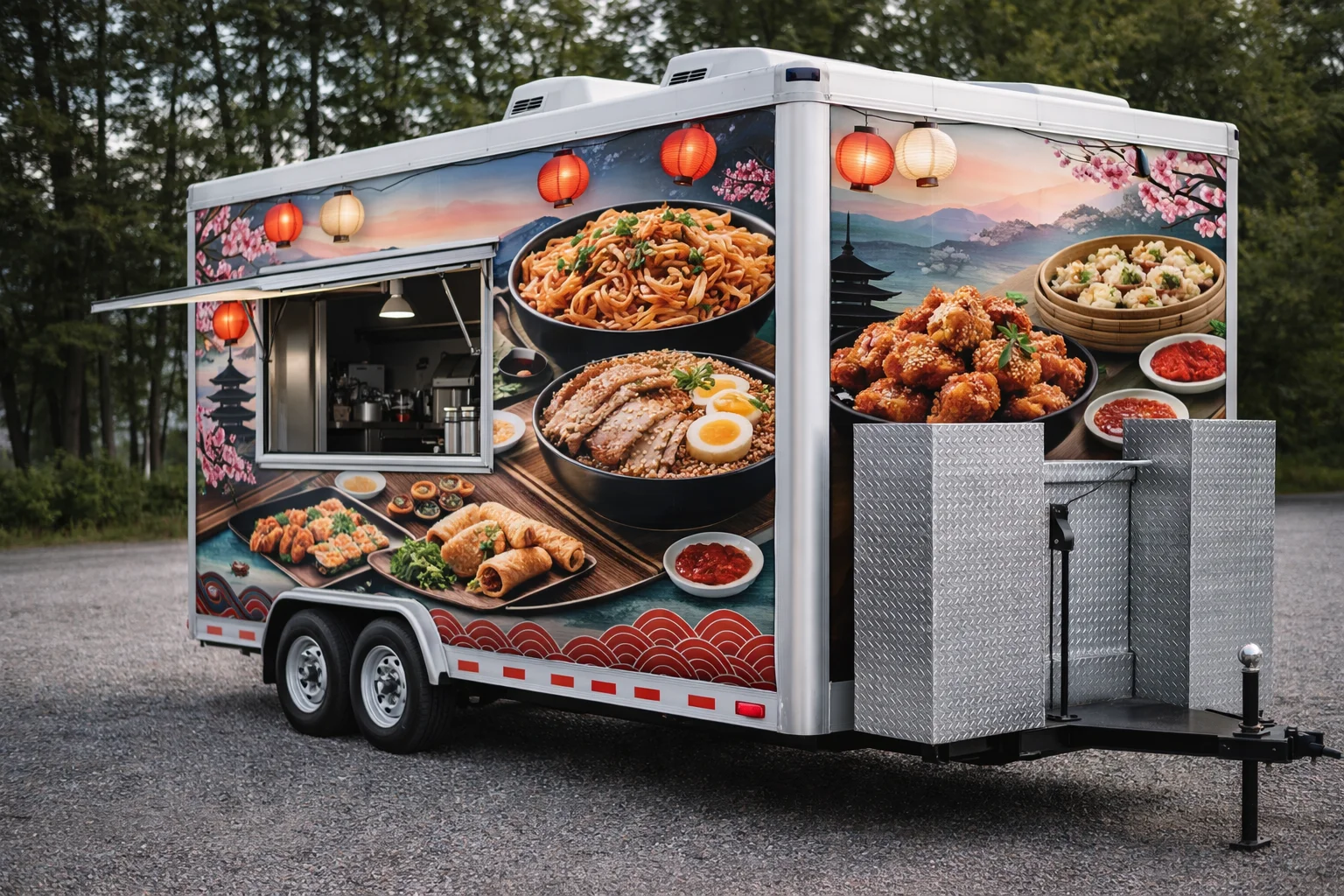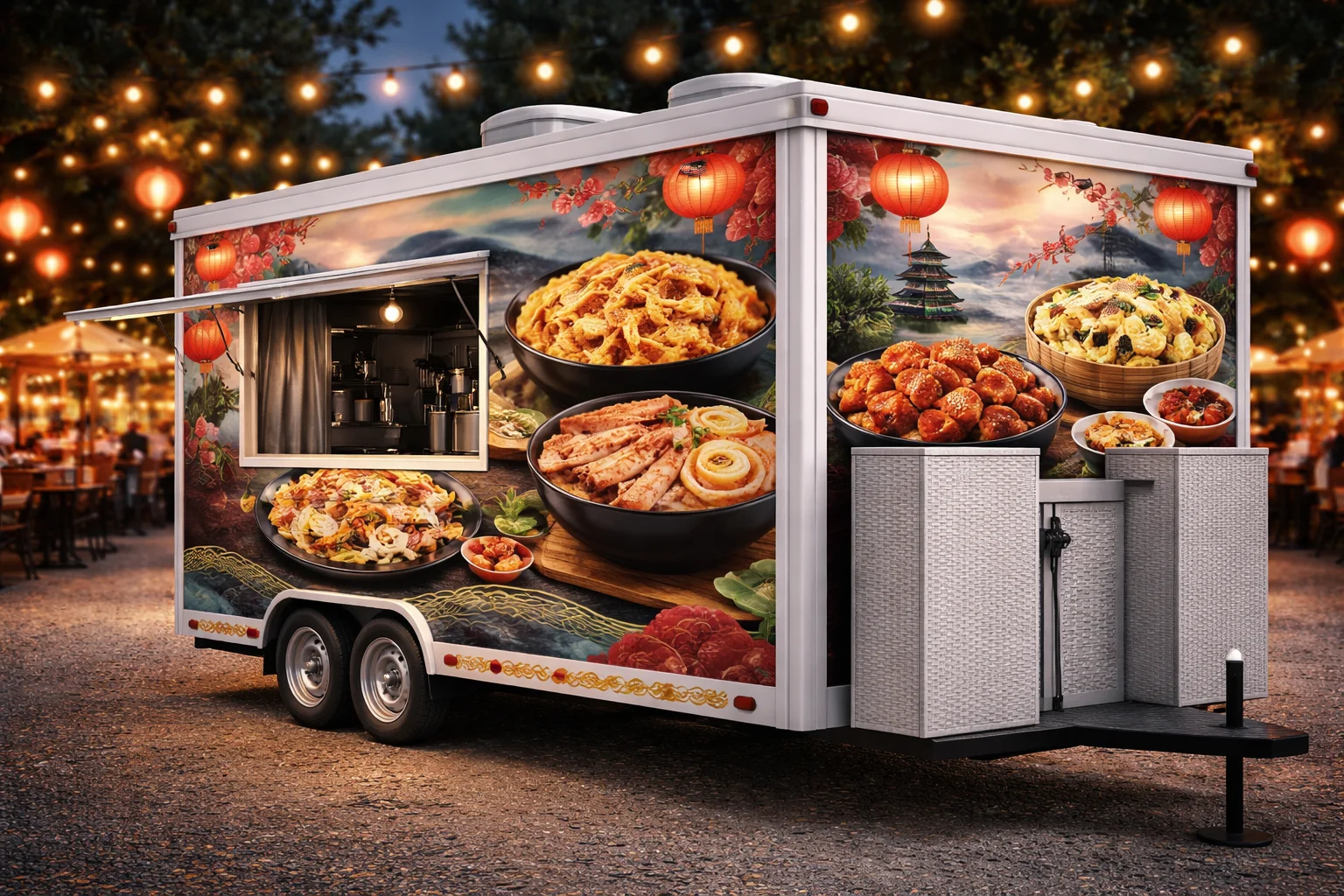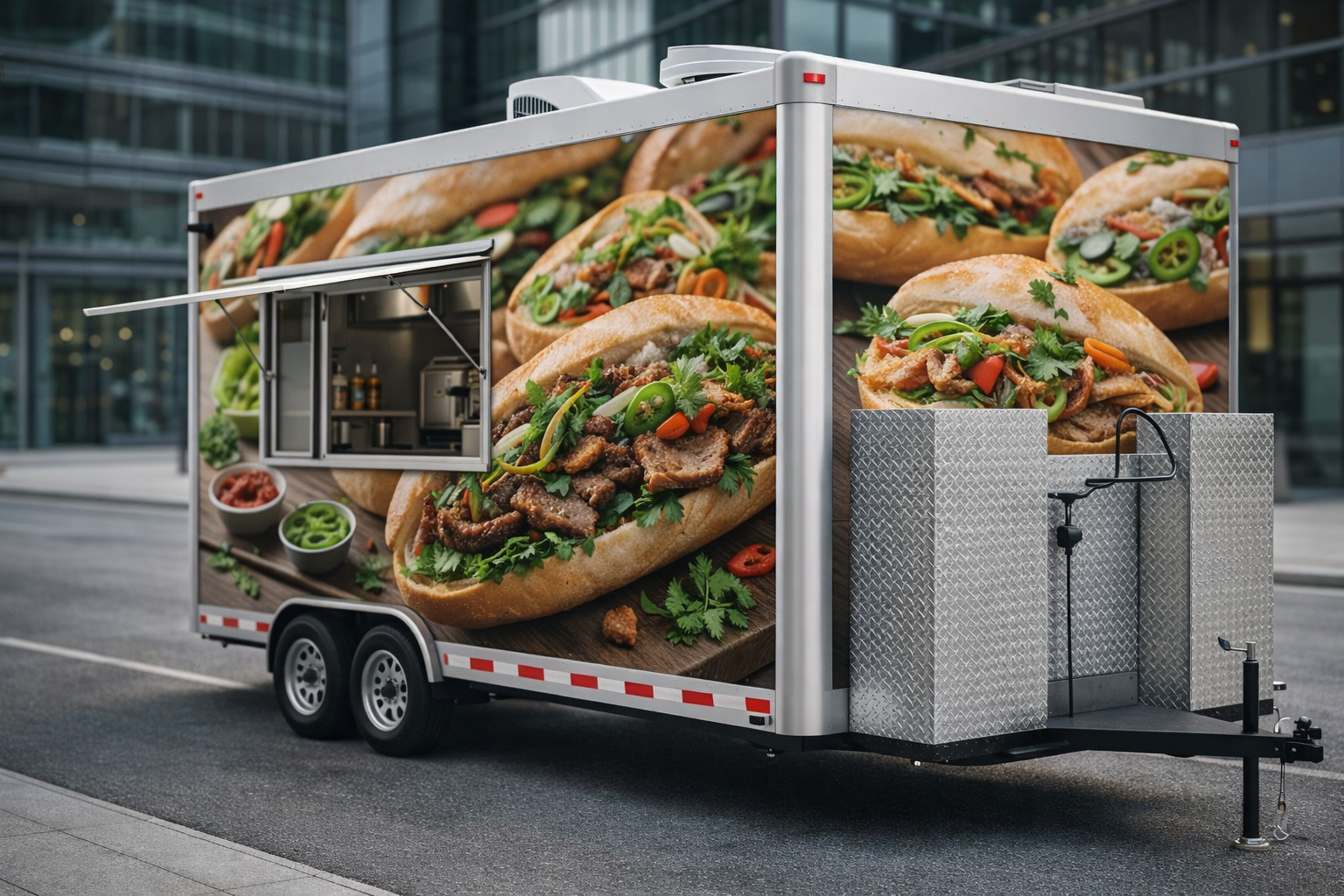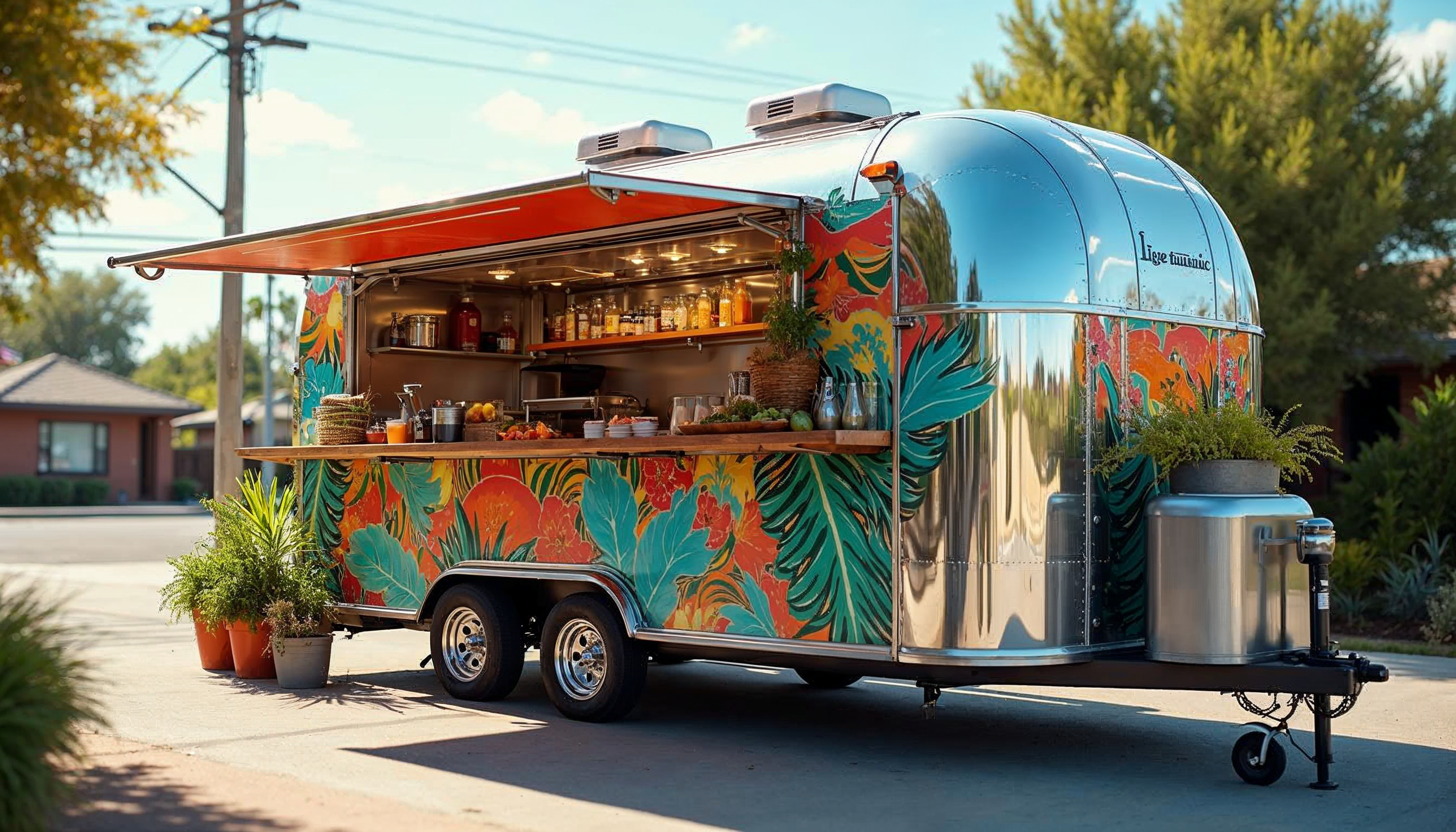
Seafood food trailers have become a prominent presence in the mobile culinary landscape. These trailers offer seafood lovers the convenience and unique flavors of freshly prepared dishes right from the sea to the street. Their growing popularity can be attributed to a combination of the demand for quality seafood and the efficiency of mobile food services.
The versatility of seafood dishes appeals to a broad audience and keeps these trailers busy at food festivals, local markets, and private events alike. Whether serving up coastal staples like shrimp and fish tacos or more refined dishes such as lobster rolls, these mobile eateries facilitate a direct connection with seafood enthusiasts.
Running a seafood food trailer comes with numerous advantages. Firstly, it involves lower start-up costs compared to brick-and-mortar restaurants, making it an attractive option for aspiring entrepreneurs. The mobility factor also allows operators to reach diverse audiences across different locations, effectively expanding their market reach.
Additionally, the flexibility in menu offerings allows for seasonal specials and innovative dishes that can attract regular customers seeking fresh and exciting seafood experiences. The ability to cater events or festivals also adds to the potential revenue streams.
A successful seafood trailer often features a menu that showcases both popular and signature dishes. Common favorites include fish and chips, lobster rolls, shrimp po’boys, and grilled seafood platters. It’s essential to keep the menu diverse yet manageable, ensuring that quality and freshness remain top priorities.
Seasonal offerings such as clam chowder in cooler months or ceviche during the summer can diversify the menu and keep customers coming back. Emphasizing locally sourced ingredients will not only support regional fisheries but also enhance the flavor profile of the offerings.
Starting a seafood food trailer begins with obtaining the necessary permits and licenses to operate. This includes health department certifications and local business licenses. It’s important to equip the trailer with industry-standard equipment such as fryers, grills, and refrigeration systems to ensure food safety and quality.
Location scouting is another crucial step. Identifying high traffic areas and events that align with the target demographic can significantly influence the success of the business. Marketing efforts, both online and offline, should highlight the freshness and quality of the seafood, drawing in curious and loyal patrons.
Many seafood food trailer operators have found success by creating niche offerings that stand out in the competitive mobile food arena. Stories of entrepreneurs turning their love for seafood into a thriving business abound, with some expanding into multiple units or even transitioning into permanent restaurant locations.
These success narratives often involve a combination of passion, quality ingredients, and strategic market positioning. By continually engaging with their customer base through social media and community involvement, these operators maintain a loyal following while attracting new customers. For more on this topic, visit Diving Into the World of Seafood Food Trailers.
Seafood food trailers are mobile units that specialize in preparing and selling seafood dishes. They bring the taste of the ocean to different locations, offering a variety of seafood delicacies.
To start a seafood food trailer, you need to research local regulations, secure permits, and acquire a suitable trailer equipped with necessary culinary tools. Developing a menu and choosing strategic locations are also key steps.
Essential equipment for a seafood food trailer includes fryers, grills, refrigeration systems, and food preparation areas. Depending on the menu, specialized tools like oyster shuckers may also be required.
Popular choices for seafood trailers include fish and chips, shrimp tacos, lobster rolls, grilled seafood platters, and seafood boils. Seasonal dishes and local specialties can also be appealing to customers.
Slushie Food Trailers
Introduction to Slushie Food Trailers The slushie food trailer industry represents a vibrant and refreshing segment of the mobile food business sector. These trailers are not only a staple at outdoor events and festivals, offering convenient access to icy, flavorful beverages, but they also serve as a lucrative business opportunity for entrepreneurs. Slushie food trailers […]
Battery Load Divider
A Battery Load Divider is a device or circuit used in food trailers to evenly distribute electrical load across multiple batteries in the trailer’s power system. Its main purpose is to balance the demand placed on each battery, preventing individual units from becoming overworked. This helps extend battery lifespan, maintain stable voltage output, and ensure […]
Fast Food Trailer
History of Fast Food Trailers The concept of fast food trailers emerged as part of the broader street food movement that gained momentum in the early 20th century. Originating in urban centers, these mobile eateries provided quick, accessible meals to workers and city dwellers. Over time, fast food trailers evolved to include diverse culinary offerings, […]