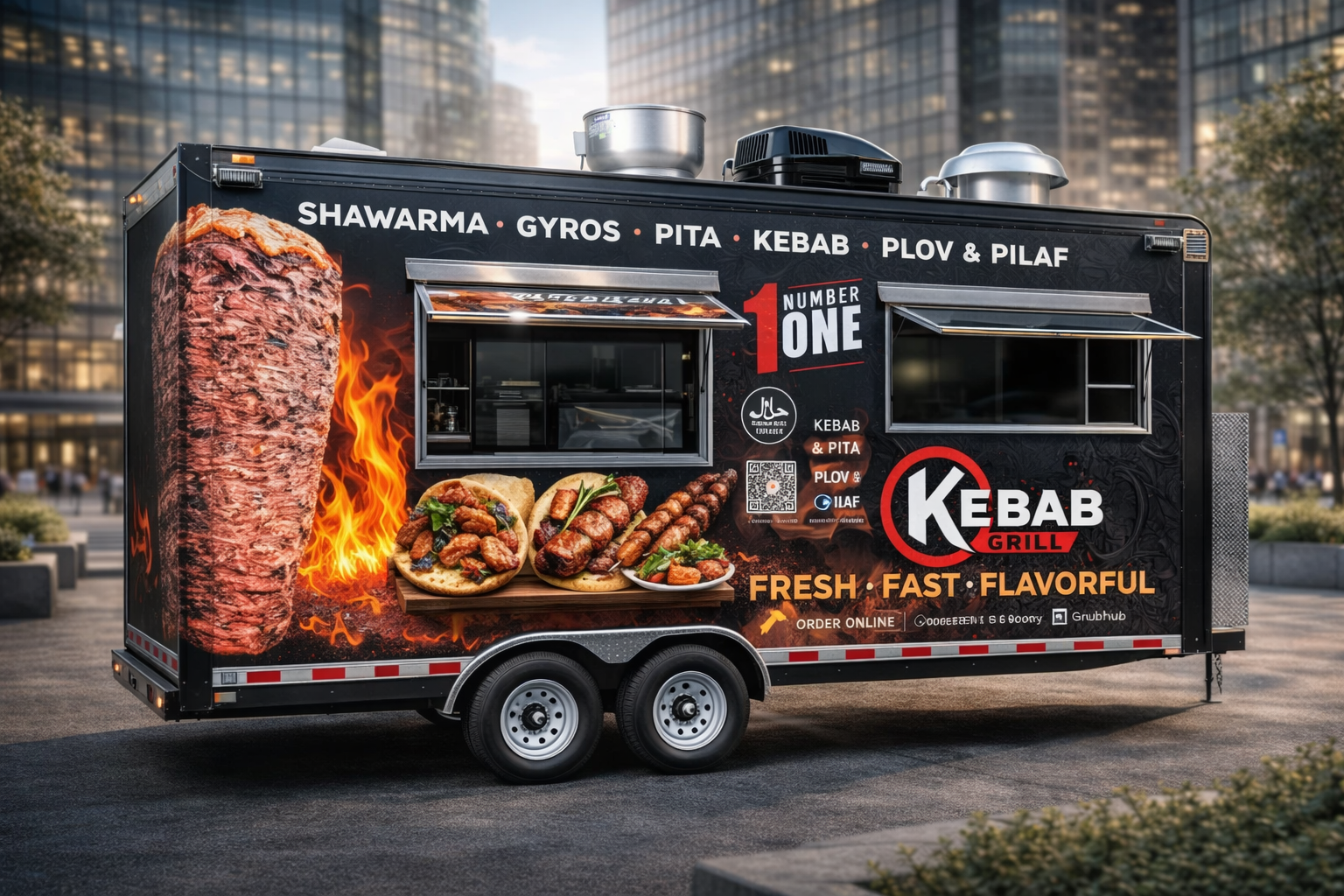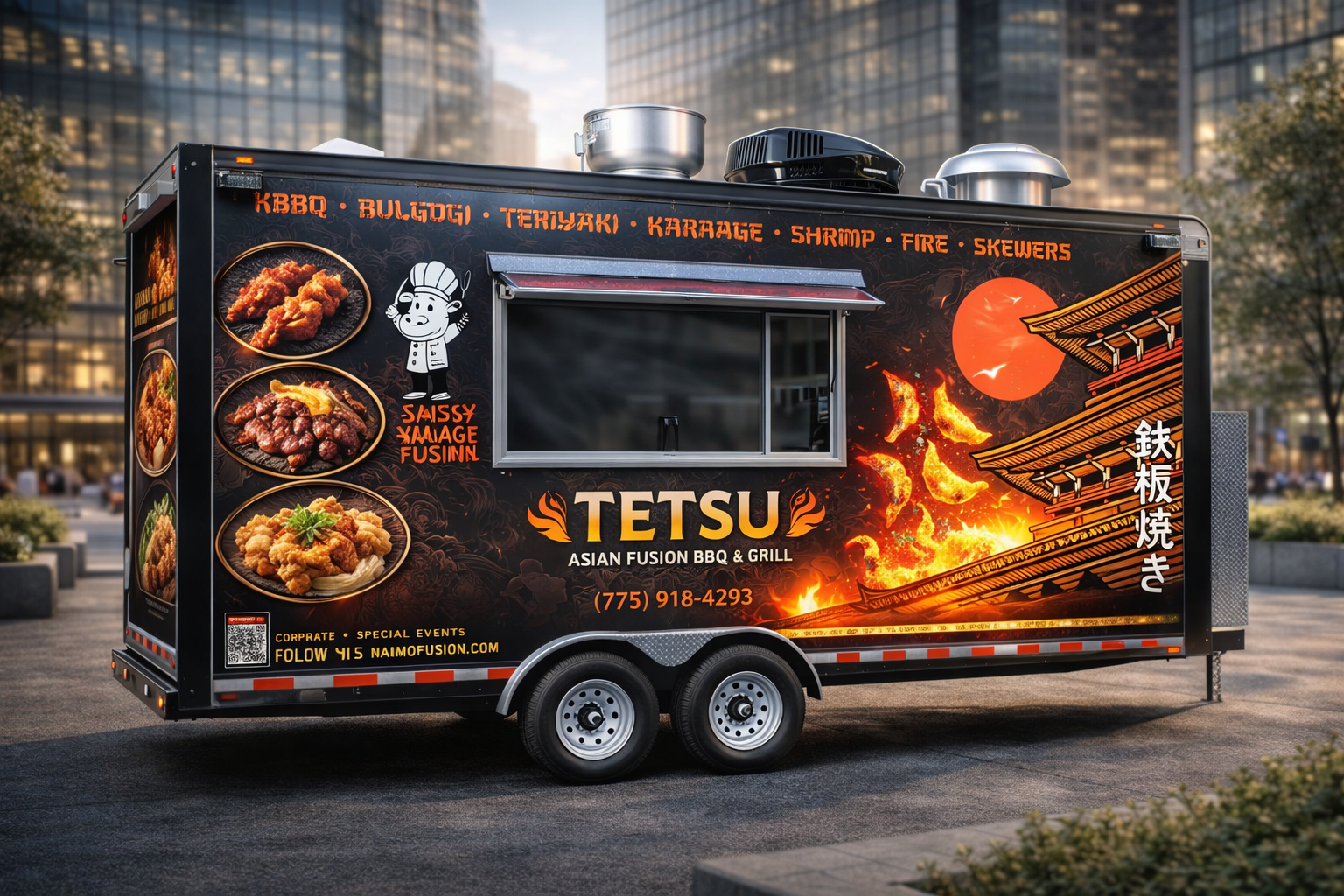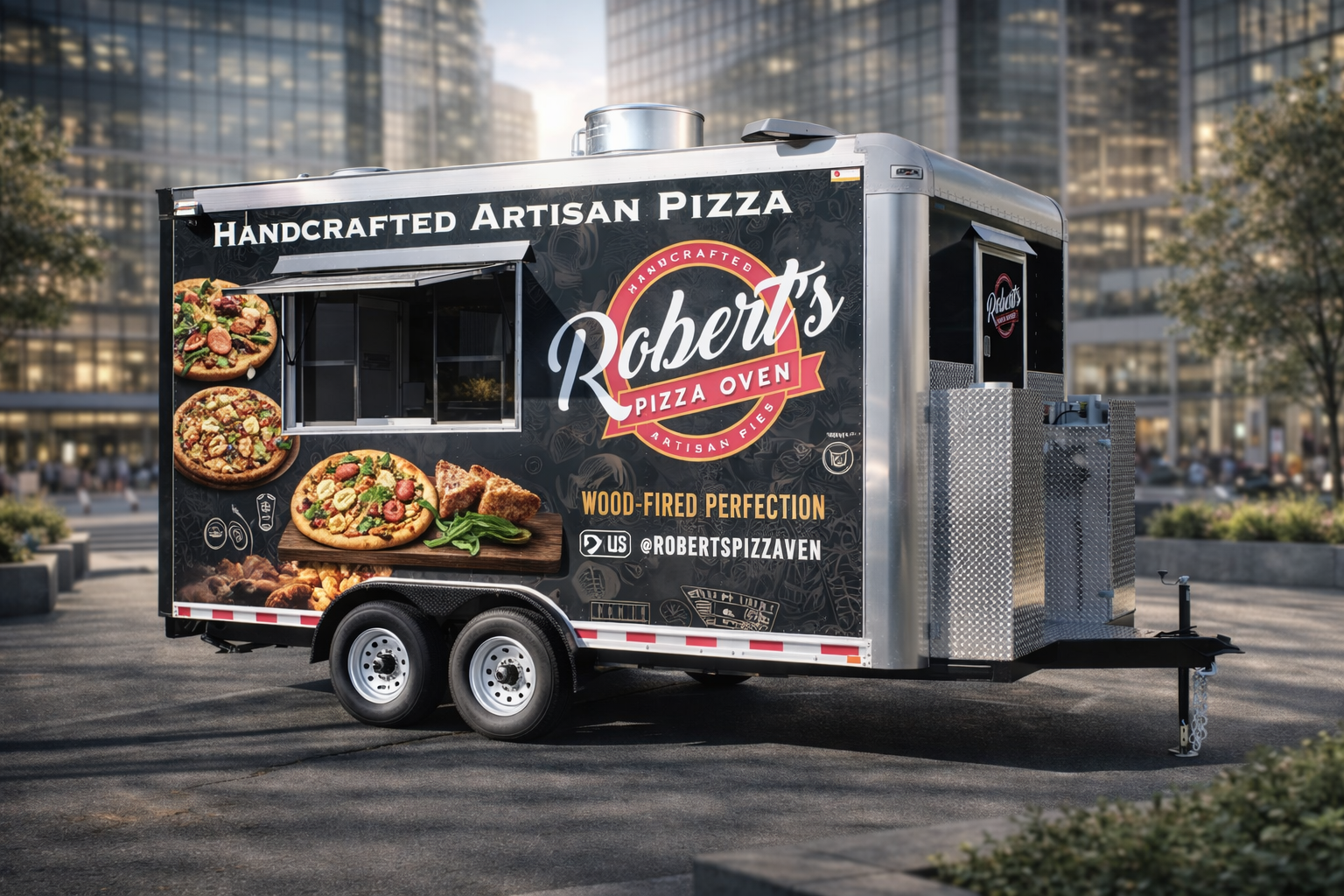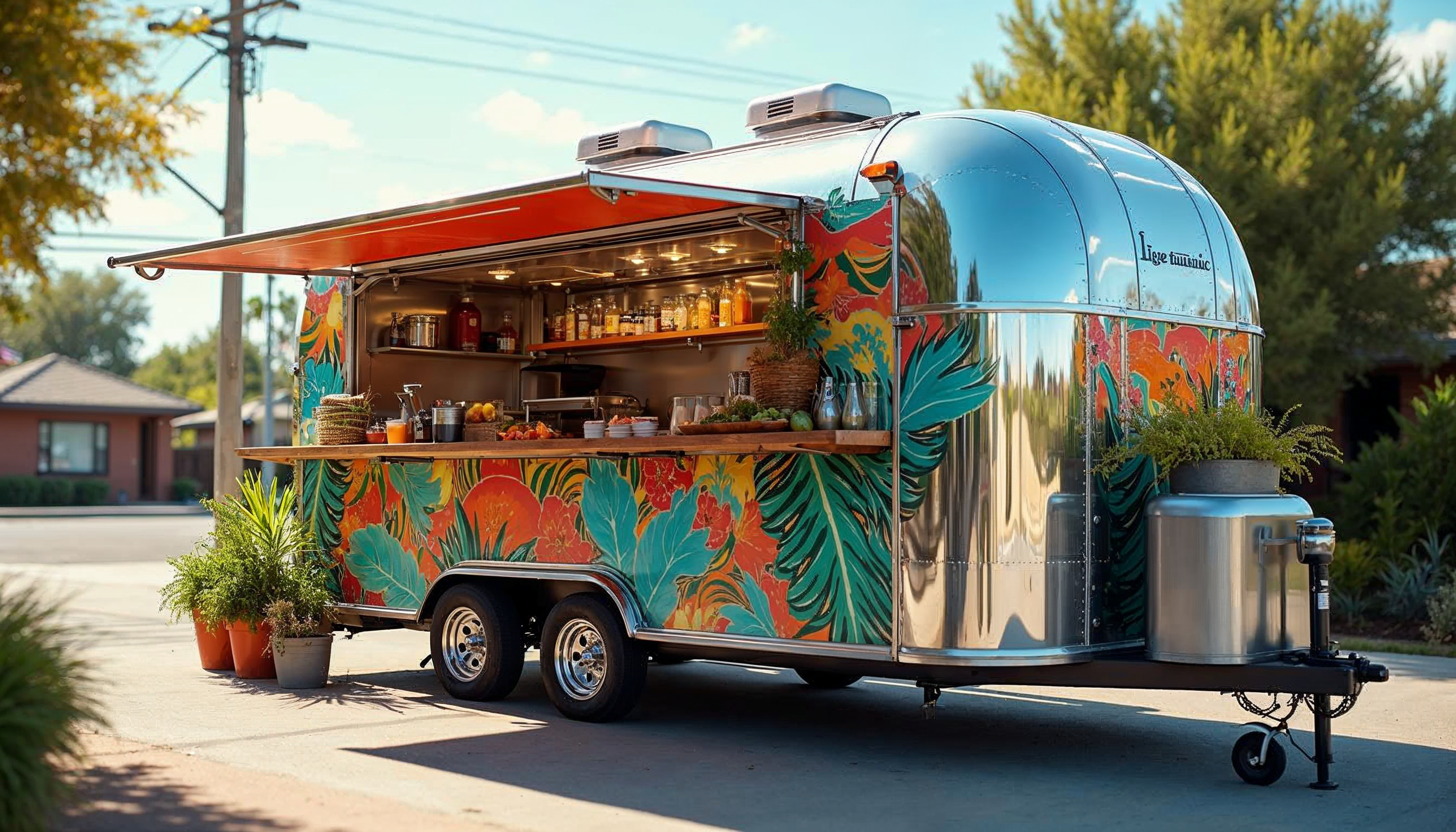
The concept of fast food trailers emerged as part of the broader street food movement that gained momentum in the early 20th century. Originating in urban centers, these mobile eateries provided quick, accessible meals to workers and city dwellers. Over time, fast food trailers evolved to include diverse culinary offerings, transforming from humble beginnings into cultural staples that offer everything from classic American burgers to international delicacies.
A successful fast food trailer hinges on a combination of factors. Firstly, the menu should balance variety with quality, offering signature dishes that draw customers in. Secondly, trailers must be equipped with efficient kitchen setups, supporting the fast-paced service that defines the industry. Furthermore, aesthetic appeal and strategic location play crucial roles in attracting and retaining a steady customer base.
Owning a fast food trailer offers numerous advantages. Flexibility is a significant benefit, allowing operators to change locations based on demand and events. Lower startup costs compared to traditional brick-and-mortar restaurants make the business model accessible to budding entrepreneurs. Additionally, fast food trailers allow for direct customer interaction, fostering a sense of community and loyalty.
American classics remain the cornerstone of many fast food trailer menus. Burgers, hot dogs, and fries dominate, often with modern twists to cater to evolving tastes. Tacos and BBQ items are also increasingly popular, reflecting regional flavors in mobile formats. For more inspiration on creating your own menu, read our detailed guide here.
Operating a fast food trailer comes with its own set of challenges. Maintenance of equipment is crucial to ensure efficiency and safety. Regular inspections are essential to adhere to health and safety regulations. Additionally, unpredictable factors such as weather can affect sales, requiring operators to be adaptable and resourceful.
Many entrepreneurs have turned fast food trailers into thriving businesses. For example, a former chef who began with a single truck now owns multiple trailers across several states. His secret? Staying true to high-quality ingredients and stellar service. Such stories inspire new entrepreneurs to pursue their dreams in the mobile food industry.
A fast food trailer is a mobile kitchen equipped to prepare and serve various types of food, typically focusing on quick-service items like sandwiches, tacos, and more.
Starting a fast food trailer business involves researching and investing in the right trailer, obtaining necessary permits, crafting a compelling menu, and finding strategic locations to operate.
Legal requirements vary by location but generally include acquiring permits, adhering to health and safety regulations, and ensuring your trailer meets all structural and operational standards.
Fast food trailers maintain food safety through rigorous cleaning protocols, regular inspections, proper food storage, and by training staff in food safety practices.
food industry entrepreneurship
The Sweet Success of Dessert and Sweet Snack Trailers Getting Started with Food Trailers Embarking on a journey in the food industry entrepreneurship sector, particularly with dessert and sweet snack trailers, offers a unique blend of challenges and rewards. The initial steps are crucial to set a firm foundation. Firstly, researching the market is indispensable. […]
Finding Success with Breakfast Trailers: A Comprehensive Guide
Finding Success with Breakfast Trailers The breakfast trailer industry is booming as more entrepreneurs recognize the potential for high demand and comprehensive choice they can offer in the early hours of the day. However, success in this niche requires more than just setting up a mobile kitchen. Strategic menu planning plays a crucial role in […]
mobile food facility permit
Understanding the Mobile Food Facility Permit A mobile food facility permit is a critical document that enables you to legally operate a mobile food business, such as a boba food trailer. This permit ensures that your mobile unit complies with local health and safety regulations, which are established to protect public health. As the popularity […]