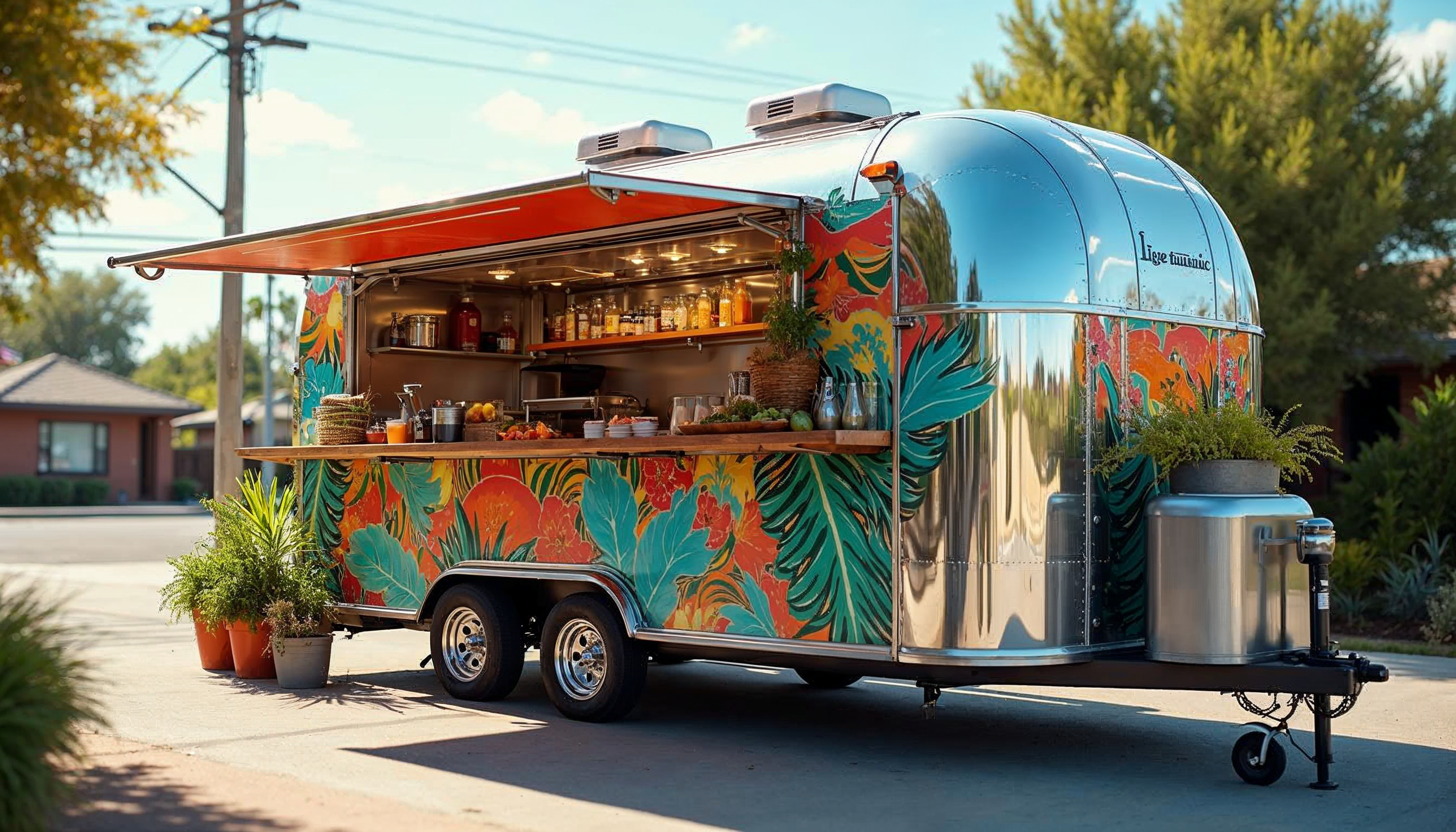
The vibrant world of street food has always had an undeniable allure, enticing food enthusiasts with diverse flavors and rich cultural experiences. Among the myriad options, tacos have carved out their place as a staple of Mexican and Latin cuisine, particularly thriving in the setting of food trailers. This article explores the journey of tacos in street food trailers, uncovering the reasons behind their popularity and the essentials needed for success.
Tacos have long been an integral part of Mexican culinary tradition. Originating from the 18th century, the taco has evolved from a staple worker’s meal to a global phenomenon. Street vendors, known as ‘taqueros’, have historically brought this convenient and flavorful dish to the masses, serving tacos directly from carts and stalls in bustling cities. The transition to food trailers has been a natural progression, allowing vendors to cover more ground and reach wider audiences.
Tacos offer an adaptable platform for culinary creativity. Popular varieties perfect for food trailers include:
Each variety brings unique flavors that cater to diverse palates, enhancing the appeal of taco food trailers.
Launching a successful taco trailer requires essential equipment that ensures efficiency and quality:
These tools not only streamline operations but also enhance the quality of the tacos served to eager customers.
There are numerous success stories within the realm of taco trailers that emphasize the potential of this mobile business model. One notable example is the taco trailer that transformed a local landscape in Austin, Texas, by serving authentic tacos with a modern twist. Their use of traditional recipes with locally sourced ingredients became a hit, attracting a loyal customer base. Read more about this success story here.
Tacos are popular in food trailers due to their portability, versatility, and rich cultural heritage. They can be customized with a variety of fillings and toppings, catering to different tastes.
Varieties such as Tacos al Pastor, Carne Asada, and Tacos de Pescado are best suited for street vending because they offer diverse flavors and are easy to assemble and serve.
To start a taco food trailer business, research local regulations, invest in the right equipment, and develop a unique menu that highlights traditional flavors with a modern twist.
Essential equipment for a taco trailer includes a griddle, pressure cooker, refrigeration units, and food pan racks to ensure efficient operations and high-quality food service.
bakery trailer
Starting Your Bakery Trailer Business Embarking on a journey with a bakery trailer can be a fulfilling venture for those passionate about baking and business. As the food truck industry continues to grow, mobile bakery trailers have become a popular choice for food entrepreneurs looking to explore various markets. To get started, you’ll need a […]
mixology
Introduction to Mixology Mixology is often regarded as the art and science of crafting cocktails that delight the senses. This discipline goes beyond simply mixing ingredients; it involves creativity, an understanding of flavors, and a keen eye for presentation. For those in the hospitality industry, mastering mixology can set a business apart, providing patrons with […]
authentic flavors
Authentic Flavors In the food trailer business, authentic flavors can be the key to distinguishing your offerings from the competition. With European cuisine experiencing a resurgence, the demand for genuine tastes is more prevalent than ever. Here, we explore how food trailer operators can effectively introduce the authentic flavors of European cuisine into their businesses. […]