Latin street food has long been a beloved delicacy across various regions, known for its vibrant flavors, cultural significance, and unique preparation techniques. As cities across the United States embrace diverse culinary experiences, Latin street food has become a staple, drawing food enthusiasts eager to savor authentic bites.
The popularity of Latin street food can be attributed to its rich cultural heritage and accessibility. It’s not just about the food itself but the communal spirit that accompanies these culinary traditions. Whether it’s the aroma of freshly cooked tortillas or the sizzle of grilled meats, these sensory experiences resonate with both locals and tourists alike.
Latin America offers a plethora of street food options that vary by region. Tacos, arepas, empanadas, and tamales are just a few of the dishes that have captivated appetites globally. Each dish tells a story of its origin, combining flavors that are as diverse as the geography of the continent. Explore more about these iconic dishes and their cultural roots.
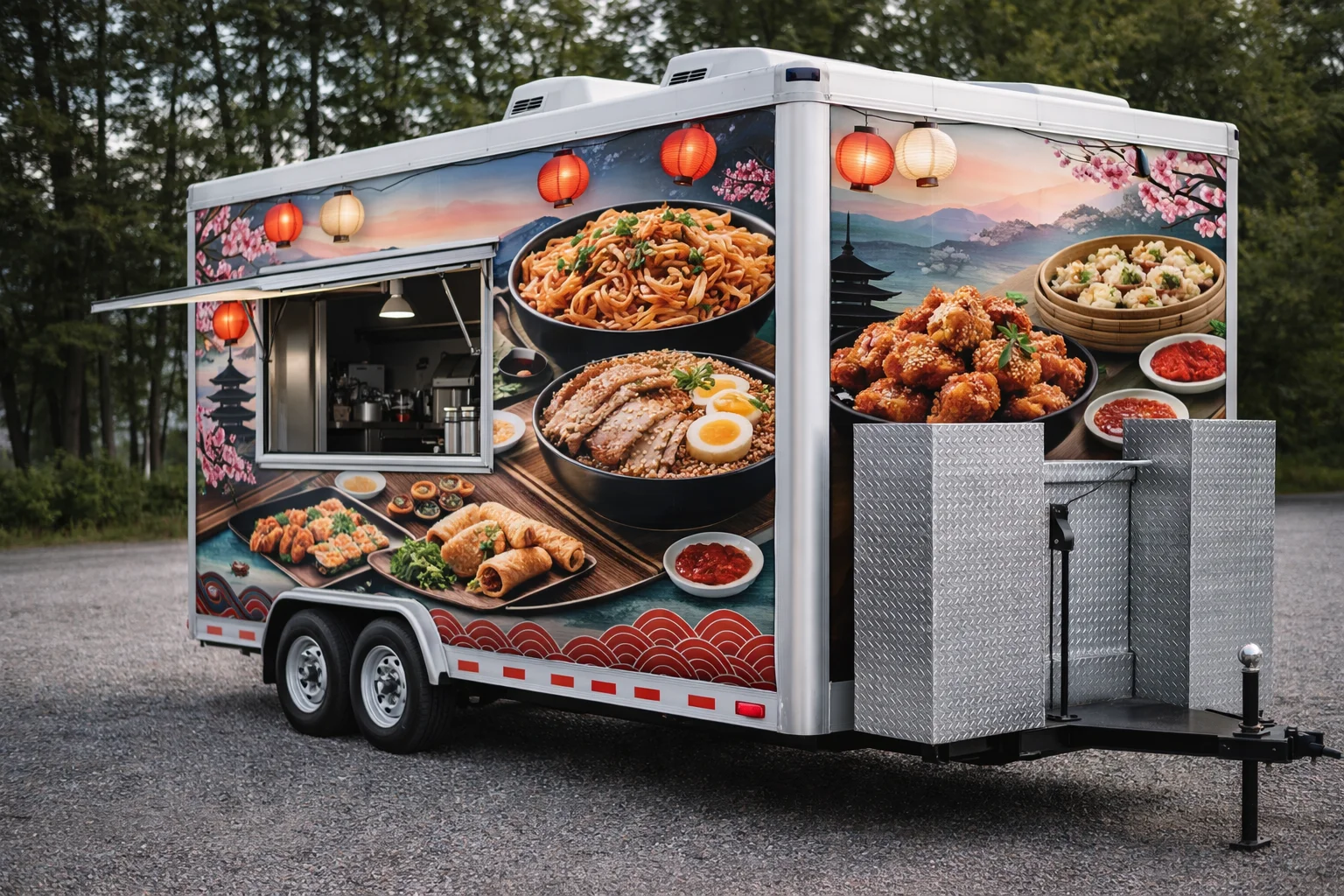
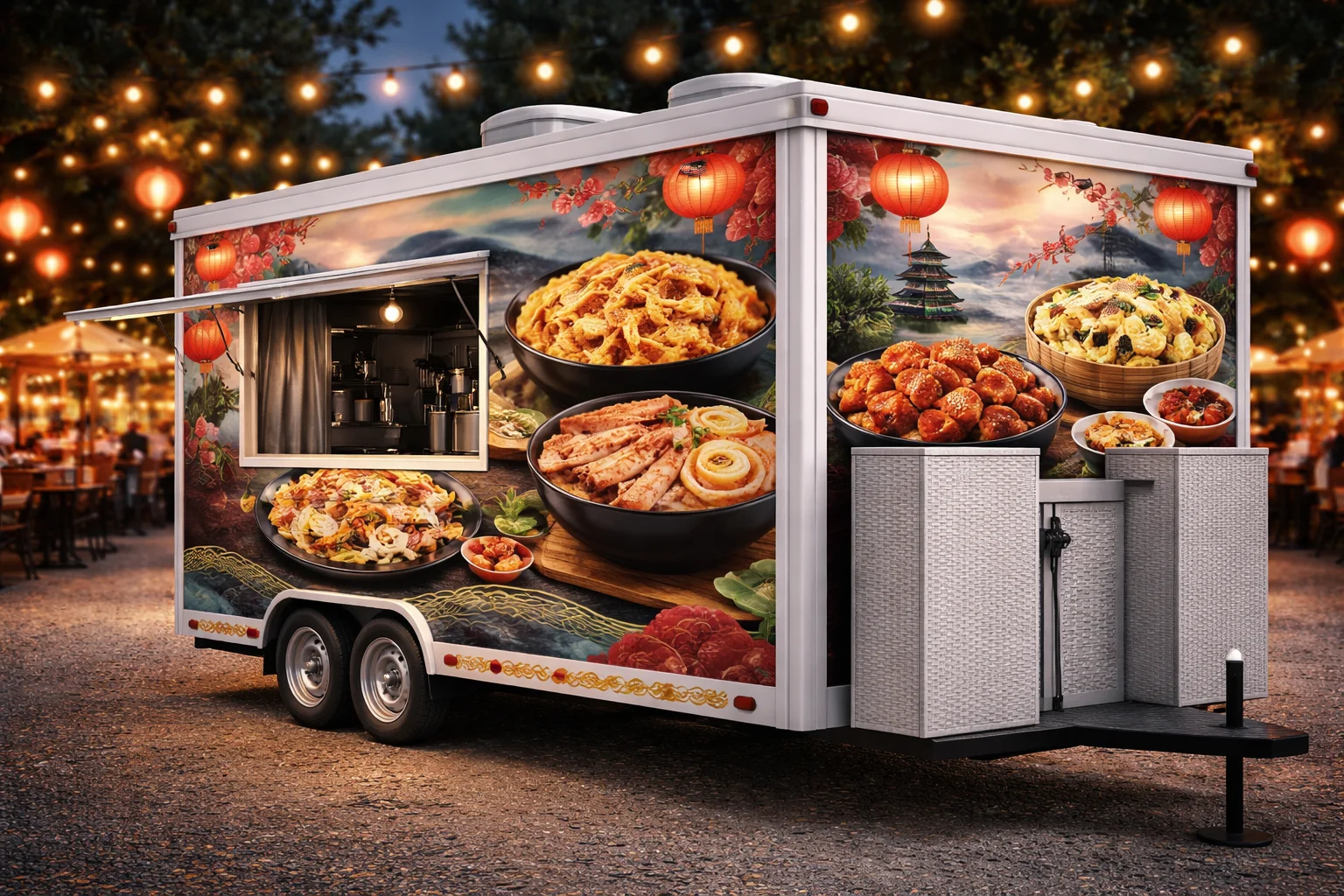
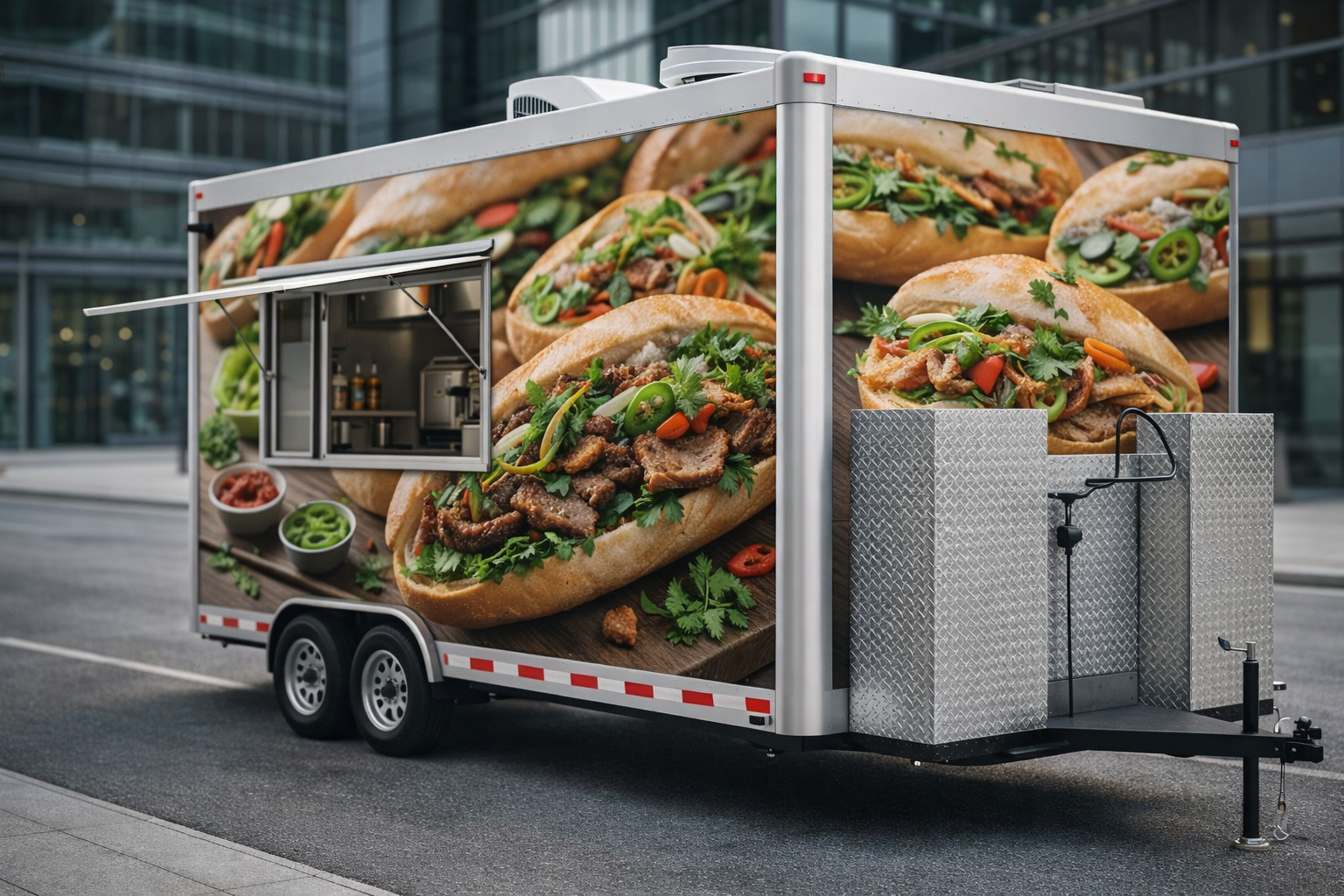
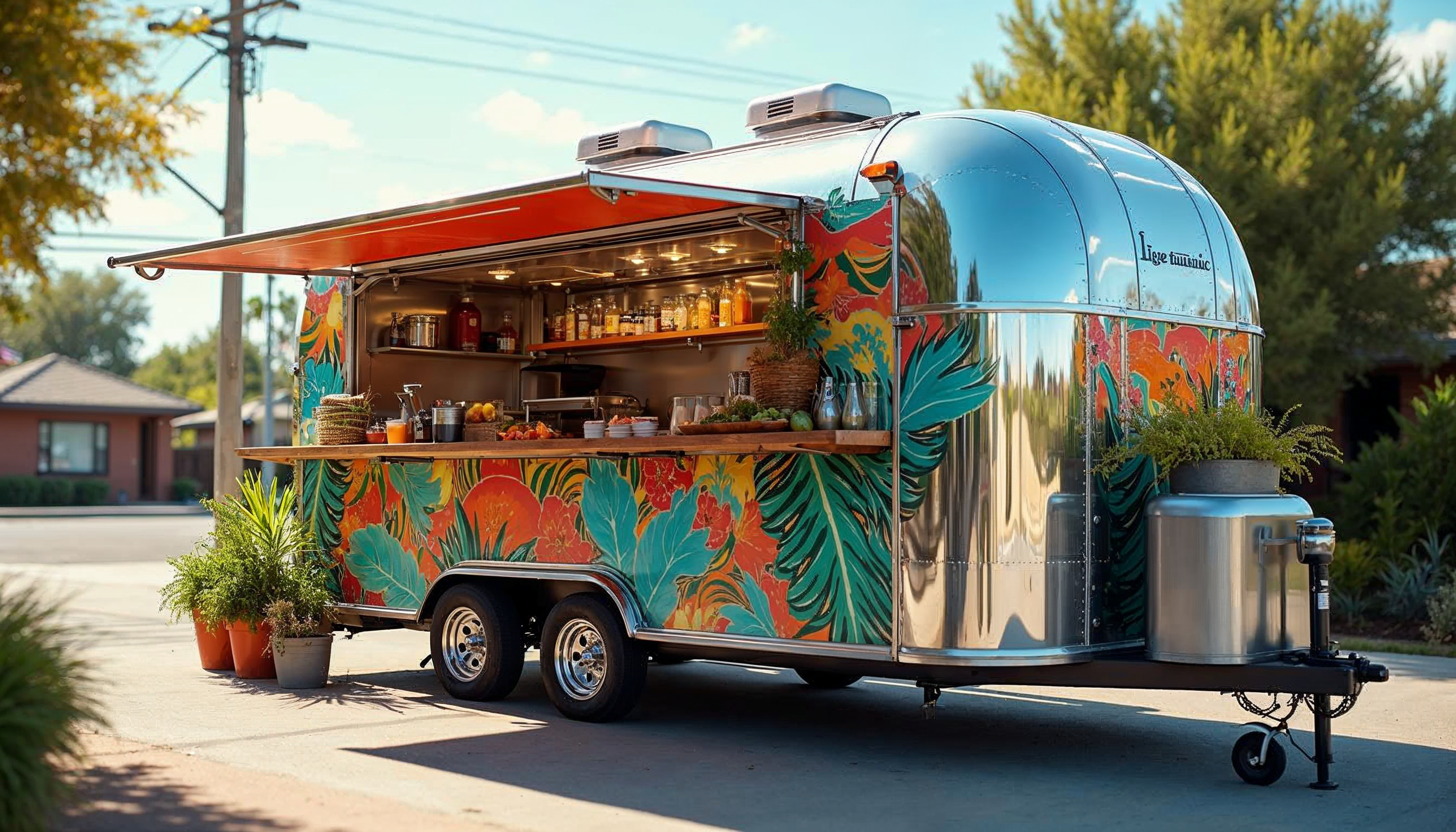
Mobile trailers are revolutionizing the street food industry by offering flexibility and mobility. Food trailers allow vendors to easily reach their customer base, setting up shop at strategic locations with high foot traffic. This mobility not only maximizes sales potential but also reduces overhead costs compared to a traditional brick-and-mortar establishment.
Food trailers can be tailored to meet specific business needs, whether that involves kitchen configurations or branding elements. Customization options such as built-in grills, refrigeration units, and serving windows transform a trailer into a fully functional kitchen on wheels. This ensures that vendors can maintain the quality and authenticity of their cuisine while serving it efficiently.
Operating a food trailer requires adherence to health and safety regulations, which can vary by region. Ensuring compliance with local health codes is crucial for the safety of both vendors and customers. Regular inspections, proper sanitation practices, and food safety protocols are essential components of a successful mobile food operation.
Marketing plays a critical role in the success of a street food business. Engaging with customers through social media, offering promotions, and participating in local events can increase visibility and attract new patrons. Creativity in branding and customer service can set your business apart in a competitive market.
The most popular Latin street food dishes include tacos, arepas, empanadas, and tamales, each offering a unique taste reflective of its cultural origins.
To start a Latin street food business, you need a well-researched business plan that includes choosing a suitable location, investing in a food trailer, and understanding local health regulations.
Customization options for food trailers include kitchen appliances like grills and refrigeration, as well as branding elements such as graphics and serving windows.
Food trailers help grow a street food business by providing mobility, reducing overhead costs, and offering flexible location options to reach a broader audience.
Load Center Derating
“`html Load center derating is the process of reducing the maximum rated capacity of an electrical panel to ensure safe and efficient operation within a food trailer. This adjustment is crucial for managing continuous electrical loads and preventing heat buildup, which can pose safety risks. Load center derating is commonly applied during the design and […]
customer feedback
Understanding Customer Feedback Customer feedback serves as a valuable compass for your nachos food trailer, guiding you toward business success. Whether you’re just starting your food truck journey or looking to improve an existing business, harnessing customer insights can significantly impact your operations and profitability. Introduction to Customer Feedback Customer feedback comprises opinions and experiences […]
The Essential Guide to BBQ & Grilled Meats Food Trailers
Grilled Meats Food Trailers: Your Complete Guide Understanding BBQ and Grilled Meats Trailers The food trailer industry has seen a remarkable transformation in recent years, with BBQ and grilled meats being at the forefront of this revolution. These mobile eateries offer customers a fresh, outdoor experience, highlighting their culinary prowess in smoked, grilled, and roasted […]