Bubble tea, also known as boba tea, has captured the hearts of consumers around the globe. Its chewy tapioca pearls, combined with a wide variety of flavorful teas, have created a refreshing craze in the beverage industry. Starting a boba food trailer can be a lucrative venture, marrying the widespread popularity of bubble tea with the growing trends in mobile food services.
Boba tea originated in Taiwan in the 1980s and quickly spread across Asia before making its way to Western markets. It’s largely popular due to the versatility it offers—ranging from classic milk teas to fruit-based concoctions and customizable toppings. With its increasing demand, starting a boba business can be a profitable opportunity for entrepreneurs.
Operating a boba food trailer has distinct advantages over traditional brick-and-mortar establishments. Firstly, the costs involved are generally lower, as trailers negate the need for expensive leases. Mobility allows you to reach a broader customer base by attending events, festivals, and high-traffic areas. Additionally, the initial investment and startup time can be significantly less, making it accessible for first-time business owners.
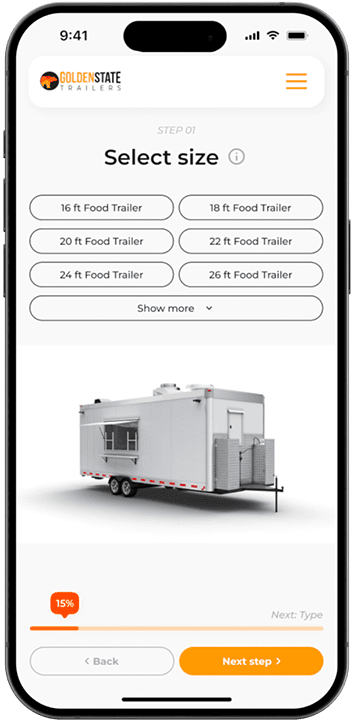
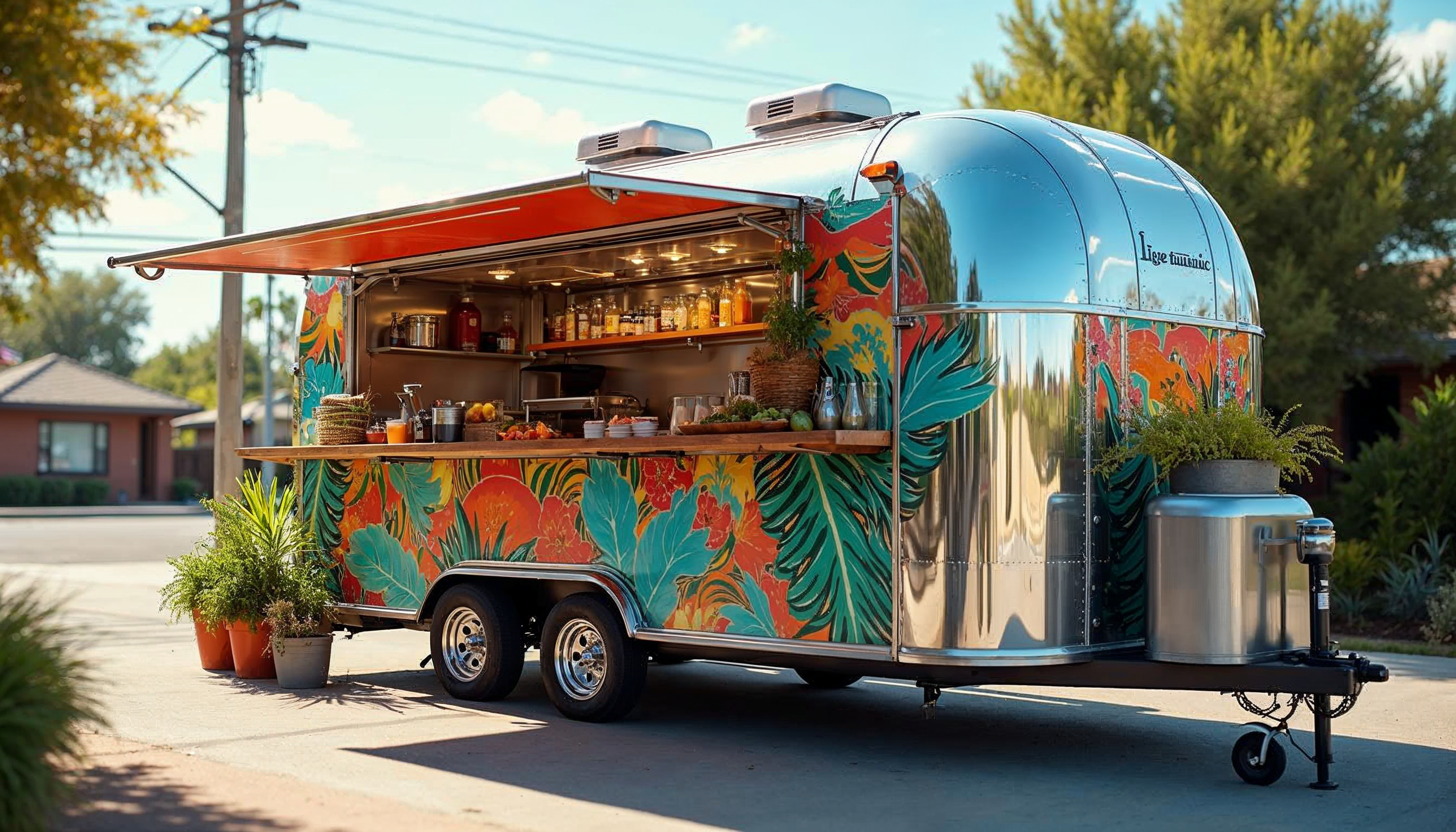
To start your boba food trailer business, begin by developing a detailed business plan which covers everything from initial costs to market research and projected earnings. Secure the necessary licenses and permits from your local health department and ensure you comply with all regulatory requirements. Choosing the right trailer, like those available at Golden State Trailers, is also crucial as it must be equipped to handle food preparation, storage, and service efficiently.
A critical aspect of operating any food-related business is adhering to hygiene and safety standards. This includes regular inspections, maintaining sanitary conditions, and training staff on food safety practices. Regulations can differ by location, so it’s essential to stay informed about local laws and guidelines to ensure compliance.
Effective marketing can greatly influence the success of your boba food trailer. Utilize social media platforms to engage with potential customers, share your unique products, and promote your locations and events. Consider partnerships with local businesses for cross-promotions or setting up loyalty programs to encourage repeat business.
Startup costs for a boba food trailer vary depending on size, equipment, and location but typically range from $50,000 to $100,000.
Choose locations with high foot traffic such as urban areas, near colleges, or at popular events and festivals, and consider any location-based permits required.
You will need commercial-grade blenders, tea brewers, storage for tapioca pearls, refrigeration units, and a reliable water supply system.
Leverage social media, local influencers, and create an attractive brand presence. Engage customers with promotions and consistent communication.
Vegan Food Industry
Introduction to the Vegan Food Industry The vegan food industry has experienced significant growth over the past decade. As more consumers become health-conscious and environmentally aware, the demand for vegan products continues to skyrocket. This shift presents a unique opportunity for entrepreneurs, especially those interested in mobile food solutions such as vegan food trailers. The […]
mobile setup
Mobile Setup Understanding the Basics of Mobile Setup Setting up a mobile food trailer is no small feat, especially for those venturing into the salad food trailer business. The core of a successful mobile setup starts with understanding the requirements and challenges associated with operating in a dynamic environment. From fitting essential cooking and refrigeration […]
Middle Eastern cuisine
Middle Eastern Cuisine Understanding Middle Eastern Cuisine Middle Eastern cuisine is a diverse and flavorful category of food originating from various countries in the Middle East region. It encompasses a broad spectrum of ingredients and recipes, influenced by centuries of cultural exchanges, trade, and migrations. The cuisine is known for its use of aromatic spices […]