Middle Eastern cuisine is a diverse and flavorful category of food originating from various countries in the Middle East region. It encompasses a broad spectrum of ingredients and recipes, influenced by centuries of cultural exchanges, trade, and migrations. The cuisine is known for its use of aromatic spices and herbs, bringing together ingredients like olives, chickpeas, lemon, sesame seeds, and mint to create a symphony of flavors.
Some of the most cherished dishes in Middle Eastern cuisine include hummus, falafel, shawarma, and tabbouleh. Each of these dishes has its unique preparation techniques and ingredient lists. For example, hummus is a creamy blend of chickpeas and tahini, while falafel is a deep-fried ball made from ground chickpeas or fava beans. These dishes are not only popular for their taste but also for their nutritional value.
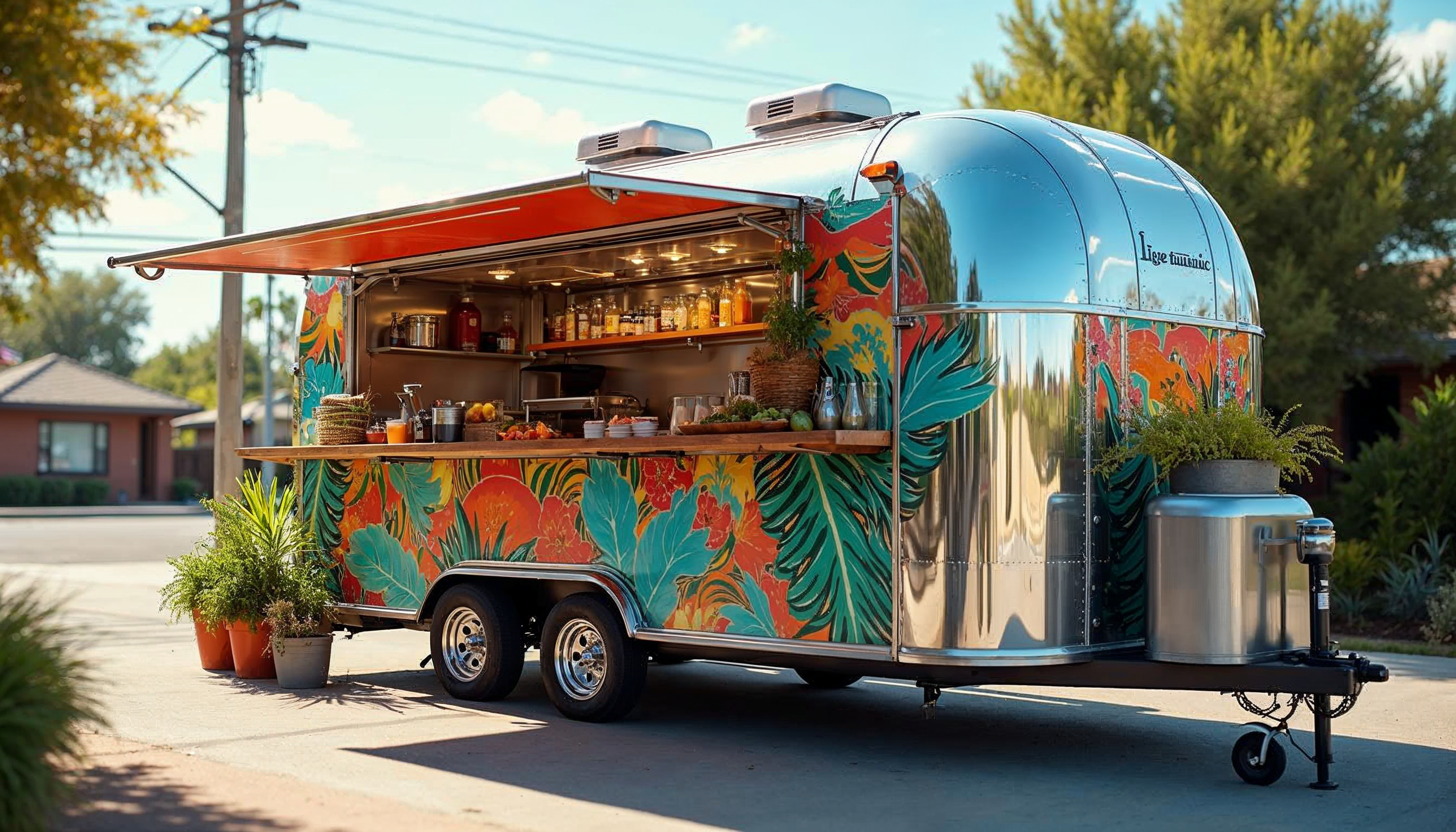
In recent years, Middle Eastern food trailers have gained popularity across many cities. These mobile eateries bring the authentic taste of Middle Eastern cuisine to a broader audience, making it accessible and convenient. The flexibility of food trailers allows them to move and adapt, providing the traditional flavors in modern settings. Explore more about the rise of food trailers and how they are reshaping the culinary landscape.
Food trailers specializing in Middle Eastern cuisine often enhance the dining experience by offering a variety of traditional and fusion dishes. With their ever-adapting menus, these trailers cater to diverse tastes and preferences, often using fresh, local ingredients. The atmosphere around these food trailers is usually vibrant, inviting patrons to enjoy their meals in a relaxed, communal setting.
Middle Eastern food is deeply entrenched in the cultural fabric of its origin countries. Each dish tells a story, often linked to celebrations, religious practices, or seasonal rituals. Sharing food is a significant part of Middle Eastern hospitality, symbolizing community and unity. As these trailers bring Middle Eastern cuisine to various corners of the world, they also share a piece of the culture and traditions that come with each meal.
Common ingredients include chickpeas, olive oil, sesame seeds, lemon, mint, parsley, and a variety of spices like cumin and coriander.
Middle Eastern cuisine has infused food trailers with vibrant flavors and diverse menu offerings, attracting a wide array of customers and broadening the cultural reach of food trailer businesses.
Hummus, falafel, shawarma, and kebabs are among the most popular dishes offered by Middle Eastern food trailers.
The unique aspect of Middle Eastern food preparation lies in its balance of spices, fresh herbs, and diverse cooking methods that emphasize both flavor and health.
Shoreline Contact Check
The term Shoreline Contact Check refers to a critical safety procedure that verifies the 120V electrical shoreline plug is fully inserted and securely latched into the food trailer’s power inlet before activating onboard electrical systems. This check helps prevent electrical faults, ensures stable power delivery, and protects sensitive equipment. It is a standard step during […]
Neutral Isolation Bar
“`html The Neutral Isolation Bar is a vital component in a trailer’s electrical panel, designed to keep neutral conductors separate from the ground. This separation is crucial for ensuring proper electrical bonding when a food trailer is connected to shore power or a generator. Widely used in mobile food trailers, the neutral isolation bar is […]
Load Center Derating
“`html Load center derating is the process of reducing the maximum rated capacity of an electrical panel to ensure safe and efficient operation within a food trailer. This adjustment is crucial for managing continuous electrical loads and preventing heat buildup, which can pose safety risks. Load center derating is commonly applied during the design and […]