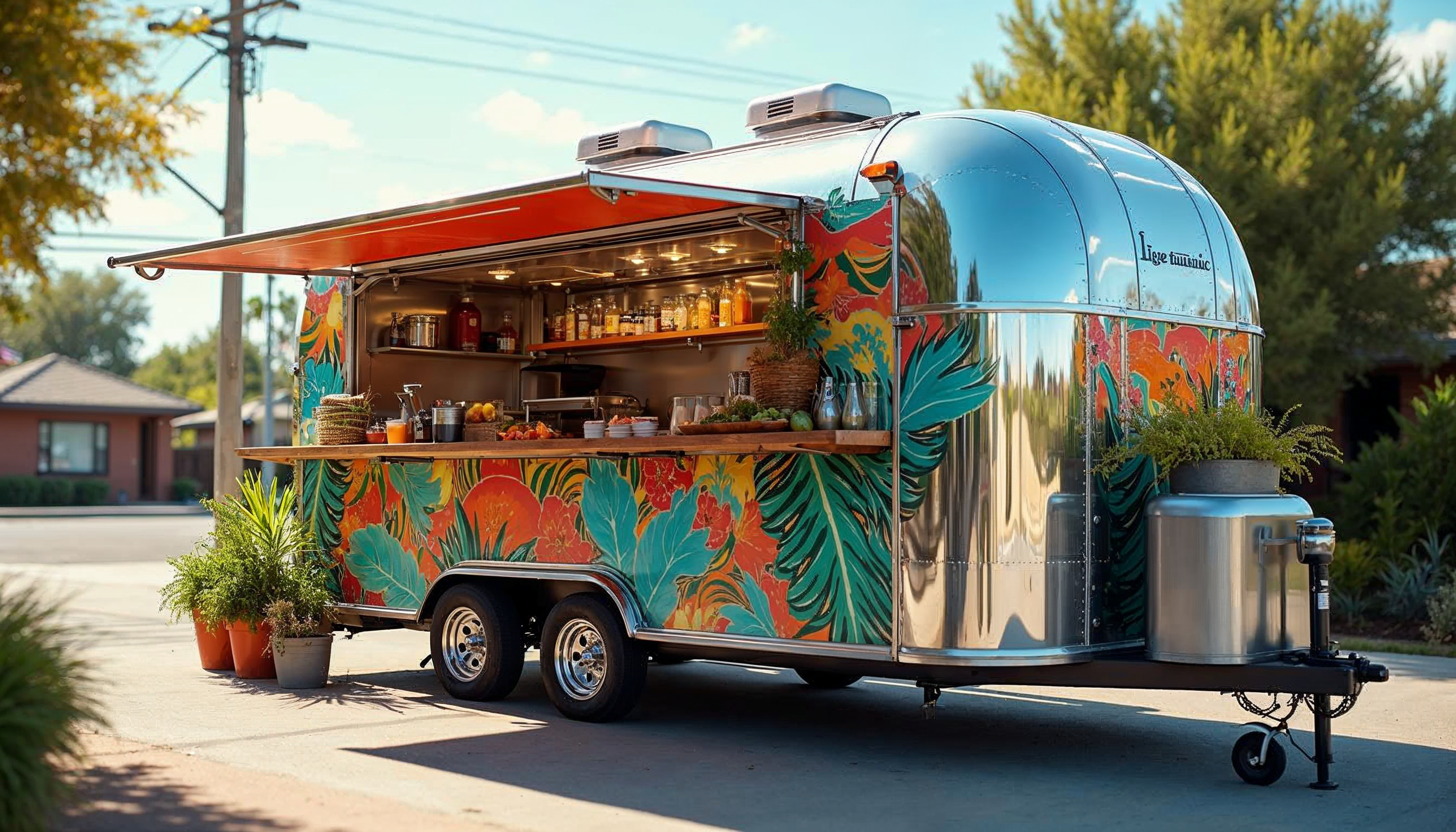
Setting up a mobile food trailer is no small feat, especially for those venturing into the salad food trailer business. The core of a successful mobile setup starts with understanding the requirements and challenges associated with operating in a dynamic environment. From fitting essential cooking and refrigeration equipment to ensuring compliant water and waste management systems, each component needs careful consideration.
Having the right equipment is pivotal for the success of a mobile salad trailer. This includes:
Efficiency in a mobile food trailer hinges on clever design and organization. Consider installing adjustable shelving and compact storage solutions that utilize vertical space. Position your workstations strategically to minimize movement and streamline the process, thus reducing the time taken for meal preparation and serving customers.
Moreover, integrating energy-efficient appliances can reduce operational costs and enhance sustainability.
Navigating the legal landscape is crucial to operating a mobile food trailer. Compliance with local health department regulations, food safety standards, and zoning laws is mandatory. Business owners must secure necessary permits, and ensure that their food trailers pass regular health inspections and adhere to sanitation protocols.
Success in mobile food trailer operations can hinge on several strategic factors:
For more insights into why salad food trailers are gaining popularity in the mobile dining scene, visit Why Salad Food Trailers are the Next Big Thing in Mobile Dining.
Essential equipment includes refrigeration units, food pan racks, preparation counters, and pressure regulators, all vital for maintaining efficiency and safety.
Optimizing efficiency involves strategic design, such as placing workstations to minimize movement and incorporating adjustable shelving to maximize storage.
Legal requirements include obtaining necessary permits, complying with health and safety regulations, and ensuring regular inspections are conducted.
Maintaining hygiene and safety involves adhering to health guidelines, regular cleaning, and ensuring all staff are trained in food handling practices.
Shoreline Contact Check
The term Shoreline Contact Check refers to a critical safety procedure that verifies the 120V electrical shoreline plug is fully inserted and securely latched into the food trailer’s power inlet before activating onboard electrical systems. This check helps prevent electrical faults, ensures stable power delivery, and protects sensitive equipment. It is a standard step during […]
GFCI Branch Protection
“`html GFCI Branch Protection is a critical safety feature in food trailers, involving the use of Ground Fault Circuit Interrupter devices to safeguard individual 120V circuits. This arrangement is essential for preventing electrical shock hazards in environments prone to moisture, such as those commonly found in mobile food operations. Food trailers frequently encounter wet or […]
Marketing Strategies
Introduction to Slushie Food Trailers The vibrant world of slushie food trailers is an enticing business avenue with potential for creativity and growth. More than mere novelty, these mobile enterprises not only offer cooling refreshments but also attract customers with their colorful displays and innovative offerings. Entrepreneurs and established businesses alike can explore this dynamic […]