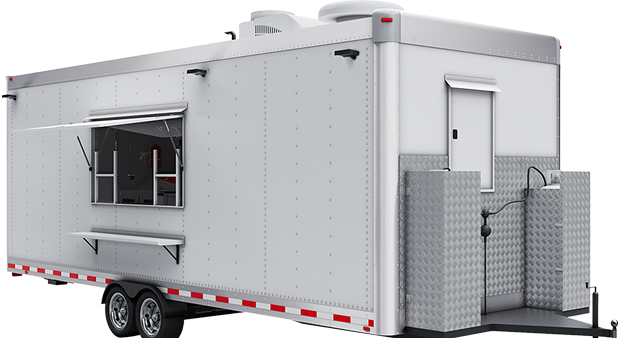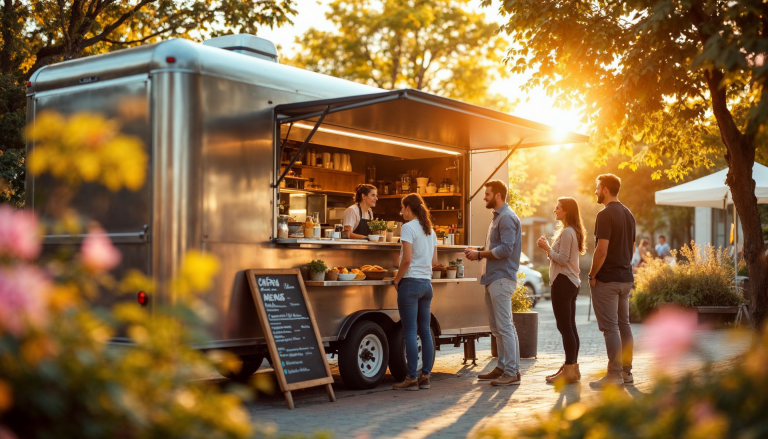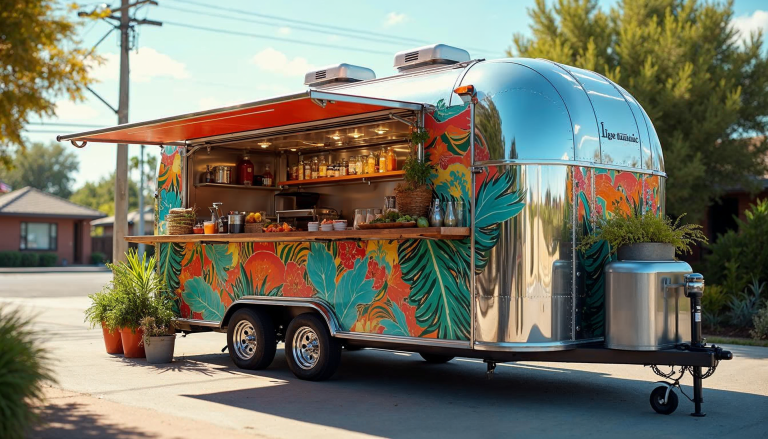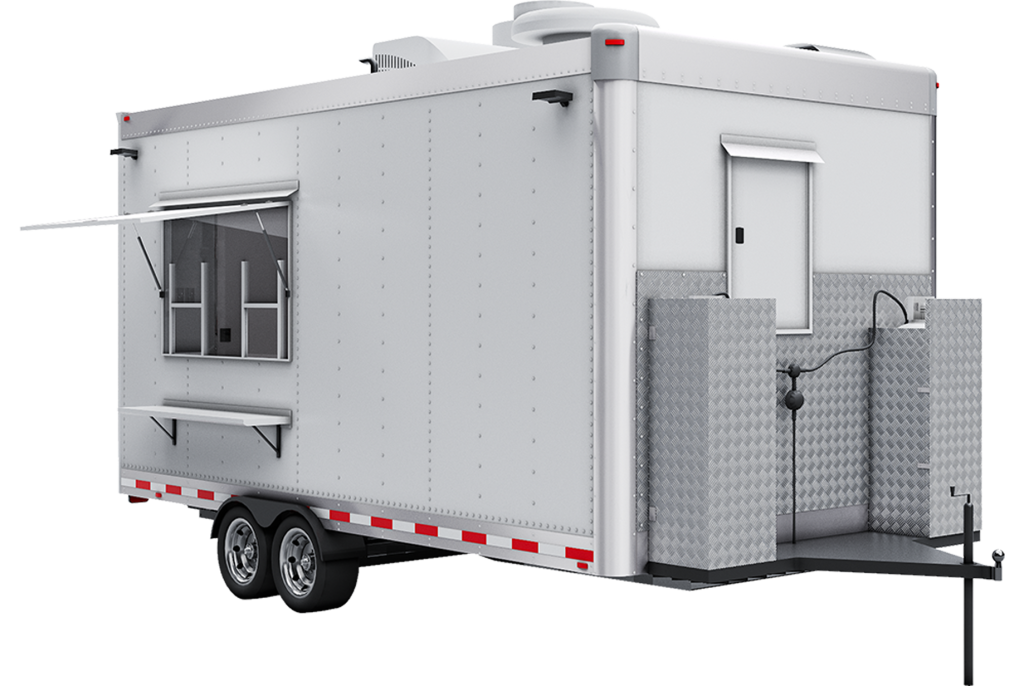
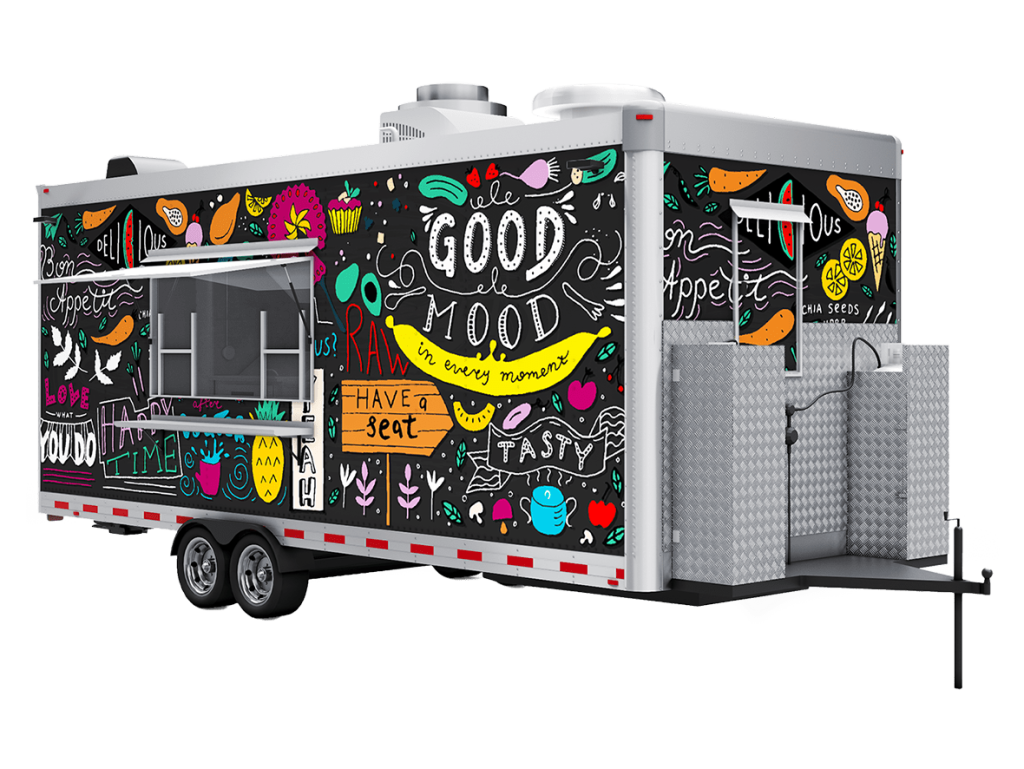
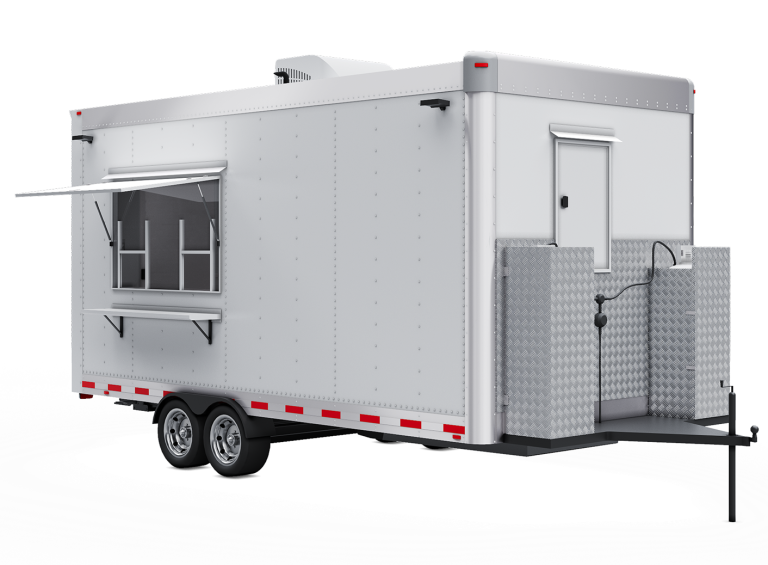




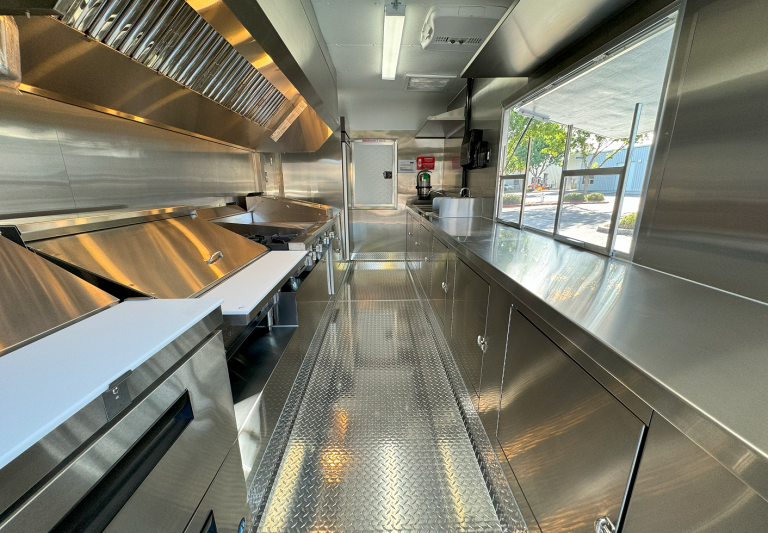
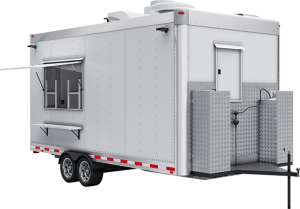
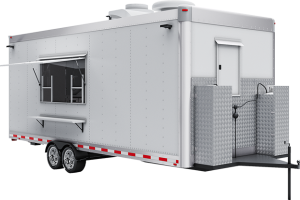
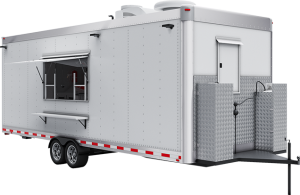
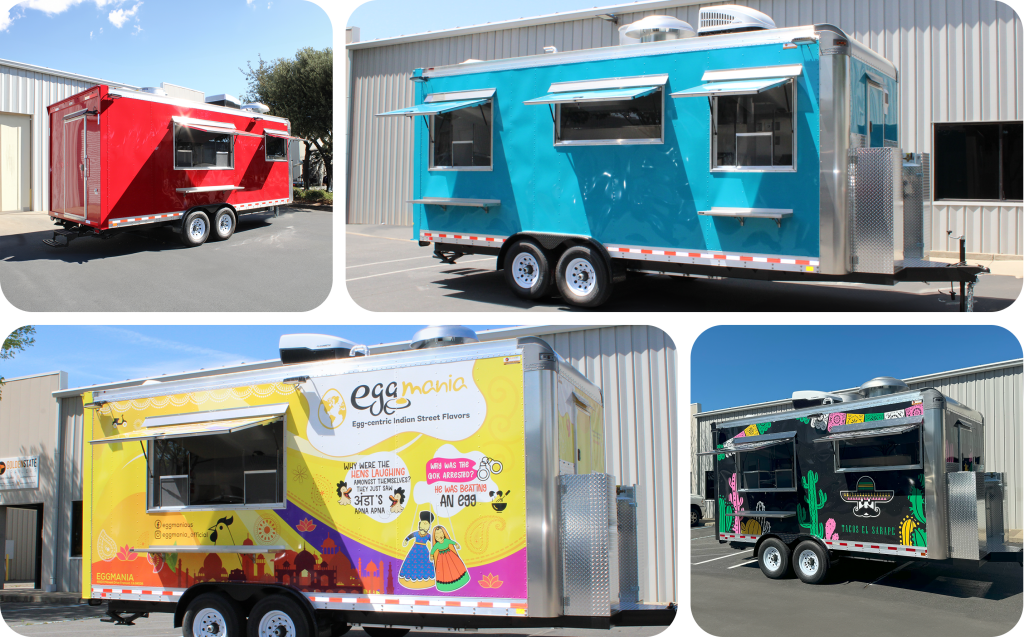
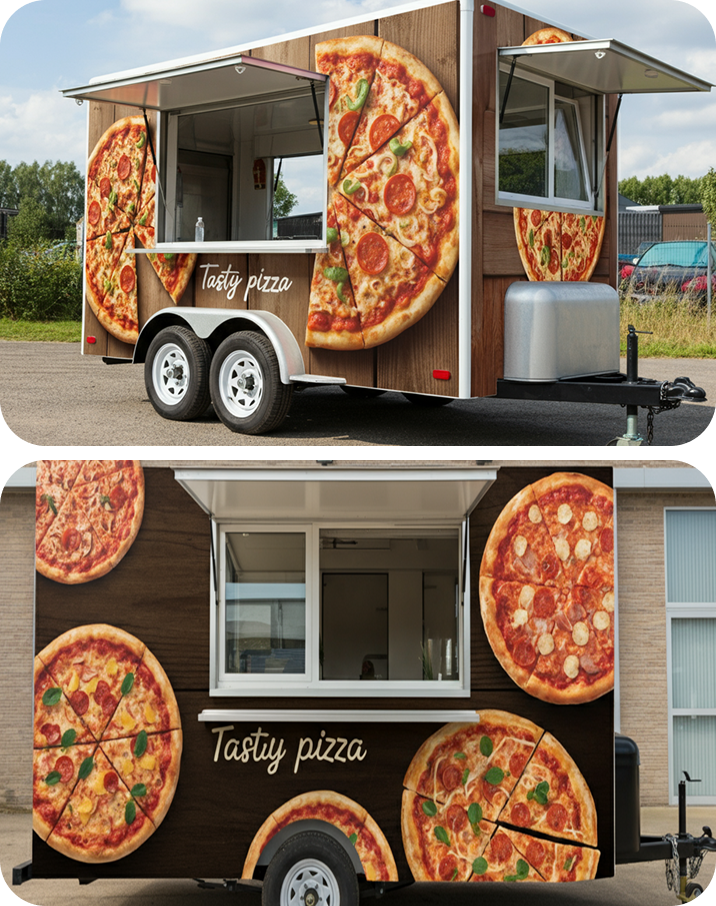
Absolutely. All of our golf course food trailers units are fully customizable. From layout and equipment to branding and finishes, we tailor each trailer to your exact business requirements.
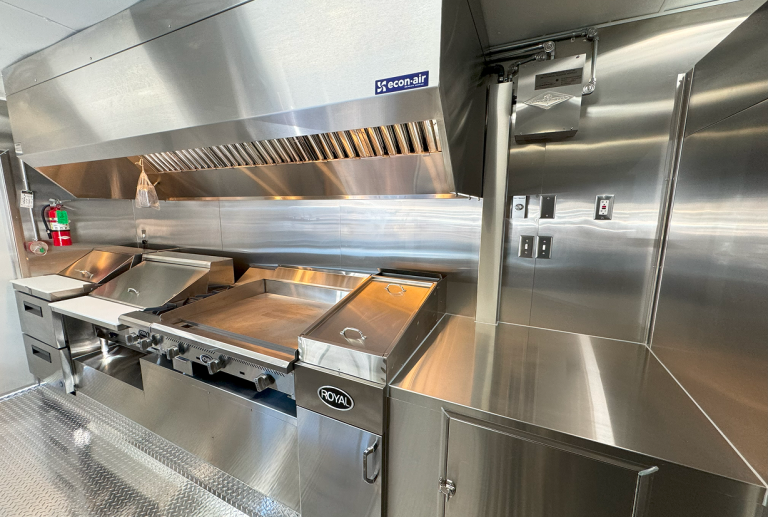
Each golf course food trailers comes with equipment options suited to your menu and concept. We help you choose the most efficient setup based on your goals and workflow.
Simply click “Quote Now” on this page or contact us directly. Our team will guide you through options and provide a fast, accurate estimate.
Yes. Whether you’re launching a new concept or scaling an existing one, our team will recommend the right equipment for your golf course food trailers.
We work with trusted financing partners to offer flexible options. Our team can connect you with the right provider and assist with your application.
Most cities and states require health and vendor permits. We help guide you through the process and make sure your trailer is compliant.
Yes. All of our trailers include a 1-year bumper-to-bumper warranty, and most equipment items carry their own manufacturer warranty.
We arrange transportation nationwide. Before delivery, we ensure everything is tested and ready. Upon arrival, we help you get set up properly.
Routine cleaning, equipment inspection, and occasional servicing keep your golf course food trailers in peak condition and extend its lifespan.
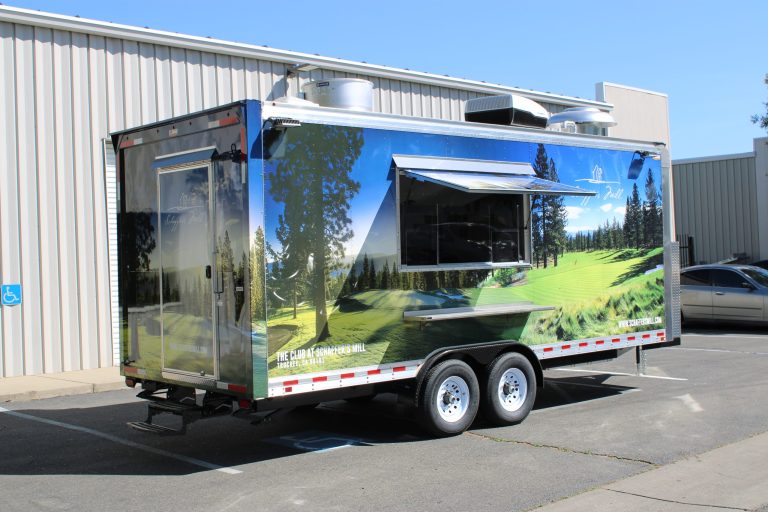
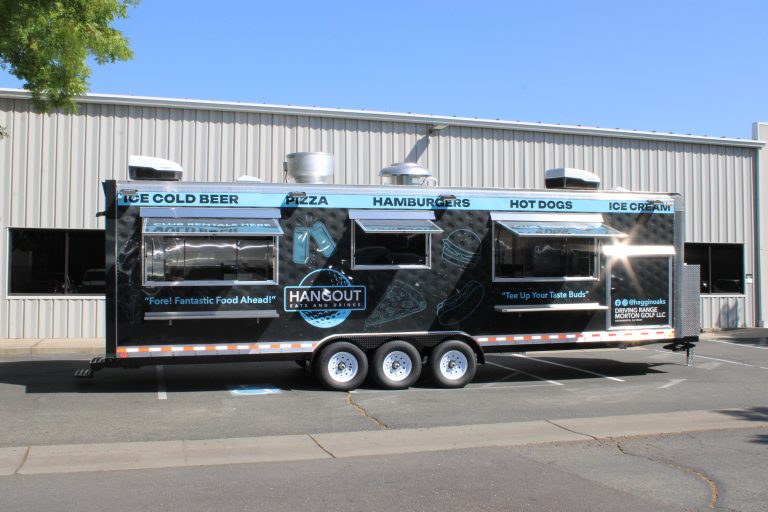
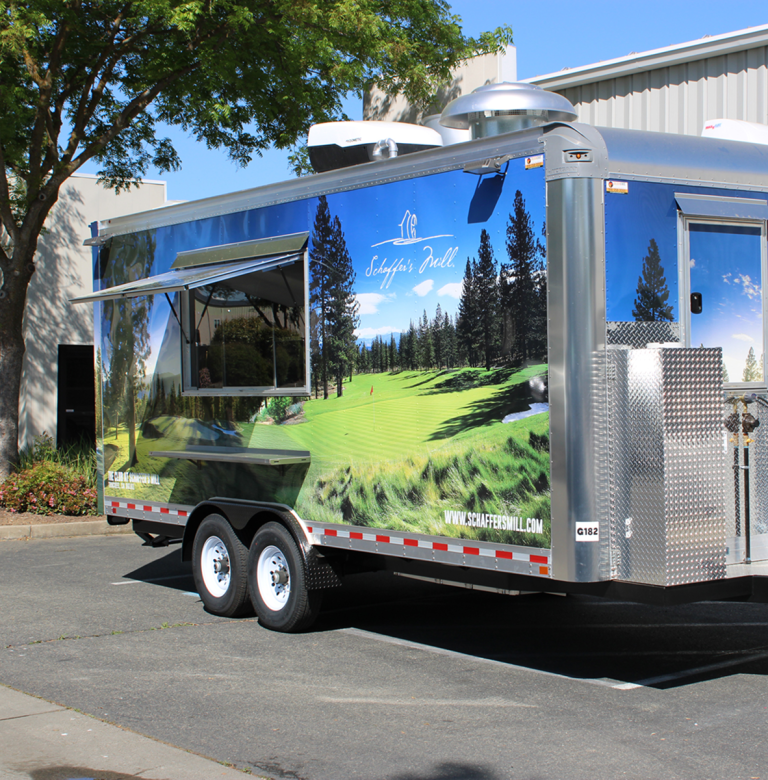
Golf courses and country clubs often lose food and beverage sales during peak play. Long lines at the clubhouse and limited access on the course reduce on-course spending. This problem becomes critical during tournaments, events, and busy weekends. A mobile food trailer allows clubs to serve players where demand is highest. Food and drinks can be offered near tees, practice areas and halfway points without permanent construction. This helps improve service speed while keeping players on the course. Golden State Trailers builds custom food trailers for golf course operations. Our layouts are based on real on-course use, including the Haggin Oaks golf course food trailer project.
Golf courses need fast food service without slowing play or overloading the clubhouse. Fixed kitchens serve one location, while players move across the course. This creates service gaps during peak hours and events.
Food trailers work as daily service points and event support units. They help golf courses increase on-course sales while keeping operations flexible.
Golf courses use food trailers in several operational scenarios. The same trailer can support daily play, events, and seasonal demand without changing core operations.
Mobile food trailers allow clubs to adjust service locations based on player traffic. This keeps service fast while reducing pressure on clubhouse staff.
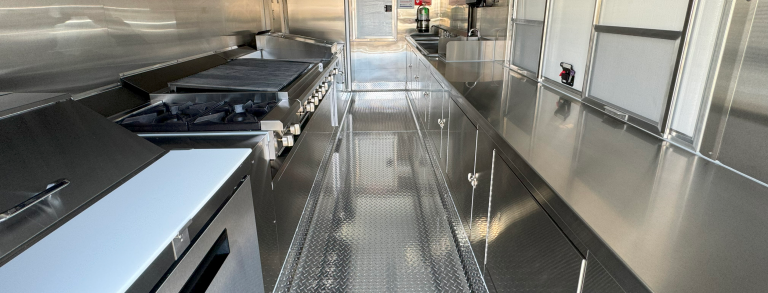
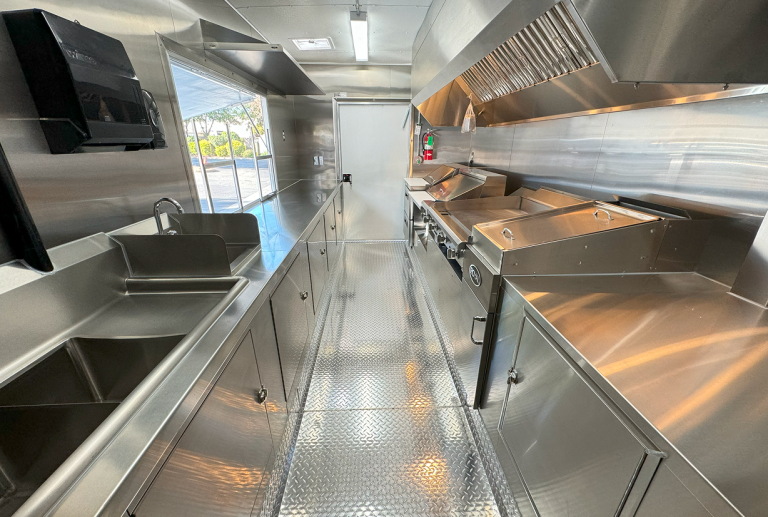
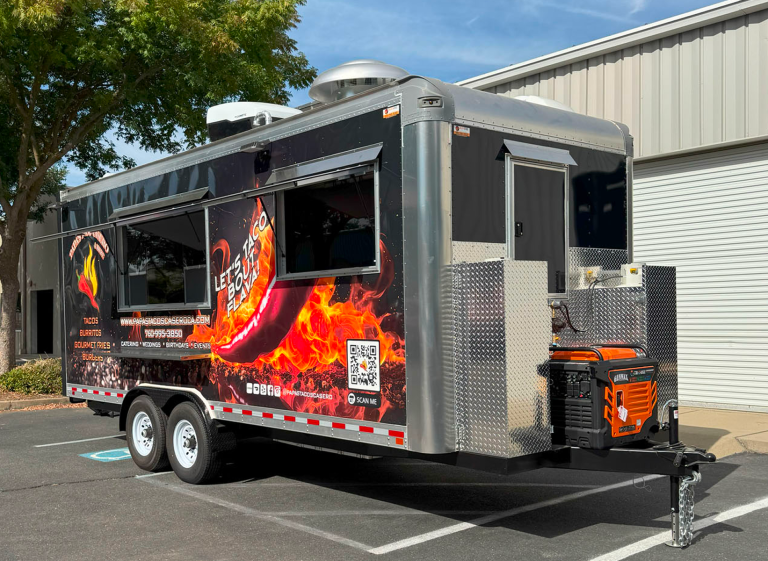
Golf courses need food trailers that match player flow, menu speed and on-course rules. Standard layouts often fail during busy days and tournament play. They create bottlenecks, slow service and staff congestion. Golden State Trailers builds custom food trailers based on real golf course operations. Each layout is planned for fast service, short lines and clear staff movement inside the trailer. This approach helps owners expand food service without changing clubhouse operations or increasing fixed infrastructure costs. Service remains consistent during peak hours without disrupting play.
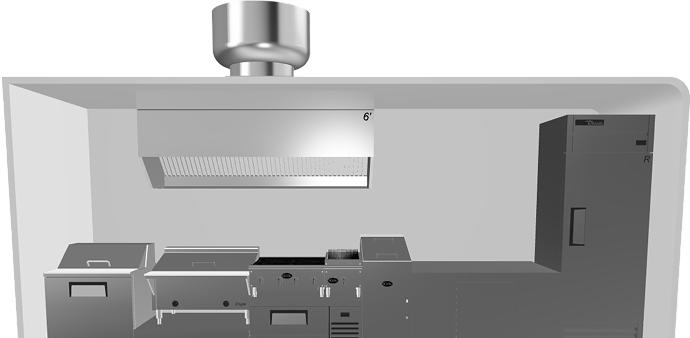
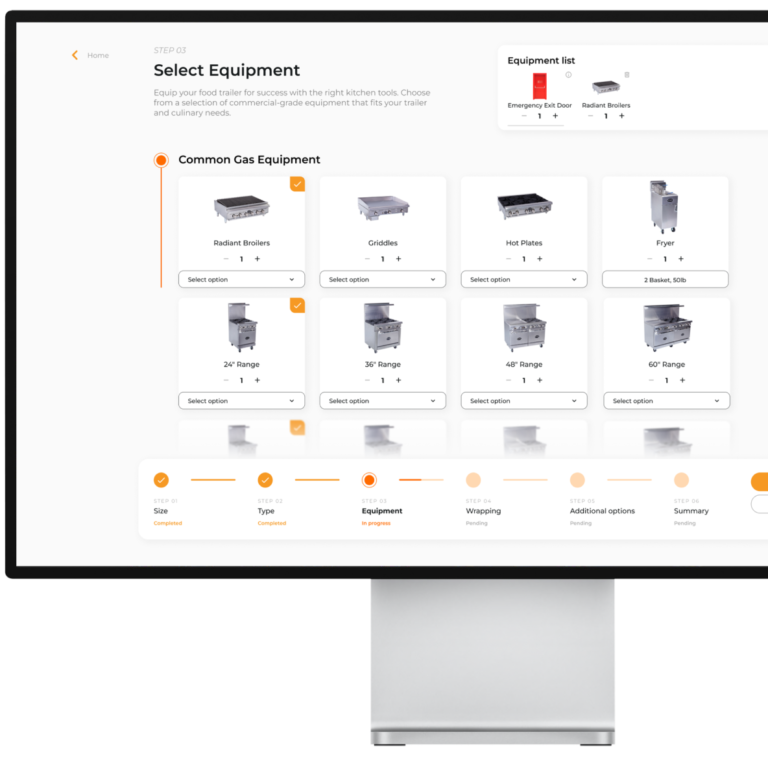
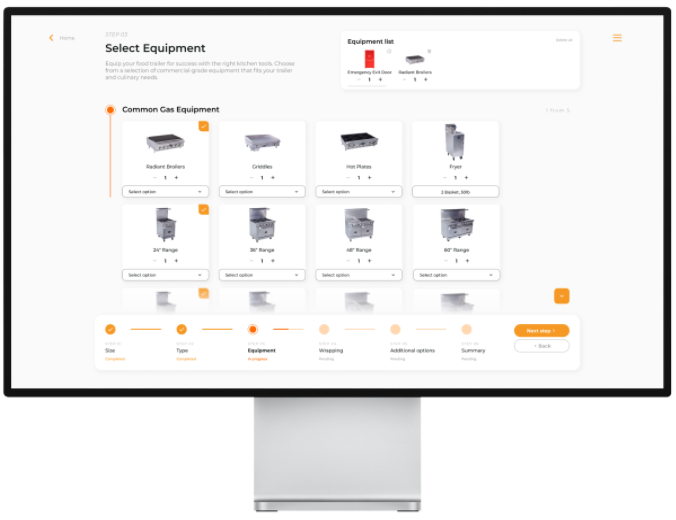
Before production begins, clubs can design a golf course food trailer in 3D to plan layout and workflow and review equipment placement, service windows and staff flow. Early planning helps avoid layout changes later in the build process. Custom planning also supports permit and inspection preparation. Food trailers are designed with local health department requirements in mind, based on prior project experience across regulated markets.
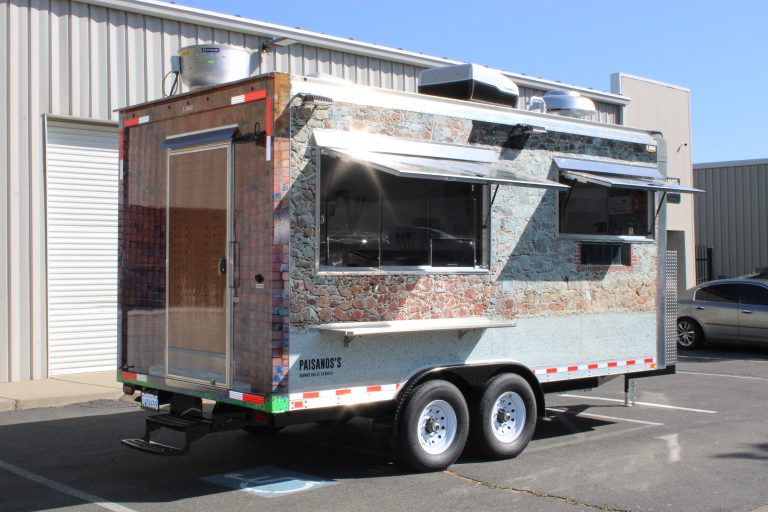
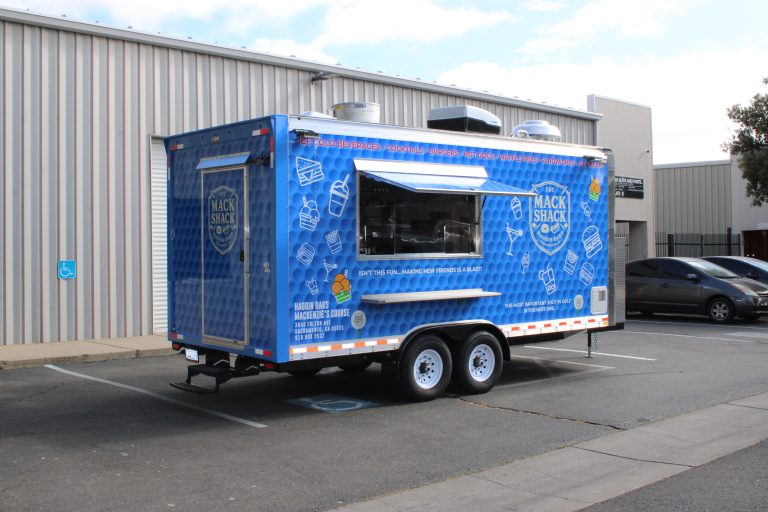
Golden State Trailers has built food trailers used on active golf courses with high daily traffic. These trailers operate on-course without slowing play or disrupting normal operations.
Layouts are designed to handle peak demand during busy hours and events. At Haggin Oaks Golf Complex custom food trailers support on-course service during tournaments and weekends.
The layout was planned for fast order flow, short lines and consistent output during peak periods. A second food trailer was later built for the same course to support increased demand. This allowed the club to expand on-course service without modifying the clubhouse or kitchen operations.
Food trailers used on golf courses must meet local health department requirements. Rules can vary by state, county and event type. Early planning is critical to avoid delays before opening or scheduled tournaments. Golden State Trailers designs food trailers with inspections and approvals in mind.
Layouts support NSF-rated commercial equipment, proper ventilation and safe food handling. Construction decisions are based on prior project experience in regulated markets. Planning ahead allows golf course managers to align trailer design with local requirements. This approach supports smoother inspections and reduces last-minute changes before service begins.
Golf course managers need to understand how a food trailer will operate before ordering. Layout, equipment placement and service flow directly affect speed and staffing during peak play. Using a planning tool allows clubs to review trailer layout early in the process. Teams can evaluate service windows, equipment zones and workflow before production begins.
This helps reduce layout changes and supports permit preparation. Clubs can plan a golf course food trailer layout and review equipment placement based on daily operations and event use.
Food trailers give golf courses and country clubs a flexible way to expand on-course and member-area food service. They support daily play, tournaments and special events without permanent construction. Golden State Trailers builds custom food trailers planned for real golf course operations. Each project is developed with workflow, approvals and long-term use in mind.
Clubs can begin by reviewing real builds or planning a custom layout before production. This approach helps align the trailer with operational needs before construction starts.