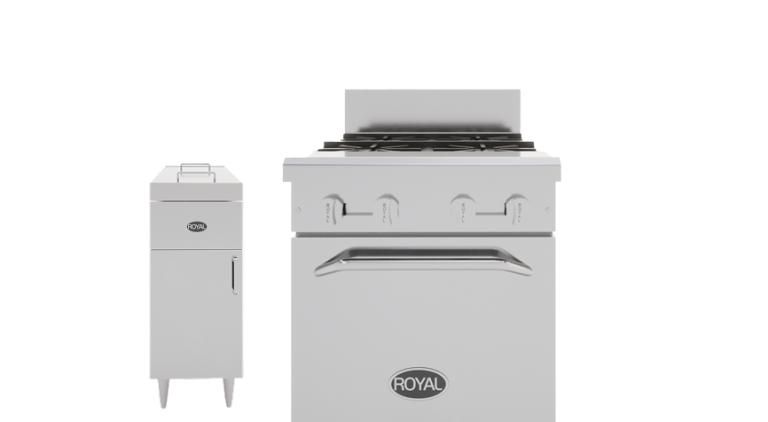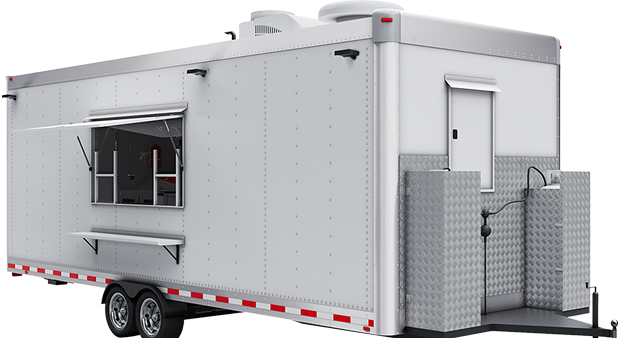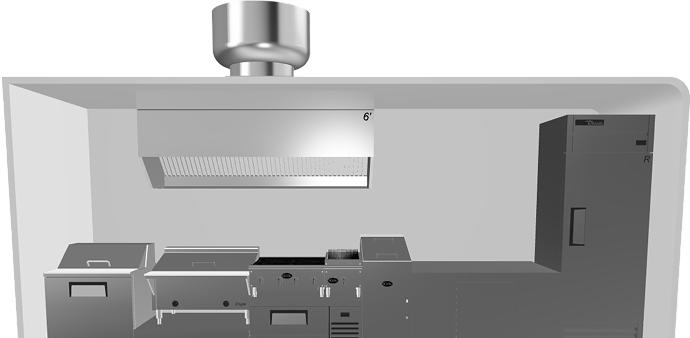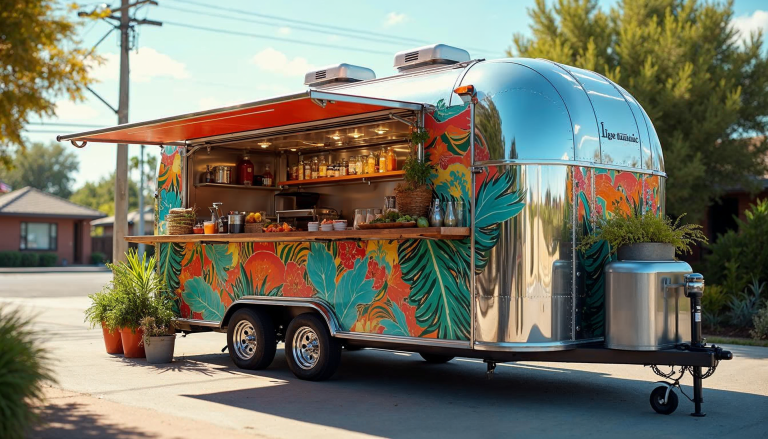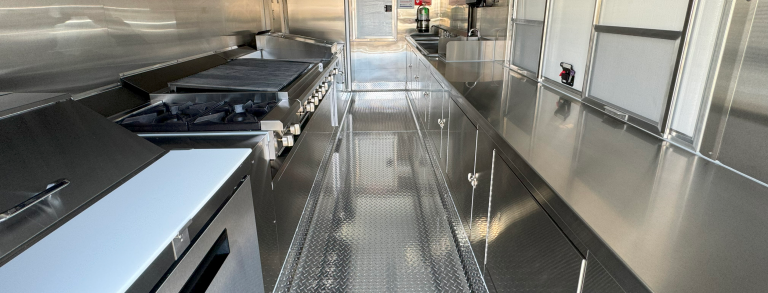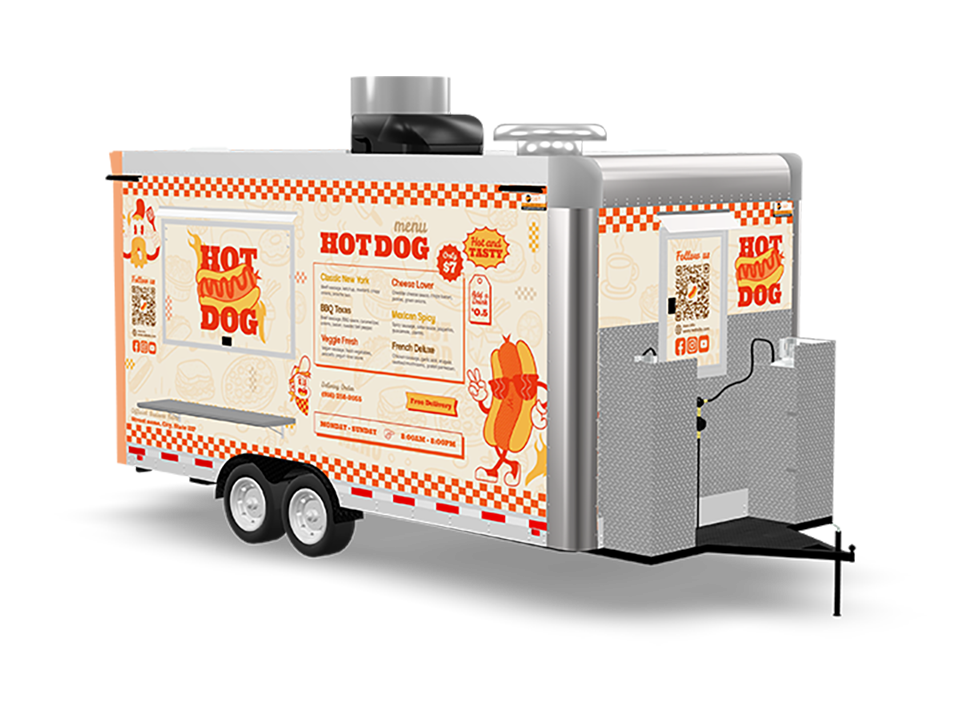
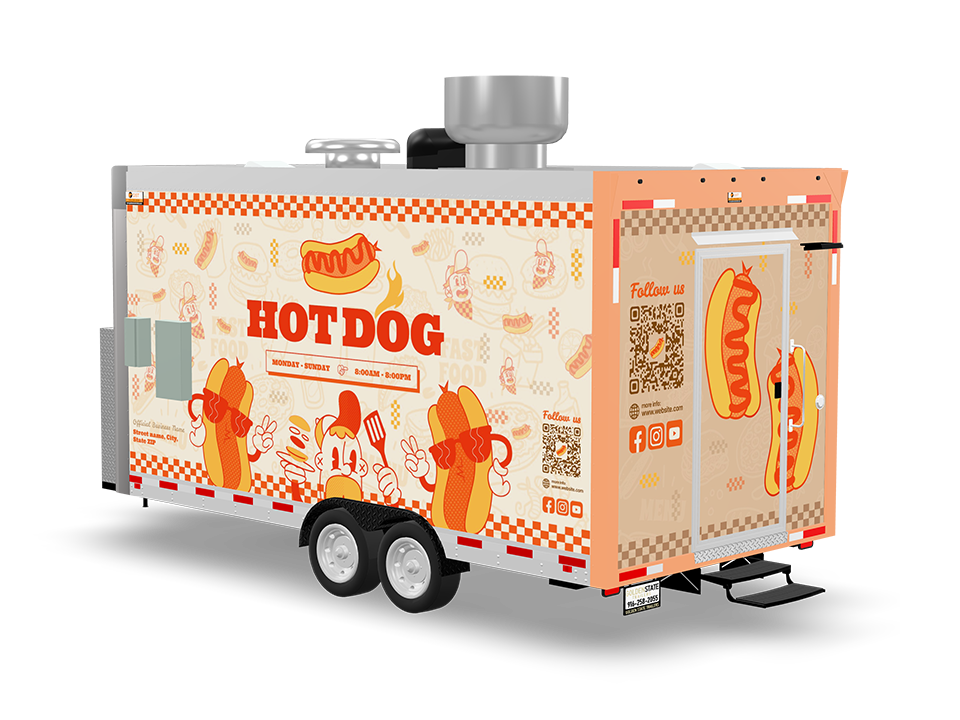
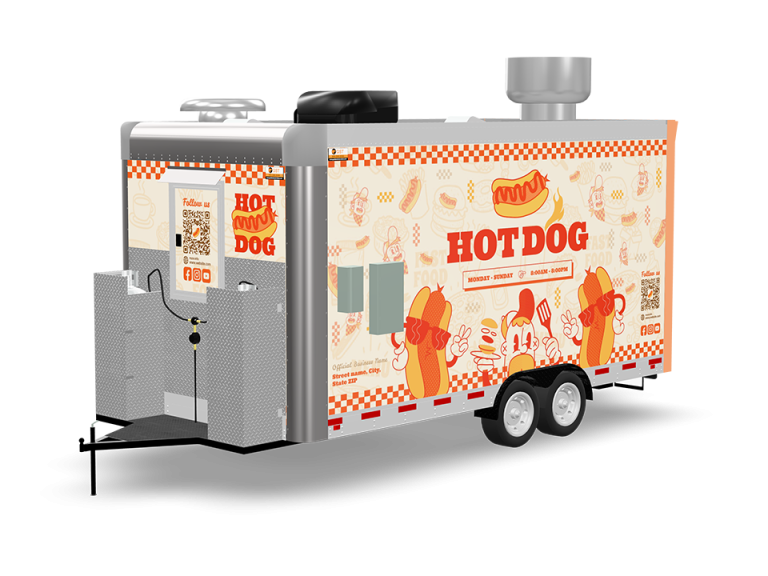




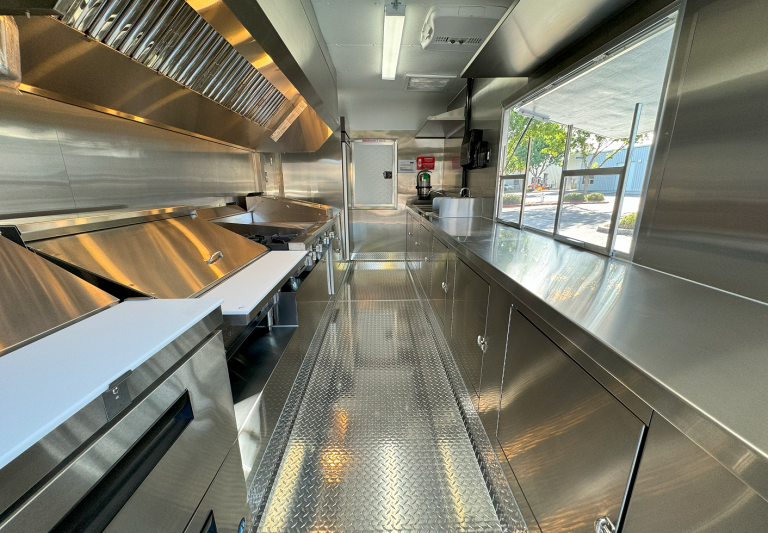
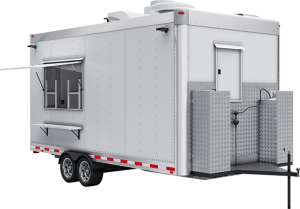
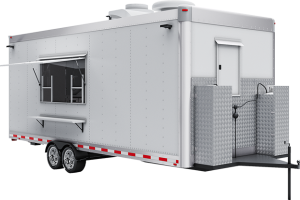
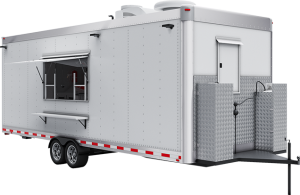
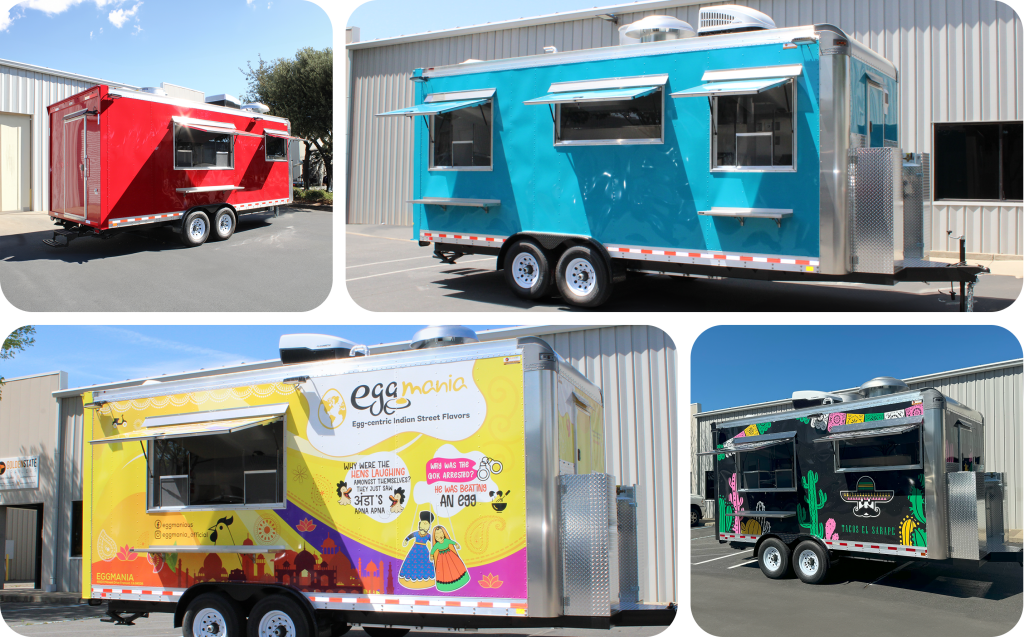
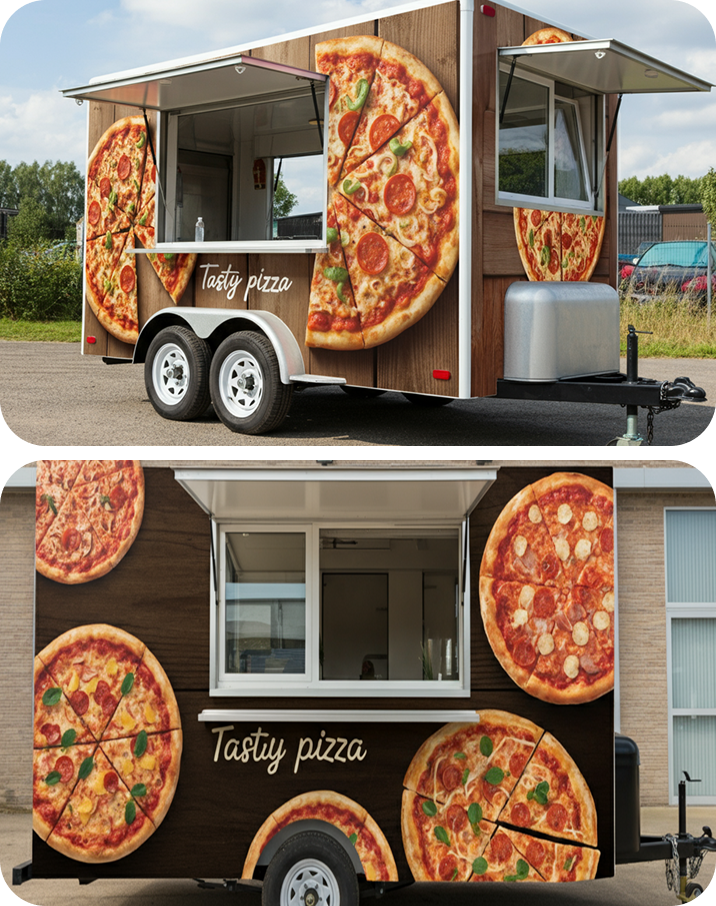
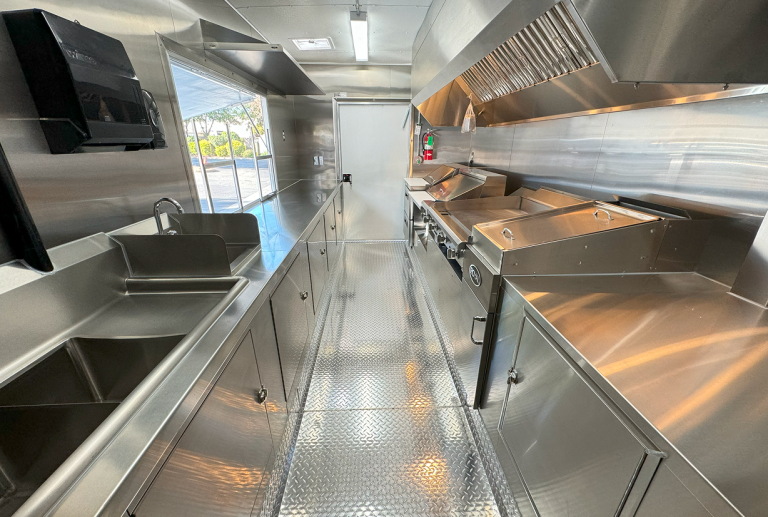
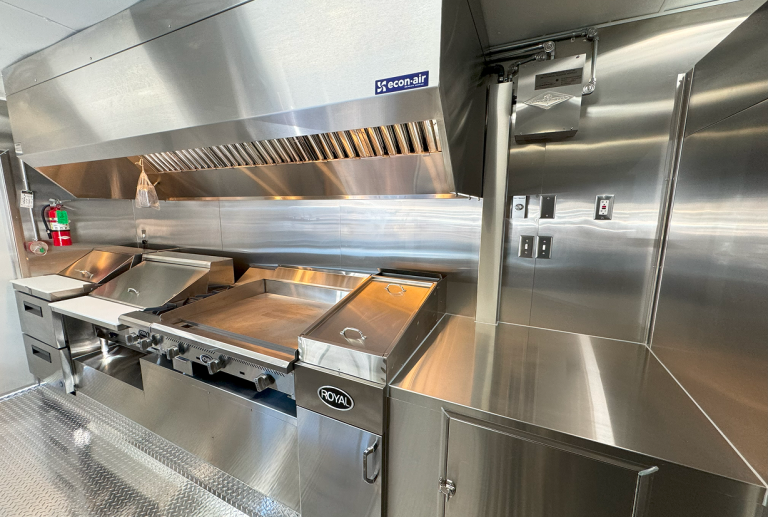
In each project, we install NSF and ETL equipment and build code-aware structures. The same quality and safety standards apply to every hot dog trailer.
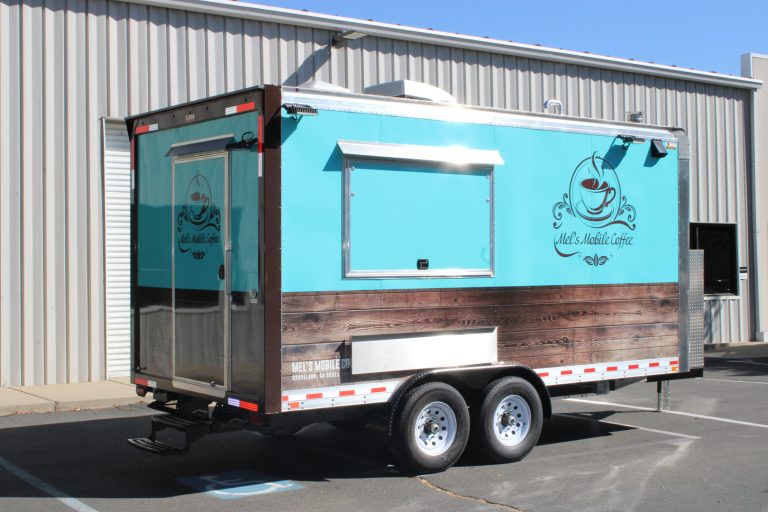
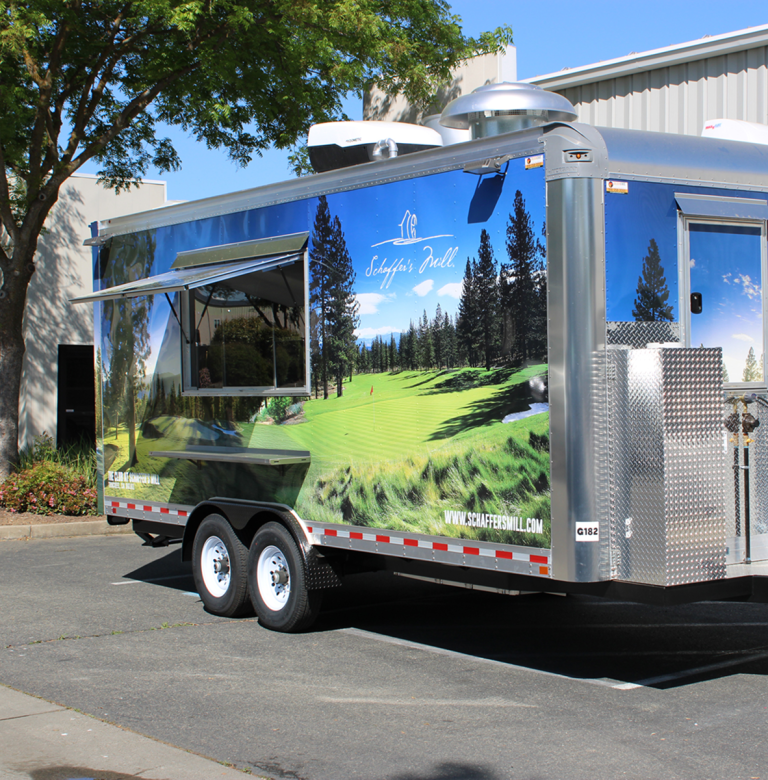
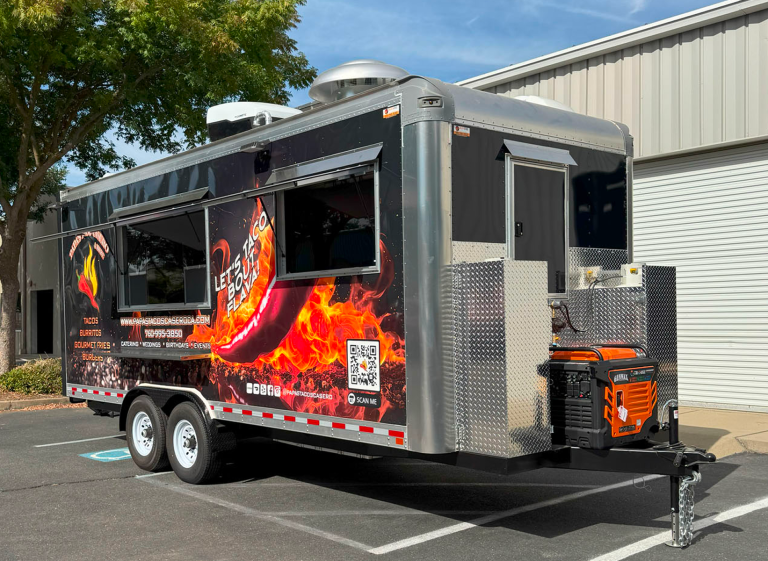
The price depends on the size, equipment, and ventilation. The basic model costs less, but additional systems affect the budget.
A custom hot dog trailer includes a cooking line, sinks, water tanks, electricity, and ventilation. The equipment is selected according to your menu and health department requirements.
The production time is usually 12 weeks. Complex projects with additional systems may take longer.
The size depends on your menu and sales volume. An 18-20 ft trailer is suitable for starting out, while a 22-26 ft trailer is better for events.
A trailer has lower maintenance costs and more layout options. A truck is mobile but more expensive to service and fuel.
We arrange delivery throughout the U.S. You receive a ready-made trailer in your state without having to search for a local dealer.
Yes, financing options are available through partner programs. This allows you to start your business without paying in full right away.
The construction of hot dog trailers begins with a clear plan. An incorrect layout slows down the process and leads to inspection failure. Each hot dog food trailer has separate areas for cooking, washing, and storage. The grill line, hand sink, three-compartment sink, and cold storage must be arranged in a logical order. The health department checks water tanks, drains, surfaces, and access to hand washing facilities. Certified equipment and materials that comply with local codes are required. Ventilation and fire suppression systems are mandatory for working with grills and steam tables. NFPA requirements are taken into account at the drawing stage.
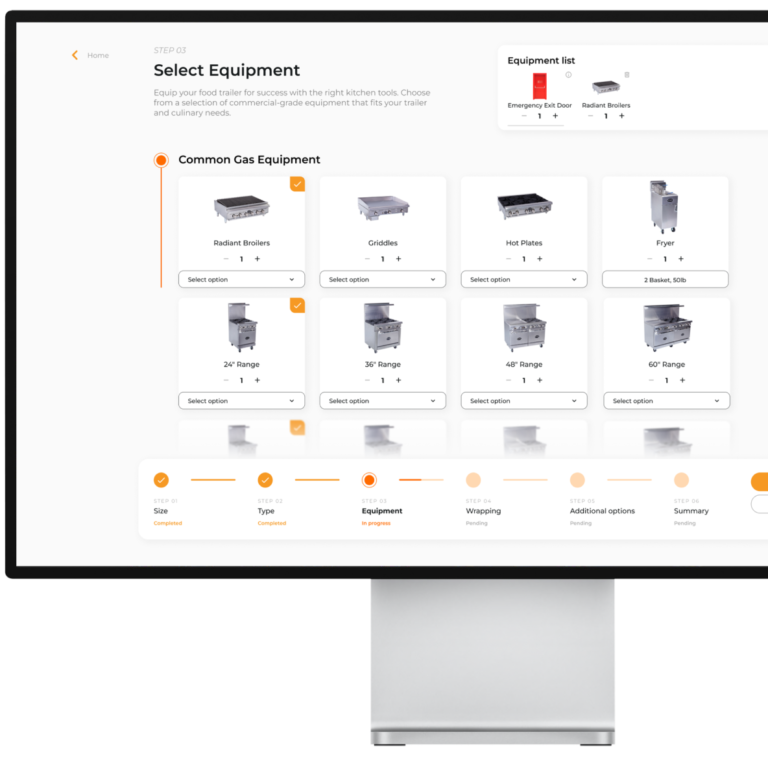
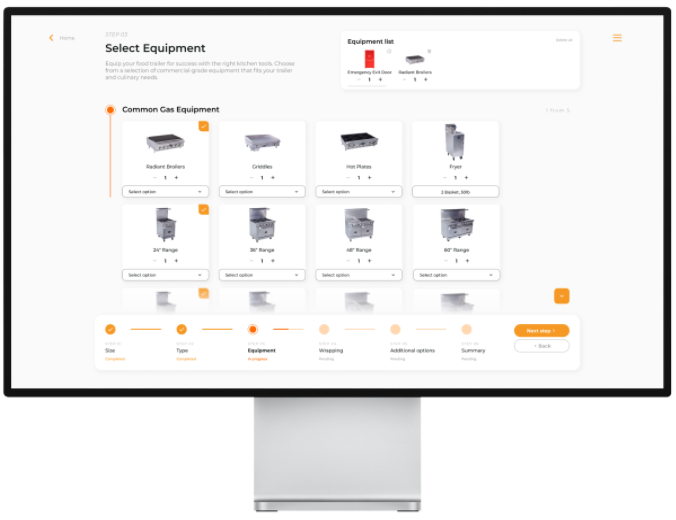
Typical models often do not take into account the rules of a particular state. A custom hot dog trailer is adapted to your menu, operating format and local regulations. Before you start, use 3D food trailer configurator to plan the space and equipment for your business.
The base price for hot dog trailers for sale rarely reflects the actual investment amount. It does not take into account equipment, ventilation and inspection requirements. The final cost is influenced by size options, grill type, number of refrigerators, and system complexity. Fire suppression, water tanks, and electricity also add to the budget.
A search for hot dog trailers for sale near me often shows ready-made models that do not take into account your state’s regulations. This option may not pass the local health department inspection. A proper hot dog trailer quote takes into account size, equipment, ventilation and jurisdiction requirements. You get a clear list of systems and an accurate estimate before production begins. Review all size options to understand which format fits your budget and sales plan.
Start with a clear plan and a realistic menu. A custom hot dog trailer should fit your business model, not a template. Think through the flow of traffic inside. Cooking, prep and service areas should not overlap. When designing a mobile hot dog trailer, consider the weight of the equipment, electrical power and water tank capacity. Each system must operate stably under load.
Cheap assemblies often skimp on ventilation, wiring, and materials. This leads to failed inspections and costly rework. The right approach takes into account compliance with health department and NFPA requirements right away. This saves time, money and the reputation of your hot dog trailer business.
A hot dog trailer offers a balance between price and capabilities. You get a full kitchen, flexible layout, and more space for equipment. This format is easily adaptable to fast food American classics trailers. The cost is lower than a truck because there is no engine. Permits are issued as for a full-fledged mobile kitchen.
Hot dog trucks for sale have the highest starting price. Requests for hot dog trucks for sale often lead to used cars with the risk of repairs. A truck moves on its own and does not require a tractor. But service and fuel increase monthly expenses.
A hot dog cart is suitable for a minimal budget. Hot dog cart for sale or hot dog carts for sale usually mean a simple design and a limited menu. A cart is light and compact. However, it has strict restrictions from the health department.
If you need flexibility and scalability, a trailer wins. You can start with a classic menu and later move to the burger food trailers format. It is also possible to expand the concept to a fried menu, as in fried chicken food trailers, without changing the basic design.
DIY projects often ignore basic requirements. Incorrect water tanks, poor ventilation and electrical errors lead to failure. Common reasons for failure include lack of a hand sink, drainage errors, or insufficient storage space. The health department checks every system without exception.
Custom hot dog trailers are designed with local codes in mind before production begins. The layout, materials, and equipment immediately meet the requirements. We take key standards into account without unnecessary complexity. This helps you pass inspection faster and launch your hot dog trailer business without delays.
Your hot dog trailer business starts with the right plan and quality assembly. Don’t skimp on systems that affect inspections and daily operations. A custom hot dog trailer gives you control over planning, equipment and compliance. You get started faster and operate without unnecessary risks.
Submit a request and receive a quote tailored to your needs. If you are looking for a hot dog trailer for sale, choose a solution that is tailored to your goals.