Urban centers are becoming the epicenters of dietary innovation and trends, with a significant shift towards healthier, sustainable food choices. Among the most noticeable changes is the increasing popularity of vegetarian diets. As people become more health-conscious and environmentally aware, vegetarianism is not just a diet, but a lifestyle choice gaining momentum in urban settings.
The trend towards vegetarianism is more pronounced in cities than in rural areas, driven by factors such as greater awareness of health benefits, ethical considerations, and a desire for sustainability. Urban dwellers often have better access to a variety of vegetarian options and are more inclined to experiment with plant-based diets. This shift is supported by the rising number of restaurants and food trailers dedicated to serving vegetarian and vegan cuisines.
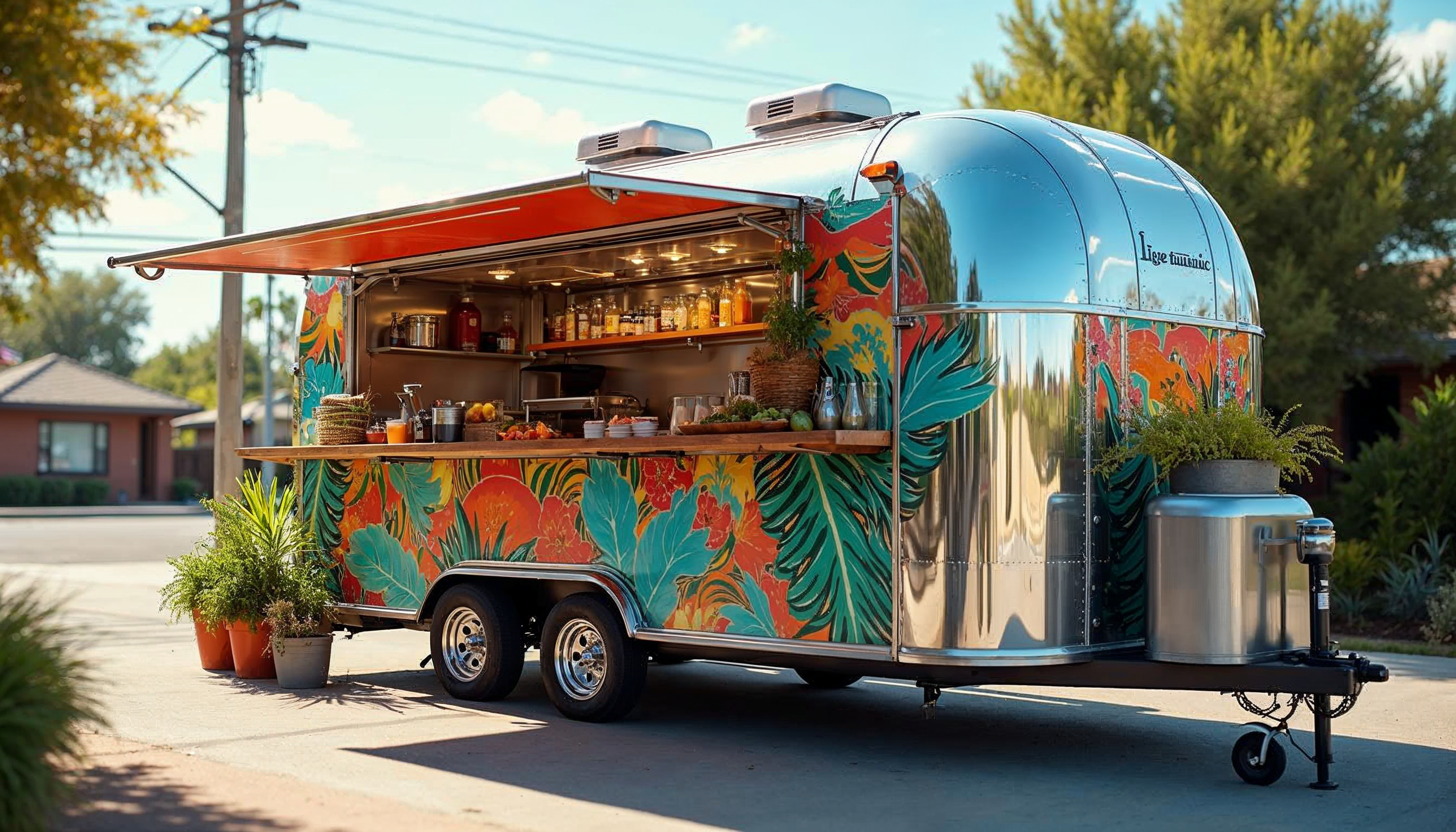
Vegetarian food trailers are becoming a staple in urban environments due to their mobility and ability to cater to a diverse consumer base. They offer several benefits, including:
Vegetarian food trailers contribute positively to the environment by promoting sustainable eating practices. By focusing on plant-based menus, they help reduce the carbon footprint associated with meat production and decrease deforestation rates.
Switching to vegetarian options can lead to improved health outcomes. A plant-based diet is frequently linked with lower risks of chronic diseases such as heart disease, diabetes, and certain cancers. Vegetarian food trailers provide convenient access to these healthier food choices, encouraging a wider audience to adopt better eating habits.
Food trailers have the advantage of relocating according to demand, ensuring that vegetarian options are more accessible than traditional brick-and-mortar establishments. This mobility allows them to participate in food festivals, markets, and other events, thus increasing their reach and promoting vegetarianism across diverse urban settings.
Despite their popularity, vegetarian food trailers face several challenges. They must navigate local regulations, maintain a steady supply chain for fresh produce, and differentiate themselves in a competitive food scene. Additionally, understanding consumer preferences and adapting menus to suit local tastes can be a complex task.
For more insights on the rising demand for vegetarian food trailers, refer to our article on Exploring the Growing Demand for Vegetarian Food Trailers in Urban Areas.
Current urban dietary trends include a noticeable shift towards plant-based diets, driven by health considerations, environmental concerns, and ethical reasons. This trend is particularly evident among the younger urban population.
Vegetarian food trailers are gaining popularity due to their ability to offer diverse, healthy, and sustainable food options. Their mobility allows them to reach a broad audience and adapt to the dynamic demands of urban consumers.
These trailers promote healthy eating habits while reducing environmental impacts associated with meat consumption. They also support local economies by sourcing fresh, seasonal produce.
Challenges include meeting local regulatory requirements, managing supply chains effectively, and staying competitive amid a burgeoning market of food options.
Chassis Rail Inspection
Chassis Rail Inspection is the detailed assessment of a food trailer’s main longitudinal support beams, which form the backbone of the trailer’s structural frame. These rails bear the weight of installed kitchen equipment and withstand dynamic stresses during transport and service. Regular inspections are critical to detect structural issues such as cracks, corrosion, or fatigue […]
refrigeration units
Refrigeration Units in Food Trailers In the bustling world of food trailer businesses, ensuring the freshness and safety of perishable goods is paramount. This is where refrigeration units come into play, especially for those specializing in BBQ and grilled meats. A reliable cooling system not only keeps ingredients fresh but also assures customers of quality […]
Vent Hood Clearance
Vent hood clearance refers to the minimum required distance between a commercial kitchen hood system and any combustible materials inside a mobile food trailer. This clearance is defined by national and local fire codes, such as those from the National Fire Protection Association (NFPA), to minimize fire risk from heat and grease build-up during cooking. […]