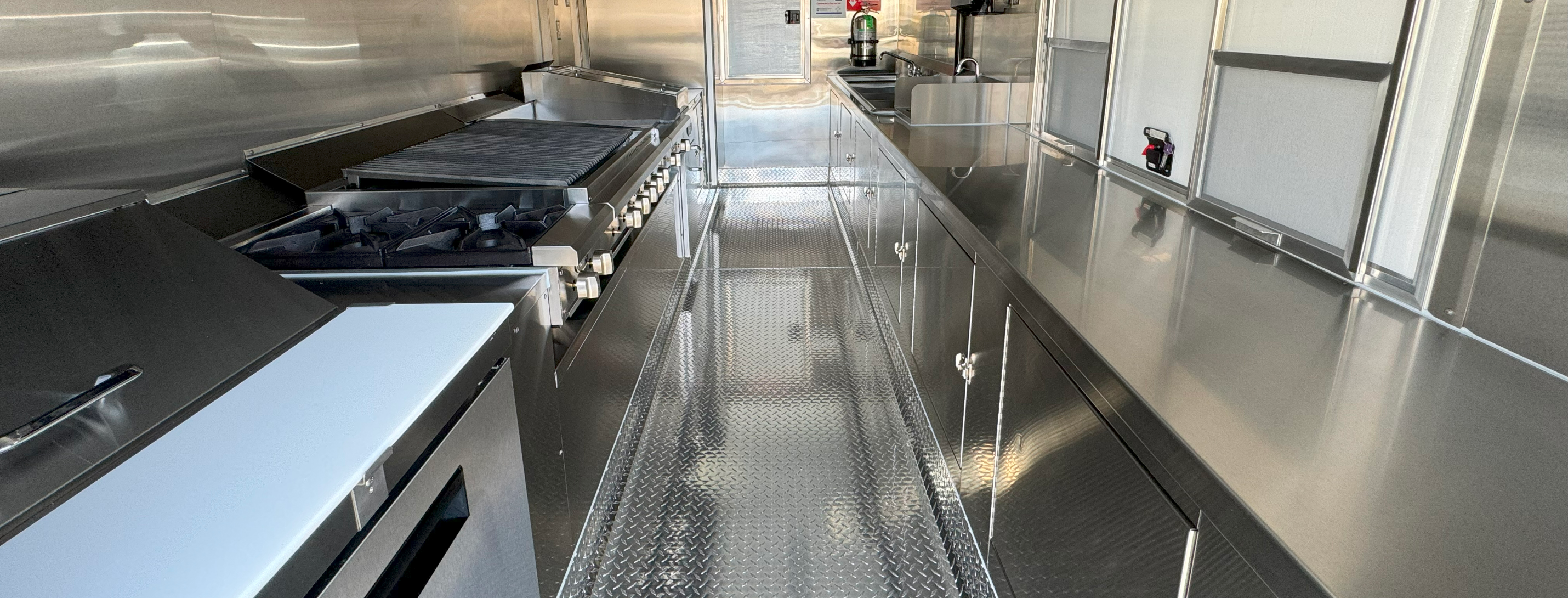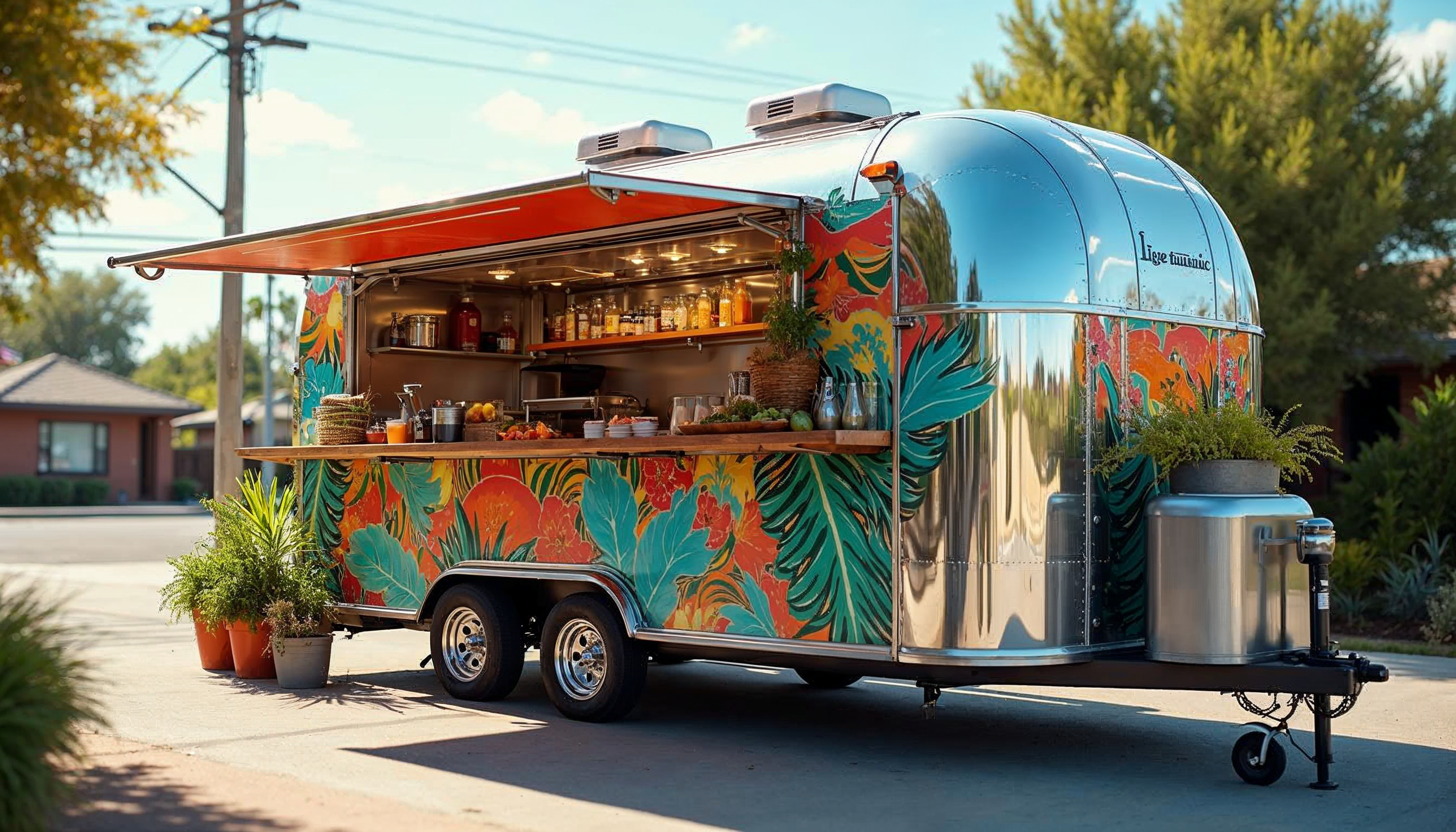
In the pursuit of eco-friendly living, the use of sustainable materials has become increasingly significant. These materials, which include resources that are renewable, recyclable, and have minimal impact on the environment, are key in many industries. In the realm of vegetarian food trailers, they play a crucial role in limiting the carbon footprint while ensuring efficiency and durability.
Incorporating sustainable materials in food trailers offers numerous advantages. First, they reduce the environmental impact by minimizing waste and lowering emissions. Moreover, these materials often enhance the energy efficiency of trailers, leading to operational cost savings over time. Sustainability in construction also appeals to environmentally conscious consumers, elevating a business’s brand image and appeal.
Some of the most common sustainable materials used in food trailers include:
Several vegetarian food trailers have embraced sustainability in their construction and operations, setting them apart in the competitive urban market. Companies like “Green Bites” and “EcoEats” have utilized recycled materials extensively in their trailer designs. By using solar panels and energy-efficient appliances, they demonstrate a commitment to sustainability that resonates with the evolving values of their customer base. For more on urban demand for vegetarian food trailers, read this article.
Sourcing sustainable materials locally can have numerous benefits, including supporting local economies and reducing transportation emissions. To do this effectively, it is important to establish relationships with local suppliers known for their sustainable practices. Attending local trade shows and industry fairs can also uncover valuable resources and connections.
Sustainable materials for food trailers include renewable, recyclable, or biodegradable materials such as bamboo, recycled metals, sustainable plywood, and cork.
These materials help reduce environmental impact, appeal to eco-conscious consumers, and often result in cost savings through enhanced efficiency.
They minimize the environmental footprint by reducing waste and emissions, conserving resources, and promoting biodiversity through sustainable sourcing.
Examples include bamboo for interior structures, recycled aluminum for metalwork, sustainable plywood for cabinetry, and cork for insulation.
culinary scene
Understanding the Popularity of Smoked Meats Smoked meats have long been a staple in various cuisines around the world. Their popularity can be attributed to their rich flavors and the traditional cooking processes that highlight the art of barbecue. The demand for smoked meats has seen a significant increase, especially with the rise of food […]
Vapor Equalization Valve
“`html The Vapor Equalization Valve is an essential component installed between dual propane cylinders on food trailers. Its primary function is to balance vapor pressure, ensuring a consistent and reliable gas flow during operation. This valve is particularly important in mobile food businesses where maintaining steady gas pressure is crucial for efficient cooking and food […]
Mediterranean cuisine
Understanding Mediterranean Cuisine Mediterranean cuisine is a harmonious blend of culinary traditions that spans the countries bordering the Mediterranean Sea. This diverse region includes countries like Greece, Italy, Spain, Turkey, and parts of the Middle East, each contributing unique flavors and techniques. The cuisine is celebrated for its emphasis on fresh, locally-sourced ingredients, with dishes […]