Tamales are a traditional Mexican dish made from masa, a dough derived from corn, which is filled with a variety of ingredients such as meats, cheeses, vegetables, or chilies. These fillings are then wrapped in corn husks or banana leaves and steamed until cooked. Tamales can be both savory and sweet, offering a diverse mix of flavors that embody the true essence of Mexican cooking.
Tamales date back to ancient Mesoamerica, long before the Spanish colonization. They were considered a portable and nutritious food that could easily be carried by hunters, travelers, and soldiers. Tamales have been important in religious and festive ceremonies throughout history, often symbolizing offerings to the gods and communal celebration.
In modern Mexican cuisine, tamales remain a beloved staple. They are commonly found at street markets, family gatherings, and holiday celebrations. The wide array of regional variations across Mexico highlights the rich tapestry of flavors in tamale preparation. Northern tamales tend to be larger and more robust, whereas in the south, they are typically smaller and more delicately flavored.
Making tamales is a time-honored tradition that involves several steps. First, the masa is prepared, often mixed with lard or vegetable shortening for a smooth texture. The chosen fillings are prepared separately and then spread onto the masa. The filled masa is carefully wrapped in corn husks and steam-cooked until tender. While making tamales can be labor-intensive, it offers huge satisfaction and a deep connection to Mexican culinary heritage.
The beauty of tamales lies in their versatility. Traditional fillings range from seasoned pork to spicy green chili chicken. However, creative chefs and street food vendors continually innovate to create exciting new flavors. For vegetarian options, ingredients like black beans, cheese, or mushrooms can be used. Regardless of the choice, customizing tamales allows vendors to cater to a variety of tastes and dietary preferences.
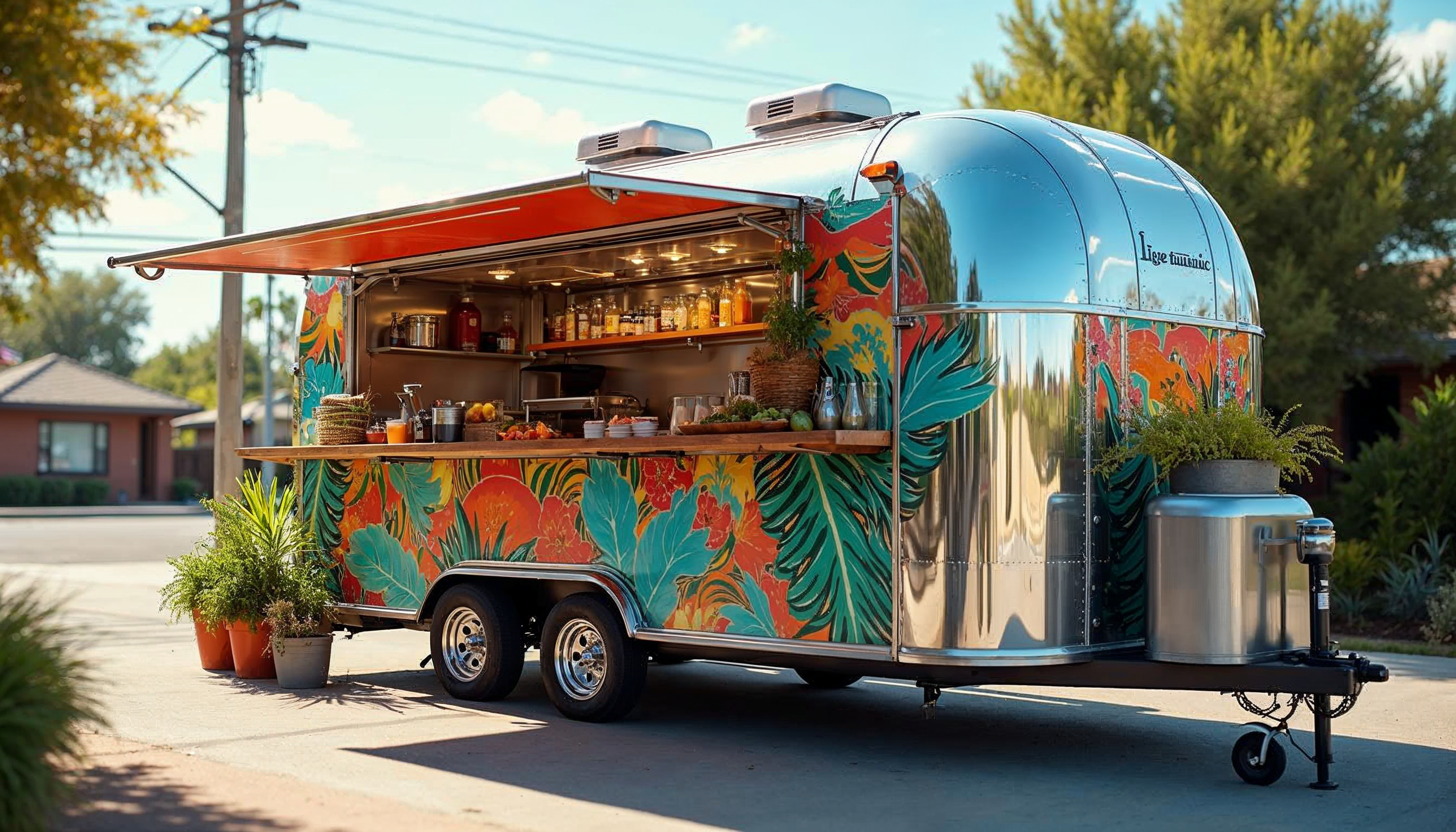
Captivating Crowds with Mexican & Latin Street Food Trailers offers a variety of insights into maximizing your food trailer business with beloved street foods such as tamales.
A tamale is made of masa, which is a corn-based dough, and is traditionally filled with a variety of ingredients like meats, cheeses, or vegetables. It is wrapped in a corn husk or banana leaf and then steamed.
The most popular types of tamales include pork with red chili sauce, chicken with green sauce, sweet tamales made with fruit, and vegetarian tamales filled with cheese and green chili.
Tamales are traditionally cooked by steaming. The wrapped tamales are placed in a steamer and cooked until the masa is firm and fully cooked.
Yes, tamales can be frozen and reheated. Once cooled, they should be wrapped tightly in plastic wrap or stored in airtight containers and can be reheated by steaming or microwaving until hot.
Omega-3 Fatty Acids
Omega-3 fatty acids are essential nutrients that play an integral role in maintaining health. They are a type of polyunsaturated fat, which the human body cannot produce on its own, making it crucial to obtain them through diet. Introduction to Omega-3 Fatty Acids Omega-3 fatty acids are a group of essential fats important for brain […]
Essential Equipment for Cocktail Bar Trailers
Basic Cocktail Making Tools Every cocktail bar, mobile or stationary, relies on a fundamental set of tools to craft their beverages. Quality jiggers are crucial for measuring spirits and ensuring consistency in taste. Bar spoons, muddlers, and peelers are equally important for crafting cocktails that require precision and finesse. Shakers, Strainers, and Glassware The iconic […]
Shore Cord Gland
The Shore Cord Gland is a weather-resistant fitting installed at the point where a shore power cord enters a food trailer. It serves two main purposes: sealing the entry point to prevent moisture, dust, and debris from entering the trailer, and relieving mechanical strain on the cord to protect internal electrical connections. In mobile food […]