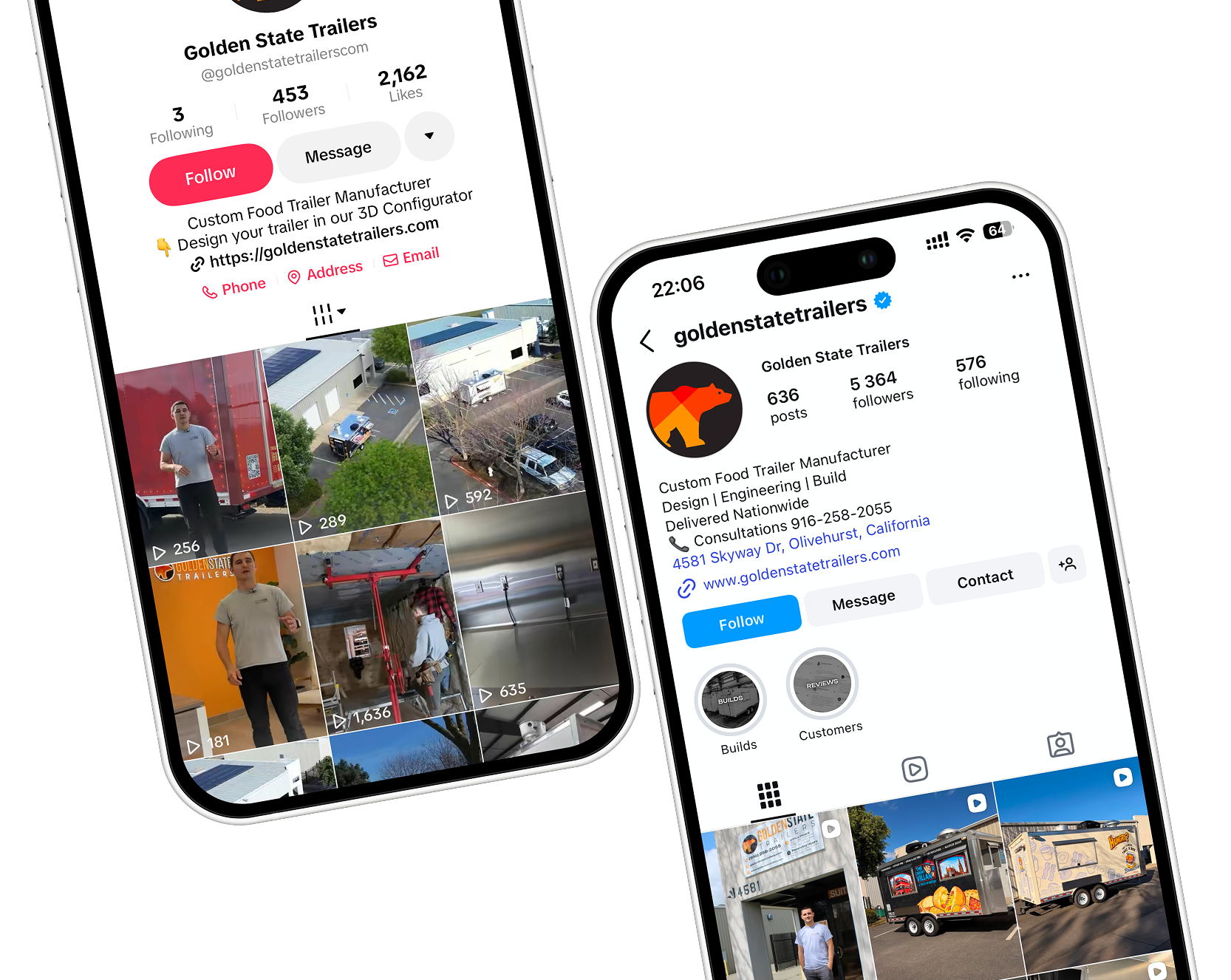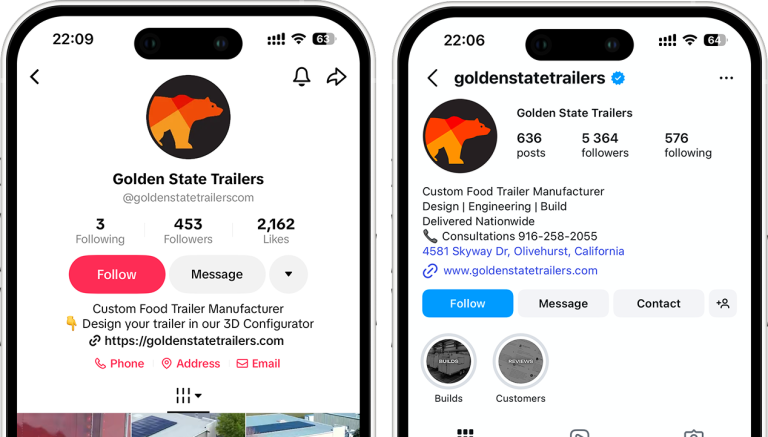
Social media marketing involves using platforms like Facebook, Instagram, Twitter, and LinkedIn to promote a business, service, or product. It’s a powerful tool to reach potential customers, tailor brand messages, and increase visibility.
With millions of active users daily, social media provides an unparalleled opportunity for businesses to connect with their audience. An effective social media presence can lead to increased brand awareness, improved customer interactions, and even drive sales. It’s an essential part of any modern marketing strategy, helping to establish trust and authority.
Each social media platform serves distinct purposes and audiences, making it critical to choose the right ones based on your business goals. While Facebook is excellent for community building, Instagram is ideal for visually-driven brands. LinkedIn serves B2B marketing with professional networking, whereas Twitter is great for real-time engagement and customer service.
A successful social media marketing plan starts with setting clear objectives. Identify your target audience, analyze competitor strategies, and select the appropriate platforms. Craft engaging content that resonates with your audience. Timing, consistency, and a strong brand voice are essential elements that will drive your strategy forward.
For examples of successful integration with physical business aspects, explore our detailed guide on starting your own boba food trailer.
Understanding and analyzing social media metrics is crucial to refining your marketing strategy. Key performance indicators (KPIs) like engagement rates, follower growth, and conversion tracking provide insights into what works and what doesn’t. Use these metrics to adjust your strategies promptly to enhance your reach and impact.
Social media marketing is the use of social media platforms to connect with your audience to build your brand, increase sales, and drive website traffic. It involves publishing content on social profiles, engaging with followers, and analyzing results.
Social media can enhance your business by increasing visibility, fostering customer interactions, and driving traffic and sales. It helps in building brand authority and can serve as a direct communication channel with your target audience.
The best platforms depend on your business goals and audience. Facebook, Instagram, LinkedIn, and Twitter are the most commonly used platforms. Choosing the right one involves understanding where your audience spends most of their time.
Success in social media marketing is measured using KPIs such as engagement rates, website traffic from social media, conversion rates, and ROI. Regular analysis helps in optimizing strategies for improved outcomes.
Why Choosing Smoked Meats Food Trailers Could Be Your Best Business Move
Understanding Smoked Meats Food Trailers The culinary industry has always been ripe for innovation. Among the many trends that have gained popularity, smoked meats hold a considerable place. Smoked meats food trailers offer a unique business opportunity, combining the rich tradition of smoking meats with the mobility of food trailers. These trailers are designed to […]
Battery Load Test
A Battery Load Test is a diagnostic procedure used to assess a battery’s ability to deliver power under simulated or actual load conditions. For food trailers, this test is essential to ensure the battery bank can support critical equipment such as refrigeration units, cooking appliances, lighting, and point-of-sale systems during operation. Load testing is commonly […]
niche
The Ultimate Guide to Starting Your Nachos Food Trailer Business Embarking on the journey of running a nachos food trailer can be both thrilling and profitable. With street food becoming increasingly popular, offering a unique and tasty product like nachos can set you apart in a bustling market. This guide aims to walk you through […]