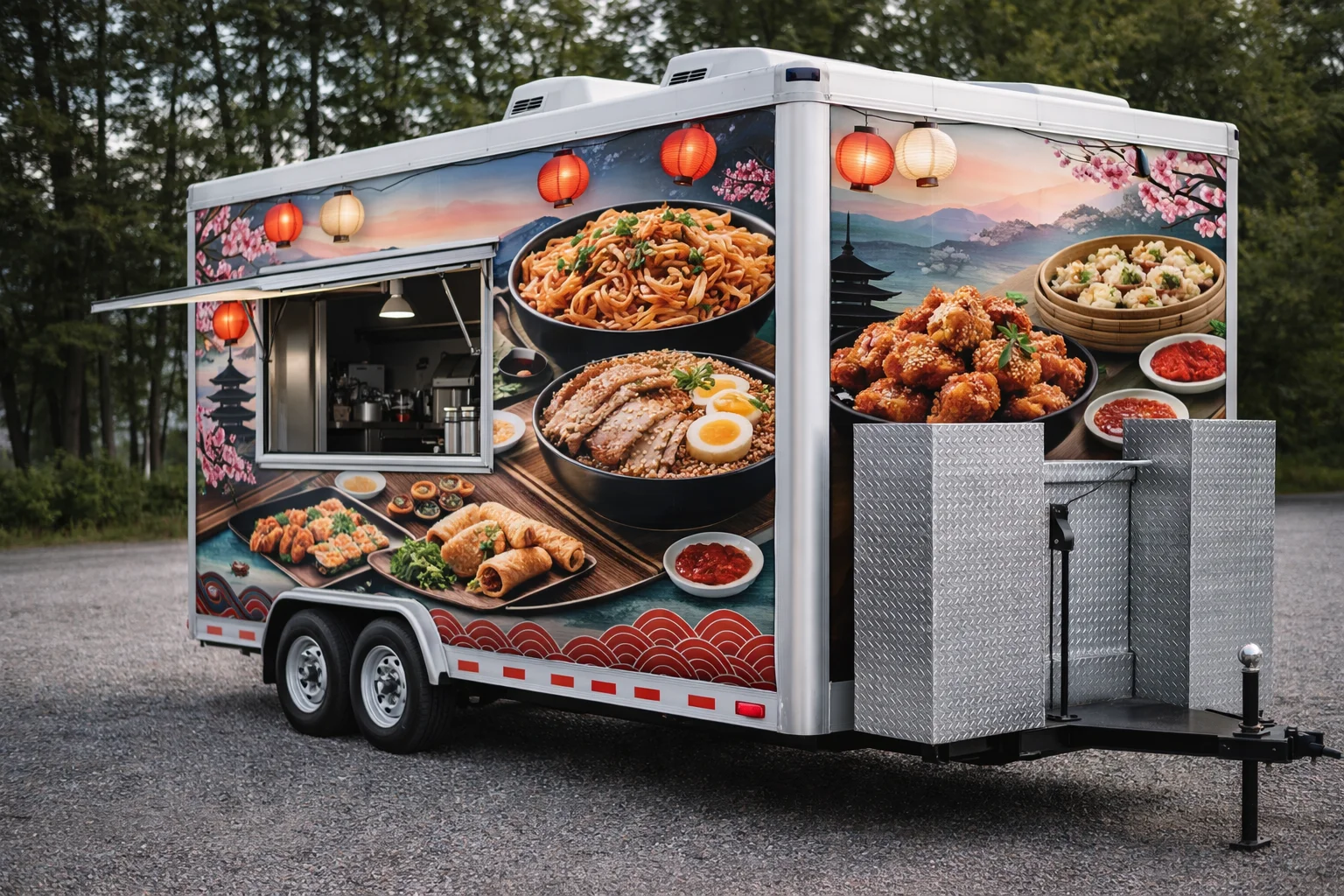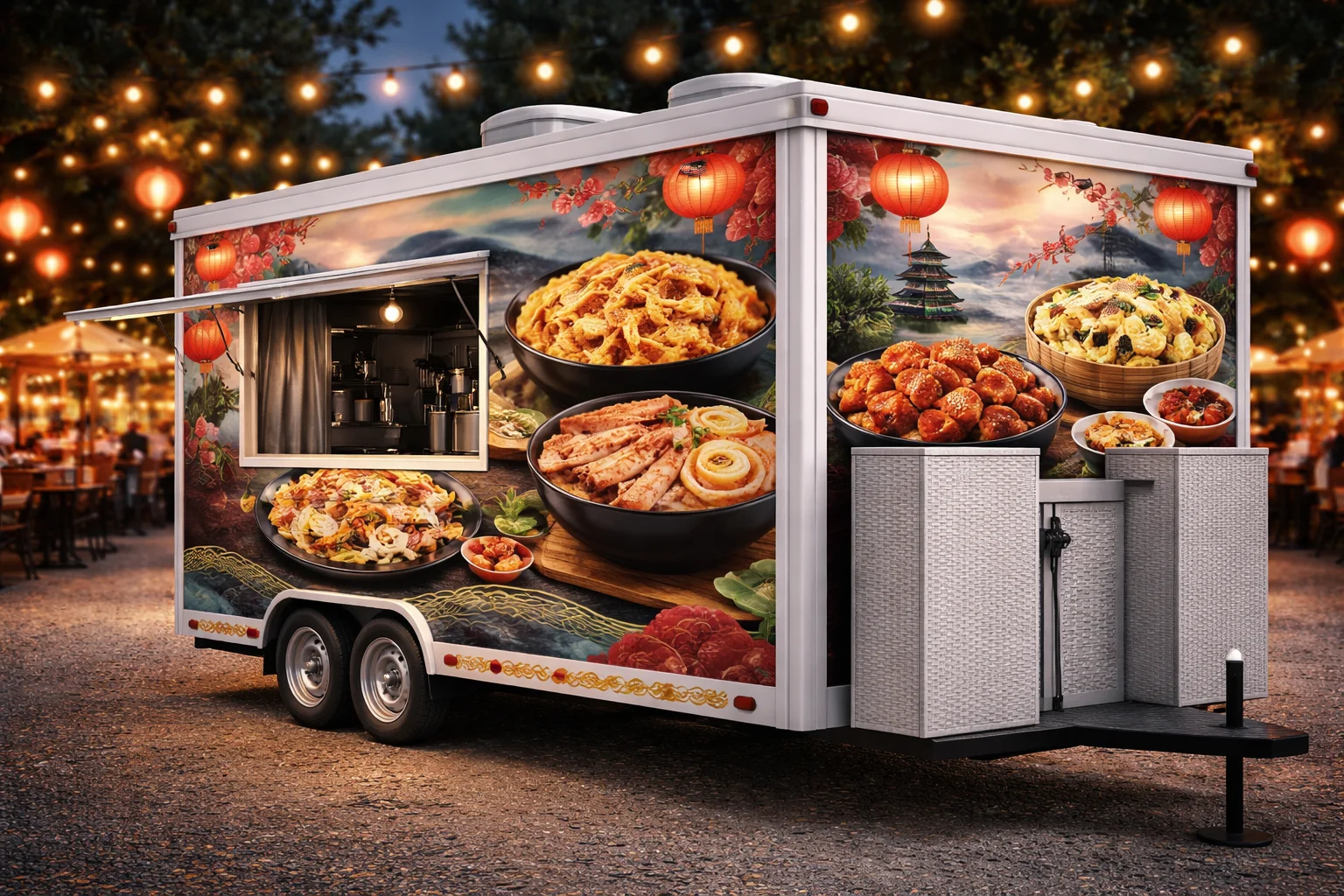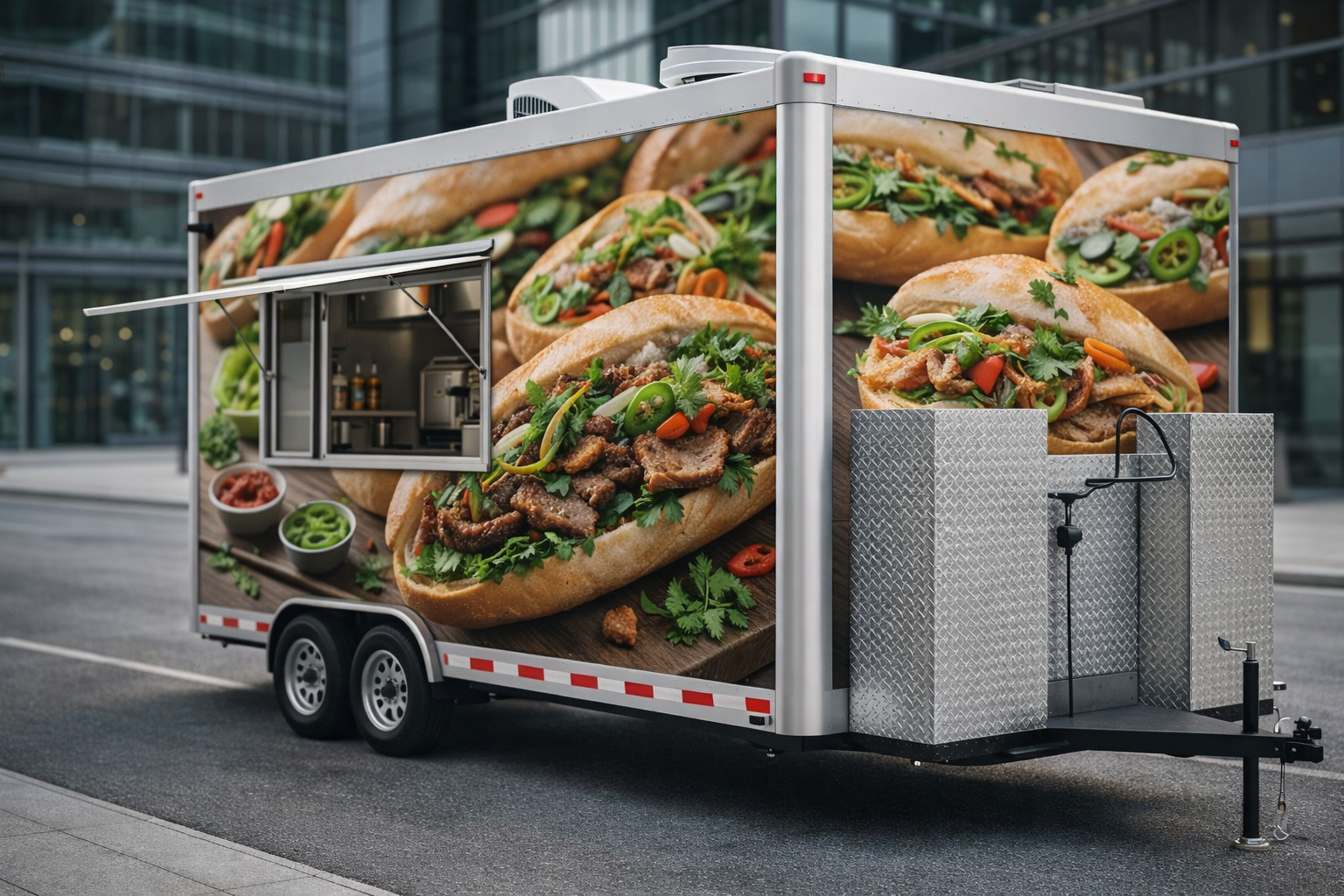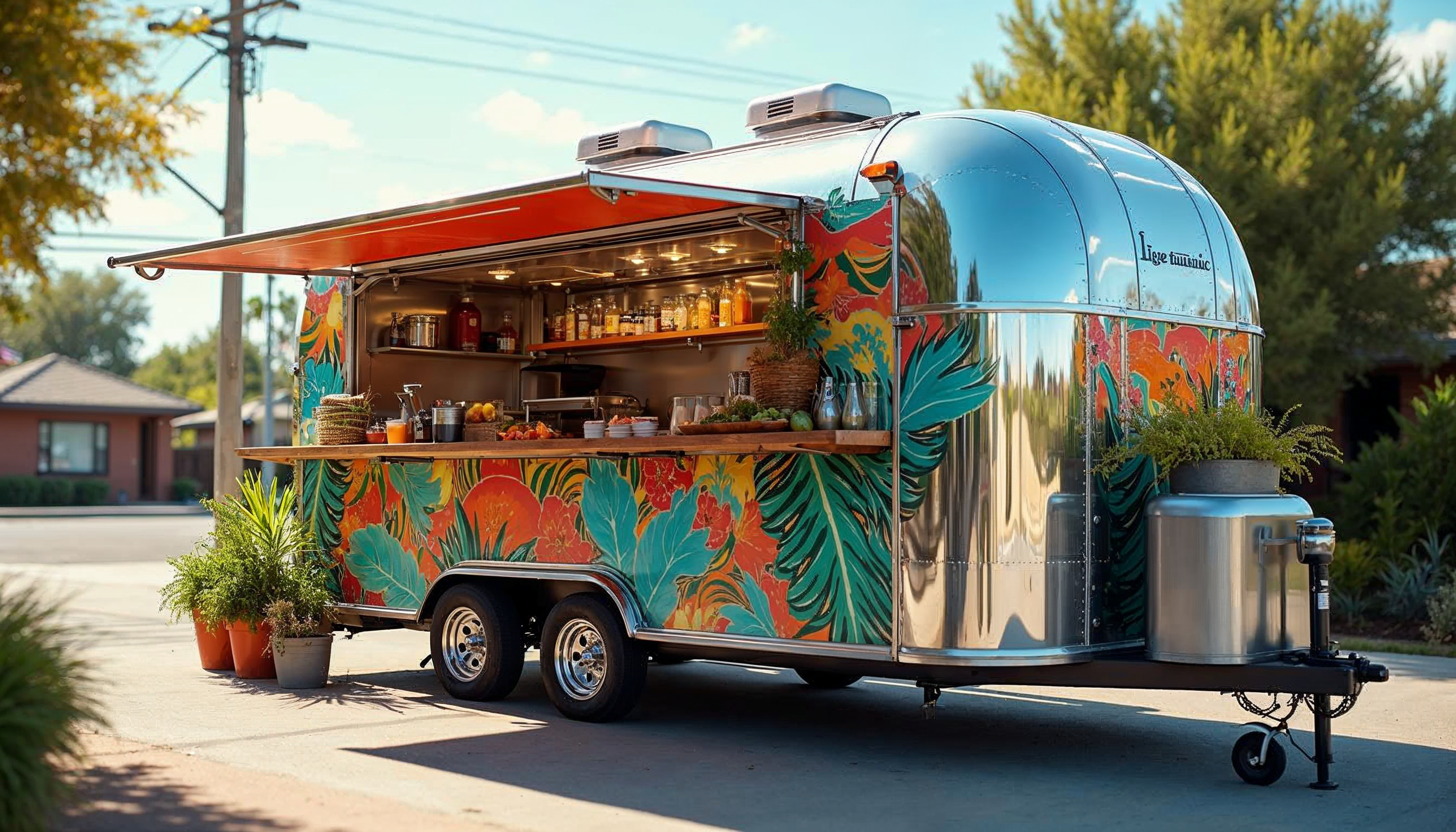
The Service Hatch Limit defines the maximum safe angle or extension range at which a food trailer’s service hatch can be operated without compromising safety or structural integrity. This specification is critical to prevent damage to the hatch assembly, avoid injuries from sudden closures or overextension, and ensure consistent functionality during vendor operations. The service hatch serves as the primary interface for customer service, ventilation, and food handoff, making adherence to its operational limits essential in mobile food environments such as events, street locations, and food truck parks.
Refer to your trailer’s manual or manufacturer guidelines to confirm the recommended service hatch angle and extension parameters. Inspect all hinge and support components regularly to detect wear or damage early. Train staff on proper opening and closing techniques to reduce the risk of injury and minimize equipment downtime.
Galley Equipment Restraint
“`html The term “Galley Equipment Restraint” refers to a secured mounting or bracketing system specifically designed to lock cooking and refrigeration equipment in place within a food trailer. Its primary function is to ensure that heavy and potentially hazardous equipment remains stable and secure during transport, which is critical for preventing accidents and complying with […]
Breakaway Cable Check
The term Breakaway Cable Check refers to the procedure of verifying that a food trailer’s emergency breakaway cable is securely connected to the tow vehicle and is functioning correctly before transport. This safety mechanism is designed to engage the trailer’s brakes automatically if it becomes unhitched while in motion. For mobile food operations, performing this […]
Generator Exhaust Heat Shield
“`html The Generator Exhaust Heat Shield is a protective metal barrier installed between the generator exhaust system and nearby trailer components. Its primary purpose is to prevent heat damage and reduce fire risk, which is crucial in the compact environment of food trailers. This component is commonly used in mobile food operations where generators are […]