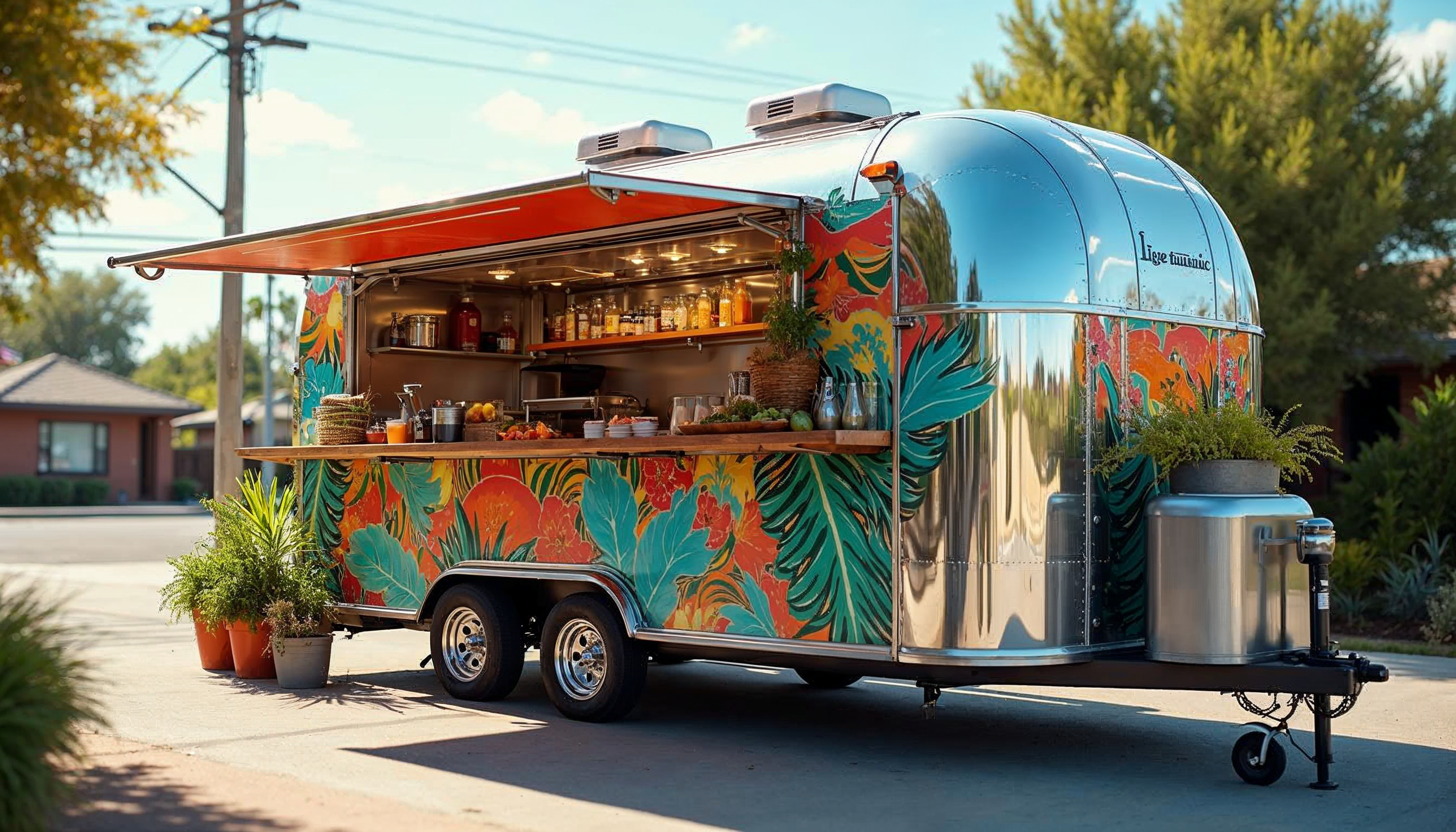
The realm of mobile dining is rapidly transforming the culinary industry, providing unique and flexible alternatives to traditional brick-and-mortar establishments. Among these innovations, craft beer food trailers have emerged as a prominent trend, offering a novel twist to the traditional food truck experience.
Mobile dining has evolved significantly over the years. What began as simple street vending has turned into a full-scale experience, with gourmet offerings and themed food trucks becoming mainstream. The rise of gastronomic creativity and technological advancements have played essential roles in this evolution. Notably, the fusion of dining with boutique beverages like craft beer has made food trailers an enticing choice for both entrepreneurs and consumers seeking variety and convenience.
Craft beer food trailers bring a host of benefits. First, they allow entrepreneurs to capitalize on the growing demand for craft beverages. Additionally, they provide a unique dining experience, combining the allure of gourmet street food with artisanal beer pairings. This synergy not only draws more patrons but also fosters brand loyalty. The flexibility of location and the relatively lower start-up costs compared to traditional restaurants make this an attractive business model.
Starting a mobile dining business requires careful planning and execution. Prospective food trailer owners should begin with thorough market research to understand their target audience and local competition. Crafting a solid business plan that outlines objectives, marketing strategies, and financial projections is critical. For those focusing on craft beer food trailers, ensuring access to high-quality beer selections is vital. Collaborating with local breweries can serve as a strategic advantage. Furthermore, acquiring the necessary permits and adhering to local health regulations are essential steps for long-term success.
The mobile dining industry is dynamic, with trends evolving swiftly. Sustainability and the use of locally sourced ingredients are becoming increasingly important. Integrating technology for ease of ordering and payment has also become standard practice, enhancing the customer experience. Beyond these, food trailers specializing in niche markets, like vegan cuisine or international flavors, are gaining traction. Such trends highlight the importance of adaptability and innovation in this competitive sector.
Mobile food vendors face various challenges, including logistics, weather dependency, and competition. However, solutions exist to navigate these hurdles. Establishing a reliable supply chain and having contingency plans for adverse weather conditions can mitigate operational disruptions. Building a strong social media presence helps in differentiating the business and attracting a loyal customer base. Moreover, leveraging partnerships with local events and community gatherings can increase visibility and sales.
Operating a mobile dining business involves adhering to numerous regulations. These include health and safety standards, food handling protocols, and local zoning laws. Compliance is non-negotiable, requiring vendors to stay informed about changes in legislation. Regularly consulting with regulatory experts or joining industry associations can provide vendors with the resources needed to maintain compliance and avoid legal pitfalls.
Mobile dining refers to the business of serving food and beverages from a mobile unit, such as a food truck or trailer, allowing operators to reach customers at various locations.
Craft beer food trailers operate by offering a combination of food and craft beer, typically providing a curated menu aimed at pairing artisanal beers with gourmet dishes. This model allows for flexibility in venue and can cater to events or daily street service.
Mobile dining offers flexibility, lower overhead costs, and the ability to reach a broad customer base. This model also allows operators to explore diverse menus and innovative dining experiences.
To start a mobile dining business, conduct thorough research, develop a comprehensive business plan, secure necessary permits, and ensure compliance with local regulations. Consider partnerships with local businesses for increased market reach.
For further insights into the world of mobile dining and its opportunities, visit our detailed article on Craft Beer Food Trailers: Tapping into a Lucrative Niche.
dessert trailers
Introduction to Dessert Trailers In recent years, the concept of dessert trailers has emerged as a trendy and successful business model within the broader food trailer industry. These mobile marvels are gaining popularity due to their ability to deliver sweet, delectable treats directly to consumers. Whether parked at festivals, fairs, or bustling city streets, dessert […]
gluten-free options
Gluten-Free Options In today’s health-conscious world, the demand for gluten-free foods has surged dramatically. Food trailers, renowned for their flexibility and customized offerings, are in a unique position to capitalize on this trend. By incorporating gluten-free options, they can cater to a broader audience and satisfy diverse dietary needs. Understanding Gluten-Free Diets A gluten-free diet […]
gastronomic options
The food trailer industry is undergoing a culinary revolution with the introduction of European cuisine. By incorporating diverse and rich flavors from various European countries, food trailer businesses can attract a broader audience and increase their revenue. In this article, we will delve into the advantages of offering European dishes, how to select the ideal […]