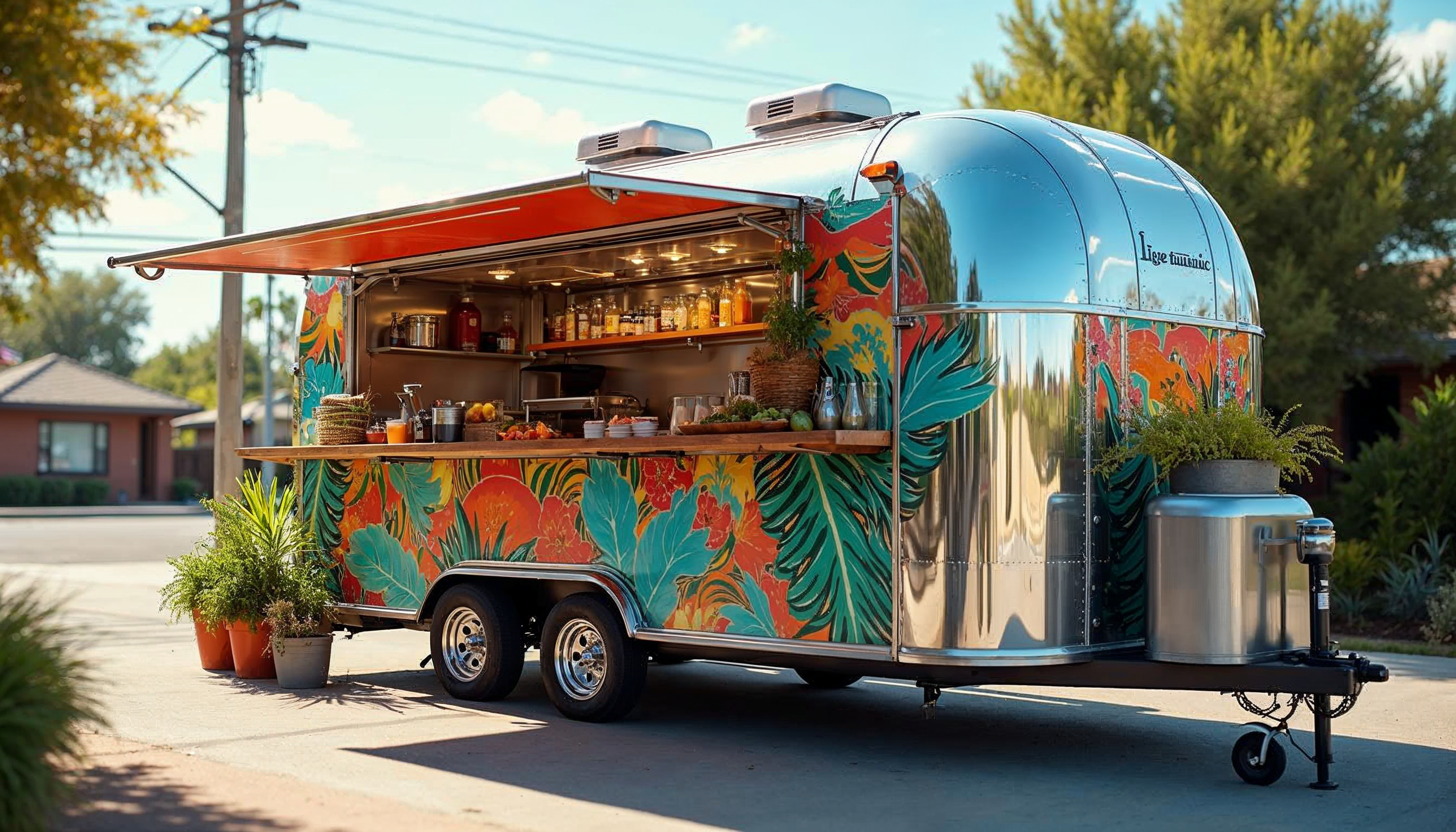
Starting a BBQ and grilled meats food trailer business can be an exciting venture, but it requires a solid understanding of licensing requirements. Proper licensing ensures compliance with local and state laws, preventing potential legal issues. This article delves into the types of licenses needed and how to navigate the regulatory landscape.
The specific licenses required for operating a BBQ food trailer might vary based on location, but typically include a general business license, a health department permit, and possibly a fire department permit if the trailer has certain equipment. Additionally, you may need a food handler’s permit to ensure that all individuals involved in food preparation are qualified.
Understanding the distinction between local and state regulations is crucial. Local laws may dictate where you can park your trailer and operate, as well as specific health standards. State regulations often involve broader health and safety standards that must be met. It’s essential to consult both local and state authorities to ensure you meet all regulatory requirements.
Applying for the necessary licenses involves preparing various documents and fees. Typically, you will need to submit proof of identity, pay a fee, and provide detailed plans of your operation, including equipment and layout plans. Timeframes for approval can vary, so it’s best to start the application process well in advance of your intended start date.
Operators often face challenges such as navigating complex regulatory environments or facing delays in approval. One recommended solution is to hire a consultant who specializes in food trailer licensing, which can help streamline the process and avoid pitfalls. Attending local workshops or seminars on licensing can also be informative.
Staying compliant involves more than just initial licensing. Regular reviews of your operations and ongoing education on changes in regulations are vital. Keeping thorough records and continuously training employees on health standards can greatly aid in maintaining compliance. For more detailed guidance on operating a BBQ trailer, visit our guide.
Typically, you’ll need a business license, a health department permit, potentially a fire department permit, and a food handler’s permit.
Local regulations often cover where you can operate and specific health standards, while state regulations involve broader safety standards.
The application process generally involves submitting personal identification, paying fees, and detailing your operational plans.
To ensure compliance, regularly update your knowledge on regulations, train your staff, and keep thorough records of your operations.
bakery trailer
Starting Your Bakery Trailer Business Embarking on a journey with a bakery trailer can be a fulfilling venture for those passionate about baking and business. As the food truck industry continues to grow, mobile bakery trailers have become a popular choice for food entrepreneurs looking to explore various markets. To get started, you’ll need a […]
signature cocktail
Importance of a Signature Cocktail Every bar or food trailer strives to distinguish itself in a crowded market. A signature cocktail not only provides a unique experience for customers but also enhances your brand identity. It sets you apart by offering something that can’t be found elsewhere. This notion of exclusivity not only attracts new […]
Finding Success with Breakfast Trailers: A Comprehensive Guide
Finding Success with Breakfast Trailers The breakfast trailer industry is booming as more entrepreneurs recognize the potential for high demand and comprehensive choice they can offer in the early hours of the day. However, success in this niche requires more than just setting up a mobile kitchen. Strategic menu planning plays a crucial role in […]