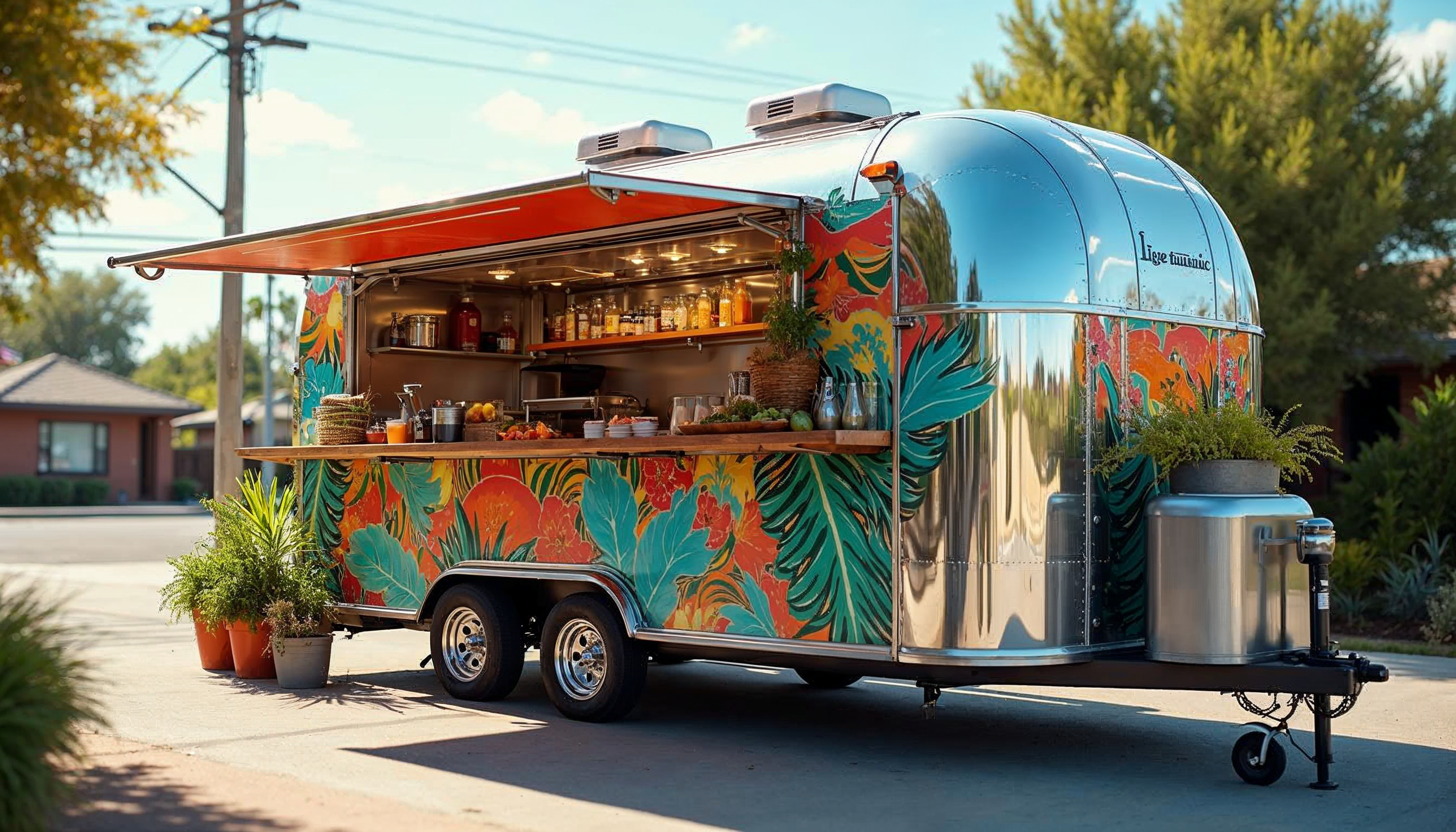
When operating a beverages and bars trailer, securing the appropriate permits and licenses is paramount. Each state may have different requirements, but typically you’ll need a mobile vending license and potentially a liquor license if you plan to serve alcohol. It’s essential to contact local government agencies to ensure you’re meeting all legal necessities. Learn more about starting your own trailer business here.
Serving alcohol entails stringent compliance with state and federal laws. Regulations may dictate where alcohol can be served, how it must be dispensed, and the necessary training for staff. Familiarize yourself with the Alcohol and Tobacco Tax and Trade Bureau (TTB) regulations, as well as your state’s alcoholic beverage control board mandates, to avoid violations.
Health and safety standards are crucial for the operation of any food or beverage establishment, including trailers. Ensure that your trailer meets local health department requirements, which often include food handling certifications, cleanliness standards, and equipment inspections. Keeping up-to-date documentation and adhering to these standards helps maintain a safe environment for patrons.
Insurance is a non-negotiable aspect of any mobile business. At a minimum, consider general liability insurance to protect against accidents and injuries. Additionally, liquor liability insurance is advisable if your trailer serves alcoholic beverages. It’s wise to consult with an insurance professional to tailor a policy that meets your specific business needs.
Understanding zoning laws and location restrictions is critical for selecting the right place to park your trailer. Local ordinances may dictate where you can operate, the hours of service, and proximity to other businesses. Some areas may require a special permit to operate in particular zones, so thorough research and compliance with local regulations are necessary.
You will generally need a mobile vending permit and potentially a liquor license, depending on whether you serve alcohol.
Alcohol laws determine how, where, and when you can serve alcohol. They require specific licensing and staff training to prevent legal issues.
Trailers must comply with local health department standards, which may include food safety certifications and equipment checks.
Yes, generally you need general liability insurance, and liquor liability insurance is advisable if alcohol is served.
entrepreneurs
Introduction to Corn Dog Food Trailers The food trailer industry has been experiencing a significant transformation in recent years, and one of the most noteworthy trends is the rise of corn dog food trailers. These mobile kitchens have captured the imagination of food lovers and entrepreneurs alike, offering a unique culinary experience that combines convenience, […]
food industry entrepreneurship
The Sweet Success of Dessert and Sweet Snack Trailers Getting Started with Food Trailers Embarking on a journey in the food industry entrepreneurship sector, particularly with dessert and sweet snack trailers, offers a unique blend of challenges and rewards. The initial steps are crucial to set a firm foundation. Firstly, researching the market is indispensable. […]
licensing
Introduction to Licensing Starting a BBQ and grilled meats food trailer business can be an exciting venture, but it requires a solid understanding of licensing requirements. Proper licensing ensures compliance with local and state laws, preventing potential legal issues. This article delves into the types of licenses needed and how to navigate the regulatory landscape. […]