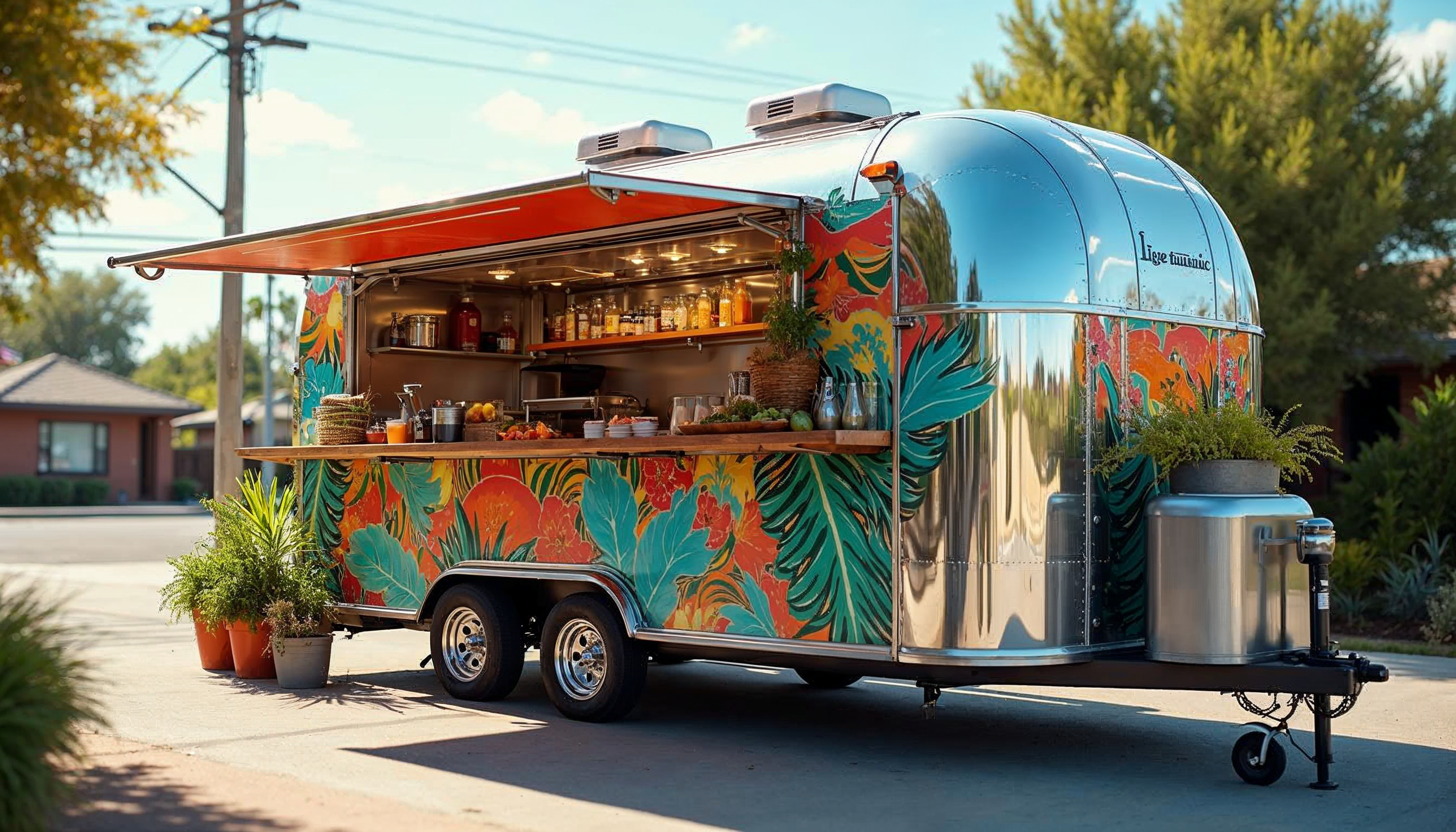
Operating a seafood food trailer comes with its unique set of challenges, particularly concerning health regulations. Understanding and complying with these regulations is crucial to ensuring the safety of your customers and the sustainability of your business. Regulations can vary significantly depending on your location, but they generally encompass guidelines on hygiene, food storage, and personnel training.
Compliance with health regulations is not merely a legal obligation; it also builds trust with your customers by ensuring the safety and quality of your seafood dishes. Non-compliance can result in severe penalties, including fines or even the closure of your business. Therefore, adhering to regulations is essential for both legal reasons and business success.
Implementing key health safety practices is essential for any seafood food trailer. These practices include maintaining equipment cleanliness, ensuring appropriate food temperatures, and confirming the hygiene of staff. Foodborne illnesses are a significant risk in the seafood industry, making rigorous adherence to health safety practices crucial.
Cleanliness is at the heart of any health regulation. Regular cleaning and sanitizing of work surfaces, equipment, and utensils are essential to prevent contamination. It is also important to establish a routine schedule for deep cleaning and daily maintenance to keep your trailer in top-notch condition.
Seafood is highly perishable, thus handling and storing it correctly is vital to prevent spoilage and maintain freshness. Keep seafood at appropriate temperatures, both in storage and during preparation. Use insulated containers and ice packs to maintain cold temperatures during transportation and service. Learn more about managing seafood in mobile settings here.
Regular health inspections are a part of operating a seafood food trailer. These inspections ensure compliance with established health standards and can occur unexpectedly. Being prepared and knowing what inspectors are looking for can help alleviate stress and ensure you pass with flying colors.
Training your staff in health protocols is essential to ensure the consistent application of safety practices. Regular training sessions should be organized to update employees on new regulations and reinforce the importance of hygiene and cleanliness in their daily tasks.
Seafood food trailers must adhere to local and national health regulations, which typically include guidelines on hygiene, seafood handling, and storage, as well as staff training requirements.
Ensuring compliance involves staying informed about applicable regulations, maintaining cleanliness, proper food handling, and regular staff training. Regular inspections and checks can help maintain compliance.
Best practices for seafood storage in trailers include maintaining the appropriate temperature, using insulated containers, and regularly checking for spoilage to ensure freshness and safety.
The frequency of inspections depends on local health department regulations, but they can be routine and may also occur randomly to ensure ongoing compliance.
customer experience
Understanding Customer Expectations In the dynamic world of cocktail bar food trailers, understanding customer expectations is paramount. Today’s customers seek not only delicious cocktails but a memorable overall experience. By assessing the demographics and preferences of your clientele, you can tailor your offerings to meet and exceed their expectations. This might involve including unique cocktail […]
Shoreline Contact Check
The term Shoreline Contact Check refers to a critical safety procedure that verifies the 120V electrical shoreline plug is fully inserted and securely latched into the food trailer’s power inlet before activating onboard electrical systems. This check helps prevent electrical faults, ensures stable power delivery, and protects sensitive equipment. It is a standard step during […]
mobile setup
Mobile Setup Understanding the Basics of Mobile Setup Setting up a mobile food trailer is no small feat, especially for those venturing into the salad food trailer business. The core of a successful mobile setup starts with understanding the requirements and challenges associated with operating in a dynamic environment. From fitting essential cooking and refrigeration […]