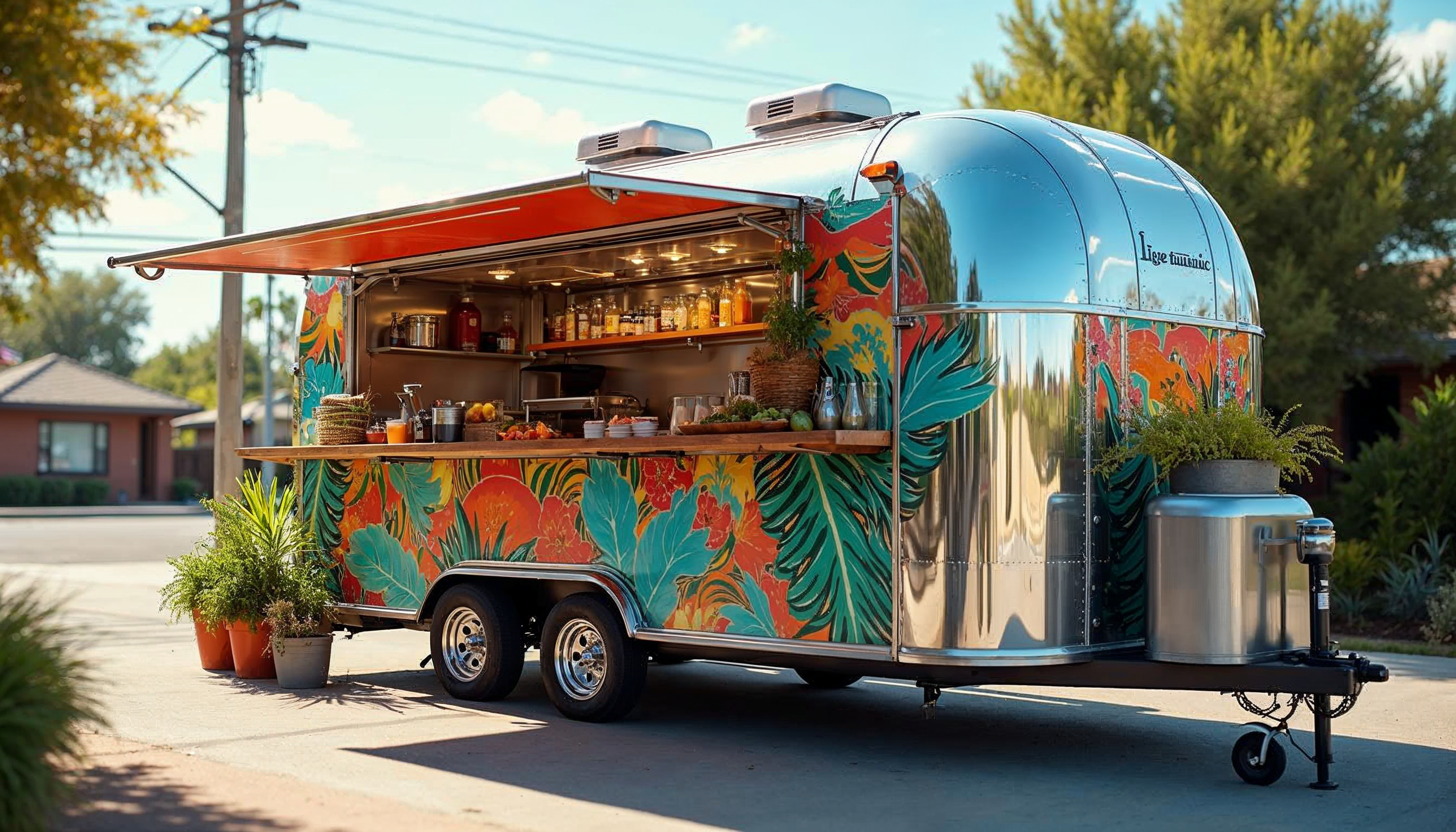
In recent years, health-conscious dining has emerged as a significant trend among consumers. With increasing awareness about nutrition and wellness, more people are opting for balanced and healthier meal options. This shift has given rise to innovative dining solutions, one of which is the salad food trailer–a mobile venture offering fresh, nutritious meals on the go.
Over the past decade, there has been a steady growth in the demand for healthier food options. This trend is driven by various factors including a surge in lifestyle diseases and a societal shift towards holistic well-being. As a result, consumers are more informed and selective about their dietary choices, leading to a burgeoning interest in healthy dining alternatives.
Salad food trailers present numerous benefits that make them appealing in the realm of health-conscious dining. These mobile establishments bring nutritious meals directly to consumers, often using locally sourced produce. This not only ensures freshness and quality but also supports local agriculture. Additionally, the mobility of these trailers allows them to serve health-conscious meals in diverse locations, reaching a wider audience without the overhead costs associated with traditional brick-and-mortar restaurants.
Salad food trailers offer a varied menu that caters to different dietary preferences and restrictions. Common offerings include raw and vegan salads, grain bowls, and wrap sandwiches packed with nutrient-rich ingredients like leafy greens, quinoa, chickpeas, and an array of colorful vegetables. These menus are often customizable, allowing patrons to craft meals that align with their dietary needs and taste preferences, thereby enhancing customer satisfaction.
Today’s consumers are increasingly inclined towards healthy and sustainable eating practices. This shift is reflected in the growing popularity of salad food trailers which provide eco-friendly dining alternatives. By minimizing processed ingredients and focusing on plant-based meals, these trailers align well with the values of sustainability and wellness embraced by modern consumers.
Starting a salad food trailer business requires careful planning and execution. Entrepreneurs should first research their target market to understand consumer preferences and trends. It is crucial to develop a unique menu that emphasizes freshness and quality. Additionally, obtaining the necessary permits, investing in the right equipment, and securing strategic locations are key steps to establishing a successful food trailer business.
Despite the benefits, health-conscious dining businesses face several challenges. These include maintaining ingredient freshness, navigating food safety regulations, and managing supply chain logistics. Moreover, competition in the food industry is fierce, requiring businesses to continuously innovate and adapt to changing consumer tastes while upholding quality and service standards.
Salad food trailers are popular due to their ability to offer fresh, nutritious meals on-demand in various locations. They provide quick, healthy dining options that are both convenient and customizable for consumers.
These trailers often source ingredients locally and utilize storage techniques that preserve freshness. This ensures that meals retain their nutrient content and quality, appealing to health-conscious customers.
Common menu items include customizable salads, grain bowls, wrap sandwiches, and energy-boosting smoothies, incorporating fresh vegetables, lean proteins, and whole grains.
Consumers are drawn to health-conscious dining due to the increasing awareness of nutritional benefits and the desire for well-being. This trend is fueled by a growing commitment to personal health and sustainable practices.
mobile coffee truck
A mobile coffee truck is a coffee business based on a vehicle with a built-in kitchen. This format is suitable for frequent location changes throughout the day. It has less working space than a trailer, but provides complete mobility. See the complete coffee trailer startup guide for a comparison of formats.
The Rise of Corn Dog Food Trailers: A Delicious Business Opportunity
The Power of Nostalgia in Food Choices In today’s fast-paced world, nostalgia holds a powerful sway over consumer choices, especially in the food industry. The familiar taste of food from yesteryears evokes personal memories and emotions, prompting a yearning for simpler times. This sentiment has seen a resurgence in the market, with businesses tapping into […]
Hitch Articulation Limit
“`html The Hitch Articulation Limit refers to the maximum safe turning angle between a tow vehicle and a food trailer before structural interference or contact occurs. Its purpose is to prevent damage during sharp turns and ensure safe maneuverability. This term is essential in the context of connecting and towing food trailers, particularly when navigating […]