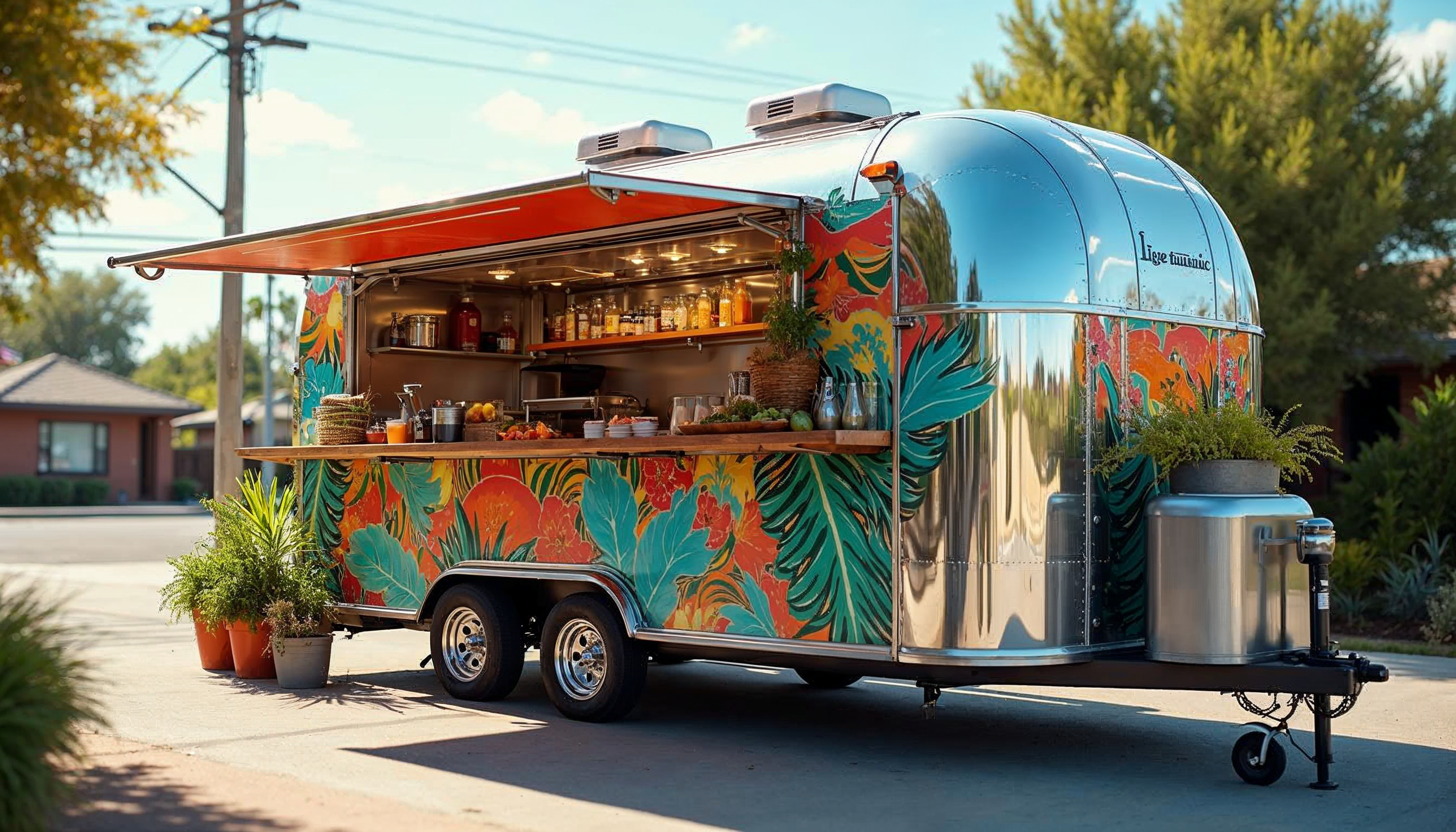
The surge in popularity of plant-based diets is a trend that shows no signs of slowing down. People are increasingly aware of the environmental impact and health benefits associated with reducing their meat consumption. As part of this shift, vegetarian food trailers are gaining traction, offering convenient and sustainable meal options in urban settings.
Vegetarian food trailers offer several advantages to both entrepreneurs and consumers. They are typically more cost-effective to operate than traditional brick-and-mortar establishments, with reduced overhead costs and flexible locations. For consumers, these trailers deliver fresh, locally-sourced meals that cater to the growing demand for environmentally-friendly and healthy food choices.
Urban areas are fertile ground for food innovation, driven by diverse populations and a fast-paced lifestyle. Vegetarian food trailers thrive in these settings as they fit seamlessly into the urban landscape. They capitalize on high foot traffic in bustling neighborhoods and bring culinary diversity to city streets, feeding the appetite for innovative and sustainable food solutions.
Despite their popularity, vegetarian food trailers face several hurdles. These include regulatory compliance, limited space for food preparation, and competition with established eateries. Additionally, maintaining a consistent supply chain for fresh ingredients can be challenging, particularly in urban areas with fluctuating availability.
Some vegetarian food trailers have found success by adopting innovative business models. By focusing on niche markets, such as catering to festivals or partnering with local farms, these businesses create unique value propositions. Several trailers also utilize social media marketing to build a loyal following, drawing customers eager to discover new plant-based offerings.
Vegetarian food trailers are gaining popularity because they offer convenient, healthy, and environmentally-friendly dining options that align with the dietary preferences of urban consumers.
A successful vegetarian food trailer often emphasizes quality ingredients, innovative dishes, and strong community engagement. Adaptability and strategic marketing are also key components.
Vegetarian food trailers cater to plant-based diets by offering diverse menu items that are exclusively plant-based, often highlighting local and seasonal produce to ensure freshness and variety.
Operators often face challenges such as adhering to regulations, managing space constraints, sourcing quality ingredients consistently, and competing with numerous food options in urban areas.
Marketing Strategies
Introduction to Slushie Food Trailers The vibrant world of slushie food trailers is an enticing business avenue with potential for creativity and growth. More than mere novelty, these mobile enterprises not only offer cooling refreshments but also attract customers with their colorful displays and innovative offerings. Entrepreneurs and established businesses alike can explore this dynamic […]
Seasonal Business Strategies
Seasonal Business Strategies Operating a seasonal business, such as a snowball food trailer, requires strategic planning and execution to maximize profitability and sustain operations year-round. From understanding demand fluctuations to implementing effective marketing and operational strategies, seasonal businesses have unique challenges and opportunities. Introduction to Seasonal Business Seasonal businesses thrive on particular times of the […]
refrigeration units
Refrigeration Units in Food Trailers In the bustling world of food trailer businesses, ensuring the freshness and safety of perishable goods is paramount. This is where refrigeration units come into play, especially for those specializing in BBQ and grilled meats. A reliable cooling system not only keeps ingredients fresh but also assures customers of quality […]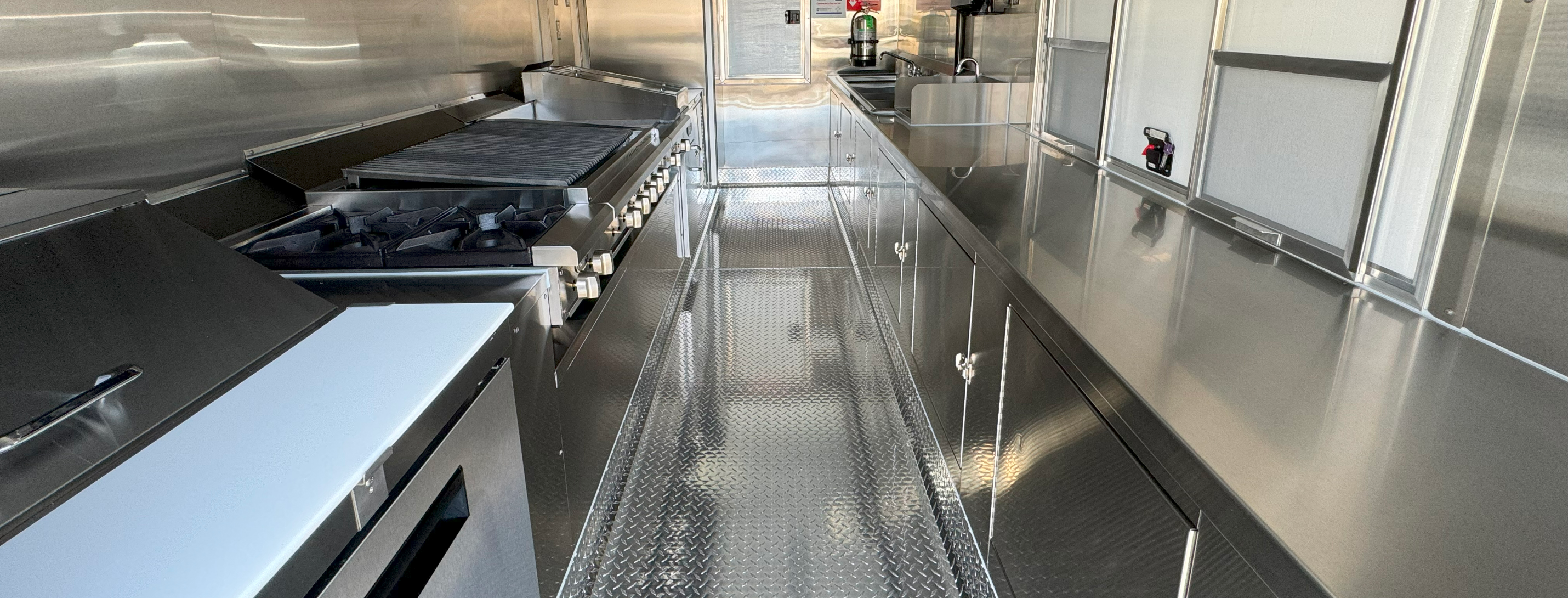 Team Building Success at Golden State Trailers: A Redfin Adventure
At Golden State Trailers, we believe in the power of community and adventure, which is why we’re excited to announce our recent feature in Redfin’s latest article! Sacramento, CA, a city rich in history and culture, offers the perfect backdrop for new adventures, team building, and success. Whether it’s exploring the picturesque Old Sacramento Waterfront […]
Team Building Success at Golden State Trailers: A Redfin Adventure
At Golden State Trailers, we believe in the power of community and adventure, which is why we’re excited to announce our recent feature in Redfin’s latest article! Sacramento, CA, a city rich in history and culture, offers the perfect backdrop for new adventures, team building, and success. Whether it’s exploring the picturesque Old Sacramento Waterfront […]