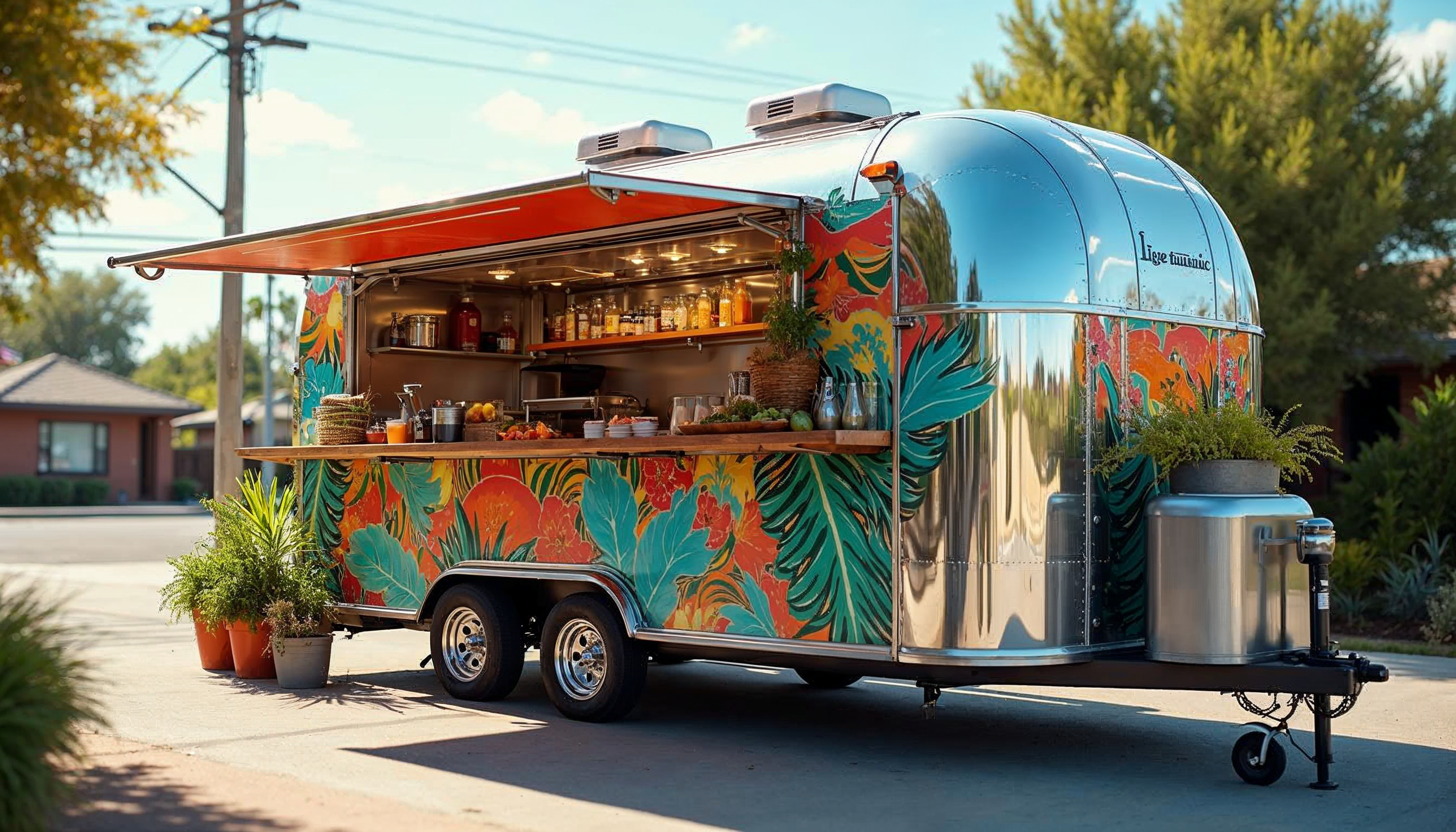
Seafood is a highly perishable food product that requires strict temperature controls to preserve its freshness and quality. In the context of seafood food trailers, refrigeration units are vital to ensure that products remain safe for consumption from catch to customer.
Refrigeration units are integral to maintaining the low temperatures necessary to slow down the growth of bacteria and preserve the seafood’s natural texture and flavor. Without proper refrigeration, seafood can quickly spoil, leading to significant financial losses and potential health risks.
For seafood food trailers, temperature control is not just about preserving the quality of the food—it’s a critical component in meeting health and safety regulations. Regulatory bodies require seafood to be stored and transported at specific temperatures to prevent foodborne illnesses.
Maintaining the correct temperature within refrigeration units ensures that seafood retains its desired taste and nutritional value. Even minor deviations in temperature can have significant impacts, highlighting the importance of reliable and efficient refrigeration solutions in trailers.
There are several types of refrigeration units suitable for seafood trailers, each with its own set of advantages:
An understanding of these different units helps businesses choose the best system that suits their operational needs and budget constraints.
To ensure optimal performance and extend the lifespan of refrigeration units, regular maintenance is essential. Here are some key maintenance tips:
Implementing these practices helps prevent unexpected breakdowns and extends the equipment’s longevity, ensuring continuous operation without interruptions.
Refrigeration units are crucial because they help maintain the freshness and quality of seafood, preventing spoilage and ensuring compliance with health regulations.
Temperature control affects seafood quality by preserving its texture, flavor, and nutritional content, while preventing bacterial growth.
Suitable refrigeration units for trailers include blast freezers, walk-in coolers, and portable refrigerators, each catering to different operational requirements.
Maintenance includes regular cleaning, checking door seals, and consistent monitoring of temperature settings to ensure efficient operation.
Craft Beer Food Trailers: Tapping into a Lucrative Niche
In recent years, the craft beer industry has seen significant growth globally. This boom has opened up new opportunities for entrepreneurs interested in joining this thriving sector through innovative approaches, such as craft beer food trailers. Why Craft Beer is Trending Craft beer is not just a beverage; it’s an experience. Consumers today are more […]
smokers
Why Choosing Smoked Meats Food Trailers Could Be Your Best Business Move For entrepreneurs exploring dynamic and promising food business opportunities, investing in smoked meats food trailers presents an attractive option. With growing demand for savory, high-quality meals served on-the-go, smoked meats offer a distinct advantage. Benefits of Smoked Meats Food Trailers Smoked meats have […]
Captivating Crowds with Mexican & Latin Street Food Trailers
The vibrant world of street food has always had an undeniable allure, enticing food enthusiasts with diverse flavors and rich cultural experiences. Among the myriad options, tacos have carved out their place as a staple of Mexican and Latin cuisine, particularly thriving in the setting of food trailers. This article explores the journey of tacos […]