Fast food has been a hallmark of American culture, and its evolution has significantly influenced how we dine today. The allure of American classics like burgers, hot dogs, and fries is undeniable. But what if you could offer these classics on-the-go with all the convenience and none of the wait? That’s where fast food trailers come in.
Fast food began as a phenomenon that made eating out affordable and quick. It rose to prominence in the 20th century when businesses recognized the need for meals that matched the fast-paced lifestyle of Americans. Key players like McDonald’s and Burger King popularized the concept, making fast food a staple in American diets.
Over the years, the format has adapted to include mobile options, allowing these culinary delights to reach more people with greater efficiency. The integration of trailers as a means to serve these foods transformed the industry by expanding opportunities for mobile catering and on-site food services.
American classics served from fast food trailers bring delicious nostalgia to communities everywhere. Burgers are often the star attraction, offering a variety of toppings and styles to customize the experience for diners. Hot dogs, equally popular, are served in numerous regional styles that reflect local flavors.
Additionally, trailers can easily be equipped to serve French fries, milkshakes, and even Southern fried chicken, making them versatile platforms for a wide range of menu options that appeal to a diverse clientele.
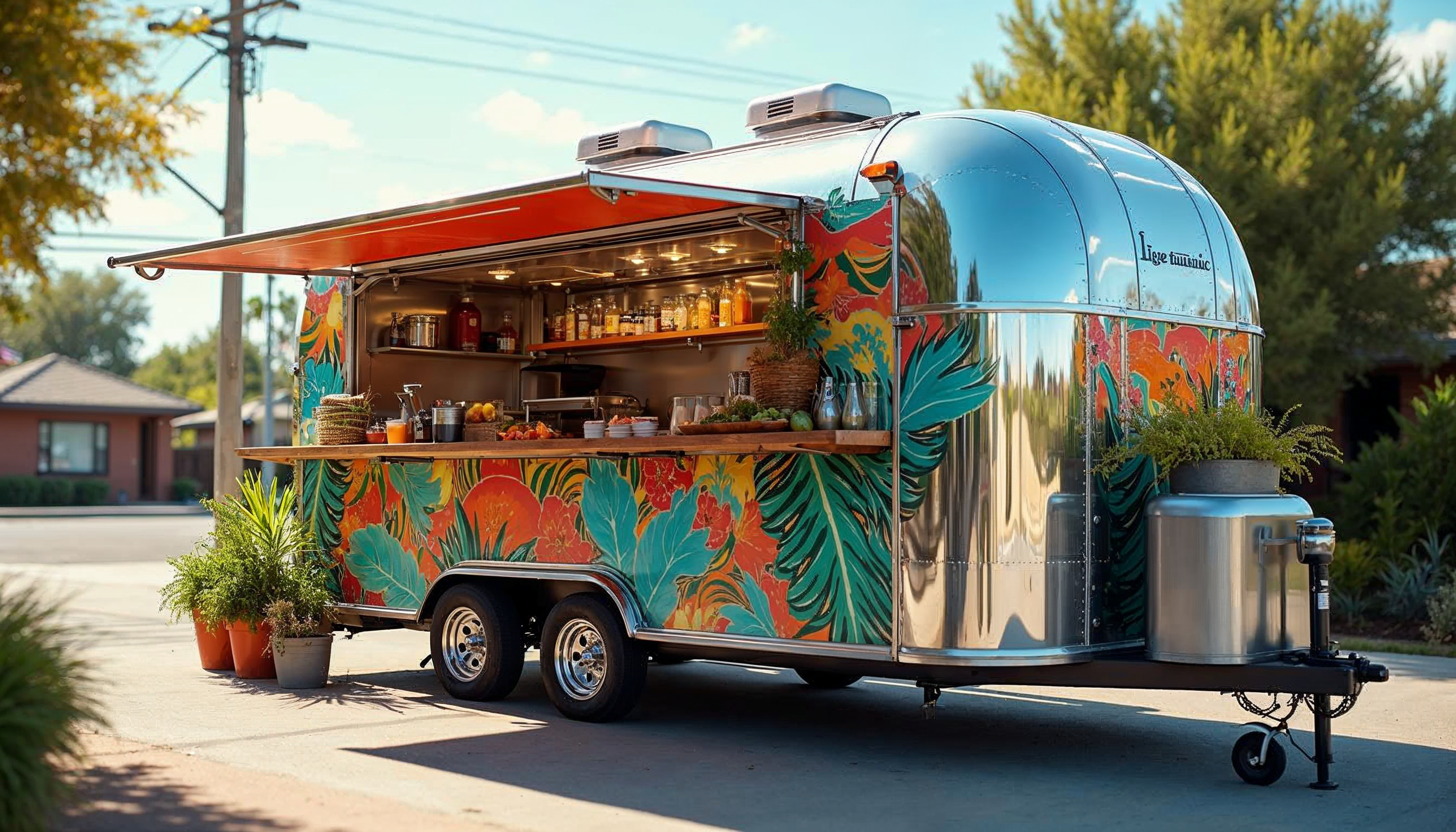
The design of fast food trailers prioritizes functionality, accessibility, and aesthetics. These trailers are often equipped with state-of-the-art kitchen facilities including grills, fryers, and refrigeration units. This allows the serving of freshly prepared meals while adhering to health standards.
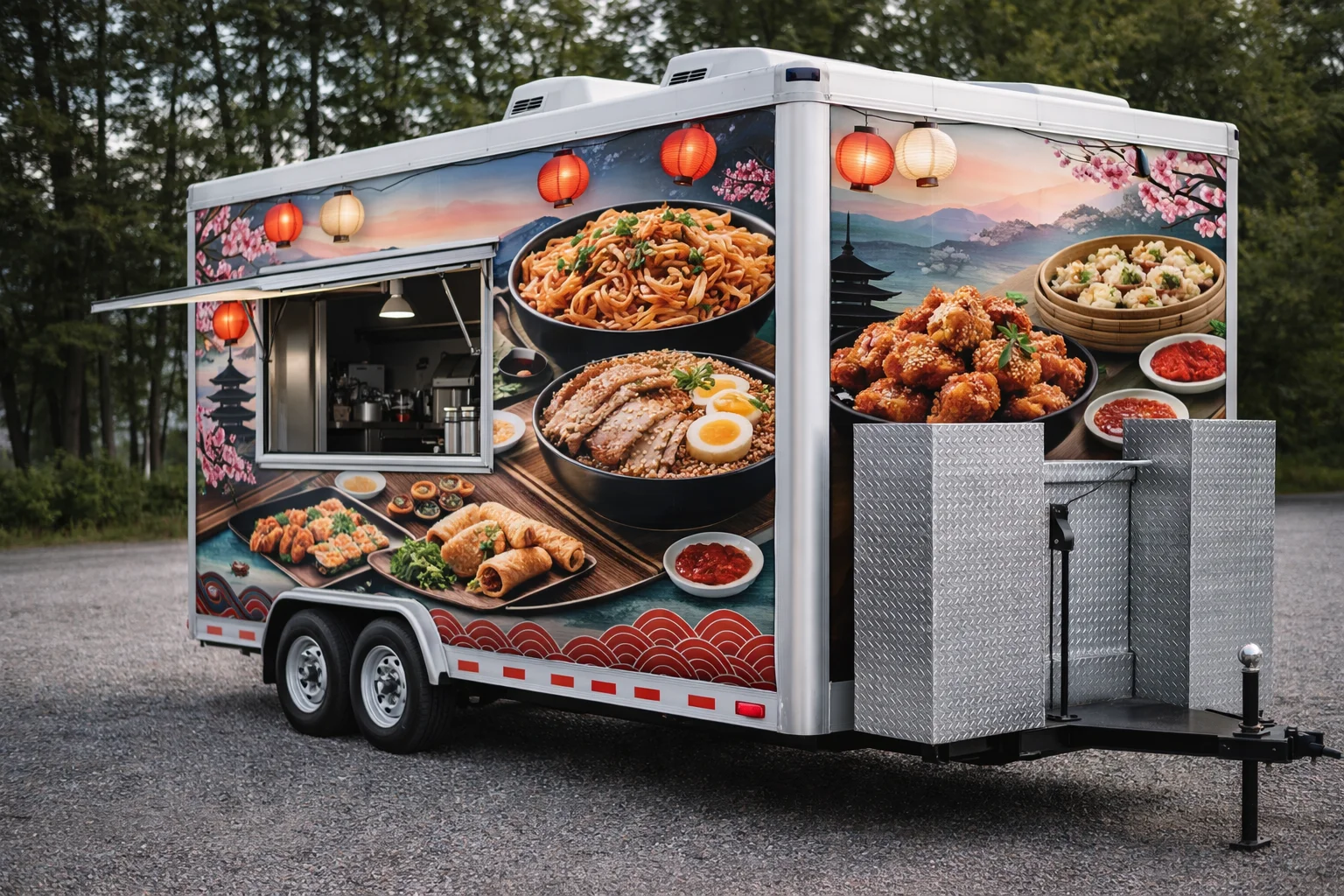
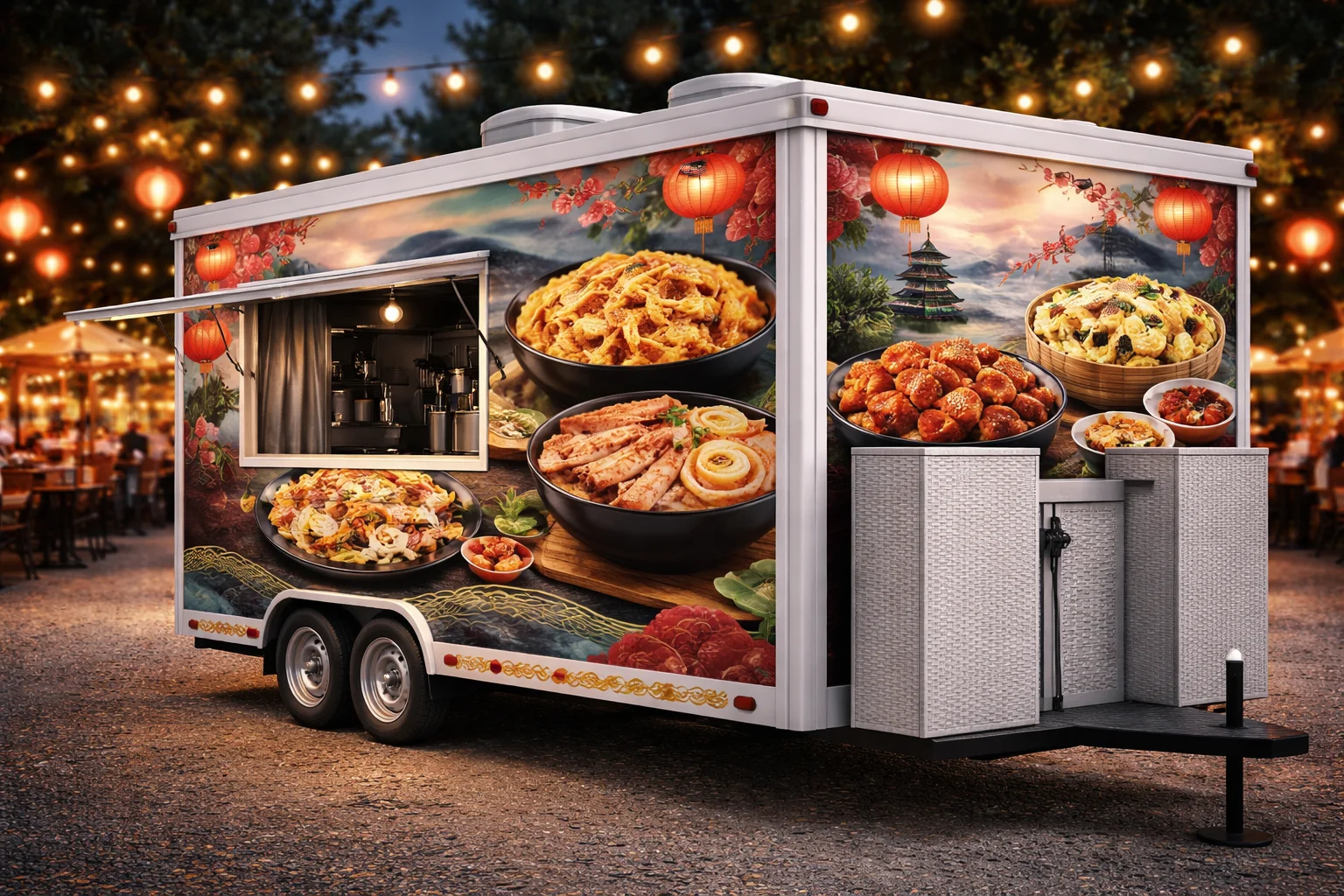
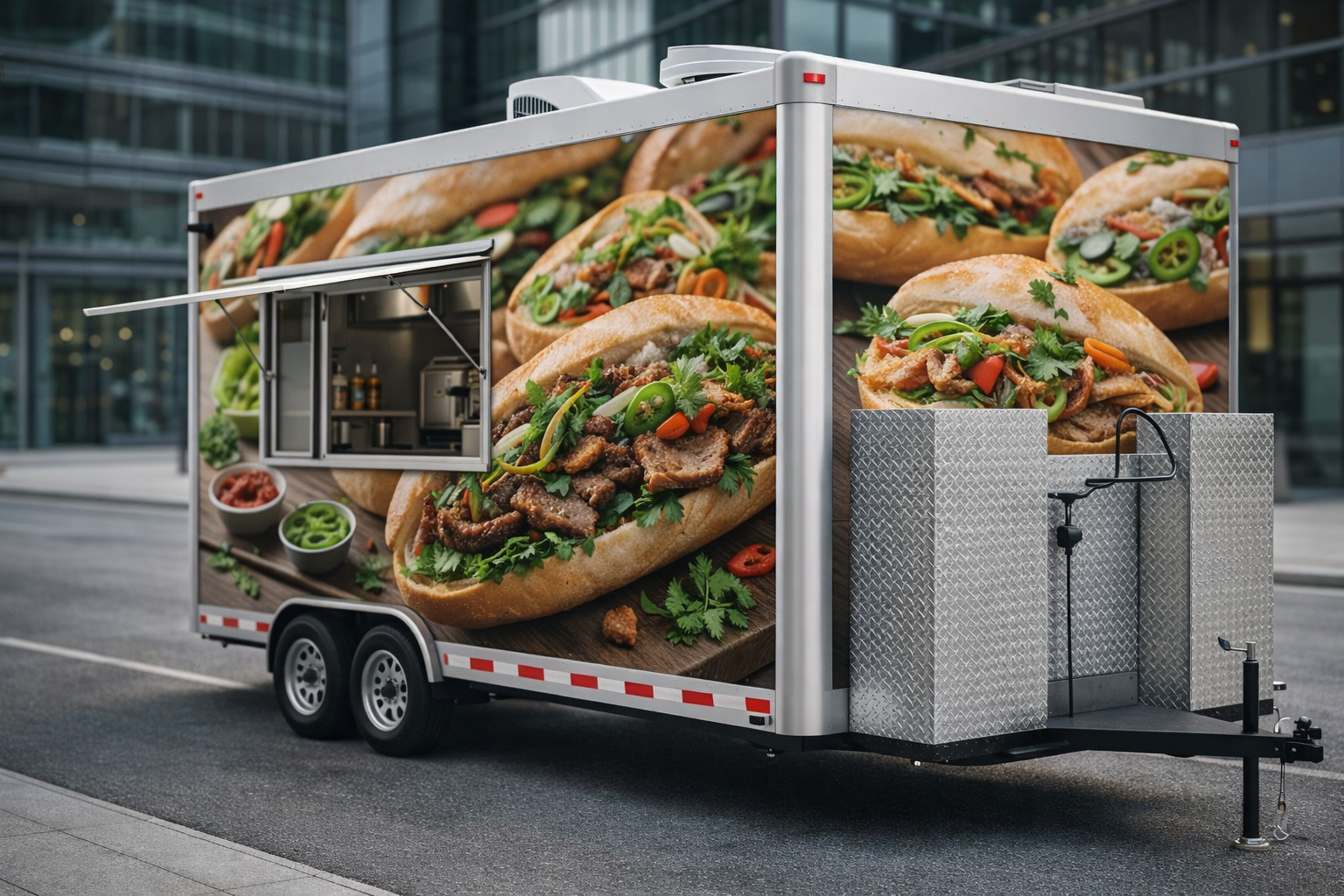
The exterior design can be customized to reflect the brand’s identity, making it a mobile billboard that attracts customers. The choice of materials and colors plays a significant role in creating an appealing and recognizable look, ensuring the trailer is eye-catching as it serves its customers.
Learn more about the allure of fast food and American classics trailers here.
Fast food trailers provide unmatched flexibility and mobility, allowing business owners to take their offerings directly to the customer. This mobility enables entrepreneurs to tap into varying markets, from local events and festivals to private catering services, without the overhead costs associated with a traditional brick-and-mortar location.
Furthermore, these trailers offer an economical startup option for those looking to enter the food service industry.
Customization allows a fast food trailer to stand out in a competitive market. Business owners can set their trailers apart by integrating specialized equipment, unique branding elements, and custom interior layouts.
Options range from designing a layout that optimizes efficiency to choosing finishes and color schemes that align with the brand’s identity. Custom wraps and decals can also be applied to the exterior, creating a distinctive presence.
Moreover, trailers can be outfitted with equipment tailored to unique menu items or specific operational needs.
Key features of a fast food trailer include a fully equipped kitchen, customizable exterior, and essential utilities such as power and water supply. These elements ensure that trailers are self-sufficient and ready to serve customers anywhere.
You can customize your fast food trailer by choosing specific equipment, designing the interior layout to boost efficiency, and applying branding elements that reflect your business identity.
Fast food trailers are popular among entrepreneurs due to their low startup costs, mobility, and the ability to easily reach diverse customer bases without the need for permanent locations.
Burgers, hot dogs, French fries, and milkshakes are some of the American classics that thrive in a fast food trailer environment, offering familiar tastes with unparalleled convenience.
artisanal foods
The Renaissance of Wine Bar Food Trailers in Today’s Market Introduction to the Wine Bar Food Trailer Trend Wine bars have become a staple in urban and rural landscapes, offering sophisticated yet casual environments for patrons to enjoy curated wine selections paired with gourmet foods. Recently, the popularity of wine bar food trailers has surged, […]
hummus
Discover the Delight of Hummus The Origins of Hummus Hummus is a beloved dish with origins that trace back thousands of years across the Mediterranean and Middle Eastern regions. The main ingredient, chickpeas, has been consumed in these areas for centuries. The earliest known recipes for hummus are difficult to pinpoint precisely, but references to […]
cocktail bar food trailers
Introduction to Cocktail Bar Food Trailers Cocktail bar food trailers are a novel and innovative solution for serving gourmet drinks and bites at any event. These trailers are mobile units equipped with everything necessary to create a fully functional cocktail bar on wheels, enabling service at locations where traditional bars are not feasible. By offering […]