In an era where environmental sustainability is at the forefront of global concerns, biodegradable packaging presents itself as a crucial solution for reducing waste and minimizing ecological footprints. Conventional packaging often involves materials that persist in landfills for hundreds of years, contributing to pollution and resource depletion. Biodegradable packaging, on the other hand, is designed to break down naturally, reducing the long-term environmental impact.
One of the key drivers for adopting biodegradable packaging is the increasing consumer demand for eco-friendly alternatives. As awareness of environmental issues grows, businesses that adopt sustainable practices appeal more to eco-conscious consumers.
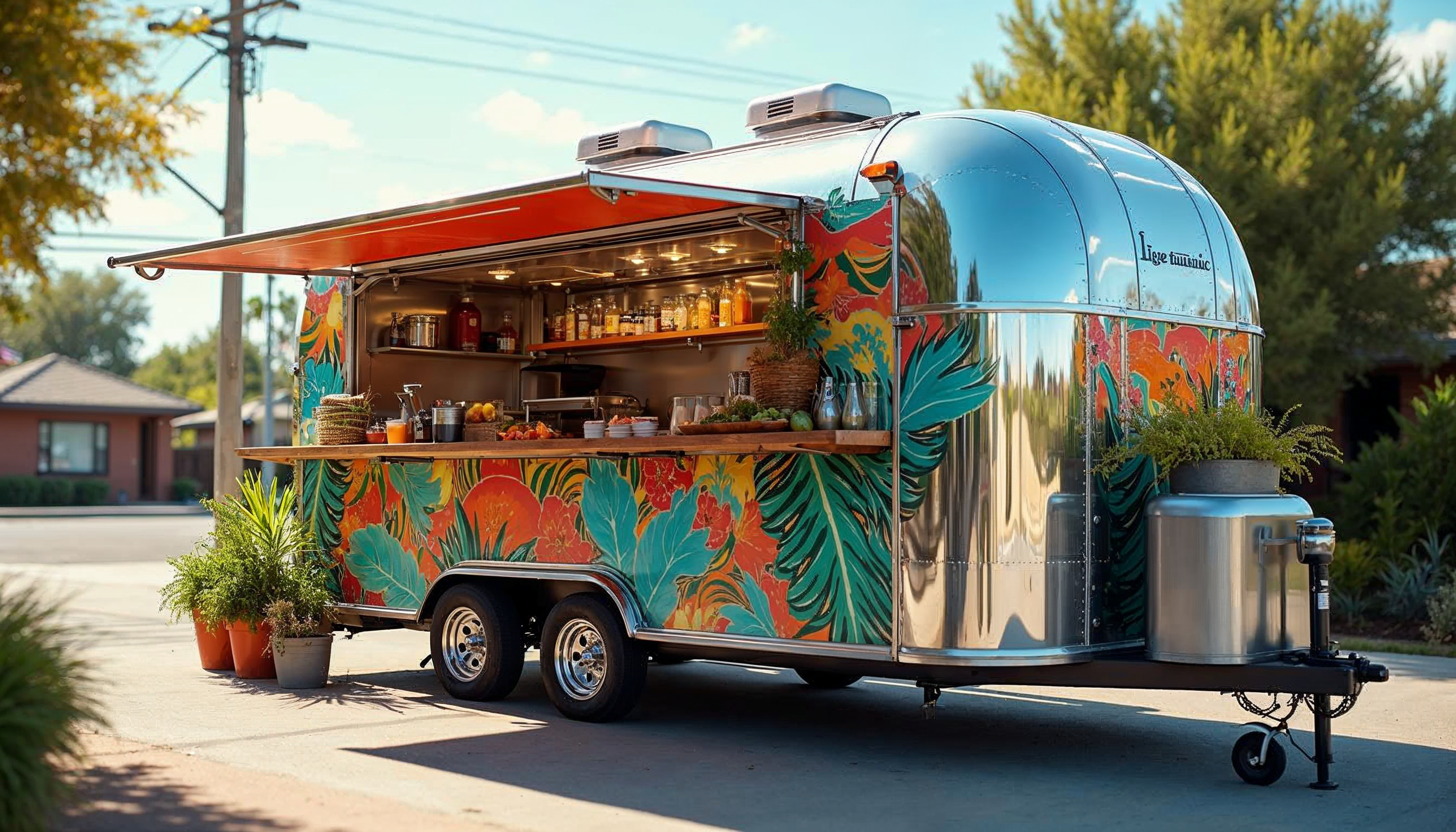
For food trailers, integrating biodegradable packaging can significantly enhance sustainability credentials. Not only does it align with the values of customers looking for green dining options, but it also reduces waste disposal costs. Trash management is an important aspect for mobile food services, and using packaging that decomposes quickly can minimize the burden.
Additionally, employing biodegradable packaging helps food trailer businesses meet local regulations aimed at reducing landfill use. Many cities are implementing stricter guidelines around waste, and biodegradable options allow businesses to stay compliant effortlessly.
The organic movement, with its focus on health and sustainability, aligns naturally with the goals of biodegradable packaging. The use of biodegradable materials demonstrates a commitment to organic principles beyond just the food offered. It encompasses a holistic approach to sustainability.
By using packaging made from organic or recyclable materials, food trailers can further their credibility as champions of the organic movement. This approach not only attracts conscientious consumers but also strengthens brand reputation in a competitive market.
There is a wide range of materials available for biodegradable packaging, each with distinct properties. Common materials include:
Each of these materials represents a step towards a more sustainable future by reducing dependency on fossil fuel-based plastics.
Biodegradable packaging is made from materials that can naturally decompose through bacterial and other biological processes. This type of packaging is often created from plant-based materials and can break down into non-toxic components.
Biodegradable packaging is crucial for food trailers as it aligns with eco-conscious consumer values, reduces waste management costs, and keeps businesses compliant with environmental regulations.
By reducing the reliance on non-renewable resources and decreasing landfill waste, biodegradable packaging contributes to a more sustainable planet. It supports a closed-loop system where materials are reused and recycled.
Common materials include polylactic acid (PLA), bagasse, chitosan, and kraft paper, all of which are renewable and decompose naturally.
Salad Food Trailers
The Rise of Salad Food Trailers In recent years, the food trailer industry has experienced a remarkable shift towards health and sustainability. Amongst various emerging trends, salad food trailers have distinctly carved out a niche in the mobile dining sector. These trailers cater to a growing number of consumers who prioritize healthy eating habits, offering […]
customization
Customization for Your Beverages and Bars Trailer When you invest in a beverages and bars trailer, you open the door to endless possibilities for customization. Personalizing your trailer not only enhances its functionality but also elevates your brand, making it a vital asset for your business or personal events. Why Customize Your Beverages and Bars […]
Why Choosing Smoked Meats Food Trailers Could Be Your Best Business Move
Understanding Smoked Meats Food Trailers The culinary industry has always been ripe for innovation. Among the many trends that have gained popularity, smoked meats hold a considerable place. Smoked meats food trailers offer a unique business opportunity, combining the rich tradition of smoking meats with the mobility of food trailers. These trailers are designed to […]