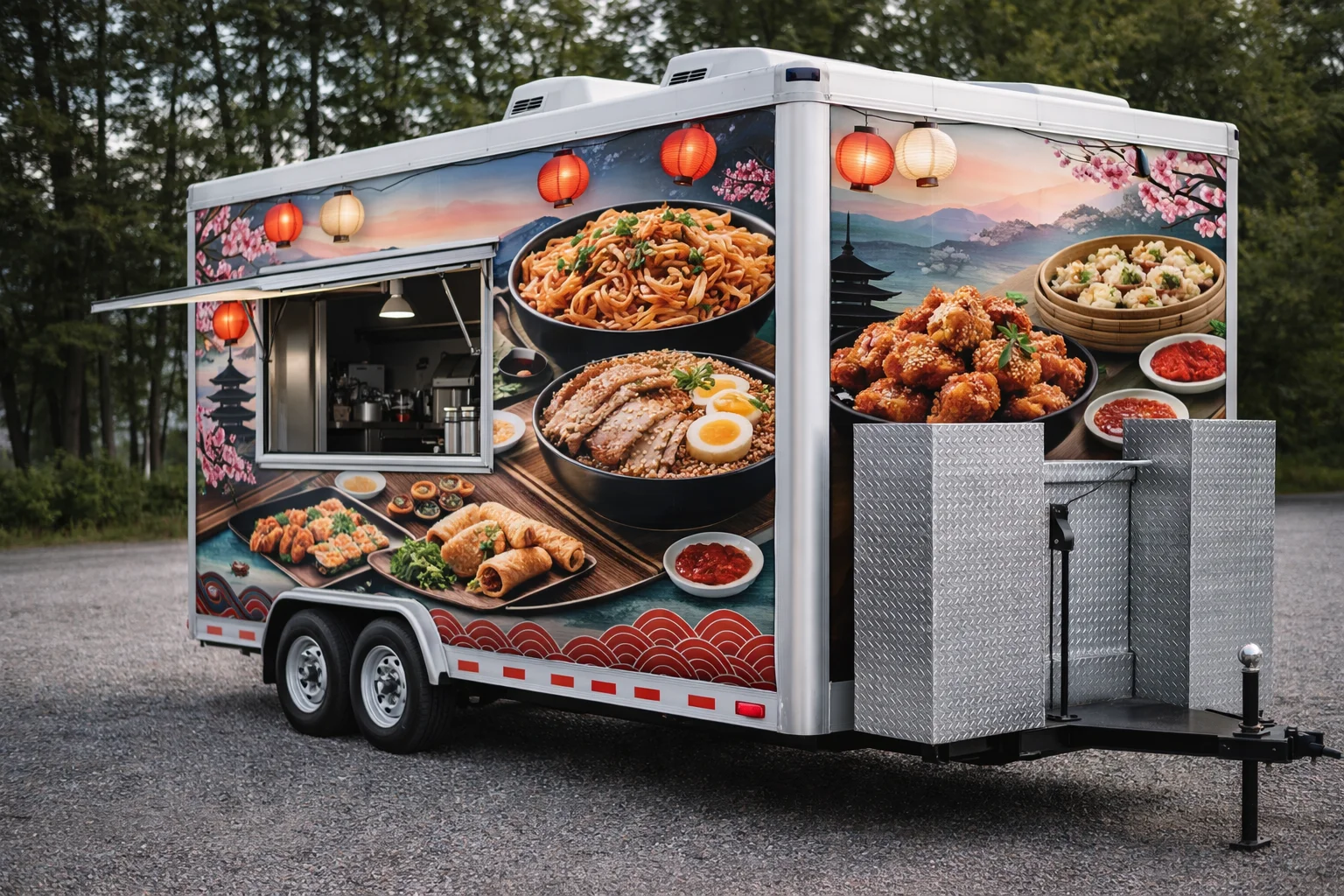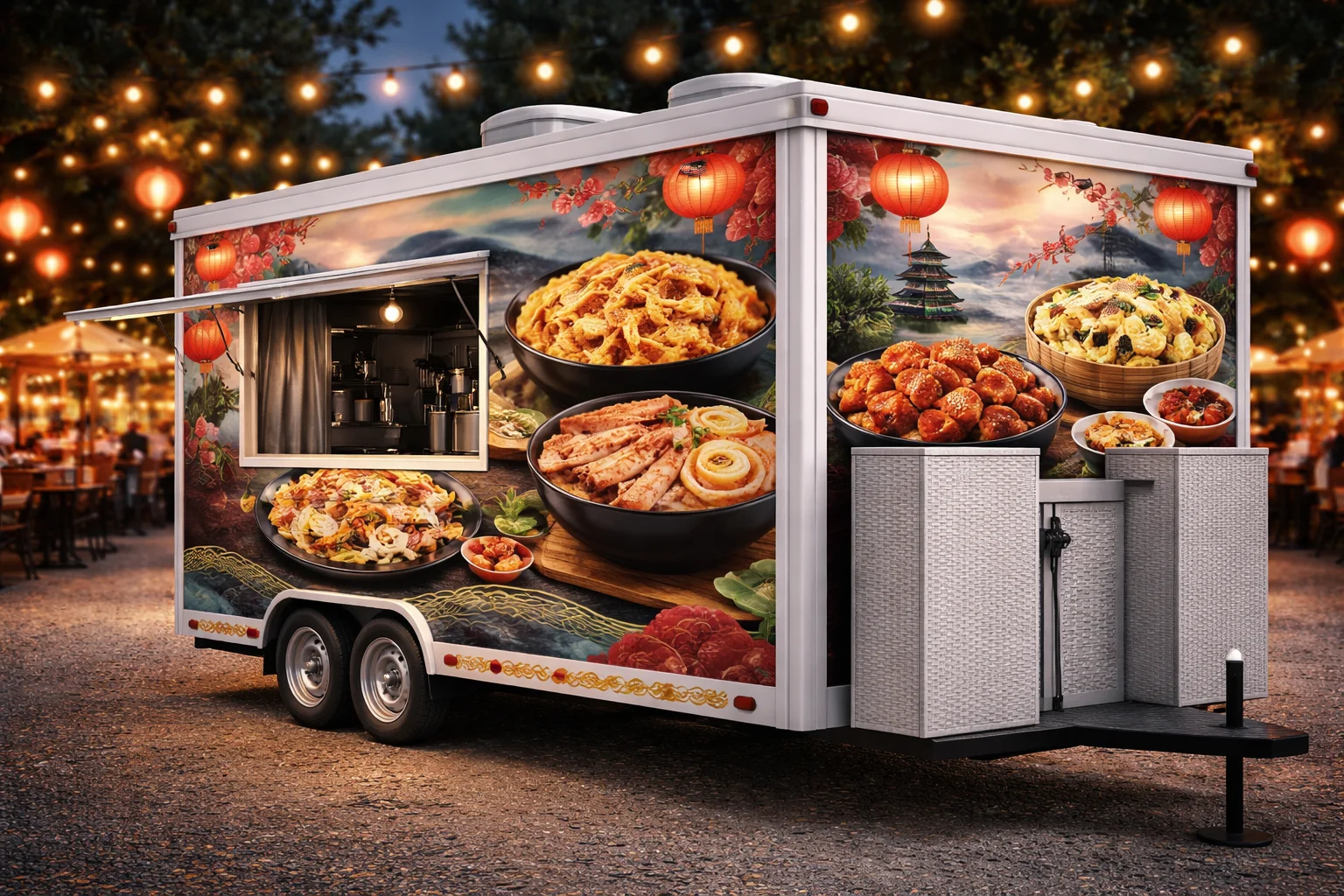
Asian cuisine offers a diverse range of flavors, ingredients, and cooking techniques that are both appealing and adaptable. From the intricate spices of Indian dishes to the balanced umami flavors of Japanese cuisine, the continent boasts extensive culinary traditions. Integrating these flavors into your food trailer menu can not only diversify your offerings but also attract a wider customer base.
In recent years, Asian cuisine food trailers have gained popularity for their uniqueness and wide appeal. Incorporating Asian dishes can provide several benefits:
The success of Asian cuisine food trailers largely rests on the dishes you choose to offer. Some popular options include:
These dishes are not only popular but also provide an opportunity to showcase authenticity and quality.
To successfully integrate Asian cuisine into your food trailer, consider the following tips:
Every region may have different preferences when it comes to Asian cuisine. Understanding the local market is crucial in determining which dishes to serve. Research local demographics and existing competition to tailor your menu accordingly. Engaging with customers through tasters or social media surveys can also provide valuable insights.
Finding authentic ingredients is key to delivering genuine Asian flavors. Consider partnering with local Asian markets or wholesalers that specialize in importing traditional ingredients. Building strong relationships with suppliers can help ensure a steady and reliable supply chain.
Adding Asian cuisine can diversify your menu, cater to health-conscious consumers, and provide cultural experiences that attract a broad customer base.
Dishes like sushi, pad Thai, and dim sum are popular for their authentic flavors and portable nature, making them ideal for food trailers.
Partner with local Asian markets or wholesalers to access traditional ingredients and ensure authenticity in your dishes.
Challenges can include sourcing authentic ingredients, mastering cooking techniques, meeting customer expectations, and understanding local taste preferences.
cost-effectiveness for event planners
Understanding Cost-Effectiveness in Events In the fast-paced world of event planning, achieving cost-effectiveness is vital. This concept is not just about spending less, but about maximizing the value of every dollar. Event planners strive to provide memorable experiences while staying within budget. Cocktail bar food trailers serve as a solution, blending cost efficiency with engaging […]
mobile food vending regulations
Overview of Mobile Food Vending Regulations The mobile food vending industry offers entrepreneurs an exciting opportunity to explore culinary business ventures without the high costs associated with traditional brick-and-mortar restaurants. However, succeeding in this business requires a thorough understanding of mobile food vending regulations. These regulations protect consumers by ensuring food safety and facilitating fair […]
Power Load Map
A Power Load Map is a schematic diagram that details how electrical loads are distributed across a food trailer’s circuit panel. It is essential for preventing circuit overloads, maintaining balanced power usage, and ensuring the trailer operates safely and efficiently. Power Load Maps are used during initial trailer design, equipment installation, and electrical upgrades to […]