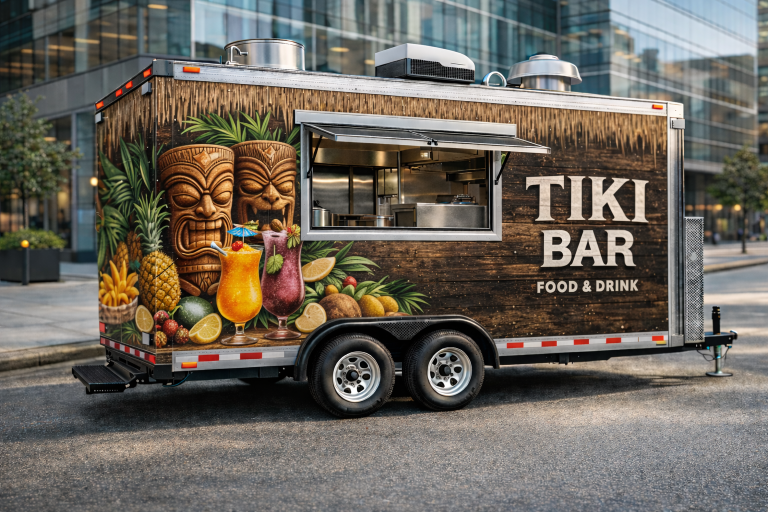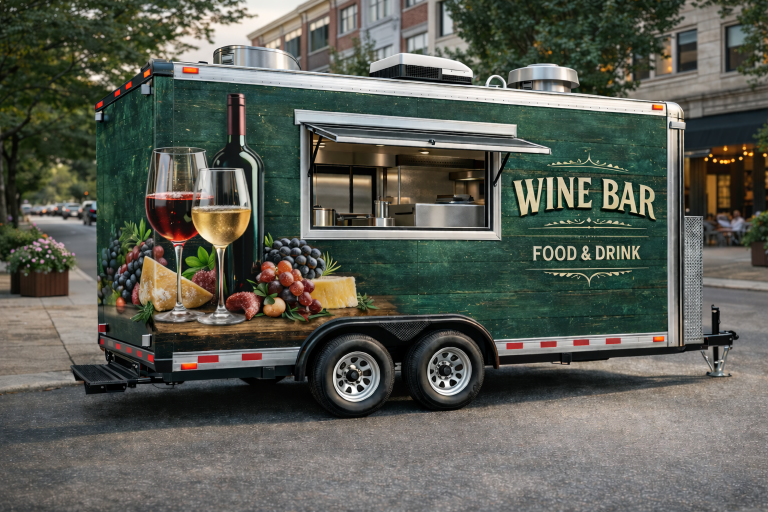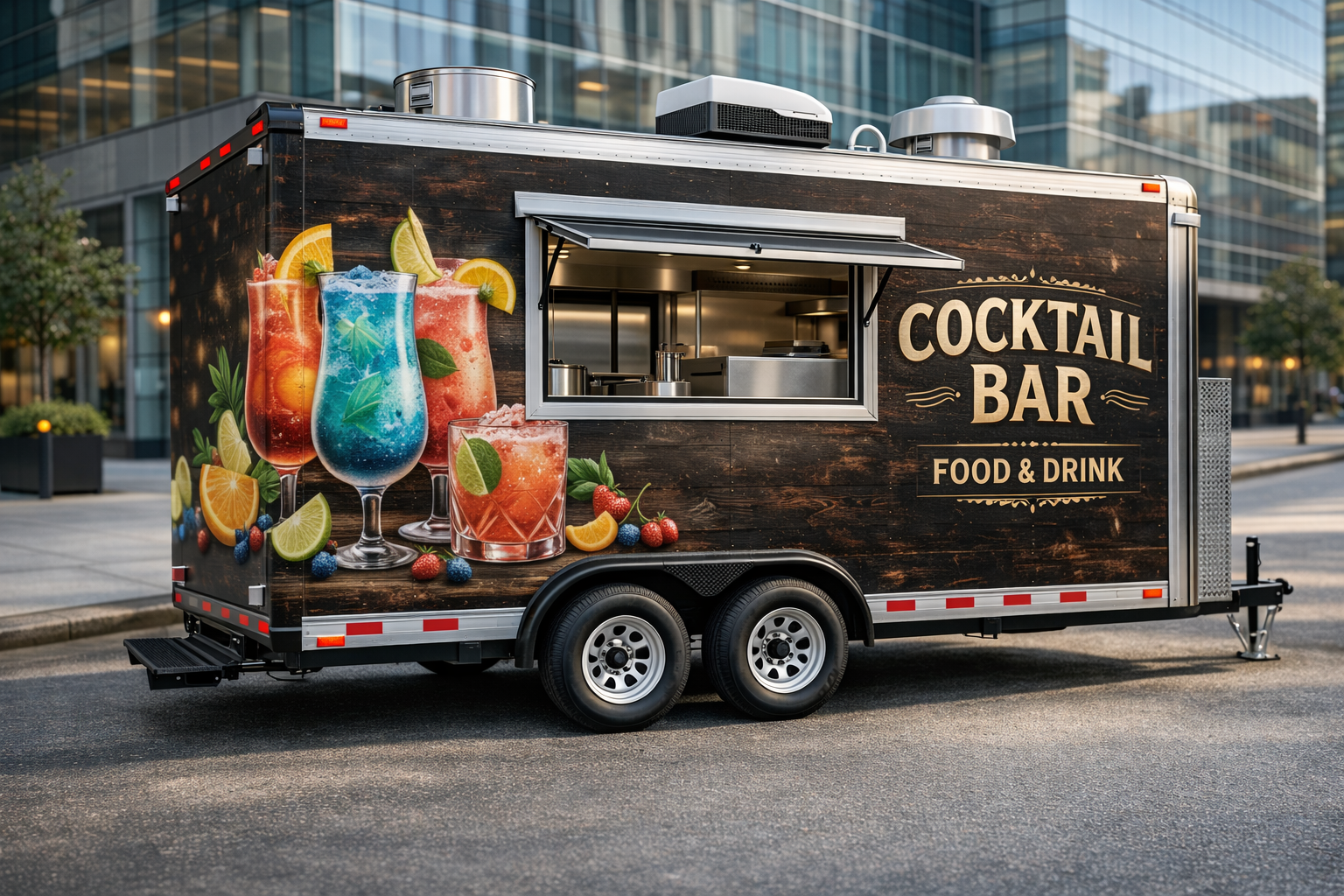
A mobile bar trailer is a practical way to launch a cocktail business for events and private bookings. Cocktail bar food trailers combine a compact setup, fast service and flexible locations. This format works well for weddings, corporate events and pop-up bars. If you are planning a mobile cocktail bar, start by choosing the right trailer type. Explore available layouts and formats for cocktail bar food trailers before moving into menu and equipment decisions.
Demand for cocktail bar food trailers keeps growing across private and corporate events. Event hosts want fast setup, flexible service, and lower overhead than a fixed bar. A mobile cocktail bar fits many formats. It works for weddings, brand events, festivals and private parties. The trailer arrives ready to serve, with no venue buildout needed. This format is also strong in terms of cost-effectiveness for event planners. A single mobile bar trailer can serve multiple events each week, change locations easily and scale without long-term leases. For new owners, this demand lowers risk at launch. You can test markets, adjust pricing and book different event types with one setup.
A clear signature drink menu is key for any mobile bar trailer. It should be simple, fast to serve, and easy to repeat at different events. A mobile cocktail bar works best with a short menu. Popular formats include classic cocktails, highballs, and pre-batched drinks. These reduce prep time and keep service consistent during peak hours. Signature drinks also help with branding.
Event planners and guests remember a small set of well-designed cocktails more than a long list of options. When planning your menu, think about speed, ingredients storage and equipment needs. Menu decisions should support the trailer layout, not complicate it.
Choosing the right setup is critical when starting a mobile bar trailer. Equipment must support fast service, safe storage and smooth event operations. Essential equipment for cocktail bar trailers usually includes:
bar workstations for drink preparation and service flow;
undercounter refrigeration for juices, mixers and garnishes;
ice storage or ice makers for high-volume cocktail service;
hand sinks and bar sinks to meet sanitation requirements;
water supply and drainage systems for events and inspections;
storage cabinets for tools, glassware and bar supplies.
Equipment choices should match your signature drink menu and expected event volume. Planning this early helps avoid layout changes and costly upgrades later.
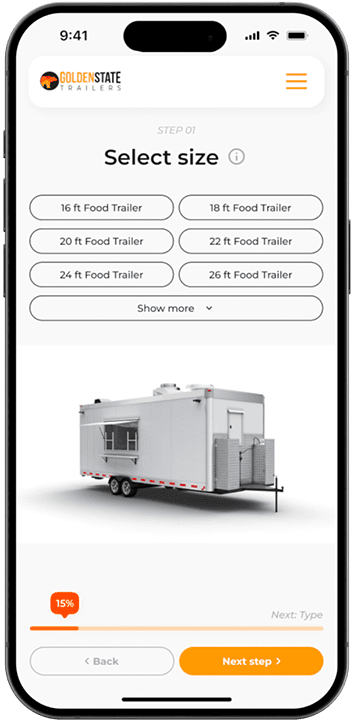
Before construction starts, it is important to plan the trailer layout. Good planning improves workflow, speeds up service and reduces permit issues later. Start by mapping equipment placement, staff movement and serving zones. This step helps balance bar stations, refrigeration, sinks, and storage in a limited space. Use a 3D tool to design a mobile bar trailer before production. Early layout planning makes it easier to review equipment needs, utilities and service flow. Designing first also supports permit and inspection reviews. Clear plans help avoid redesigns once the trailer is already in production.
Building a mobile bar trailer starts after layout and equipment planning are complete. A clear process helps keep the project on schedule and avoids last-minute changes. The first step is finalizing design plans and utility requirements. This includes electrical, plumbing, ventilation, and bar equipment placement. Next comes production. The trailer frame, flooring, walls and bar systems are built to support commercial use and repeated event service.
After construction, the trailer goes through inspections and final checks. This ensures systems are accessible, equipment is installed correctly, and the trailer is ready for event operation. To see the full process, review how to build a mobile bar trailer before starting production.
Seeing a real build helps clarify how a mobile bar trailer works in practice. Completed projects show layout choices, equipment placement and service flow. One example is this mobile bar trailer for sale built for an event-focused business. The trailer was designed for fast setup, efficient bar service and repeat use across different venues. This type of build shows how planning, equipment selection and layout come together. It also helps new owners understand what is realistic for events and private bookings.
A mobile bar trailer is often a cost-effective option for event-based businesses. Startup costs are lower than opening a fixed bar, and there is no long-term lease. This format works well for event planners. One trailer can serve multiple locations, adapt to different event sizes and operate on flexible schedules. This improves cost-effectiveness for event planners and venue partners.
For owners, operating costs stay predictable. Maintenance, staffing and inventory are easier to control compared to permanent locations. Because the trailer is mobile, you can adjust pricing by event type and demand. This flexibility helps recover costs faster and supports steady growth.
Starting a mobile cocktail bar begins with planning the right trailer setup. Layout, equipment and workflow decisions are easier when made before construction. Use a builder tool to plan space, utilities and service flow in advance. This helps reduce changes later and supports smoother production. Start planning your cocktail bar trailer with the 3D food trailer builder and move from idea to build with clear plans.
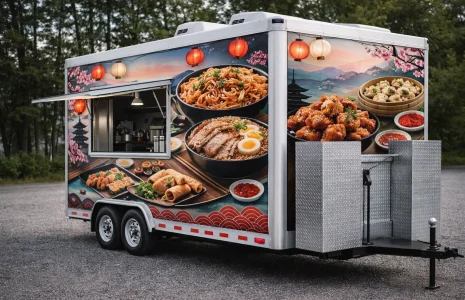 Exploring the World of Asian Cuisine Food Trailers
The culinary landscape is ever-expanding, and mobile food services like Asian cuisine food trailers are at the forefront of this transformation. Diverse in taste and flexible in operation, these trailers bring a range of Asian street foods directly to consumers. As more entrepreneurs dive into the food trailer business, understanding the essentials becomes crucial for […]
Exploring the World of Asian Cuisine Food Trailers
The culinary landscape is ever-expanding, and mobile food services like Asian cuisine food trailers are at the forefront of this transformation. Diverse in taste and flexible in operation, these trailers bring a range of Asian street foods directly to consumers. As more entrepreneurs dive into the food trailer business, understanding the essentials becomes crucial for […]
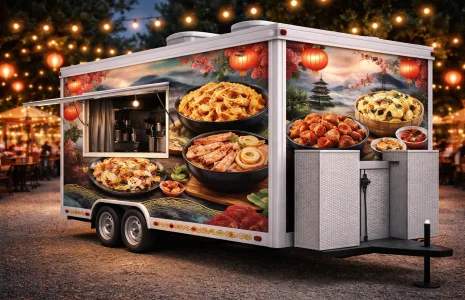 Why Choose Asian Cuisine Food Trailers for Your Business
In recent years, Asian cuisine food trailers have become a significant trend in the mobile food industry. Offering diverse and rich flavors from different parts of Asia, these trailers cater to a growing consumer demand for exotic and authentic culinary experiences. If you’re considering venturing into the food business, Asian cuisine food trailers provide a […]
Why Choose Asian Cuisine Food Trailers for Your Business
In recent years, Asian cuisine food trailers have become a significant trend in the mobile food industry. Offering diverse and rich flavors from different parts of Asia, these trailers cater to a growing consumer demand for exotic and authentic culinary experiences. If you’re considering venturing into the food business, Asian cuisine food trailers provide a […]
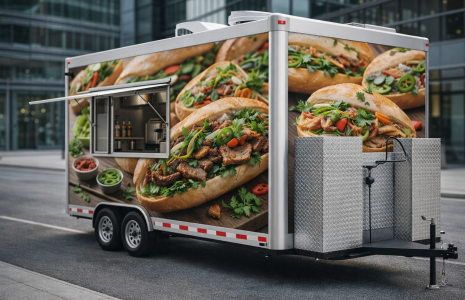 Launching Your Banh Mi Food Trailer: A Guide to Success
Understanding the Banh Mi Market Trend The Banh Mi food trend has captivated the culinary scene with its blend of crisp baguettes, flavorful meats, and vibrant vegetables. Originating from Vietnam, Banh Mi sandwiches have become a beloved street food across the globe. This unique culinary offering combines French and Vietnamese influences, perfect for those seeking […]
Exploring the World of Asian Cuisine Food Trailers
The culinary landscape is ever-expanding, and mobile food services like Asian cuisine food trailers are at the forefront of this transformation. Diverse in taste and flexible in operation, these trailers bring a range of Asian street foods directly to consumers. As more entrepreneurs dive into the food trailer business, understanding the essentials becomes crucial for […]
Why Choose Asian Cuisine Food Trailers for Your Business
In recent years, Asian cuisine food trailers have become a significant trend in the mobile food industry. Offering diverse and rich flavors from different parts of Asia, these trailers cater to a growing consumer demand for exotic and authentic culinary experiences. If you’re considering venturing into the food business, Asian cuisine food trailers provide a […]
Launching Your Banh Mi Food Trailer: A Guide to Success
Understanding the Banh Mi Market Trend The Banh Mi food trend has captivated the culinary scene with its blend of crisp baguettes, flavorful meats, and vibrant vegetables. Originating from Vietnam, Banh Mi sandwiches have become a beloved street food across the globe. This unique culinary offering combines French and Vietnamese influences, perfect for those seeking […]
Launching Your Banh Mi Food Trailer: A Guide to Success
Understanding the Banh Mi Market Trend The Banh Mi food trend has captivated the culinary scene with its blend of crisp baguettes, flavorful meats, and vibrant vegetables. Originating from Vietnam, Banh Mi sandwiches have become a beloved street food across the globe. This unique culinary offering combines French and Vietnamese influences, perfect for those seeking […]
Exploring the World of Asian Cuisine Food Trailers
The culinary landscape is ever-expanding, and mobile food services like Asian cuisine food trailers are at the forefront of this transformation. Diverse in taste and flexible in operation, these trailers bring a range of Asian street foods directly to consumers. As more entrepreneurs dive into the food trailer business, understanding the essentials becomes crucial for […]
Why Choose Asian Cuisine Food Trailers for Your Business
In recent years, Asian cuisine food trailers have become a significant trend in the mobile food industry. Offering diverse and rich flavors from different parts of Asia, these trailers cater to a growing consumer demand for exotic and authentic culinary experiences. If you’re considering venturing into the food business, Asian cuisine food trailers provide a […]
Launching Your Banh Mi Food Trailer: A Guide to Success
Understanding the Banh Mi Market Trend The Banh Mi food trend has captivated the culinary scene with its blend of crisp baguettes, flavorful meats, and vibrant vegetables. Originating from Vietnam, Banh Mi sandwiches have become a beloved street food across the globe. This unique culinary offering combines French and Vietnamese influences, perfect for those seeking […]