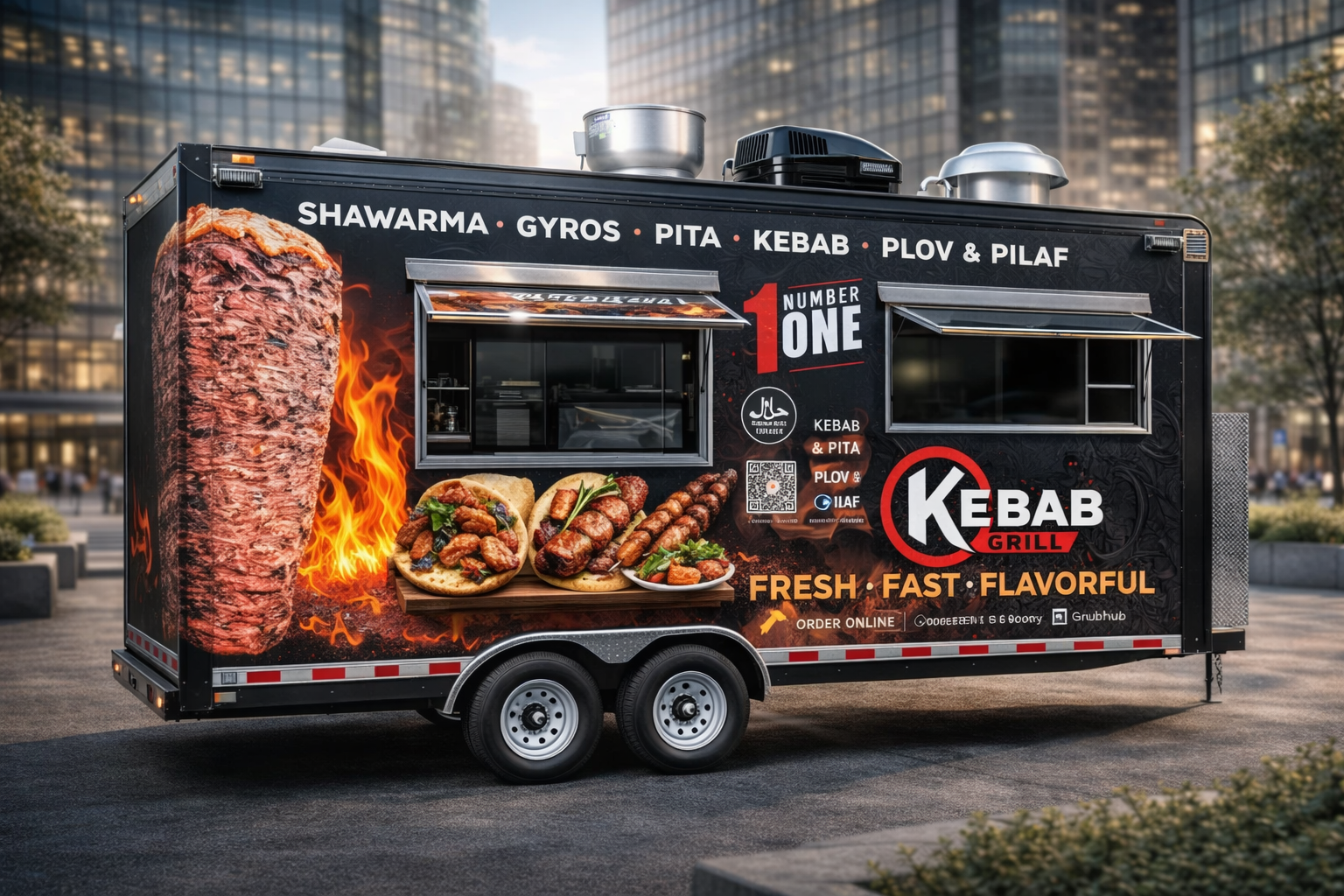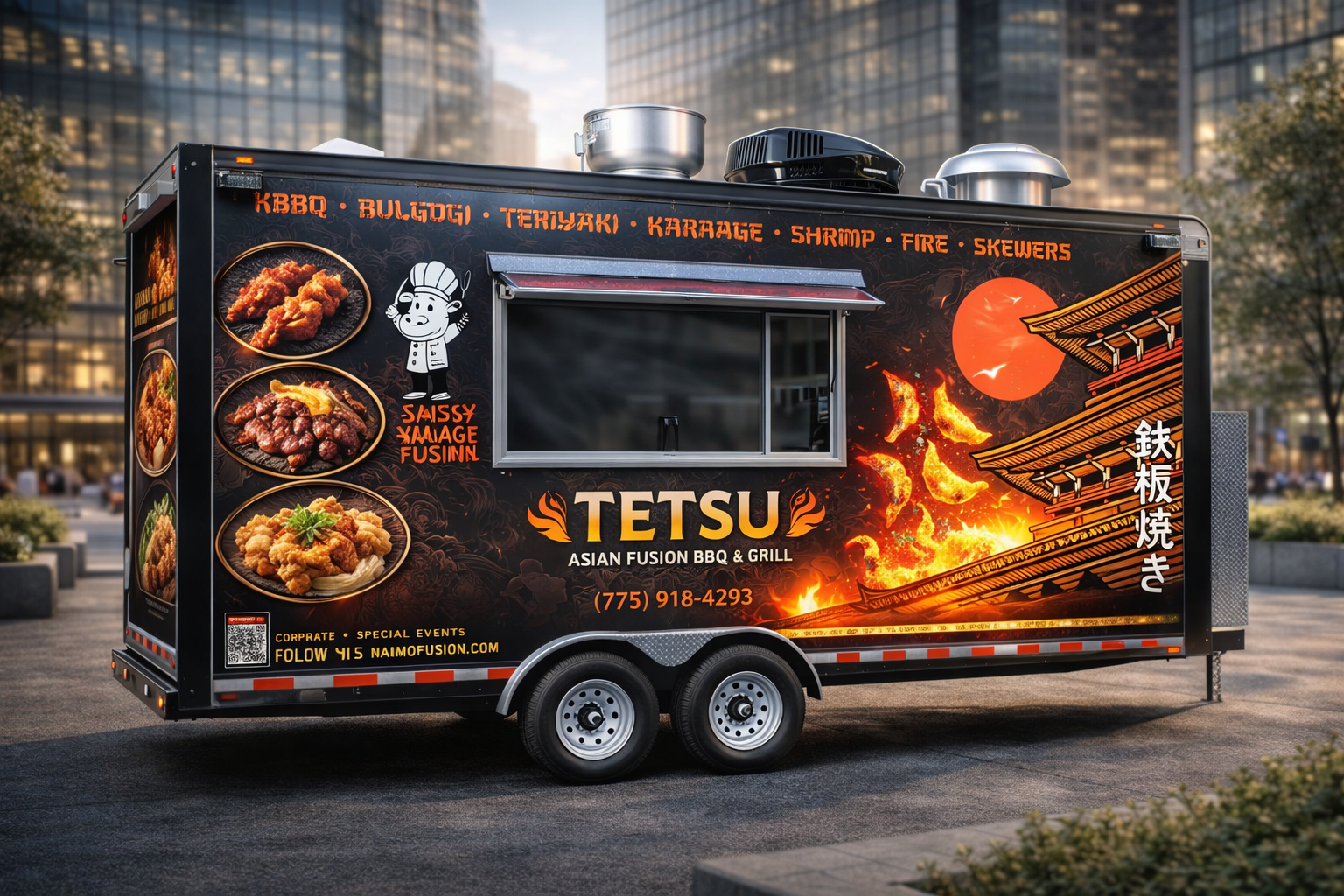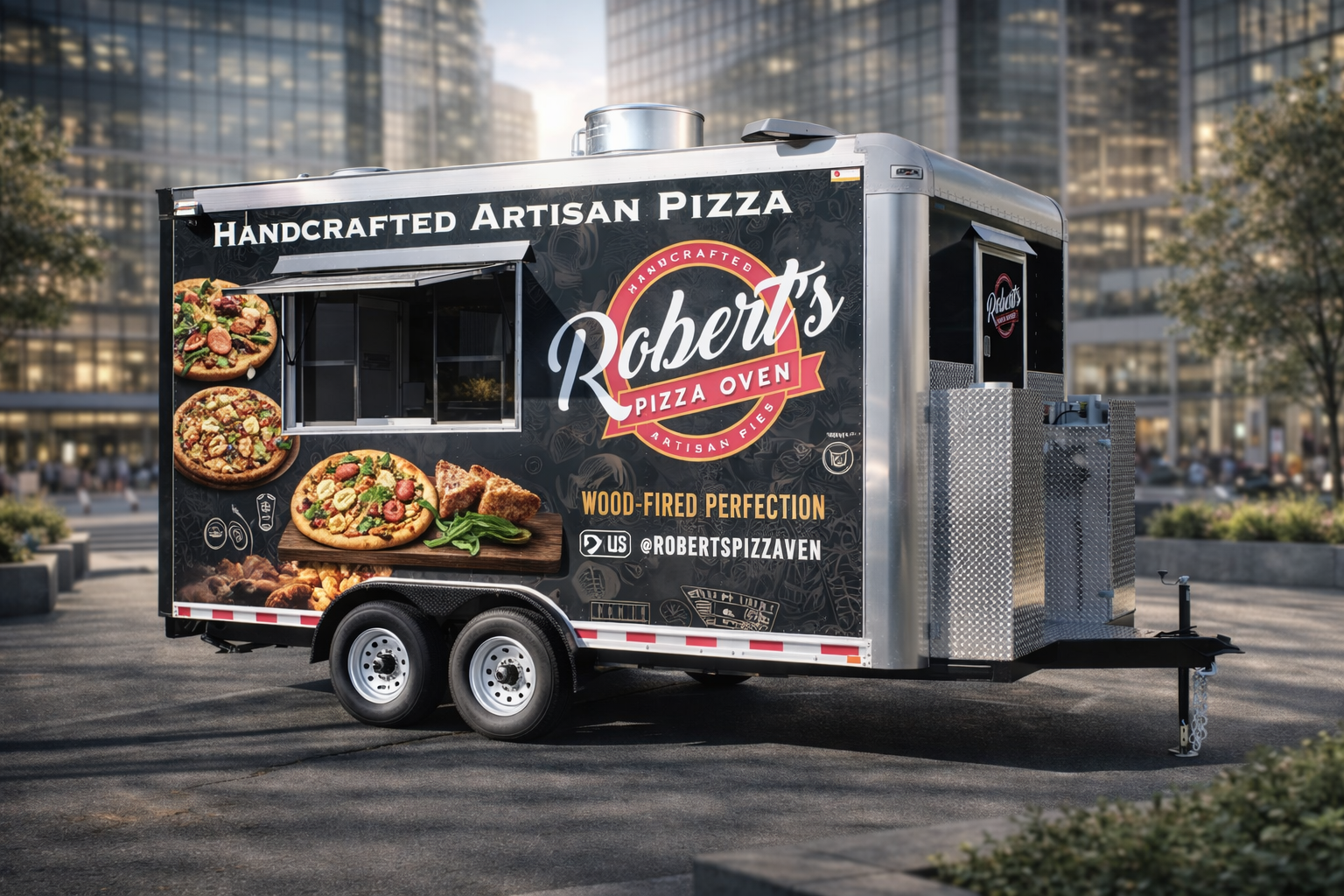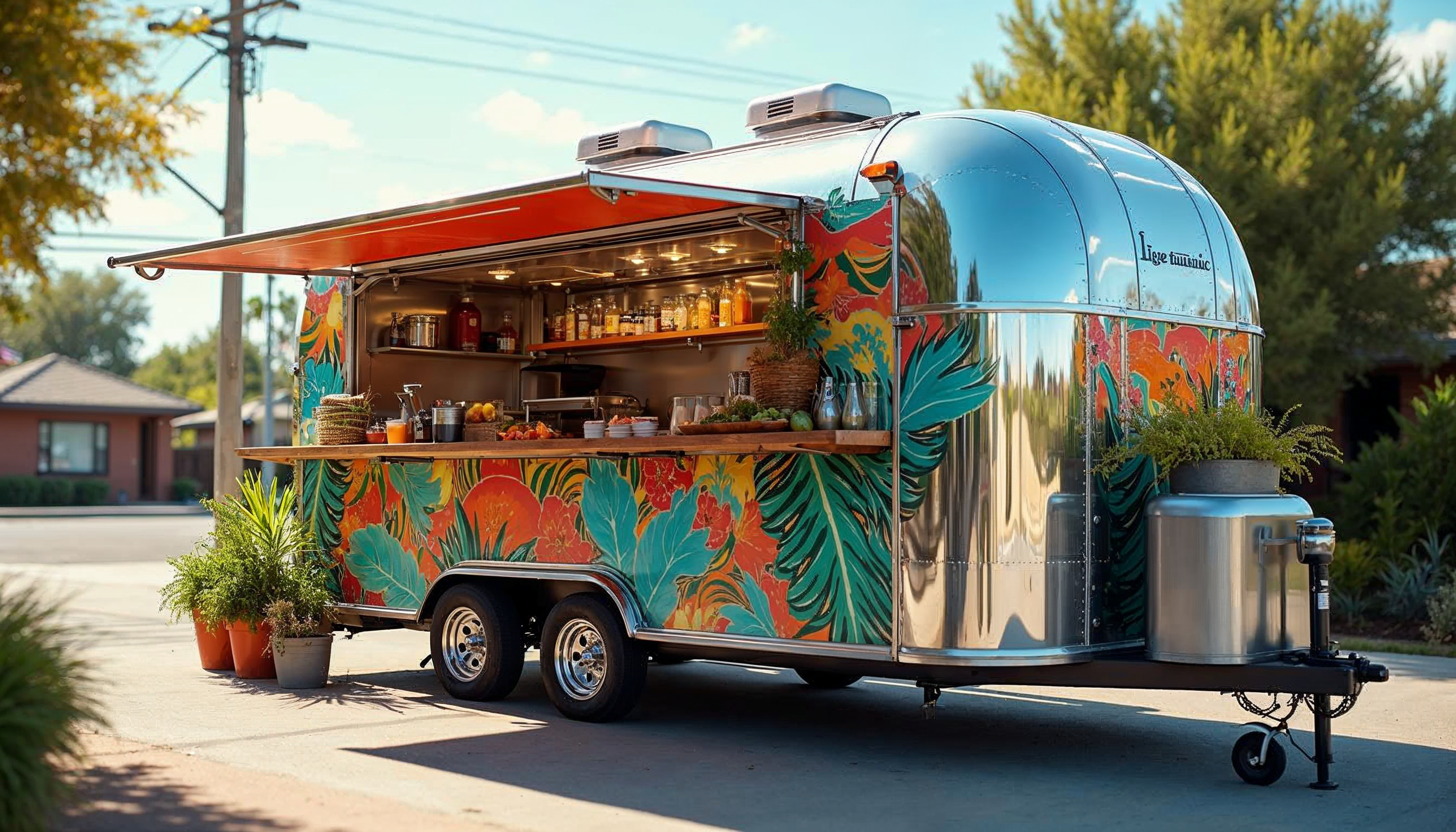
The food trailer industry has seen a remarkable transformation in recent years, with BBQ and grilled meats being at the forefront of this revolution. These mobile eateries offer customers a fresh, outdoor experience, highlighting their culinary prowess in smoked, grilled, and roasted delights. Aspiring entrepreneurs keen on diving into this market need to understand the ins and outs, from equipment choices to adhering to local health regulations.
Selecting the appropriate equipment forms the backbone of any successful mobile BBQ operation. Essential tools include a reliable grill or smoker, refrigeration equipment, and warming cabinets to keep the food fresh and warm. Additionally, having a top-notch ventilation system is crucial to comply with health and safety standards. Equipping your trailer with high-quality gear not only ensures consistent food quality but also enhances operational efficiency.
Before hitting the road, BBQ and grilled meats food trailers must comply with several legal standards. The requirements vary by state and city, often demanding food handling permits, health inspections, and appropriate vehicle registration. Ensuring you meet these regulations is vital for smooth operations and avoiding fines. It’s advisable to consult with local municipal offices or experienced professionals to navigate these requirements effectively.
In the competitive world of food trailers, standing out is critical. Establishing a strong brand, utilizing social media platforms, and participating in local events are effective ways to attract customers. Building a dedicated following opens the door to catering events, boosting revenue significantly. Crafting an appealing and consistent brand message will draw in regulars, while promotions and loyalty programs can sustain customer interest over the long term.
Success in the grilled meats food trailer business hinges on three key factors: high-quality food, excellent customer service, and strategic location. Ensuring that your offerings are consistently delicious will keep customers coming back. Likewise, courteous staff can elevate the customer’s dining experience, promoting positive word-of-mouth. Lastly, choosing high-traffic areas or events where your target audience frequents can significantly enhance your business’s visibility and profitability.
Learn more about starting your mobile BBQ business here.
Essential equipment includes a commercial grill or smoker, refrigeration units, warming cabinets, and a ventilation system to ensure compliance with safety standards.
Marketing strategies include creating a unique brand, using social media, attending local events, and implementing loyalty programs to build a dedicated customer base.
Licensing involves obtaining food handling permits, passing health inspections, and registering your vehicle as per local regulations.
High-traffic areas, local events, and places frequented by your target audience offer the best opportunities for operating a successful BBQ trailer.
niche
The Ultimate Guide to Starting Your Nachos Food Trailer Business Embarking on the journey of running a nachos food trailer can be both thrilling and profitable. With street food becoming increasingly popular, offering a unique and tasty product like nachos can set you apart in a bustling market. This guide aims to walk you through […]
cost-effectiveness for event planners
Understanding Cost-Effectiveness in Events In the fast-paced world of event planning, achieving cost-effectiveness is vital. This concept is not just about spending less, but about maximizing the value of every dollar. Event planners strive to provide memorable experiences while staying within budget. Cocktail bar food trailers serve as a solution, blending cost efficiency with engaging […]
Inverter Surge Margin
Inverter Surge Margin refers to the temporary power capacity an inverter can deliver above its continuous wattage rating. This surge capability is critical in mobile food trailers, where appliances such as refrigerators, espresso machines, and induction burners may draw significantly more power at startup than during regular operation. A properly sized surge margin prevents system […]