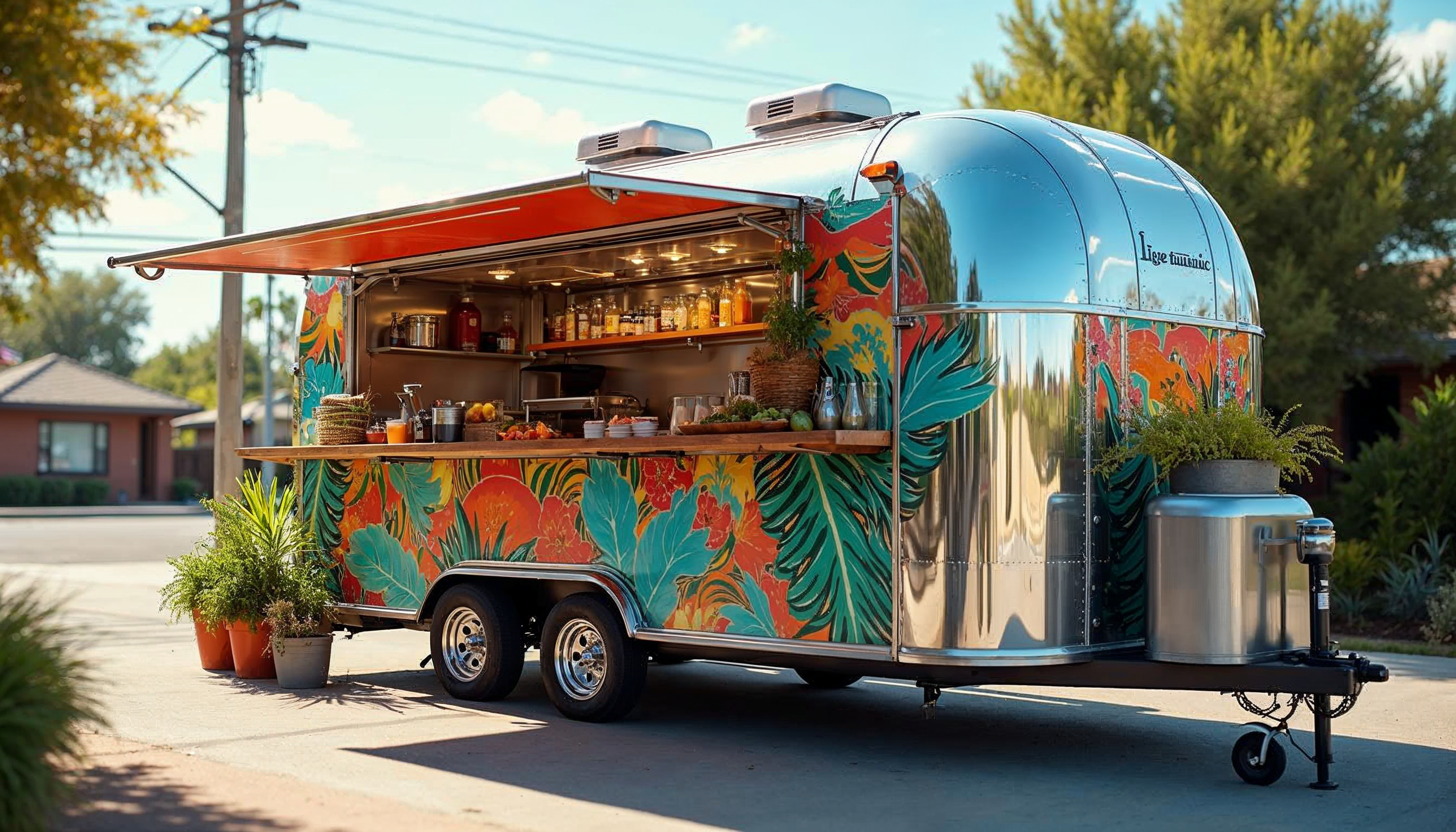
The mobile food vending industry offers entrepreneurs an exciting opportunity to explore culinary business ventures without the high costs associated with traditional brick-and-mortar restaurants. However, succeeding in this business requires a thorough understanding of mobile food vending regulations. These regulations protect consumers by ensuring food safety and facilitating fair business practices throughout the food vending landscape.
Acquiring the necessary permits and licenses is a crucial first step in becoming a legal mobile food vendor. A general business license, a mobile food facility permit, and a food manager certification are typically required. Additionally, vendors might need to obtain a special health permit depending on the municipality. The types and specifics of permits can vary significantly by location, thus making it imperative to contact local regulatory bodies for accurate information. Supporting resources, such as The Sweet Success of Dessert and Sweet Snack Trailers, provide insights into obtaining these essential credentials.
Adherence to stringent health and safety standards is non-negotiable for mobile food vendors. This includes maintaining proper food temperatures, utilizing safe food handling practices, and ensuring regular cleaning of both equipment and the mobile unit itself. Health departments typically conduct inspections to ensure compliance with these standards, underscoring the importance of maintaining high hygiene levels. The threat of foodborne illnesses makes these standards critical both for public health and vendor reputation.
Zoning laws greatly impact where mobile food vendors can operate. These regulations are in place to manage traffic flow, prevent overcrowding, and maintain public safety. Vendors should seek information on designated vending areas and permissible operating hours from local governments. Being informed about location restrictions is vital to avoiding potential fines or legal issues.
For new vendors, understanding and adhering to mobile food vending regulations can be daunting. One effective strategy is to join a mobile food vendor association which often provides members with updates on changing laws and practices. Regular training in food safety and management is also recommended to ensure consistent compliance. Research and preparation are key components for any vendor embarking on this thrilling journey into the food vending industry.
Vendors typically need a business license, a mobile food facility permit, and a food manager certification. Specific requirements can vary by location.
Health regulations mandate adherence to food safety standards, involving safe handling, temperature control, and routine cleaning. These are crucial for preventing foodborne illnesses.
Legality of operation depends on local zoning laws, which outline specific areas where vending is permitted, along with operating hours and other restrictions.
Non-compliance with regulations can lead to fines, revocation of permits, and even shutdowns. It is essential for vendors to stay informed and compliant.
Setting up Your Wine Bar Food Trailer for Success
Why Start a Wine Bar Food Trailer? Starting a wine bar food trailer can be an exciting venture, combining the love of wine with the trendy mobile food industry. There are numerous benefits, including lower overhead costs compared to a brick-and-mortar establishment and the flexibility to travel to different locations to reach a wider audience. […]
authentic flavors
Authentic Flavors In the food trailer business, authentic flavors can be the key to distinguishing your offerings from the competition. With European cuisine experiencing a resurgence, the demand for genuine tastes is more prevalent than ever. Here, we explore how food trailer operators can effectively introduce the authentic flavors of European cuisine into their businesses. […]
Embracing the Organic Movement with Food Trailers
The shift towards organic and sustainable consumption continues to gain momentum, and food trailers are playing a significant role in this movement. These mobile kitchens are increasingly embracing organic ingredients and sustainable methods, providing a versatile platform for innovative culinary experiences. The Rise of Organic Food Trailers Food trailers have surged in popularity in recent […]