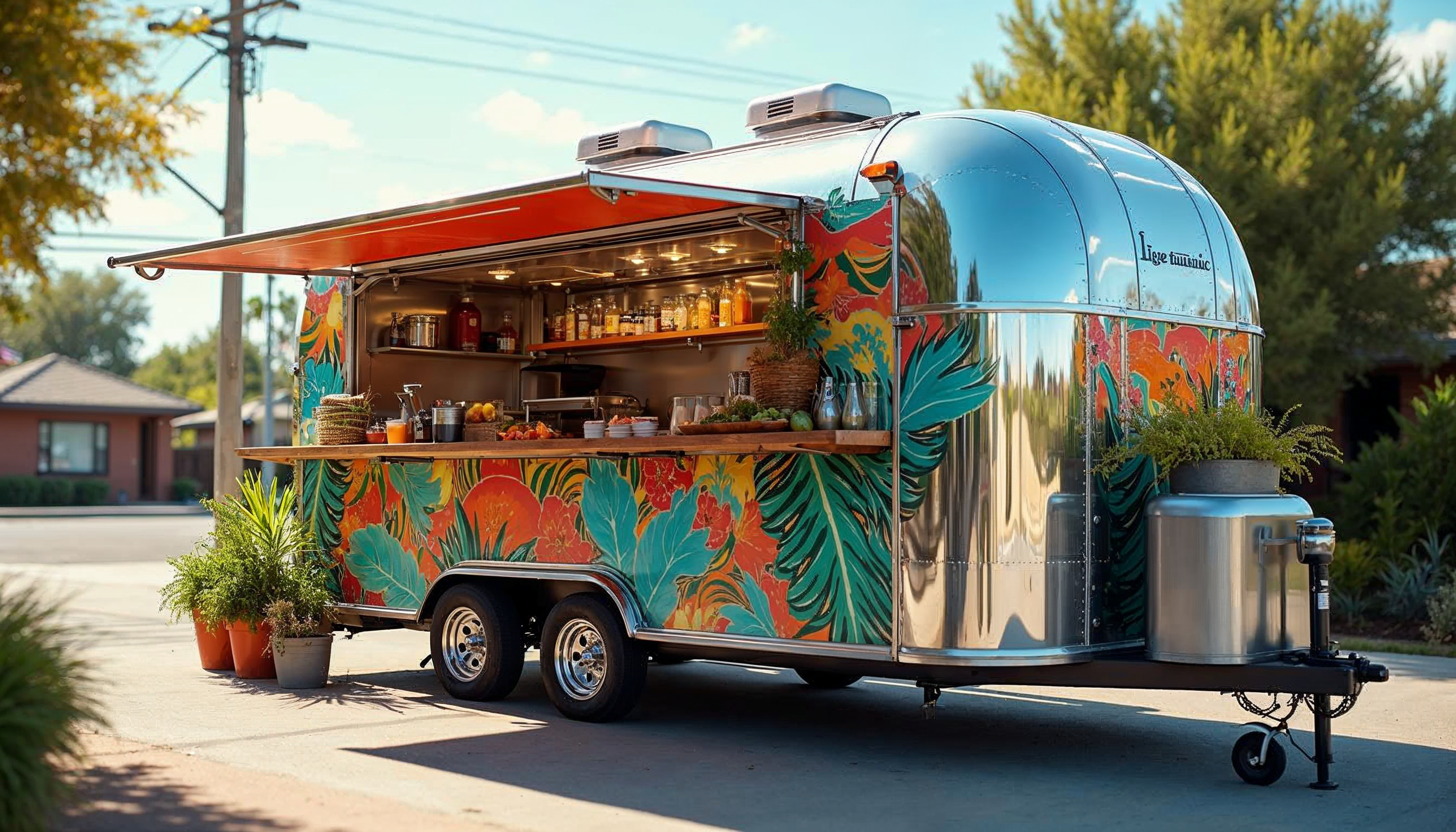
In recent years, vegetarian food trailers have become a prominent feature in urban centers across the globe. As the demand for plant-based diets continues to rise, these mobile kitchens offer a unique way to enjoy vegetarian cuisine on the go. This growing trend is reshaping how city dwellers consume food and influence urban food culture.
The surge in popularity of vegetarian food trailers can be attributed to several factors. Primarily, there is a significant shift in consumer preferences towards healthier, plant-based diets. Increasing awareness about the environmental and ethical considerations related to meat consumption is also driving this change. Moreover, urban areas, with their dense population and diverse demographics, provide the perfect market for these culinary ventures.
Vegetarian food trailers offer numerous benefits, making them appealing to both consumers and entrepreneurs. For customers, these trailers provide quick access to diverse and nutritious meals without the need for extensive cooking time. For business owners, the lower overhead costs associated with operating a trailer instead of a traditional brick-and-mortar restaurant represent a significant advantage.
Despite their benefits, vegetarian food trailers face several challenges. Operating in an urban environment can present logistical issues such as finding suitable parking spaces and complying with local health regulations. Also, competition is fierce, as the food industry in metropolitan areas is saturated with various dining options.
Several vegetarian food trailers have thrived in urban settings. For instance, the Green Gourmet Truck in San Francisco offers a variety of plant-based dishes and has become a local favorite. Another success story is the Vegan Wheels in New York, which combines tasty vegan food with sustainability initiatives. These examples reflect the potential success of such ventures when they effectively meet market demands and align with consumer values.
Vegetarian food trailers are mobile food units that specialize in serving plant-based dishes, catering to the growing demand for vegetarian and vegan options.
Their popularity is due to increased awareness of health, environmental, and ethical considerations, coupled with urban demographics and preferences for convenient, nutritious meals.
They offer health-conscious consumers quick access to nutritious foods and provide entrepreneurs with reduced startup and operational costs compared to traditional restaurants.
Urban areas support vegetarian food trailers by offering a concentrated customer base with diverse dietary preferences, allowing these businesses to thrive in a dense market environment.
Crafting Unique Experiences with Cocktail Bar Food Trailers
Benefits of a Mobile Cocktail Bar In today’s event industry, the concept of a mobile cocktail bar has emerged as a popular choice among event planners and hosts. It offers unparalleled flexibility, allowing organizers to set up a fully functioning bar almost anywhere, regardless of the venue’s existing amenities. This adaptability makes it an attractive […]
Slushie Food Trailers
Introduction to Slushie Food Trailers The slushie food trailer industry represents a vibrant and refreshing segment of the mobile food business sector. These trailers are not only a staple at outdoor events and festivals, offering convenient access to icy, flavorful beverages, but they also serve as a lucrative business opportunity for entrepreneurs. Slushie food trailers […]
Setting up Your Wine Bar Food Trailer for Success
Why Start a Wine Bar Food Trailer? Starting a wine bar food trailer can be an exciting venture, combining the love of wine with the trendy mobile food industry. There are numerous benefits, including lower overhead costs compared to a brick-and-mortar establishment and the flexibility to travel to different locations to reach a wider audience. […]