Organic food refers to crops or livestock that are grown and processed using methods that comply with the standards of organic farming. These standards vary worldwide but typically aim to foster cycling of resources, promote ecological balance, and conserve biodiversity. Organic farming practices include using natural fertilizers, crop rotation, and avoiding synthetic pesticides or genetically modified organisms (GMOs).
There are numerous benefits to consuming organic food. Nutritionally, organic produce often contains higher levels of certain nutrients, including antioxidants, than conventionally grown counterparts. Moreover, organic food is free from synthetic chemicals, which reduces the consumer’s exposure to harmful residues. Environmentally, organic farming practices help in reducing pollution, conserving water, and improving soil fertility. From a health perspective, eating organic foods can lead to a reduced risk of allergies and improved overall health.
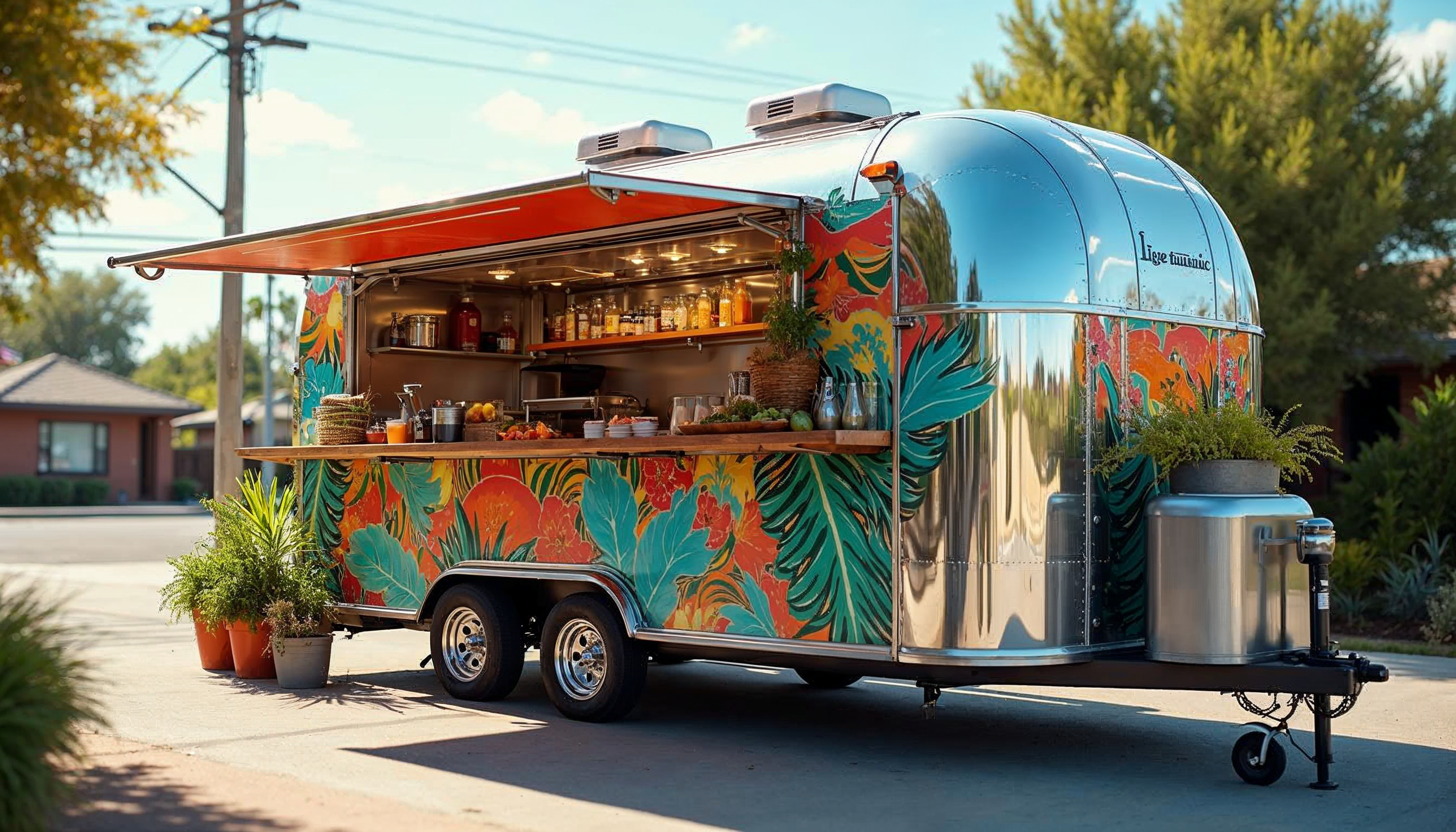
The popularity of food trailers in serving organic food is soaring. Unlike traditional brick-and-mortar restaurants, food trailers offer mobility and adaptability, allowing operators to bring organic food directly to consumers, wherever they may be. This trend reflects the growing consumer demand for organic options that are convenient, fresh, and affordable.
Food trailers play a critical role in supporting the organic movement by providing an accessible platform for distributing organic products. Many food trailer operators are committed to sourcing locally and maintaining transparency about their ingredients, which helps build trust with consumers. This grassroots approach facilitates a direct connection between farmers and the community, reinforcing the importance of sustainable food practices.
While the organic food trailer business is full of potential, it does come with challenges. The costs of sourcing organic ingredients can be higher, affecting pricing strategy and profit margins. Additionally, maintaining the organic certification requires adherence to strict guidelines, which can be challenging for smaller businesses. However, the rising consumer awareness and demand for healthy options create exciting opportunities for those willing to innovate and advocate for organic food.
Organic food is defined by its production methods that prioritize ecological sustainability, such as avoiding synthetic pesticides and using natural fertilizers.
Food trailers support the organic trend by offering a flexible venue for selling locally sourced, organic ingredients directly to consumers.
Consuming organic food offers nutritional benefits, reduced exposure to chemicals, improved environmental impacts, and potential health advantages.
While challenges exist, such as the higher cost of organic ingredients, the growing demand for organic food presents opportunities for profitability in the trailer business.
Explore more about how food trailers are influencing culinary trends at Embracing the Organic Movement with Food Trailers.
POS system
POS System in Food Trailers In the dynamic world of mobile food services, especially within the boba food trailer industry, technology plays a crucial role. A Point of Sale (POS) system is instrumental in ensuring operations run smoothly and efficiently. This article will delve into how a POS system can transform your boba food trailer […]
hummus
Discover the Delight of Hummus The Origins of Hummus Hummus is a beloved dish with origins that trace back thousands of years across the Mediterranean and Middle Eastern regions. The main ingredient, chickpeas, has been consumed in these areas for centuries. The earliest known recipes for hummus are difficult to pinpoint precisely, but references to […]
Service Window Counterbrace
Service Window Counterbrace refers to a structural support component used to stabilize and level the service window counter in a food trailer during vending operations. This brace ensures that the counter remains secure, flat, and capable of supporting the weight of food items, equipment, and customer transactions. It is deployed whenever the service window is […]