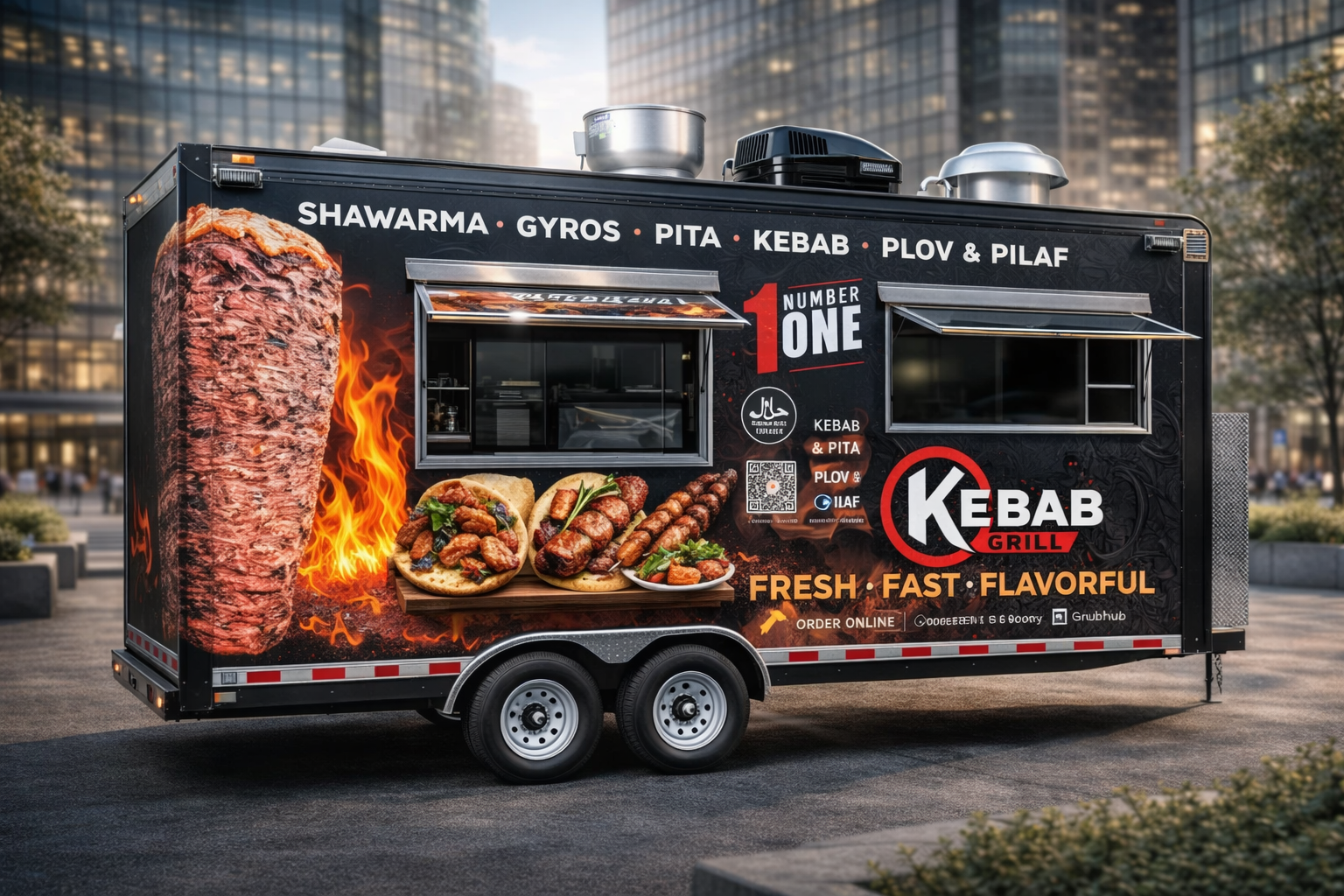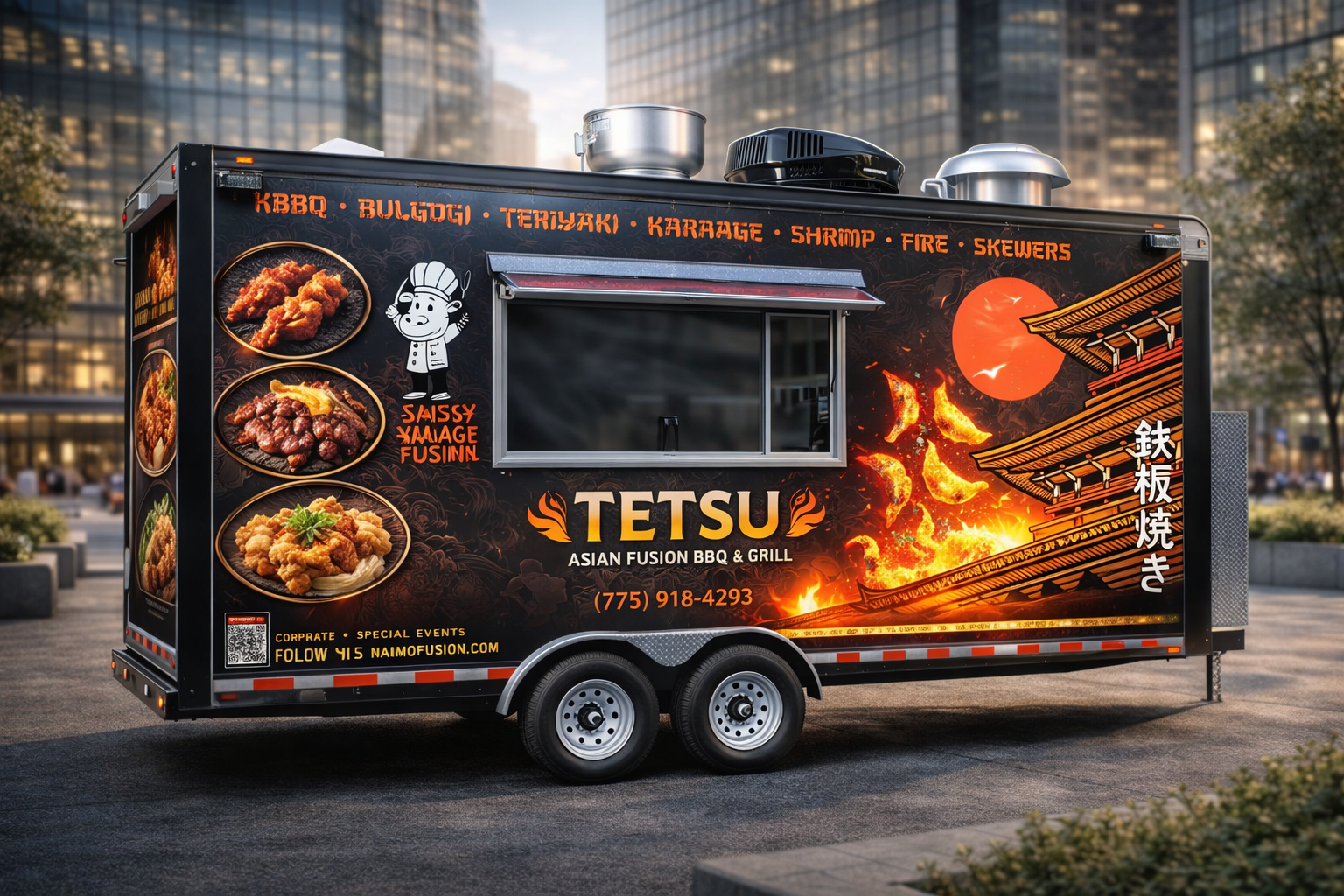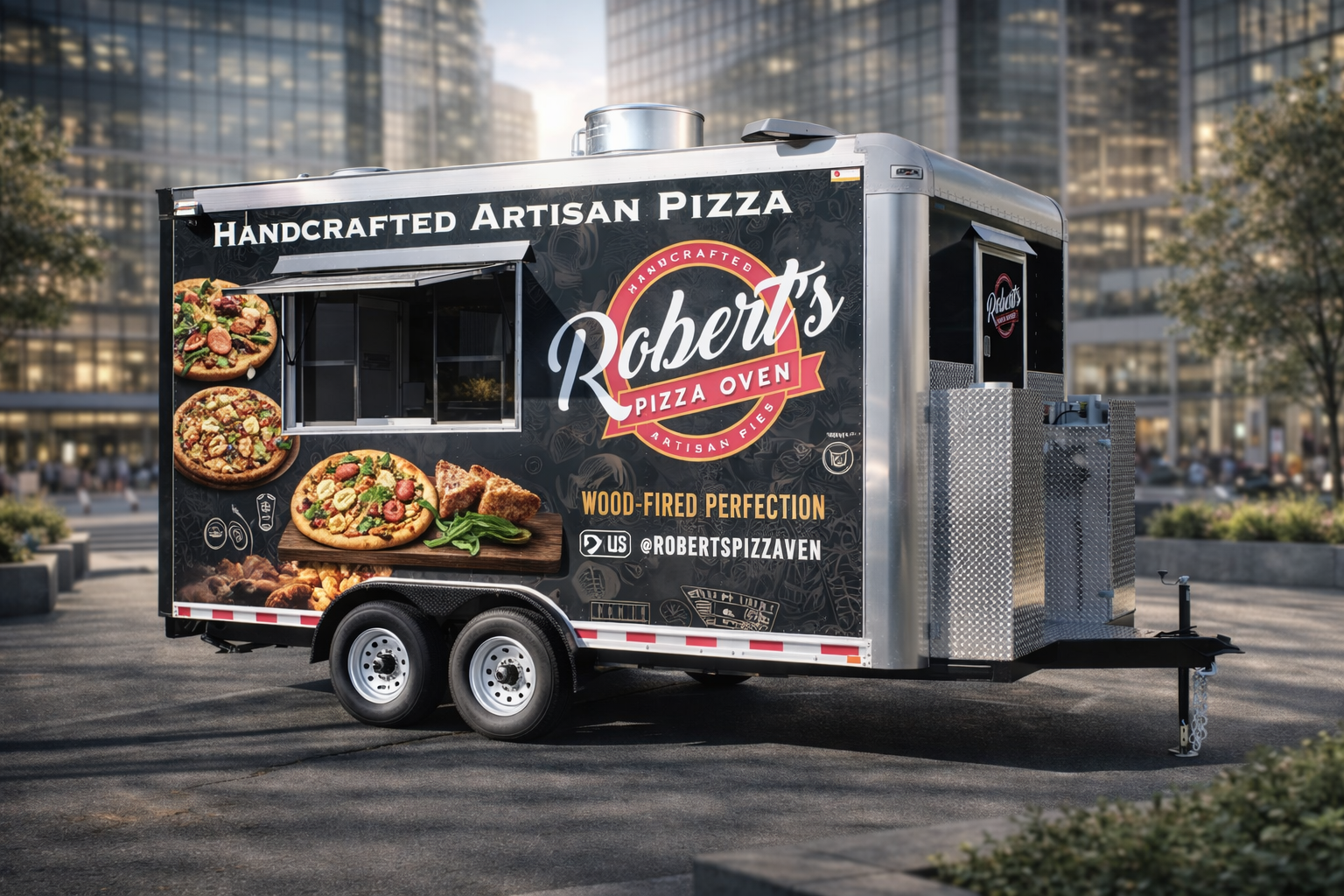
American fast food is a cultural phenomenon that has captured the hearts of people around the globe. From juicy hamburgers to crispy fried chicken, these dishes have become synonymous with American dining. The evolution of fast food started in the early 20th century as urbanization and automobile culture emerged, leading to the rise of diners and drive-ins. These establishments laid the groundwork for the fast food landscape, which rapidly evolved to include a variety of American classics known and loved today.
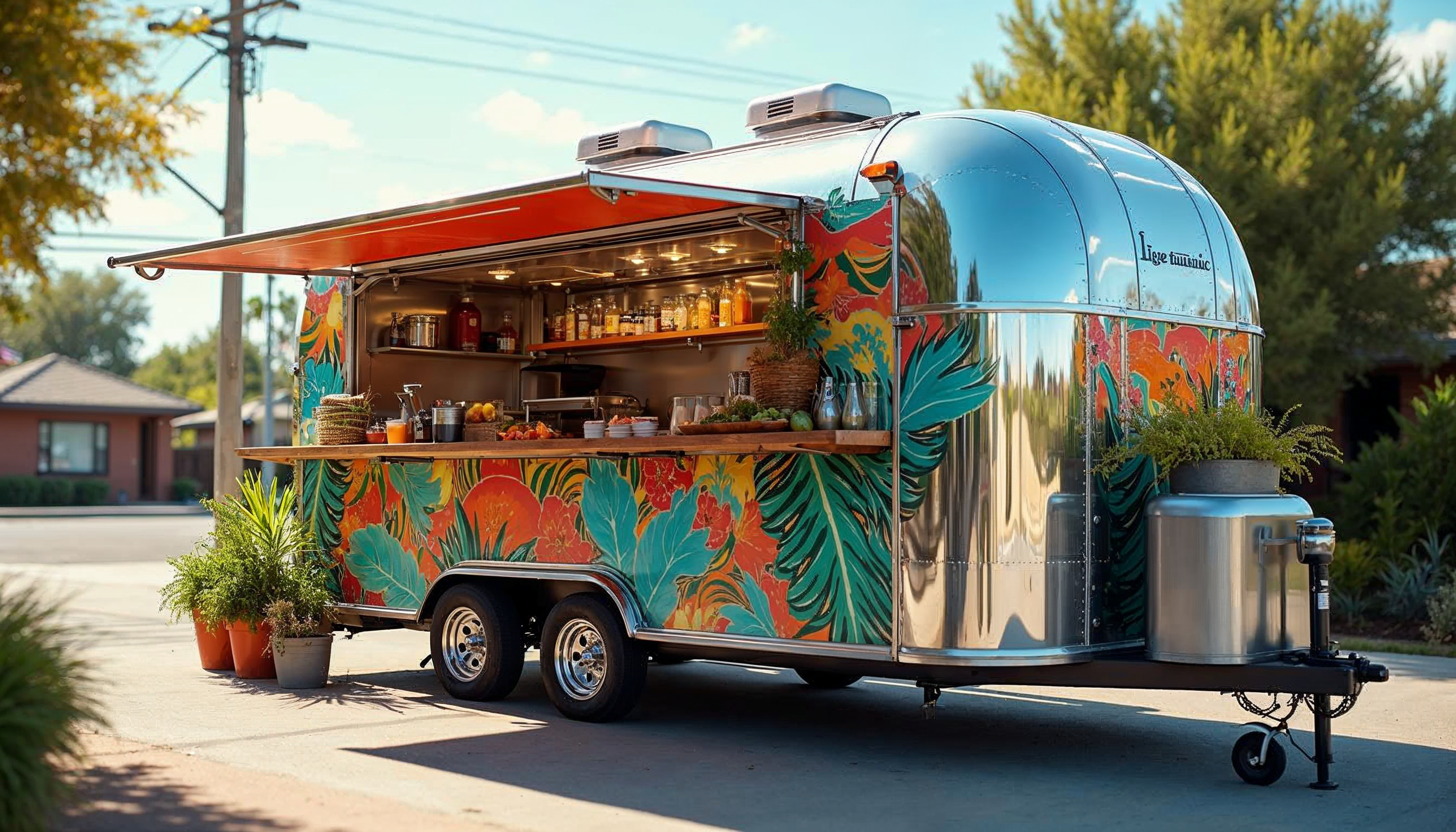
Food trailers have carved out a niche by serving beloved American classics with a twist. Iconic dishes such as hamburgers, hot dogs, and French fries remain staples. However, trailers often elevate these dishes by incorporating gourmet ingredients or unique cooking techniques. For instance, a classic hamburger might be reimagined with artisanal cheese and organic beef. Additionally, trailers offer regional variations like Texas BBQ, New England lobster rolls, and Southern-style fried chicken, appealing to a diverse range of tastes.
The mobility and flexibility of food trailers offer a unique advantage for serving American classics. Unlike stationary restaurants, food trailers can travel to various locations, making it easier to reach a wider audience. This adaptability is crucial in capturing the dynamism of American classic cuisine, which thrives on innovation and accessibility. Furthermore, the lower overhead costs associated with food trailers allow entrepreneurs to experiment with their menus, offering new takes on traditional favorites without the financial risk of opening a full-scale restaurant.
Explore the allure of fast food & American Classics
The evolution of taste preferences means American classics must continually adapt. Modern food trailers are up to the challenge, balancing tradition with trends. Health-conscious consumers may prefer organic ingredients or plant-based alternatives, pushing food trailers to innovate while retaining the essence of classic dishes. For instance, vegetarian or vegan versions of traditional staples allow trailers to tap into broader markets without abandoning the dishes’ authentic flavors. This blend of innovation and tradition keeps American classics relevant and exciting.
American classics include burgers, hot dogs, French fries, fried chicken, and apple pie, among others.
Food trailers have modernized American classics by incorporating gourmet ingredients, embracing sustainability, and offering innovative variations catering to diverse tastes.
The popularity stems from their deep-rooted cultural significance, versatility, and the ability to cater to diverse palates with both traditional and modern twists.
Many food trailers focusing on gourmet burgers, specialty hot dogs, and regional favorites like BBQ and lobster rolls are celebrated for delivering classic American dishes with a contemporary flair.
Shoreline Disconnect Protocol
The Shoreline Disconnect Protocol is the standardized procedure for safely disconnecting a food trailer from a 120V shore power source. Proper execution of this protocol is critical to prevent electrical arcing, equipment damage, or injury when transitioning from a stationary setup to mobile operation. It is commonly followed when vendors depart from locations such as […]
customer feedback
Understanding Customer Feedback Customer feedback serves as a valuable compass for your nachos food trailer, guiding you toward business success. Whether you’re just starting your food truck journey or looking to improve an existing business, harnessing customer insights can significantly impact your operations and profitability. Introduction to Customer Feedback Customer feedback comprises opinions and experiences […]
Craft Beer Food Trailers: Tapping into a Lucrative Niche
In recent years, the craft beer industry has seen significant growth globally. This boom has opened up new opportunities for entrepreneurs interested in joining this thriving sector through innovative approaches, such as craft beer food trailers. Why Craft Beer is Trending Craft beer is not just a beverage; it’s an experience. Consumers today are more […]