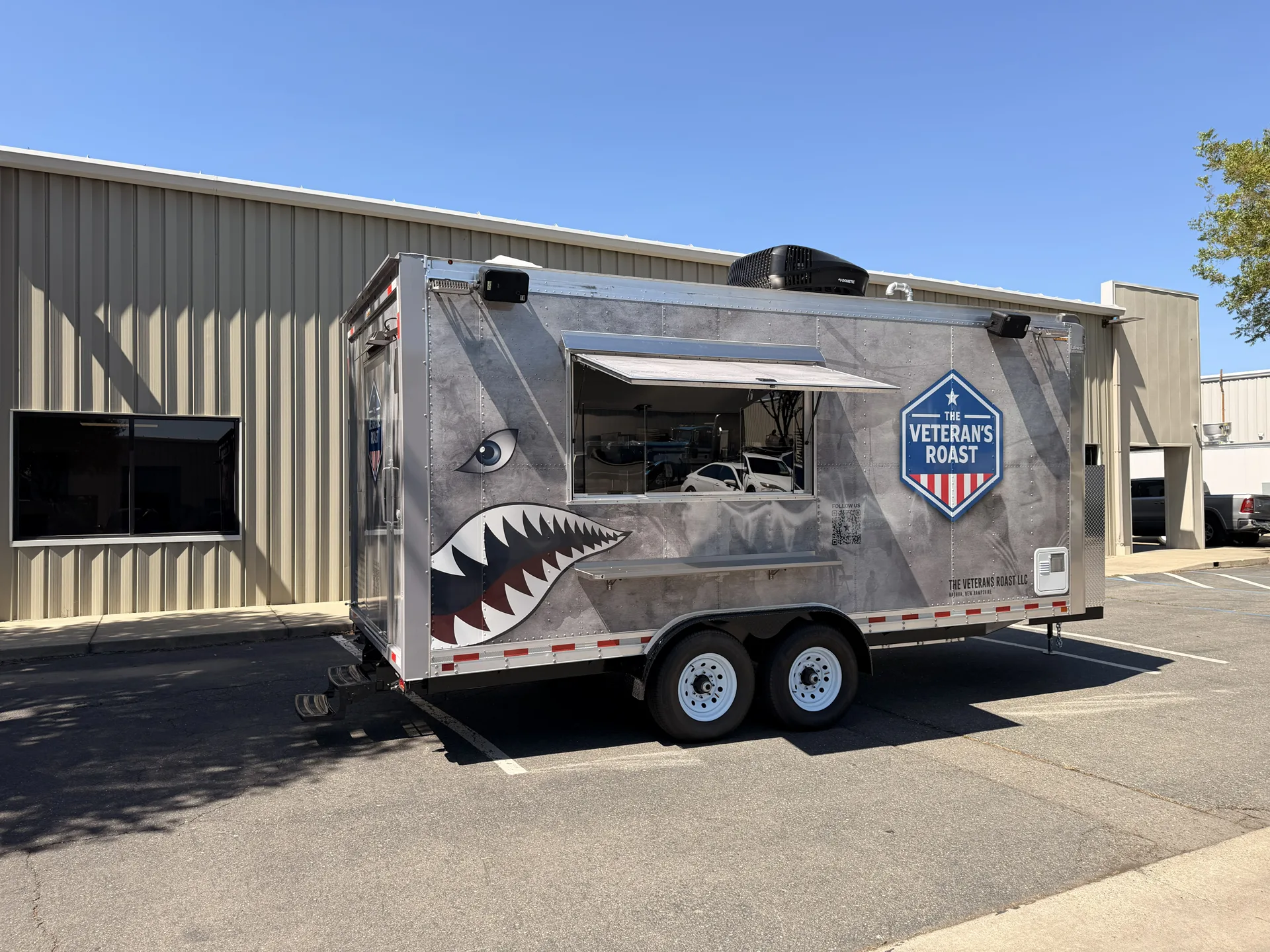
Custom military food trailers and mobile military kitchen systems designed to prepare and serve hot meals during training exercises, field deployments, mobilization sites, temporary base operations, and other environments where permanent dining facilities are unavailable.
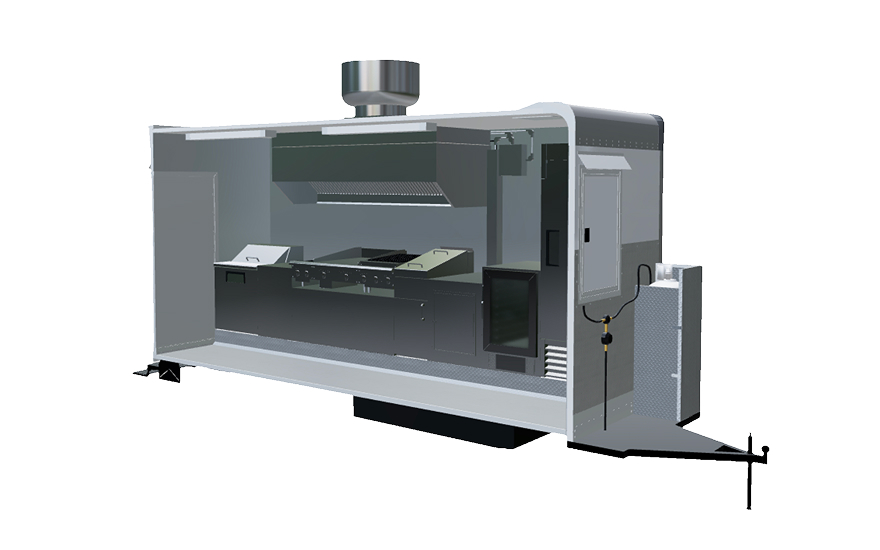
Military food trailers combine commercial cooking equipment, refrigeration systems, water infrastructure, power systems, food preparation areas, and sanitation facilities into a single deployable platform — self-contained field kitchens that establish reliable feeding capability wherever personnel require meal service support.
By integrating commercial kitchen equipment, refrigeration systems, water infrastructure, sanitation facilities, and power solutions into a single trailer, organizations can establish feeding capability closer to personnel while maintaining mobility and operational flexibility. Each trailer is configured around deployment requirements, feeding objectives, personnel levels, utility needs, and operating conditions.
Integrated utility infrastructure allows field feeding operations to function with limited reliance on local facilities while helping simplify deployment, setup, and daily operation. Each system can be configured around specific operational requirements and may include power generation, refrigeration, water storage, sanitation infrastructure, ventilation systems, and commercial kitchen equipment.
Depending on project requirements, systems may include onboard power generation, fresh water storage, wastewater management, refrigeration systems, and other utility infrastructure designed to support operation with limited reliance on local services — keeping hot meal production running wherever the mission requires.
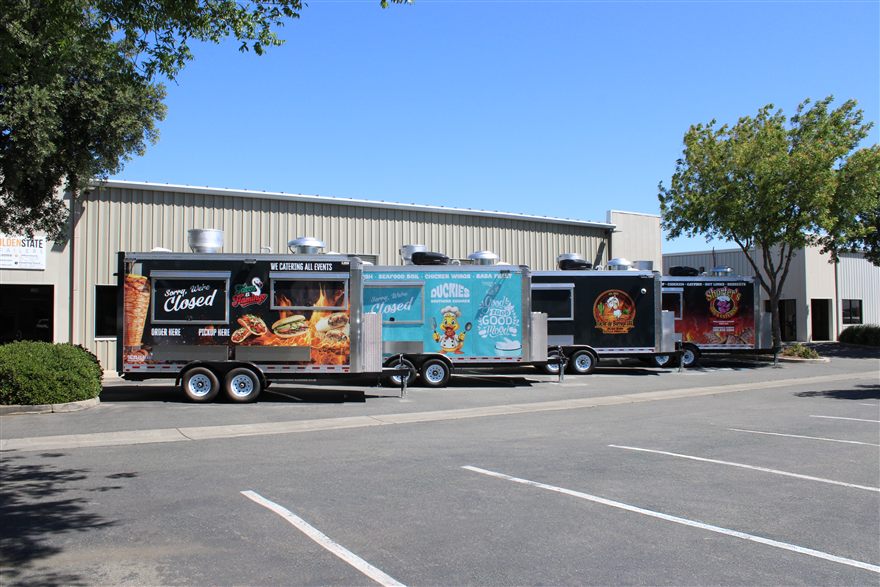
Most systems are built on towable trailer platforms designed for transportation between operating locations. Whether supporting a military training exercise, temporary deployment, mobilization activity, or base support operation, integrated utility systems help simplify setup and deployment once on site.
Military operations often require feeding capability in locations where permanent dining facilities are unavailable or impractical — military food trailers provide a mobile kitchen platform that can be transported directly to training sites, temporary operating locations, mobilization centers, and other field environments where reliable meal service is required.
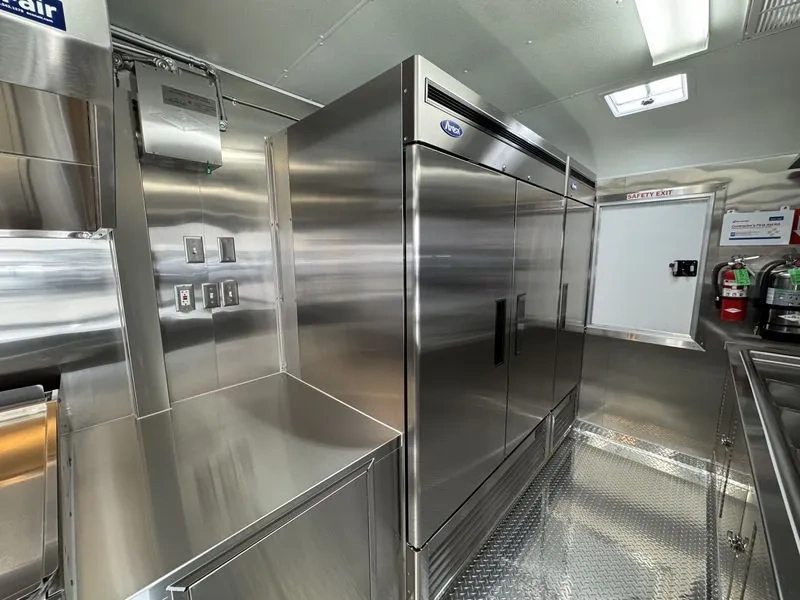
Integrated cooking stations optimized for efficient food production workflows.
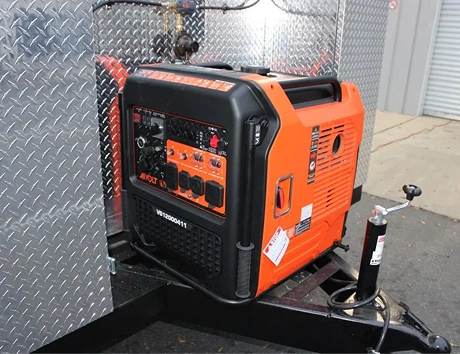
Independent power solutions supporting remote and off-grid operations.
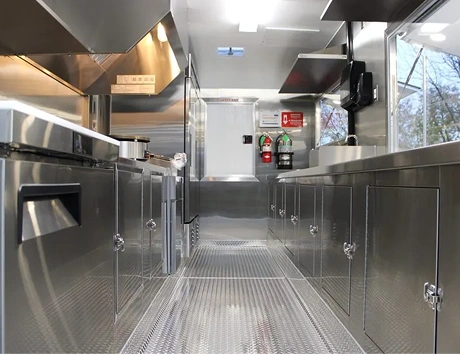
Dedicated workspace designed for efficient food preparation and daily kitchen operations.
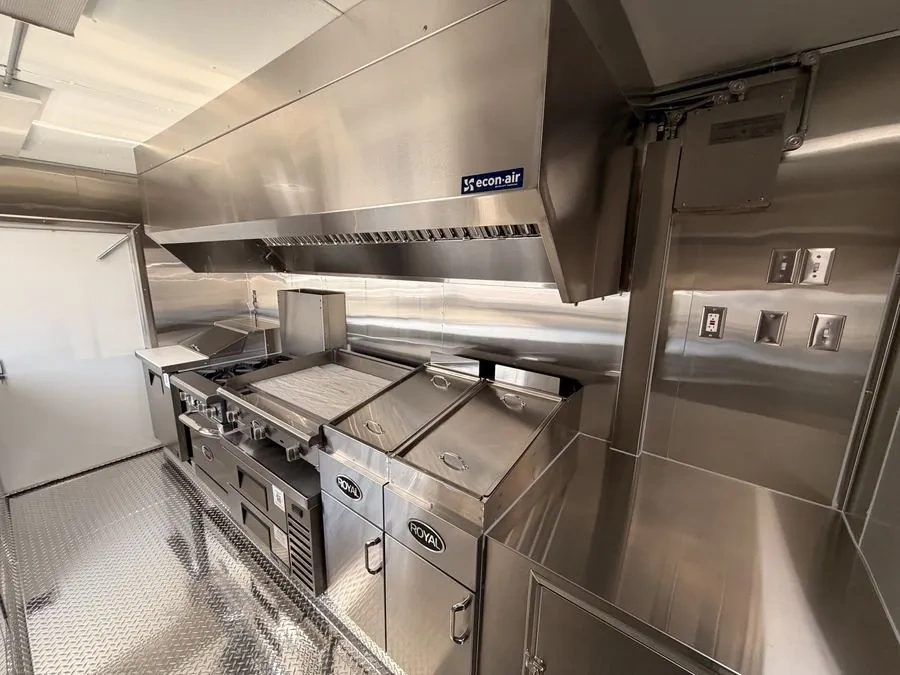
Commercial cooking systems configured for continuous hot meal preparation.
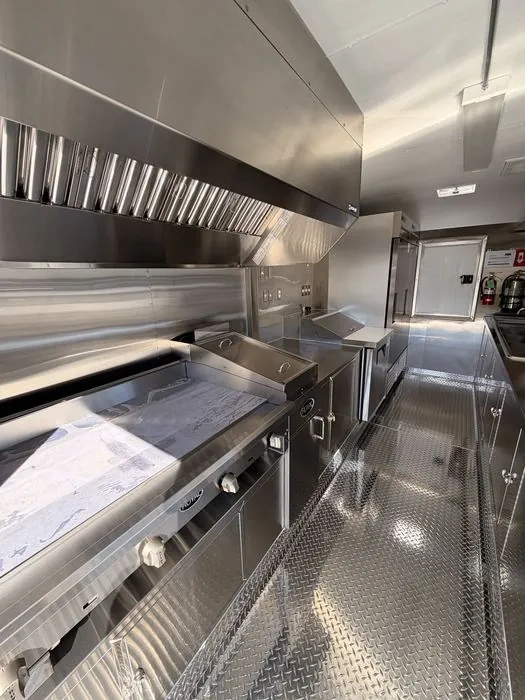
Commercial exhaust and ventilation systems supporting safe cooking operations.
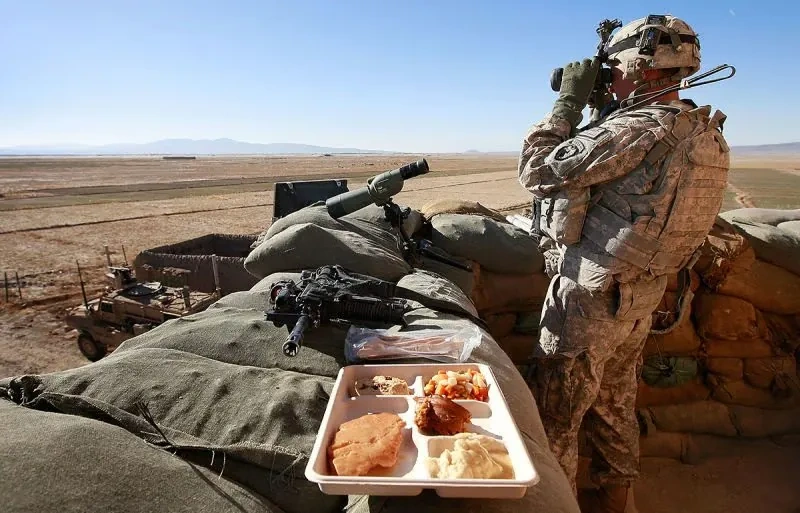
Training exercises, temporary deployments, mobilization sites, and remote operations frequently occur in locations where permanent food service facilities are unavailable — a mobile military kitchen positions food preparation and meal service closer to personnel, reducing transportation requirements and simplifying logistical coordination.
Instead of transporting personnel to a centralized dining facility, military food trailers bring feeding capability directly to the operational environment, with dependable access to meal preparation, food storage, and food service infrastructure wherever personnel are located.
Military food trailers are designed as complete operational systems rather than simple transport platforms — integrated utility infrastructure lets field feeding operations run with limited reliance on local facilities while simplifying deployment, setup, and daily operation.
Commercial-grade power for cooking, refrigeration, and lighting.
Cold storage sized for extended field operations.
Fresh water, wastewater, and sanitation in one platform.
Commercial hood systems for safe continuous cooking.
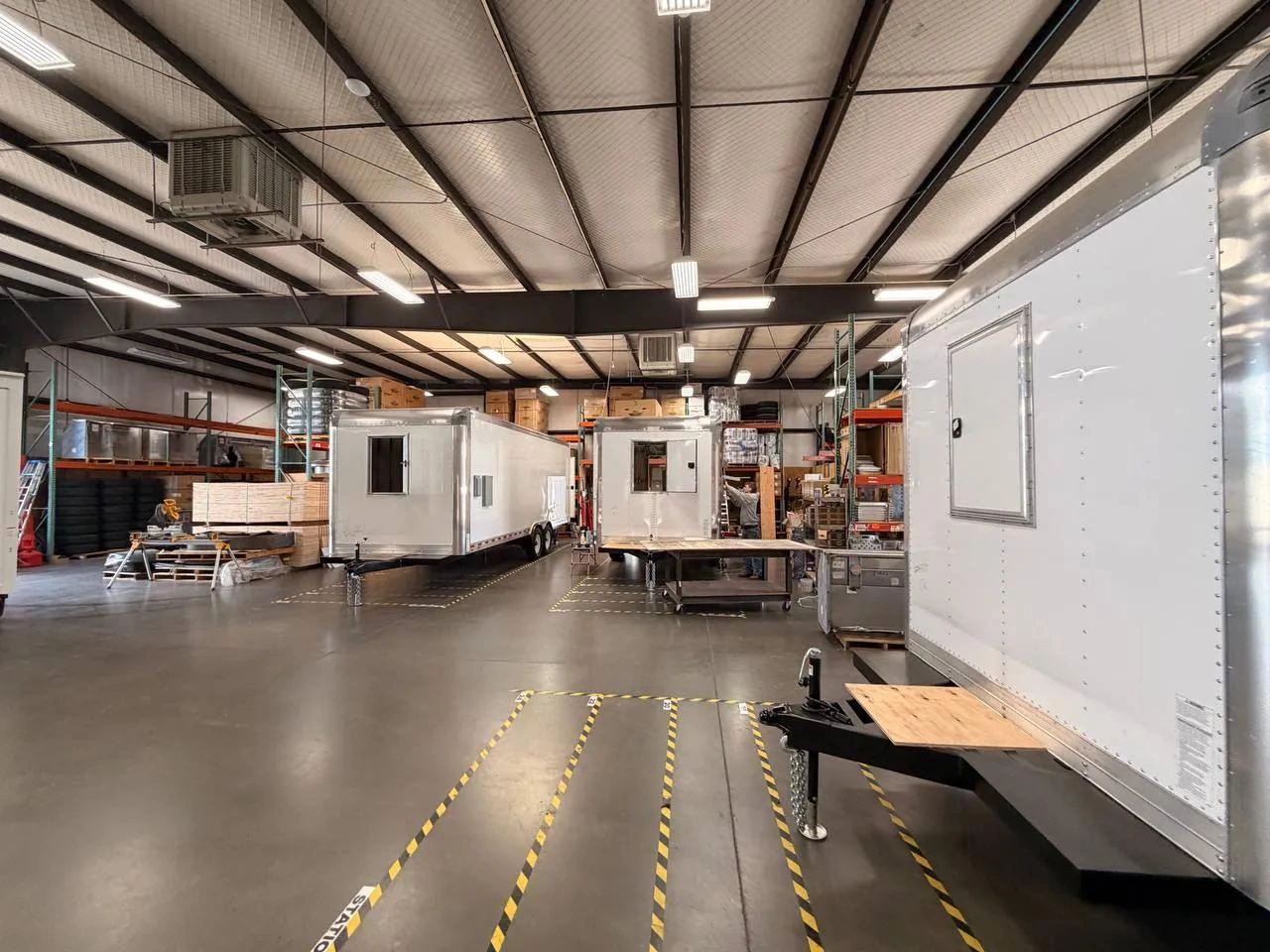
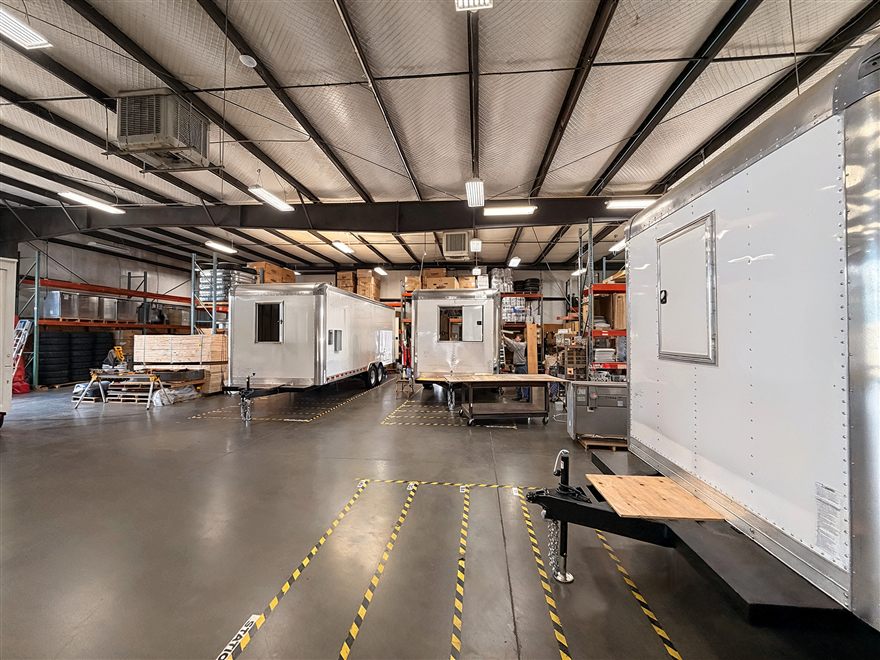
Golden State Trailers designs and manufactures custom mobile kitchen systems using integrated trailer fabrication, commercial kitchen installation, utility system engineering, and custom manufacturing processes.
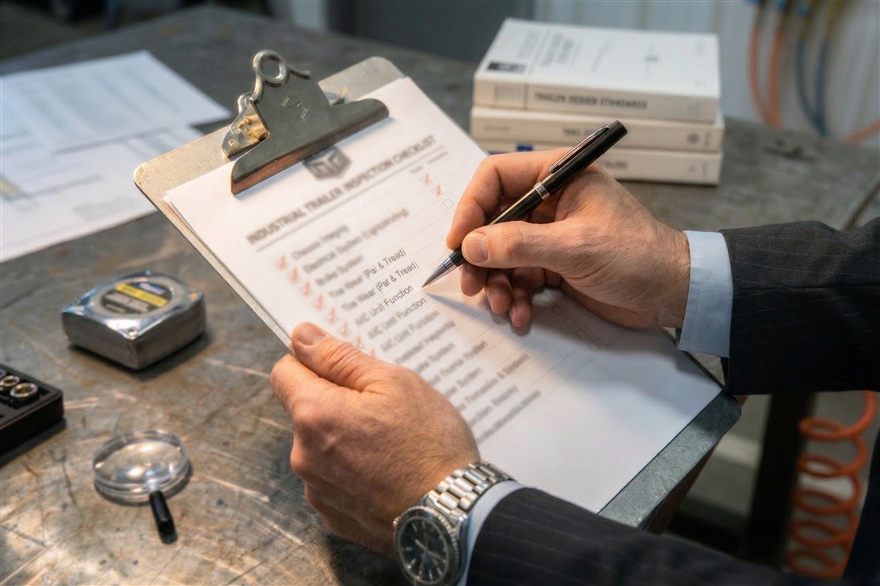
Every project undergoes requirements review, layout development, utility integration planning, fabrication, equipment installation, testing, and final inspection before delivery — so each trailer is developed around operational objectives while maintaining long-term reliability, durability, and serviceability.
 01
01
 02
02
 03
03
 04
04
 05
05
 06
06
Military food trailers must withstand transportation, environmental exposure, repeated deployment cycles, and intensive daily operation — construction quality, equipment integration, maintenance accessibility, and utility system reliability all contribute to long-term operational value and reduced lifecycle costs.
Heavy-duty fabrication engineered for repeated transport, setup, and teardown rather than stationary installation.
Stainless steel and treated materials selected for the surfaces exposed to water, heat, and daily cleaning.
Materials and finishes selected against the temperature range and exposure conditions of the deployment environment rather than a general specification.
Access panels and service points positioned during layout development, so inspection and routine maintenance can be completed without removing the unit from service.
Electrical, gas, water, and ventilation engineered as a single system against the specified equipment list, so capacity holds when all equipment operates simultaneously.
Health Department and local code requirements accounted for during design, which reduces inspection risk, delivery delays, and rework.
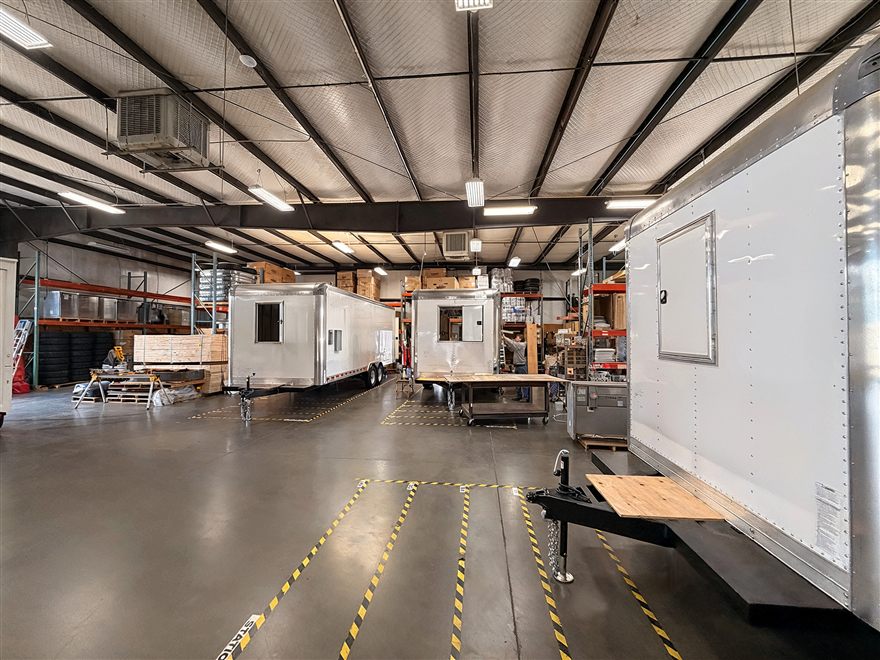
Military food trailers require more than a trailer chassis — they require commercial kitchen expertise, utility system engineering, equipment integration, and durable construction working together as one platform, designed, fabricated, and assembled in-house at our California manufacturing facility.
We compiled a list of answers to address common questions about military food trailers and our manufacturing process.
Feeding capacity depends on personnel levels, meal schedules, menu requirements, available staffing, equipment selection, and operational objectives. Each trailer is configured around specific project requirements.
Yes. Depending on project requirements, systems may include onboard power generation, fresh water storage, wastewater management, refrigeration systems, and other utility infrastructure designed to support operation with limited reliance on local services.
Yes. Equipment packages, utility systems, storage capacity, workflow layouts, and operational configurations can be tailored to specific mission requirements.
Configurations may include generators, shore power connections, refrigeration systems, water storage, wastewater management, sanitation infrastructure, ventilation systems, and commercial kitchen equipment.
Applications may include military training exercises, field deployments, mobilization sites, temporary base operations, National Guard activities, reserve training operations, and logistics support missions.
Most systems are built on towable trailer platforms designed for transportation between operating locations. Integrated utility systems help simplify setup and deployment once on site.
Organizations typically provide personnel levels, deployment duration, feeding objectives, utility requirements, mobility needs, operating conditions, and preferred equipment configurations.
Project timelines vary depending on trailer size, equipment selection, utility requirements, and customization scope. Project-specific timelines are discussed during the planning process.
Tell us about your deployment environment, feeding objectives, personnel requirements, mobility needs, utility requirements, and operational goals. Our team will help develop a military food trailer solution configured around your specific mission requirements.
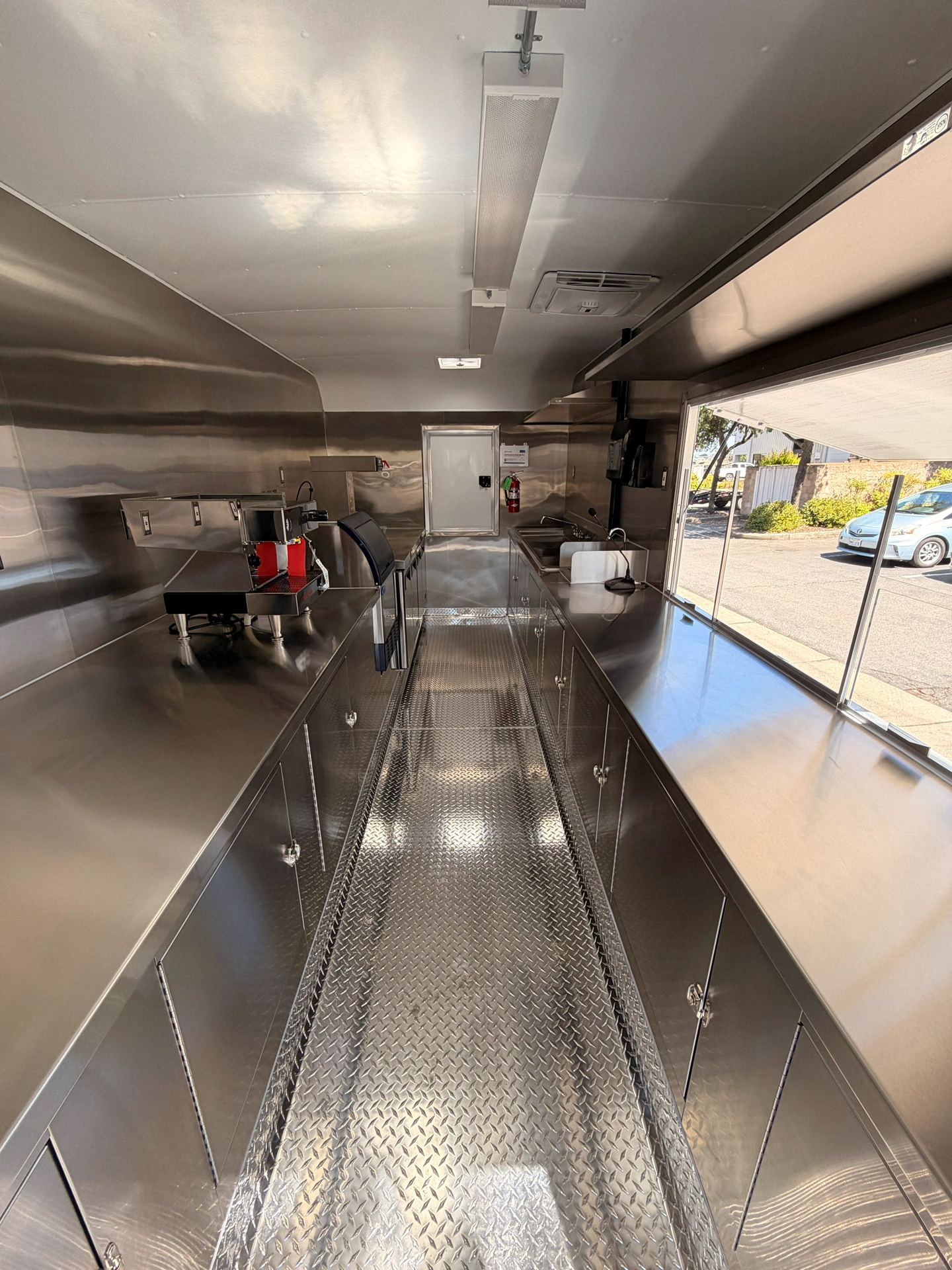
By integrating commercial kitchen equipment, refrigeration systems, water infrastructure, sanitation facilities, and power solutions into a single trailer, organizations can establish feeding capability closer to personnel while maintaining mobility and operational flexibility. Each trailer is configured around deployment requirements, feeding objectives, personnel levels, utility needs, and operating conditions.
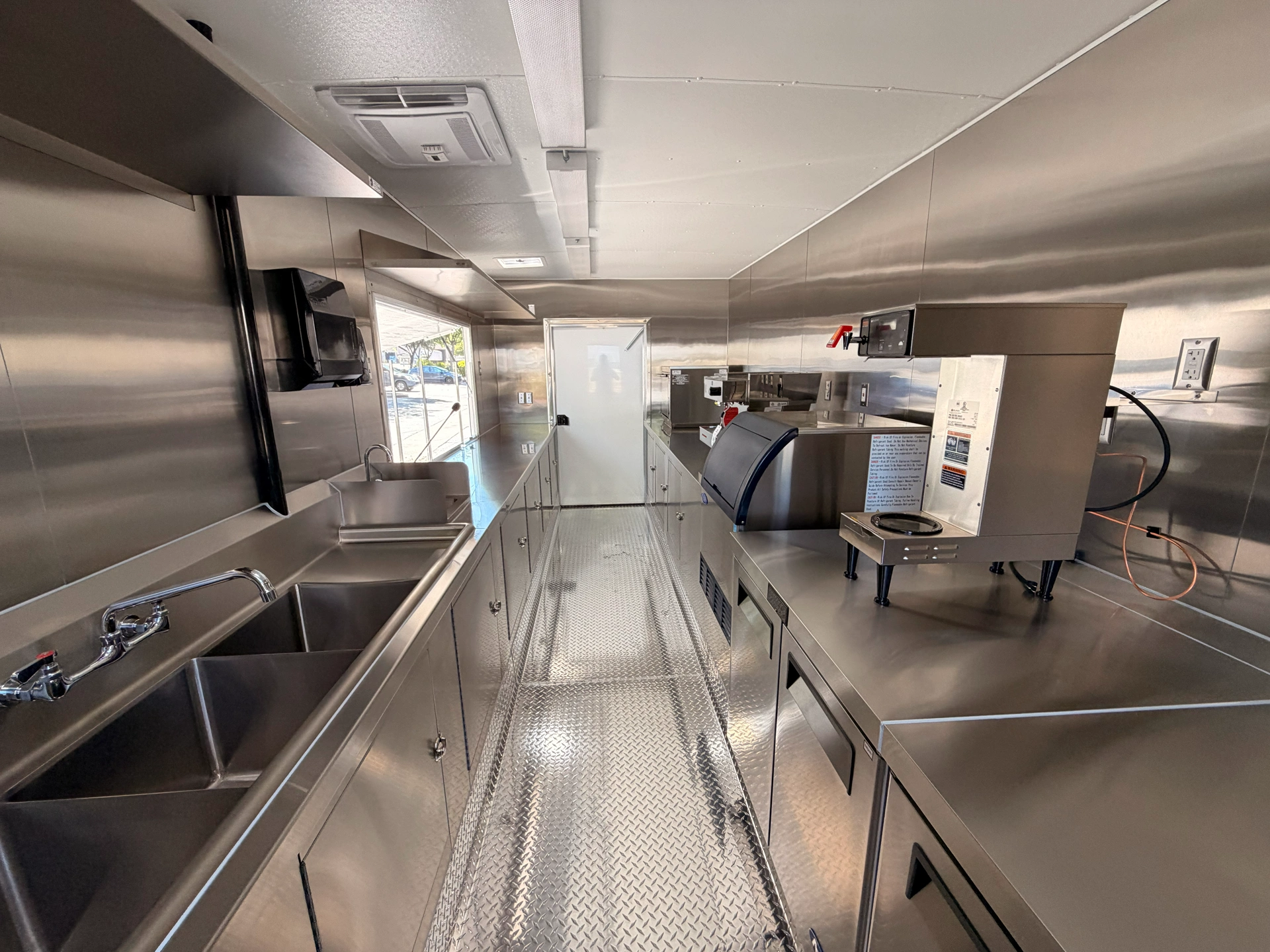
Integrated utility infrastructure allows field feeding operations to function with limited reliance on local facilities while helping simplify deployment, setup, and daily operation. Each system can be configured around specific operational requirements and may include power generation, refrigeration, water storage, sanitation infrastructure, ventilation systems, and commercial kitchen equipment.
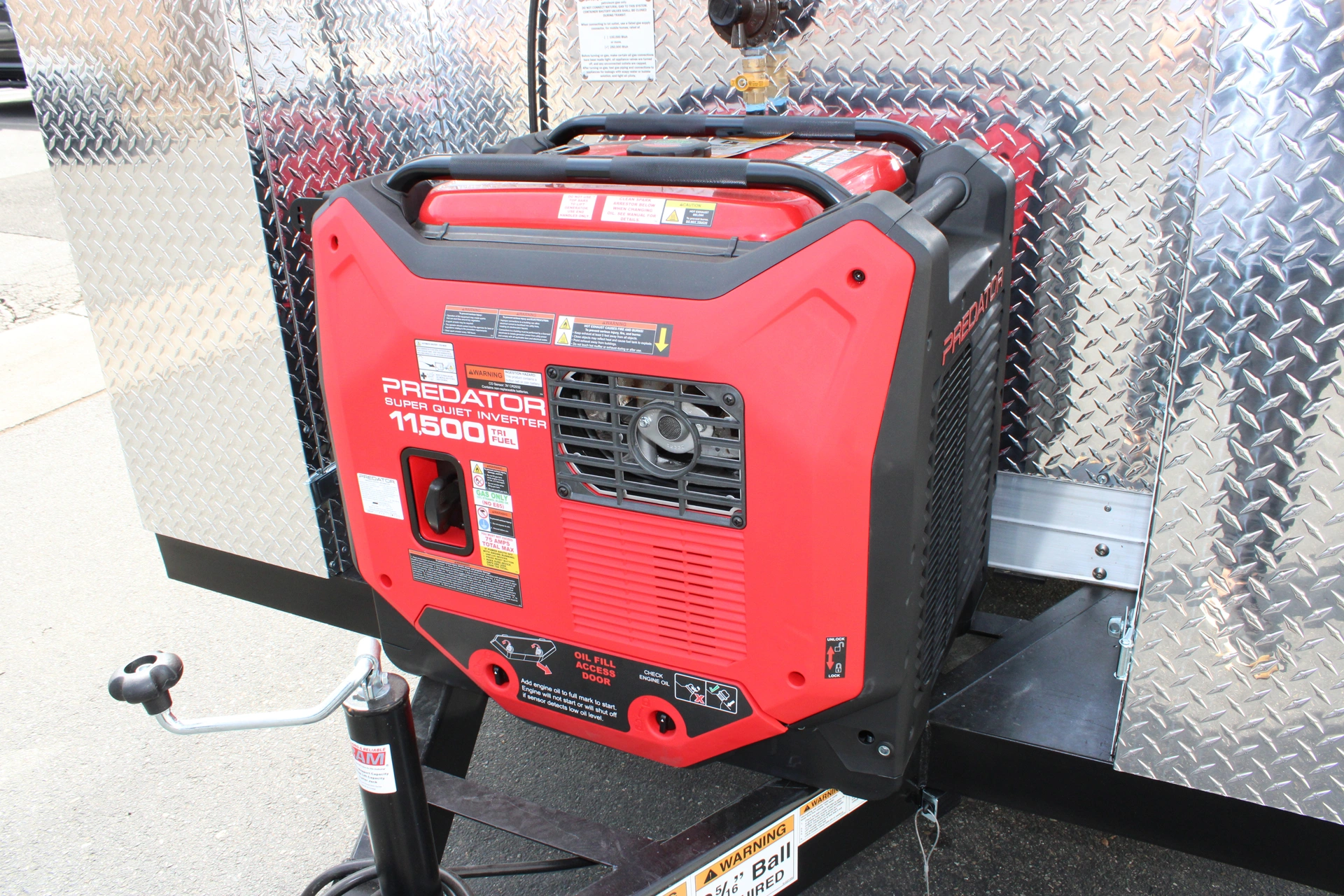
Depending on project requirements, systems may include onboard power generation, fresh water storage, wastewater management, refrigeration systems, and other utility infrastructure designed to support operation with limited reliance on local services — keeping hot meal production running wherever the mission requires.
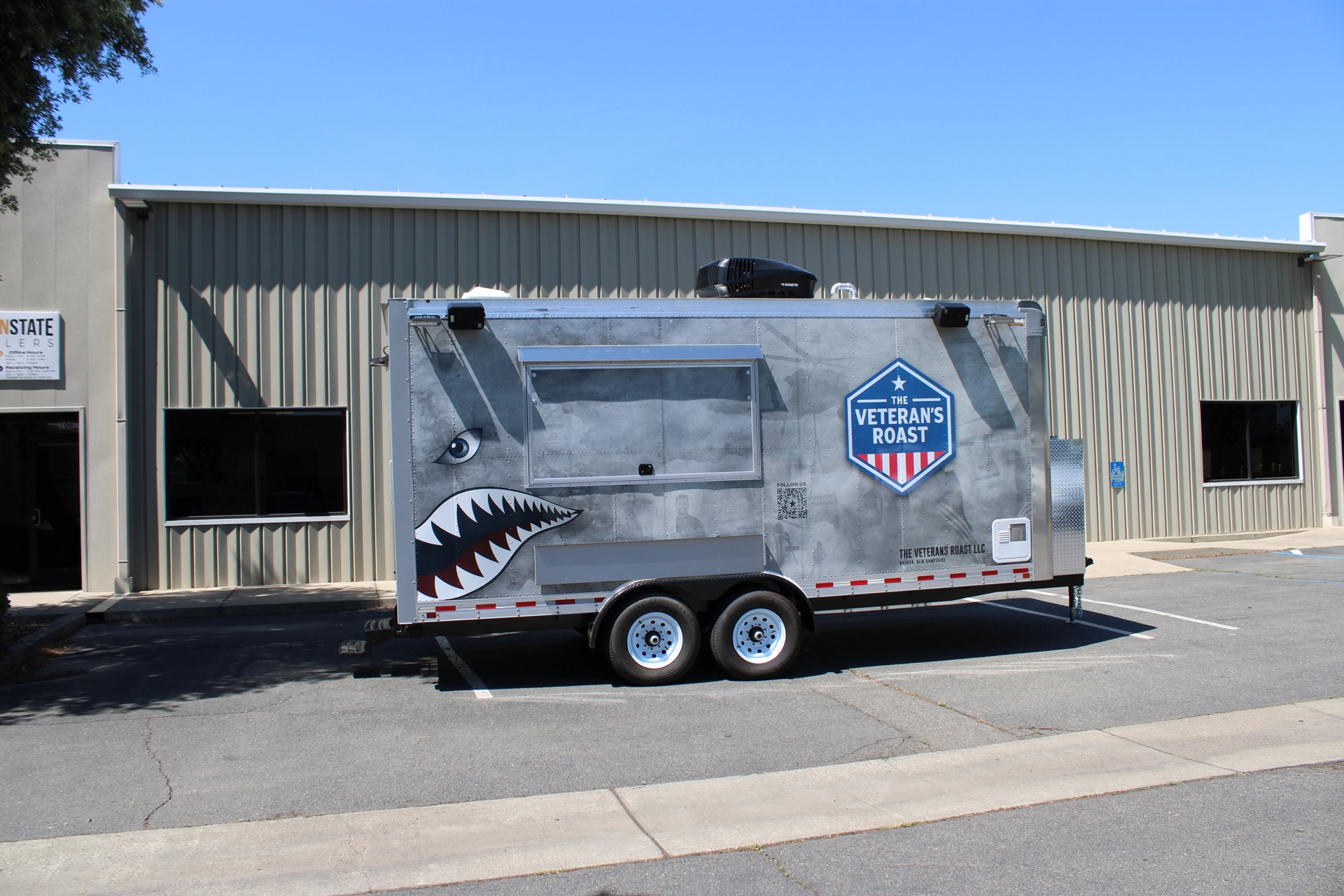
Most systems are built on towable trailer platforms designed for transportation between operating locations. Whether supporting a military training exercise, temporary deployment, mobilization activity, or base support operation, integrated utility systems help simplify setup and deployment once on site.
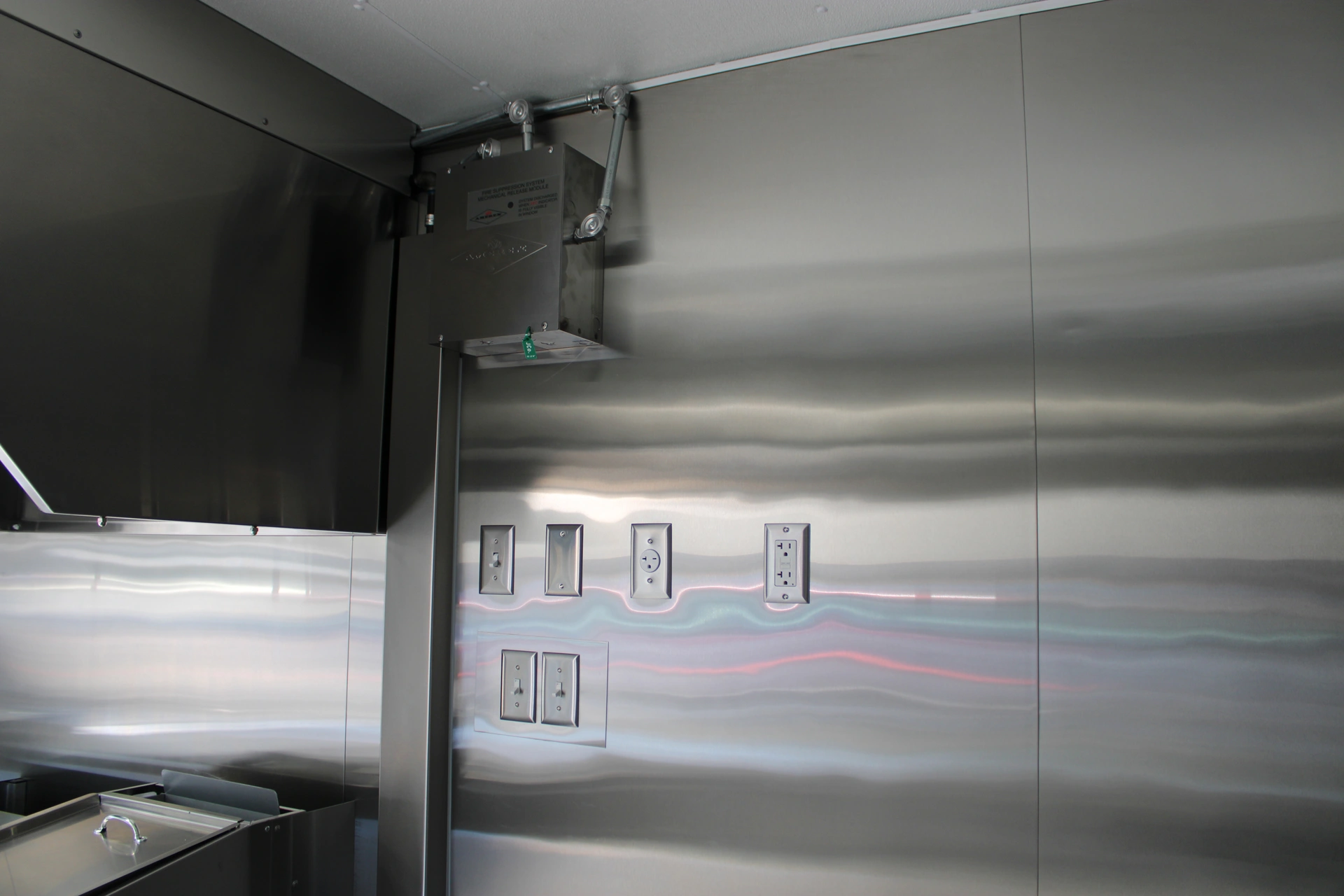
Commercial-grade electrical infrastructure designed to support cooking equipment, refrigeration systems, lighting, ventilation, and other operational requirements. Panels, wiring, and outlets are sized around the specific equipment load of each configuration, so every system runs at once without tripped breakers.
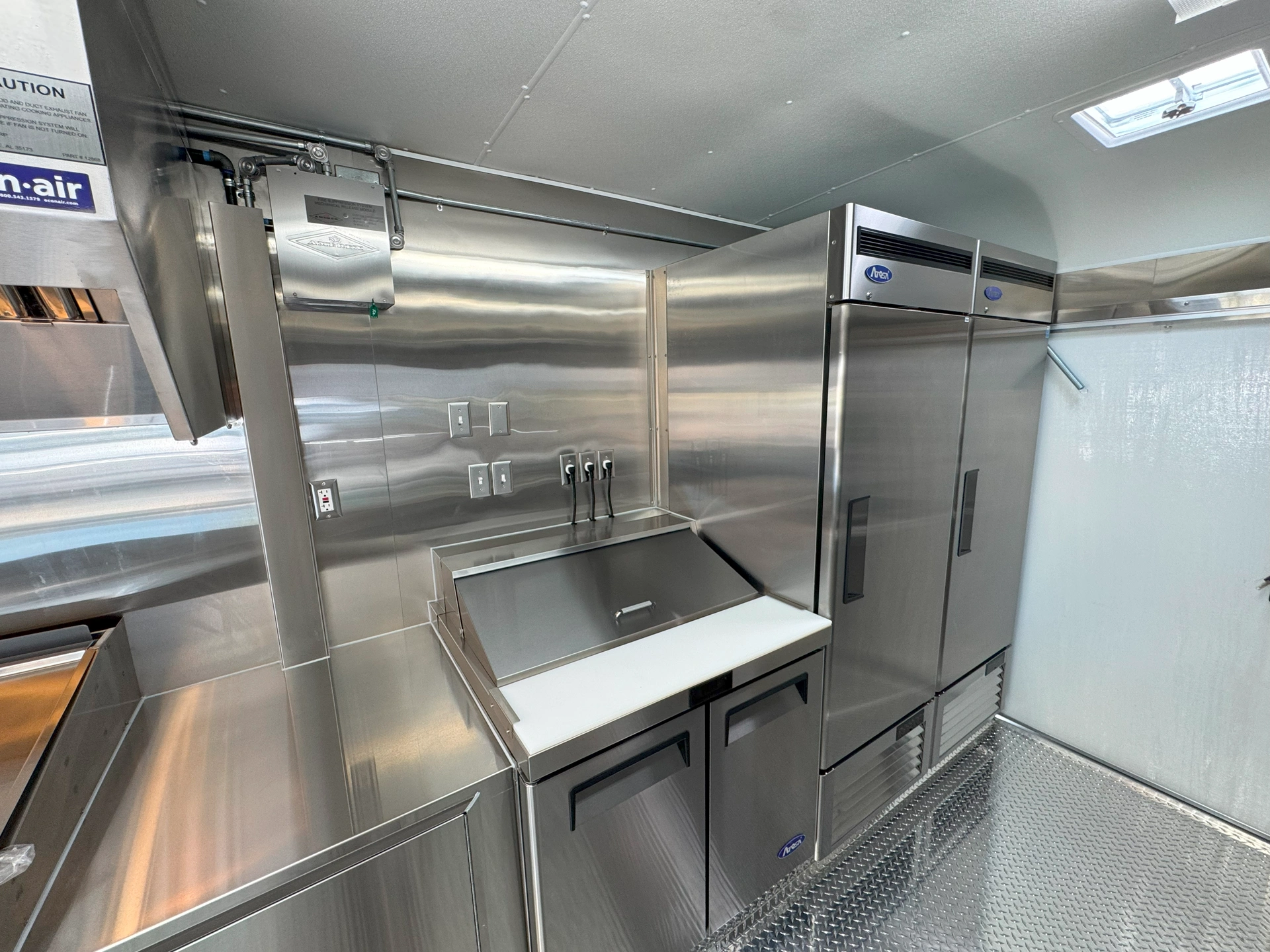
Commercial refrigeration equipment designed to support ingredient storage, food preservation, and operational continuity during extended field activities. Capacity is sized to feeding objectives and mission duration, holding safe temperatures through a full service day.
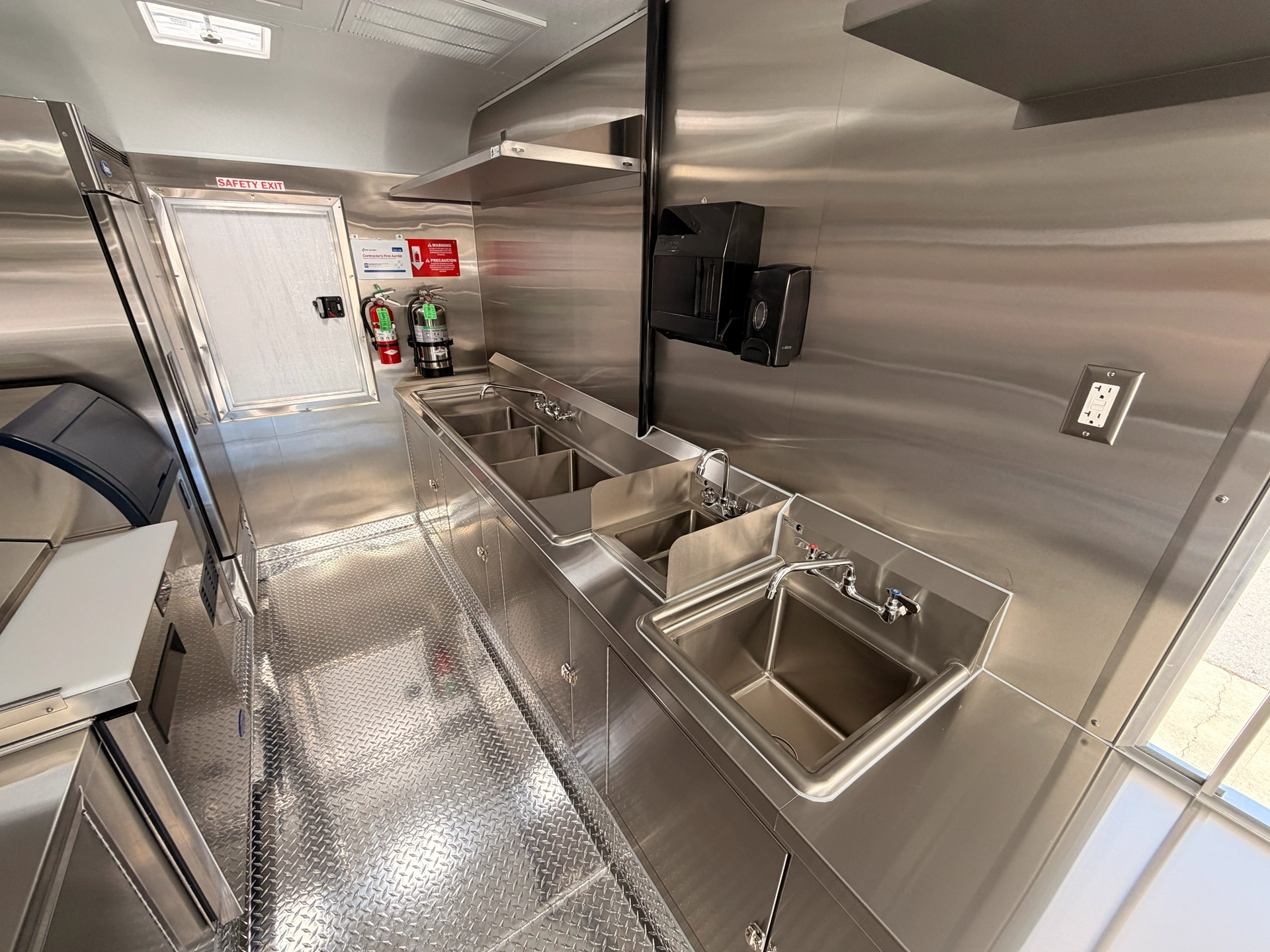
Fresh water storage, wastewater management, sinks, handwashing stations, and pressurized water delivery systems integrated into a single platform — engineered around field sanitation requirements so daily kitchen operation stays compliant away from fixed infrastructure.
Integrated ventilation solutions designed to support cooking operations while helping manage heat, airflow, and indoor working conditions during continuous meal production — commercial hood systems sized to the cooking line they serve.