Coffee carts have transformed from simple mobile stands into full professional micro coffee shops capable of serving high quality espresso, milk based drinks, cold beverages and specialty menu items. They offer one of the easiest and most affordable ways to enter the coffee industry, especially for entrepreneurs, baristas and small business owners who want to launch fast and keep startup costs manageable. This detailed guide explains everything you need to know about choosing a coffee cart, equipment requirements, licensing, workflow, marketing, pricing, profitability and long term growth strategies.
A coffee cart is a compact mobile station designed for brewing and serving coffee in high traffic indoor and outdoor environments. Unlike full sized food trucks or brick and mortar coffee shops, a coffee cart allows you to operate flexibly, move between locations, and start with significantly lower financial risk. Many entrepreneurs choose a coffee cart because it delivers professional performance without the overhead of traditional cafes.
Coffee carts typically include a commercial espresso machine, grinders, refrigeration, water tanks, storage, and a counter setup that supports a full barista workflow. They are used in malls, offices, hospitals, hotels, universities, outdoor markets, parks, festivals, and private events.
The demand for high quality coffee continues to rise, and customers expect convenience without sacrificing taste. Coffee carts bridge that gap by bringing the coffee experience directly to consumers wherever they are. Here are the main reasons this model grows each year.
A traditional coffee shop requires tens of thousands of dollars for rent, renovations, plumbing, seating, and equipment. A coffee cart requires a fraction of that. This low barrier makes it ideal for first time business owners and baristas ready to operate independently.
Most entrepreneurs can launch a coffee cart within weeks instead of months. You only need a cart, equipment, permits, and a location. There is no construction, no interior design, and no large lease agreement holding you back.
One of the biggest strengths of a coffee cart is mobility. You can operate in different places throughout the week: an office district in the morning, a college campus at noon, and a farmers market on weekends. This flexibility helps you identify your highest revenue hours and most profitable customer segments.
Coffee offers some of the highest margins in the food and beverage industry. Even with ingredient cost increases, the profit per drink remains strong. With a consistent location and well designed workflow, a coffee cart can generate daily volumes that rival small cafes.
Location selection determines whether your coffee cart succeeds or struggles. The key is to operate where people move predictably and in large numbers. Here are proven high performance locations for mobile coffee operations.
Office workers create predictable morning and afternoon peaks. Many buildings allow indoor coffee carts in lobbies or designated areas, especially when they lack an on site cafe.
Malls have constant flow and controlled indoor environments that support year round operations. Coffee carts in malls often outperform typical kiosks due to mobility and lower overhead.
Staff, patients, and visitors create continuous demand throughout the day. Hospitals often welcome independent vendors, especially those offering premium drinks.
Students seek affordable, fast specialty coffee. Camps offers high traffic patterns with defined peak hours between classes.
Weekend markets, fairs, weddings, and sports events are highly profitable due to impulse buying and minimal competition.
Selecting the right cart is one of the most important decisions you will make. Not all carts are designed for professional espresso use, and choosing incorrectly may lead to technical issues or health department rejections.
Consider the type of service you want to offer. A full espresso menu requires more space for grinders, milk storage, and workflow organization. Ensure your cart can support a commercial machine and has appropriate counter height for barista comfort.
A proper coffee cart needs fresh and waste water tanks with food grade components, a pump, and a sink that meets your city’s health code. Some regions require hot and cold water, while others allow simplified systems. Always verify requirements before purchase.
Espresso machines consume significant power. Make sure your cart supports the voltage and amperage required for your machine. Many operators use 110V equipment, but commercial grade machines may require 220V with special wiring.
The best carts use stainless steel, aluminum, and composite panels. These materials are lightweight, durable, and easy to sanitize. Avoid wooden structures or cheap materials that warp under constant moisture and heat.
Some entrepreneurs prefer modular food cart structures that allow switching concepts. If you want flexibility, explore food carts that can be equipped as a coffee cart or repurposed for other beverages or food items.
Professional quality equipment ensures consistent taste, efficient workflow, and reliable service. Here are the essentials to consider.
A one group machine is enough for moderate traffic, but a two group machine is recommended for busy locations. Look for energy efficient models with fast heat up times.
A high quality burr grinder ensures consistency. Many operators carry a primary grinder for espresso and a secondary one for decaf or specialty beans.
Milk needs to stay at safe temperatures. Choose compact refrigerators built for mobile vendors, not household models.
Poor water quality destroys espresso taste and damages machines. Use filtration systems that match your local water hardness.
Your cart should have organized storage for syrups, cups, lids, stirrers, cleaning supplies, and backup ingredients.
Startup investment varies by region, equipment choices and customization. Below are common cost ranges.
Coffee cart: 2500 to 9000 USD depending on size and materials.
Espresso machine: 3000 to 12000 USD depending on brand and capacity.
Grinders: 600 to 2000 USD.
Refrigeration: 400 to 1500 USD.
Permits and licenses: 100 to 500 USD.
Initial inventory: 300 to 1000 USD.
Marketing and branding: 200 to 1500 USD.
You can start lean and scale gradually as your revenue grows.
A coffee cart must be organized efficiently to serve customers quickly and keep the barista comfortable during rush periods. Plan your workflow from left to right or front to back, depending on your cart design. Keep frequently used items within arm’s reach. Store backup supplies below the counter.
Make sure the steaming station, grinder, and espresso machine form a natural circular motion that reduces unnecessary movement.
Your menu should focus on drinks you can prepare quickly and consistently. Popular items include espresso, americano, lattes, cappuccinos, mochas, cortados and cold beverages. Signature drinks with flavored syrups or seasonal ingredients can help you stand out.
Avoid overly complex drinks that slow down service or require equipment you cannot fit in your cart.
Marketing is essential even for high traffic locations. A simple but effective marketing plan may include:
Completing your Google Business Profile.
Posting daily schedules and updates on Instagram.
Partnering with offices or gyms for recurring service.
Offering loyalty cards or digital reward programs.
Using simple brand visuals such as banners, signs and clear menus.
Mobile businesses grow faster when they stay visible online and on site.
Licensing depends on your city or county, but common requirements include:
Business license.
Mobile food vendor permit.
Health department inspection.
Commissary kitchen agreement in some regions.
Fire department inspection if required.
Always check local regulations early because approval times vary widely.
Yes. Many coffee carts generate strong daily revenue with low operating costs. Profit margins between 60 and 75 percent are common when you control inventory and choose strong locations. Success depends on consistency, workflow efficiency, menu design, and customer service.
Once your first cart is successful, scaling becomes much easier. You can add more carts, operate in multiple locations, or expand into catering and events. Some owners eventually open brick and mortar cafes using revenue from their mobile operations.
A coffee cart is one of the most flexible, profitable, and low risk ways to enter the specialty coffee industry. With the right cart, equipment, workflow and marketing strategy, you can build a strong, recognizable mobile brand that customers trust and look for in their daily routine. Whether you serve at offices, markets, malls, hospitals, or events, a well designed coffee cart gives you the freedom to grow on your own terms while keeping startup and operating costs manageable.
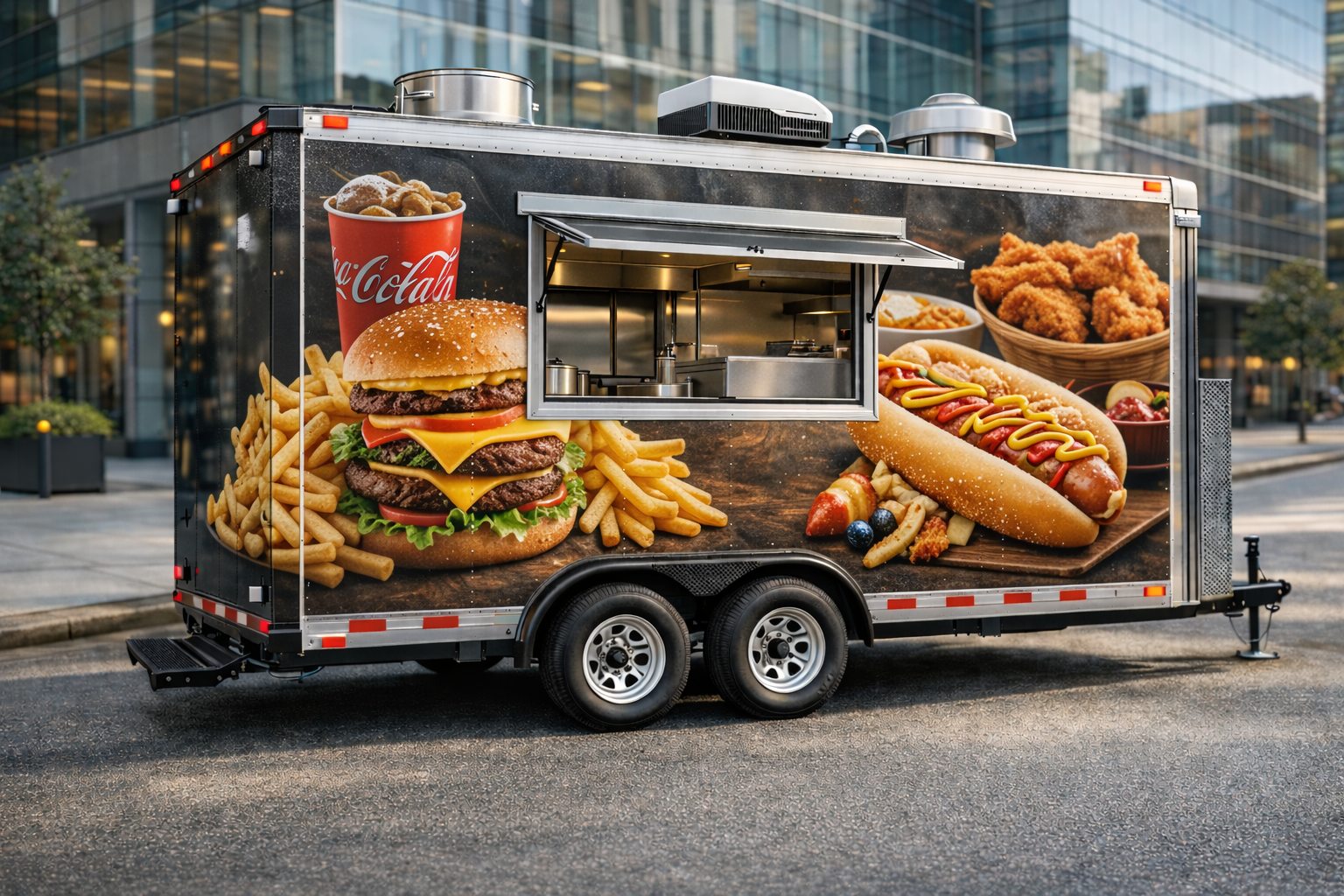
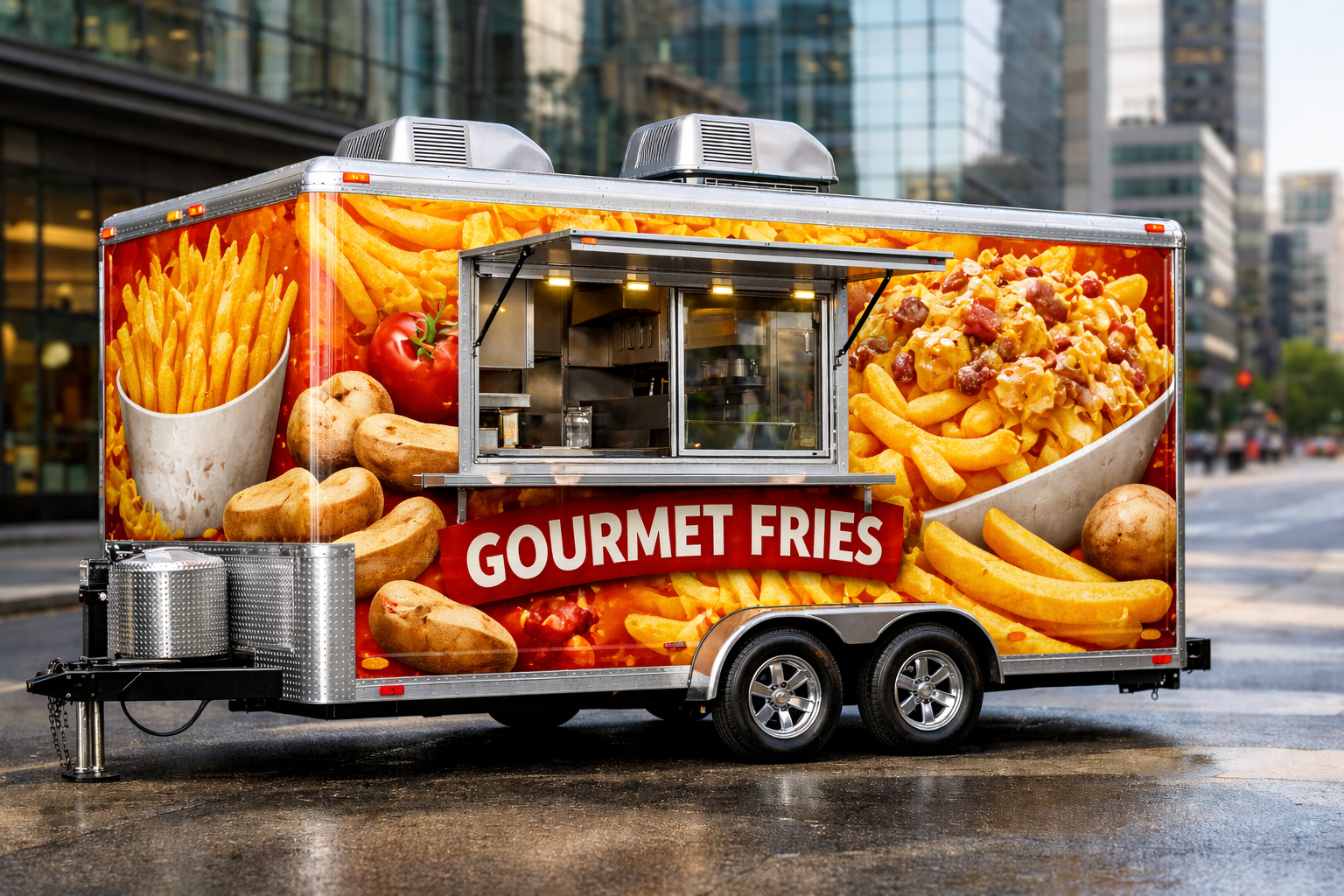 Hidden risks and better alternatives to used Fries Food Trailers for sale
Thinking about a used fries food trailer for sale? Learn the hidden risks of used food trailers, why loaded fries concepts need purpose-built layouts and how the right trailer design protects speed, safety and profits. Why used Fries Food Trailers can cost more than you expect? Entrepreneurs searching for used fries food trailers for sale […]
Hidden risks and better alternatives to used Fries Food Trailers for sale
Thinking about a used fries food trailer for sale? Learn the hidden risks of used food trailers, why loaded fries concepts need purpose-built layouts and how the right trailer design protects speed, safety and profits. Why used Fries Food Trailers can cost more than you expect? Entrepreneurs searching for used fries food trailers for sale […]
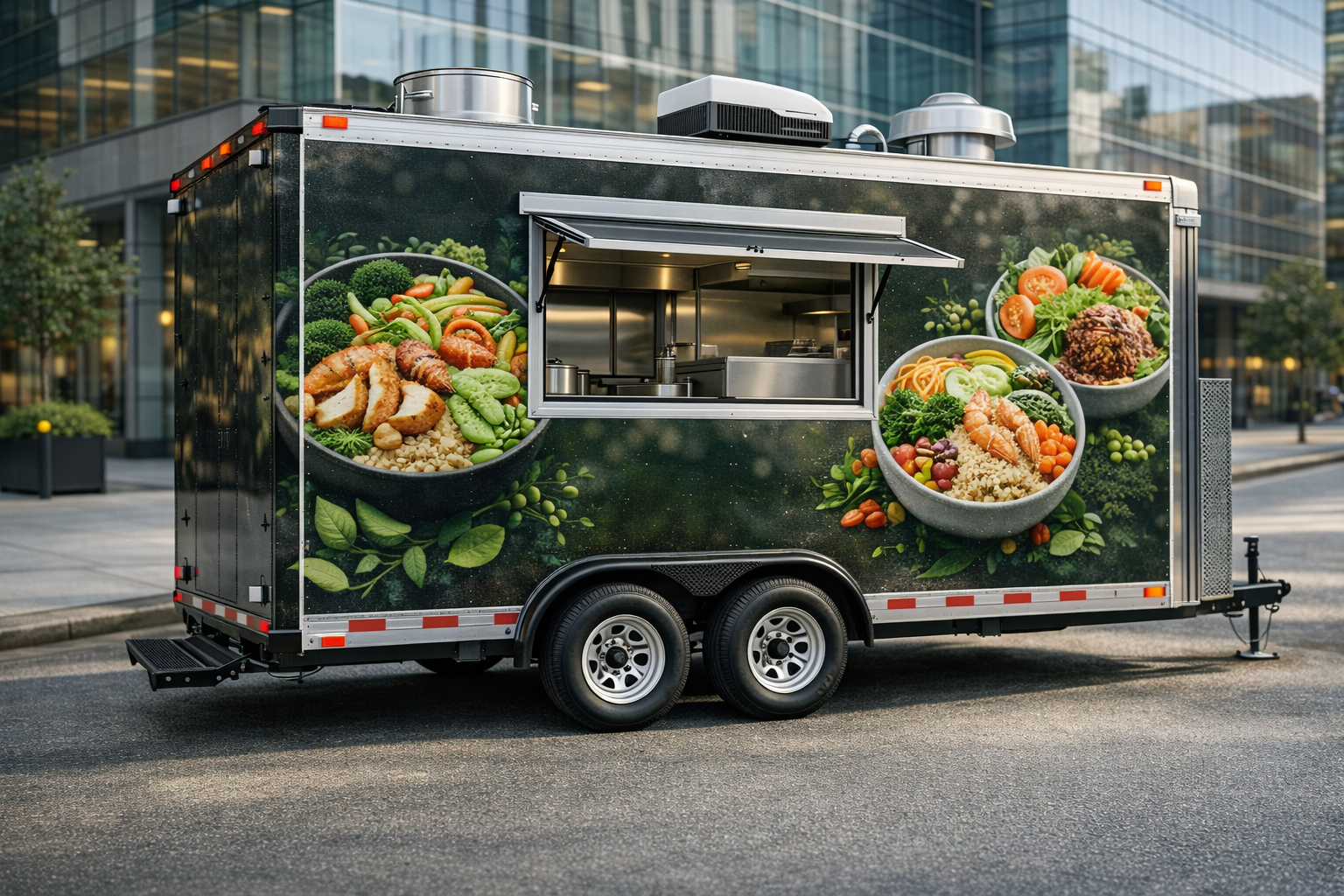 The Rise of Healthy Bowl Food Trailers: A Fresh Business Opportunity
The food industry is constantly evolving, with trends emerging that cater to the ever-changing tastes and preferences of consumers. Among these, Healthy Bowl Food Trailers have become a formidable player in the mobile dining arena. These trailers offer a range of nutritious and delicious meal options, appealing to health-conscious patrons looking for convenience without compromising […]
Hidden risks and better alternatives to used Fries Food Trailers for sale
Thinking about a used fries food trailer for sale? Learn the hidden risks of used food trailers, why loaded fries concepts need purpose-built layouts and how the right trailer design protects speed, safety and profits. Why used Fries Food Trailers can cost more than you expect? Entrepreneurs searching for used fries food trailers for sale […]
The Rise of Healthy Bowl Food Trailers: A Fresh Business Opportunity
The food industry is constantly evolving, with trends emerging that cater to the ever-changing tastes and preferences of consumers. Among these, Healthy Bowl Food Trailers have become a formidable player in the mobile dining arena. These trailers offer a range of nutritious and delicious meal options, appealing to health-conscious patrons looking for convenience without compromising […]
The Rise of Healthy Bowl Food Trailers: A Fresh Business Opportunity
The food industry is constantly evolving, with trends emerging that cater to the ever-changing tastes and preferences of consumers. Among these, Healthy Bowl Food Trailers have become a formidable player in the mobile dining arena. These trailers offer a range of nutritious and delicious meal options, appealing to health-conscious patrons looking for convenience without compromising […]
Hidden risks and better alternatives to used Fries Food Trailers for sale
Thinking about a used fries food trailer for sale? Learn the hidden risks of used food trailers, why loaded fries concepts need purpose-built layouts and how the right trailer design protects speed, safety and profits. Why used Fries Food Trailers can cost more than you expect? Entrepreneurs searching for used fries food trailers for sale […]
The Rise of Healthy Bowl Food Trailers: A Fresh Business Opportunity
The food industry is constantly evolving, with trends emerging that cater to the ever-changing tastes and preferences of consumers. Among these, Healthy Bowl Food Trailers have become a formidable player in the mobile dining arena. These trailers offer a range of nutritious and delicious meal options, appealing to health-conscious patrons looking for convenience without compromising […]